AirBaltic Files for Chapter 11 to Restructure Debt

Co-Founder & CEOAviation News Editor delivering trusted coverage across the global aviation industry.
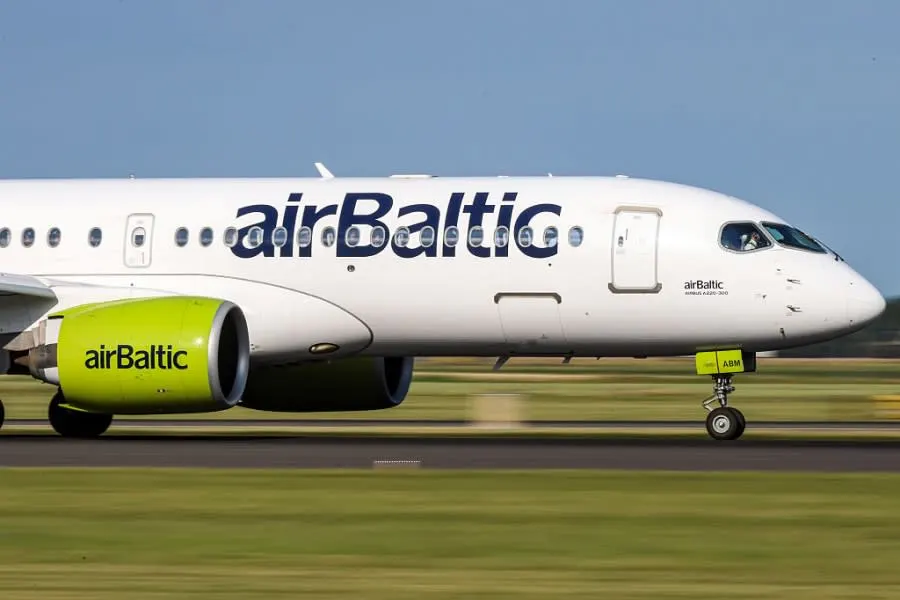
AirBaltic has filed for Chapter 11 bankruptcy protection to restructure its finances while maintaining normal flight operations for passengers.
Key Takeaways
- •AirBaltic filed for Chapter 11 bankruptcy in New York on September 14, 2026.
- •The airline secured €350 million in DIP financing from Strategic Value Partners.
- •Latvia maintains a 97.97% controlling stake in the carrier.
- •Restructuring aims for emergence from bankruptcy by June 2027.
AirBaltic Initiates Chapter 11 Restructuring
AirBaltic has officially entered AirBaltic Chapter 11 bankruptcy protection, filing in the U.S. Bankruptcy Court for the Southern District of New York on September 14, 2026. This legal move marks the start of a comprehensive AirBaltic financial restructuring intended to stabilize the airline's balance sheet amid severe liquidity pressures. The carrier’s leadership, including Erno Hildén airBaltic CEO, confirmed that the process is designed to reorganize debt and renegotiate aircraft leases while maintaining full operational continuity. According to the airline's official statements, passengers will experience no changes to flight schedules, and all existing bookings remain valid.
The Liquidity Crisis and DIP Financing
The decision to seek court-supervised reorganization follows an acute liquidity crisis driven by external market forces. The airline has been particularly impacted by a surge in jet fuel prices, which rose 111.2% year-over-year by mid-September 2026 due to escalating geopolitical tensions in the Middle East. To sustain operations during this transition, the carrier has secured €350 million in interim Debtor-in-Possession (DIP) financing. This funding, arranged primarily by Strategic Value Partners financing and supported by a consortium including Barclays, Hayfin Capital Management, Morgan Stanley, and Oaktree Capital Management, carries an interest rate of SOFR plus 8%, or approximately 12%. This liquidity provides the necessary runway for the airline to execute its new business plan while protected from creditor litigation.
Ownership and Corporate Context
As a state-backed entity, the airline faces unique governance considerations. The Latvian state currently holds a 97.97% majority stake in the carrier, making the Latvian government airline stake a central factor in the ongoing restructuring negotiations. The government has signaled support for the reorganization process, viewing it as a critical step toward securing the airline's long-term viability in an increasingly volatile European aviation market.
Stakeholder Impact and Fleet Strategy
The restructuring process will have significant implications for major suppliers. AirBaltic intends to utilize the Chapter 11 process to defer or cancel deliveries associated with a $3.5 billion order for 40 additional Airbus A220-300 aircraft. This strategy directly impacts manufacturers like Airbus and Pratt & Whitney, who now face uncertainty regarding the airline's future fleet expansion. While the airline views these deferrals as essential for financial sustainability, aviation finance analysts note that unsecured creditors and aircraft lessors may resist aggressive attempts to renegotiate existing lease terms.
Historical Precedents in Chapter 11
The use of U.S. bankruptcy courts by international carriers has become a common industry trend. Like SAS (Scandinavian Airlines System), which successfully restructured in 2022, and GOL Linhas Aéreas, which filed in 2024, AirBaltic is leveraging the U.S. legal framework to secure global protection against asset repossessions. This approach offers superior mechanisms for DIP financing compared to local insolvency laws, a pattern that has become standard for flag carriers facing systemic financial shocks.
What Comes Next: Emergence Timeline
The airline is working toward a target completion date of June 2027 for its emergence from bankruptcy. The court-supervised process will involve ongoing negotiations with creditors to finalize the restructuring plan. During this period, the airline’s primary objective remains the execution of its revised business plan, which aims to improve operational efficiency and long-term financial health. Success will depend on the carrier's ability to navigate the complex interests of its state owners, DIP lenders, and aircraft lessors.
Why This Matters for the Industry
This development serves as a bellwether for European carriers facing the dual pressure of high fuel costs and heavy fleet investment commitments. By utilizing the U.S. Chapter 11 process, AirBaltic is signaling a shift toward more aggressive debt management strategies in the face of geopolitical instability. For the broader industry, the outcome of this restructuring will likely influence how other mid-sized carriers manage their own liquidity crises and fleet obligations in the coming years.
Frequently Asked Questions
- Will AirBaltic flight schedules change during the Chapter 11 process?
- No. AirBaltic has stated that flight schedules will continue as normal, and all existing tickets and reservations remain valid throughout the court-supervised restructuring.
- What is the role of the €350 million financing secured by AirBaltic?
- The €350 million in debtor-in-possession financing provides the airline with necessary emergency liquidity to maintain daily operations while it reorganizes its debt and implements a new business plan under Chapter 11 protection.
Visit omniflights.com for the latest commercial aviation news and airline industry updates. Track policy changes, airspace rules, and global aviation governance in the Regulatory category at omniflights.com/regulatory.
Written by Hardik Vishwakarma
Co-Founder & Aviation News Editor leading initiatives that improve trust and visibility across the global aviation industry. Covers airlines, airports, safety, and emerging technology.
Visit ProfileYou Might Also Like
Discover more aviation news based on similar topics

Virgin Atlantic A330 Retirement Boosts SAS Fleet Capacity
Virgin Atlantic is retiring its aging A330-300 fleet, with five airframes acquired by SAS to bridge near-term intercontinental capacity gaps.
Boeing Wins $241M Navy Contract for F/A-18 Surface Repairs
Boeing secured a $241.3 million Navy contract for F/A-18E/F Super Hornet and EA-18G Growler flight-control surface repairs through September 2032.
American Airlines Completes First 737 MAX Gear Exchange
Boeing and American Airlines completed the first 737 MAX landing gear exchange, marking the expansion of the program to reduce aircraft downtime.

Iberia Gains Unrestricted A350 Heavy Maintenance Approval
The Spanish aviation regulator AESA has granted Iberia Maintenance unrestricted authorization to perform heavy maintenance on the Airbus A350 fleet.
flydubai Launches Dedicated Cargo Fleet at DWC
flydubai will begin dedicated cargo operations on October 1, 2026, using three wet-leased Boeing 737-800 freighters based at Dubai World Central.

Boeing Deliveries Dip in August as Q2 Revenue Hits $24.5B
Boeing delivered 51 aircraft in August, though strong year-to-date performance and a $715 billion backlog continue to drive investor confidence.