American Airlines Completes First 737 MAX Gear Exchange

Co-Founder & CEOAviation News Editor delivering trusted coverage across the global aviation industry.
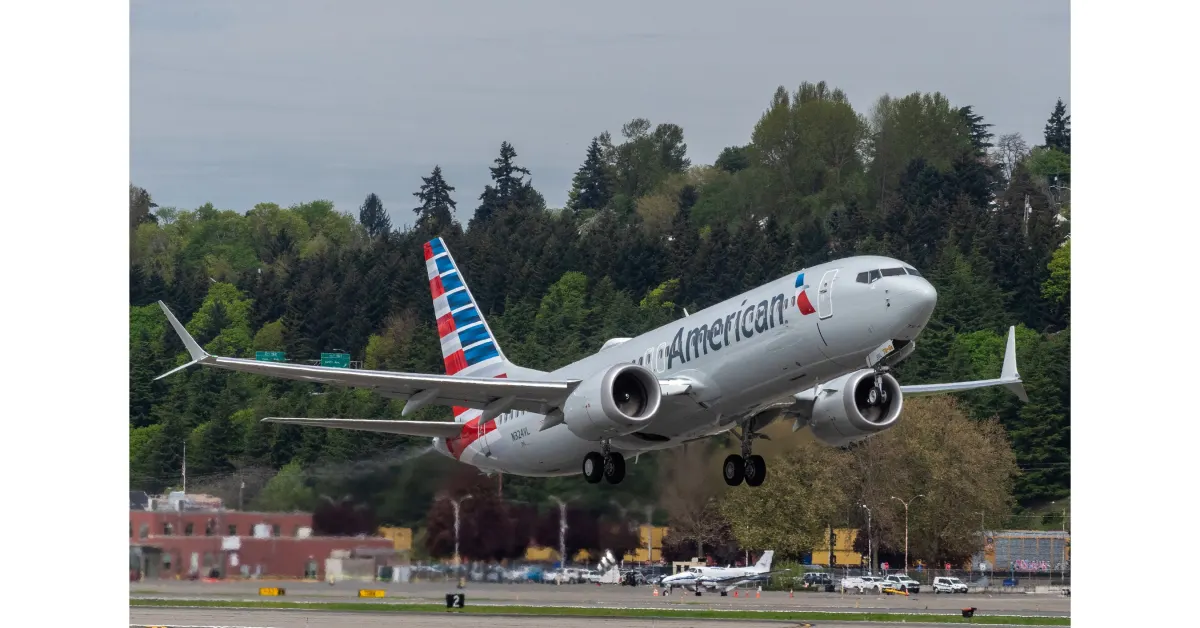
Boeing and American Airlines completed the first 737 MAX landing gear exchange, marking the expansion of the program to reduce aircraft downtime.
Key Takeaways
- •Boeing and American Airlines completed the first 737 MAX landing gear exchange.
- •The 737 MAX overhaul interval is extended to 144 months, or 12 years.
- •The program aims to reduce AOG time and spare parts inventory costs.
- •Boeing is scaling the LGEP as the 737 MAX fleet matures toward heavy maintenance.
Expanding the 737 MAX Maintenance Lifecycle
Boeing and American Airlines have successfully completed the first landing gear exchange for a Boeing 737 MAX, a milestone that validates the expansion of the manufacturer's Landing Gear Exchange Program (LGEP) to the MAX platform. This initiative, confirmed by the official Boeing announcement, is designed to significantly reduce Aircraft On Ground (AOG) time for operators by providing immediate access to ready-to-install, overhauled landing gear assemblies.
As the Boeing 737 MAX fleet reaches its first decade of commercial service, heavy maintenance demands are scaling up globally. The aircraft entered commercial service in May 2017, meaning the earliest airframes are now approaching their first heavy landing gear maintenance cycles. By utilizing the LGEP, airlines can avoid the capital-intensive requirement of purchasing and warehousing spare landing gear sets, instead relying on Boeing Global Services to manage the inventory pool.
Operational Impact and Maintenance Intervals
For American Airlines, this exchange program offers a strategic advantage in managing maintenance costs and operational availability. By shifting away from traditional in-house or in-place overhauls, the carrier minimizes the time an aircraft is removed from service for heavy maintenance. This shift reflects a broader industry trend where operators increasingly prioritize OEM-managed component pooling to streamline Maintenance, Repair, and Overhaul (MRO) workflows.
Technical specifications for the 737 MAX landing gear reflect advancements in design and maintenance optimization. The overhaul interval for the MAX platform can now extend up to 144 months (12 years), a notable increase over the 120-month (10-year) interval required for previous 737 generations. All replacement assemblies supplied through the exchange program must comply with Federal Aviation Administration (FAA) regulations, incorporating all applicable Service Bulletins (SBs) and receiving full certification before installation.
737 MAX vs. Previous Generations: Maintenance Intervals
| Metric | 737 MAX | Previous 737 Generations |
|---|---|---|
| Base Overhaul Interval | 144 months (12 years) | 120 months (10 years) |
The Strategic Shift in Aftermarket Services
According to William Ampofo, Senior Vice President of Parts & Distribution and Supply Chain at Boeing Global Services, the program provides predictable and cost-effective outcomes for operators. While the program offers clear benefits to airlines, independent third-party MRO providers have expressed concerns regarding market consolidation. Analysts note that while OEM exchange programs effectively reduce airline downtime, they also centralize aftermarket control within the manufacturer, potentially limiting the market share for independent MRO facilities.
Historically, Boeing has utilized this component-pooling model to support the 787 fleet, which reached its 100th exchange delivery by early 2026. Applying this proven precedent to the 737 MAX is expected to solidify long-term maintenance relationships for Boeing Global Services as the high-volume MAX fleet enters its heavy maintenance phase.
Scaling the 737 MAX Maintenance Lifecycle
Looking ahead, the demand for 737 MAX heavy maintenance is expected to scale significantly between 2027 and 2029. Boeing Global Services intends to leverage the data gathered from these initial exchanges to refine its logistics and inventory management for the growing global fleet. As more operators transition to the LGEP, the program will likely become a cornerstone of the MAX maintenance ecosystem, balancing the need for reduced AOG time with the technical rigors of FAA-certified overhaul cycles.
Why This Matters for Fleet Management
This development signals a transition toward OEM-managed maintenance models for narrowbody fleets. For airlines, the ability to outsource the logistical burden of landing gear overhauls translates into improved fleet utilization and reduced capital expenditure. For the broader industry, the move underscores the increasing role of manufacturers in the aftermarket, setting a new standard for how high-value components are managed throughout the lifecycle of modern aircraft.
Frequently Asked Questions
- What is the landing gear overhaul interval for the Boeing 737 MAX?
- The landing gear overhaul interval for the 737 MAX can extend up to 144 months, or 12 years.
- Why do airlines use Boeing's Landing Gear Exchange Program?
- Airlines use the program to minimize Aircraft On Ground time and reduce the capital expenditure associated with purchasing and warehousing spare landing gear sets.
Stay ahead of the airline industry with commercial aviation news from omniflights.com. Track policy changes, airspace rules, and global aviation governance in the Regulatory category at omniflights.com/regulatory.
Written by Hardik Vishwakarma
Co-Founder & Aviation News Editor leading initiatives that improve trust and visibility across the global aviation industry. Covers airlines, airports, safety, and emerging technology.
Visit ProfileYou Might Also Like
Discover more aviation news based on similar topics

Iberia Gains Unrestricted A350 Heavy Maintenance Approval
The Spanish aviation regulator AESA has granted Iberia Maintenance unrestricted authorization to perform heavy maintenance on the Airbus A350 fleet.
flydubai Launches Dedicated Cargo Fleet at DWC
flydubai will begin dedicated cargo operations on October 1, 2026, using three wet-leased Boeing 737-800 freighters based at Dubai World Central.
Boeing Deliveries Dip in August as Q2 Revenue Hits $24.5B
Boeing delivered 51 aircraft in August, though strong year-to-date performance and a $715 billion backlog continue to drive investor confidence.

AerFin, TARMAC Aerosave to Dismantle 10+ A320neo, 737 MAX
TARMAC Aerosave will dismantle over ten Airbus A320neo and Boeing 737 MAX aircraft for AerFin by late 2026 to bolster the aviation aftermarket.

USAF Increases Boeing KC-46 FMS Contract Ceiling by $13.4B
The U.S. Air Force raised the Boeing KC-46 Pegasus contract ceiling by $13.4 billion to support international military sales through April 2035.
Boeing, SPEEA Reach Tentative Deal to Avert Engineer Strike
Boeing and the SPEEA reached a tentative 4-year contract agreement, offering a 10% wage increase to avoid a strike by 17,000 engineering employees.