IATA Pushes for Open Used Serviceable Material Market

Co-Founder & CEOAviation News Editor delivering trusted coverage across the global aviation industry.

IATA is urging engine OEMs to expand the Used Serviceable Material market following a landmark EU antitrust settlement with Pratt & Whitney Canada.
Key Takeaways
- •IATA urges OEMs to open the Used Serviceable Material market.
- •Supply chain issues added $5.7 billion to airline maintenance costs in 2025.
- •EU antitrust settlement with P&WC sets a new competitive precedent.
- •Airlines seek freedom to choose independent MRO providers and parts.
The International Air Transport Association (IATA), representing approximately 300 airlines worldwide, is calling for a significant overhaul in the Used Serviceable Material (USM) market. This push follows a landmark EU aviation antitrust settlement involving Pratt & Whitney Canada (P&WC), which was finalized on August 21, 2026. The IATA jet engine parts initiative seeks to extend the pro-competitive principles established in that case to the broader commercial jet engine sector to mitigate severe supply chain constraints.
The Impact of Supply Chain Bottlenecks
Global aviation is currently grappling with persistent supply chain bottlenecks and parts shortages. According to an IATA-Oliver Wyman study, these operational challenges added an estimated $5.7 billion to airlines' total engine leasing and maintenance costs in 2025. Airlines are increasingly turning to certified reconditioned parts to bypass extended turnaround times that have frequently resulted in grounded commercial fleets. The current reliance on Original Equipment Manufacturer (OEM) exclusive service channels often exacerbates these delays, prompting the industry to seek greater access to independent maintenance, repair, and overhaul (MRO) providers.
Regulatory Context and the P&WC Settlement
Under EU Antitrust Case M.12406, the European Commission Directorate-General for Competition investigated restrictive contractual clauses that prevented independent suppliers from accessing critical engine inputs. The investigation concluded after P&WC agreed to amend its contracts, allowing independent suppliers access to used turboprop engine cores and necessary certification services. This Pratt & Whitney Canada antitrust resolution serves as a catalyst for IATA’s broader campaign. Nick Careen, IATA's Senior Vice President of Operations, Safety and Security, stated that the transition for PT6 and PW100-series engines provides a blueprint for the wider industry. He emphasized that airlines should have the freedom to choose among all regulator-approved maintenance facilities and parts, regardless of the engine type.
Historical Precedents and Industry Resistance
IATA’s current advocacy is not without precedent. In 2018, CFM International reached an agreement—subsequently renewed in early 2026—to allow independent MROs to use alternative parts and repairs on its engines. This agreement acts as a benchmark for the current effort. However, major engine manufacturers have historically argued that they assume significant technological and financial risks during engine development. These firms maintain that exclusive aftermarket services are essential to recoup those long-term investments. Despite this position, the regulatory landscape is shifting, and OEMs now face increasing pressure to adopt more open aftermarket policies.
Technical Analysis: The Economics of Engine Aftermarket Reform
The push for an open USM market represents a structural shift in aviation economics. Historically, OEMs have utilized
Frequently Asked Questions
- Why is IATA pushing for an open used engine parts market?
- IATA is advocating for this change to alleviate severe supply chain bottlenecks and high maintenance costs, which added $5.7 billion to airline expenses in 2025.
- What was the outcome of the EU antitrust case against Pratt & Whitney Canada?
- The European Commission closed its investigation after P&WC agreed to amend contracts, allowing independent suppliers access to used turboprop engine cores and certification services.
From airline operations to fleet updates, commercial aviation news lives at omniflights.com. Get the latest updates on major hubs, regional terminals, and airport operations via the Airports section at omniflights.com/airports.
Written by Hardik Vishwakarma
Co-Founder & Aviation News Editor leading initiatives that improve trust and visibility across the global aviation industry. Covers airlines, airports, safety, and emerging technology.
Visit ProfileYou Might Also Like
Discover more aviation news based on similar topics

Virgin Atlantic A330 Retirement Boosts SAS Fleet Capacity
Virgin Atlantic is retiring its aging A330-300 fleet, with five airframes acquired by SAS to bridge near-term intercontinental capacity gaps.

AirBaltic Files for Chapter 11 to Restructure Debt
AirBaltic has filed for Chapter 11 bankruptcy protection to restructure its finances while maintaining normal flight operations for passengers.
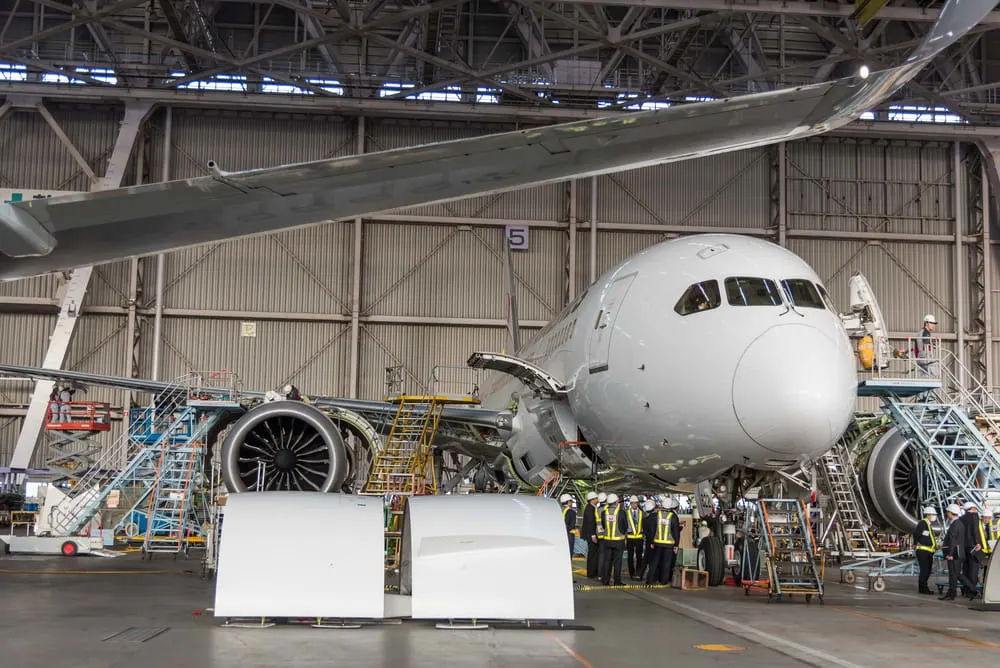
Boeing Wins $241M Navy Contract for F/A-18 Surface Repairs
Boeing secured a $241.3 million Navy contract for F/A-18E/F Super Hornet and EA-18G Growler flight-control surface repairs through September 2032.
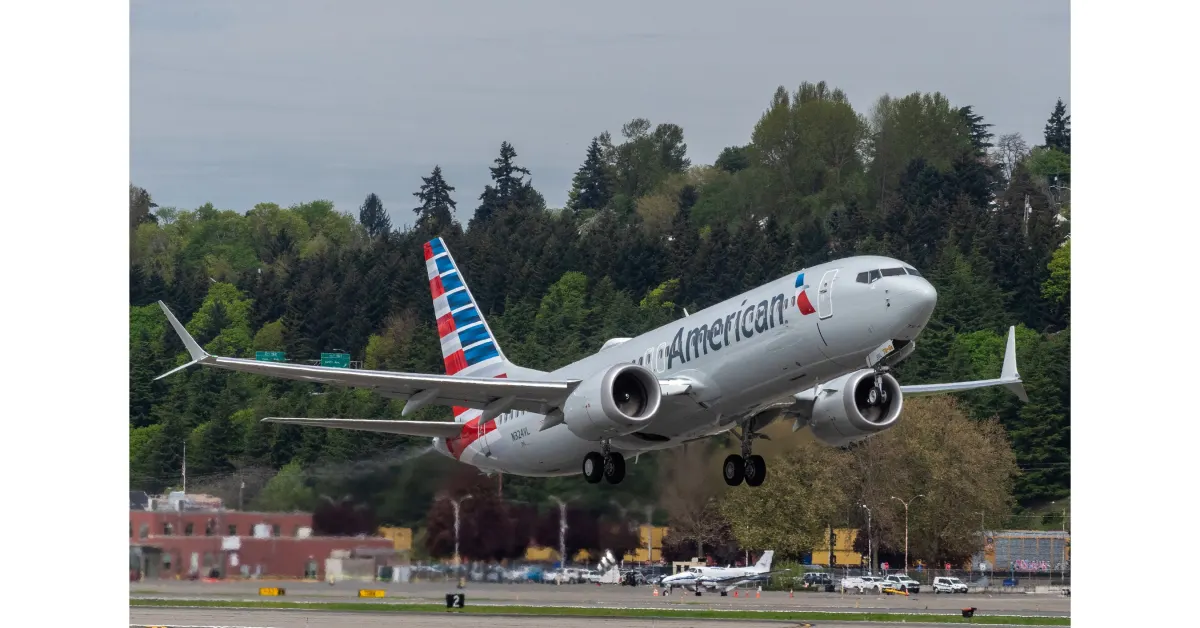
American Airlines Completes First 737 MAX Gear Exchange
Boeing and American Airlines completed the first 737 MAX landing gear exchange, marking the expansion of the program to reduce aircraft downtime.

Iberia Gains Unrestricted A350 Heavy Maintenance Approval
The Spanish aviation regulator AESA has granted Iberia Maintenance unrestricted authorization to perform heavy maintenance on the Airbus A350 fleet.

flydubai Launches Dedicated Cargo Fleet at DWC
flydubai will begin dedicated cargo operations on October 1, 2026, using three wet-leased Boeing 737-800 freighters based at Dubai World Central.