United, JetBlue Raise Bag Fees Amid Surging Geopolitical Fuel Costs

Co-Founder & CEOAviation News Editor delivering trusted coverage across the global aviation industry.
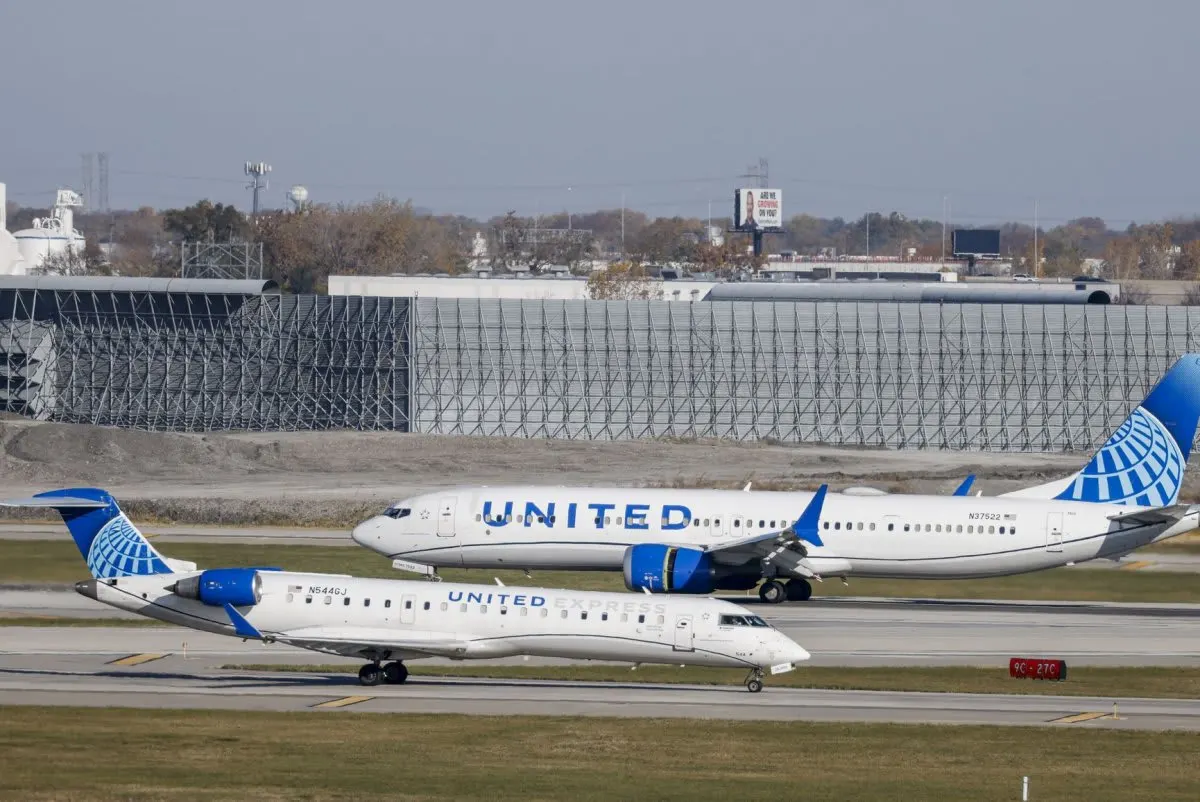
United and JetBlue raised checked bag fees by up to $10, citing an 80-95% surge in jet fuel costs from the Strait of Hormuz geopolitical conflict.
Key Takeaways
- •Increases United's first checked bag fee by $10, to $50 at the airport, from April 3, 2026.
- •Cites a 95.2% surge in global jet fuel prices due to the Strait of Hormuz blockade.
- •Follows JetBlue's recent peak-season baggage fee hike to $49 for a first bag.
- •Solidifies an industry-wide shift after Southwest Airlines ended its free bag policy in 2025.
Major U.S. carriers are raising ancillary fees in response to a severe geopolitical fuel shock, with United Airlines announcing a $10 increase for first and second checked bags effective April 3, 2026. The move directly follows a similar increase by JetBlue and reflects an industry-wide effort to offset a massive spike in operating costs driven by international conflict.
The fee adjustments are a direct consequence of soaring jet fuel prices. According to S&P Global Energy Data, the global jet fuel index surged 95.2% by late March 2026, climbing from $99.4 to $195.2 per barrel. This dramatic increase is attributed to the blockade of the Strait of Hormuz amid the U.S.-Iran conflict, which has severely disrupted global oil supply chains. For airlines, fuel is one of the largest and most volatile operating expenses, and such a rapid price escalation necessitates immediate cost-recovery measures.
United's new fee structure will charge passengers in the U.S., Mexico, Canada, and Latin America $45 for a first checked bag if paid for more than 24 hours before a flight, or $50 within that 24-hour window. A second bag will cost $55 in advance or $60 at the last minute. JetBlue, which implemented its new prices on March 30, 2026, adopted a dynamic model. Its fees now stand at $39 for a first bag on off-peak dates and $49 during peak travel periods, as detailed on the airline's official baggage information page.
An Industry-Wide Trend
These increases are not happening in isolation but are part of a broader industry convergence on unbundled fare structures. Earlier this year, American Airlines raised its fee for a second checked bag by $5. More significantly, the industry witnessed a landmark shift in May 2025 when Southwest Airlines abandoned its 54-year "bags fly free" policy. The former champion of the Low-Cost Carrier (LCC) model began charging $35 for a first checked bag, effectively ending the last major holdout against ancillary baggage revenue among major U.S. carriers.
This universal adoption of baggage fees provides airlines with a crucial lever to manage financial volatility. The U.S. Department of Transportation (DOT), through its Baggage Fee Disclosure Rules under 14 CFR Part 399, mandates that these new, higher fees must be clearly and transparently communicated to consumers during the ticket purchasing process.
Historical Precedent and Future Outlook
The current situation is highly analogous to the 2008 oil price spike. In May 2008, American Airlines became the first legacy carrier to introduce a $15 checked bag fee to offset record fuel prices. That move, initially a response to a temporary cost crisis, permanently altered the airline revenue model. The historical precedent suggests that the 2026 fee increases, driven by another fuel shock, are unlikely to be rolled back even if fuel prices stabilize. Consumer advocates argue that airlines often use such crises as a pretext to permanently raise ancillary fees.
The International Air Transport Association (IATA) is closely monitoring the severe supply disruptions, which pose a significant threat to carriers globally, particularly those in Africa and Europe that are unhedged against fuel price increases. The 70-80% drop in tanker traffic through the Strait of Hormuz has created severe solvency risks.
Looking ahead, United's new fees are confirmed to take effect on April 3, 2026. Industry analysts expect a potential solvency crisis to emerge among smaller, unhedged international carriers during the second quarter of 2026 if the fuel supply disruption continues. For price-sensitive leisure travelers, the immediate impact is a significant increase in the total cost of travel, with round-trip baggage fees potentially adding $100 to $140 per person for a two-bag trip. This may also drive a surge in applications for airline co-branded credit cards, which typically offer free checked bags as a primary perk.
Why This Matters
This latest round of fee hikes solidifies the role of ancillary revenue as an essential tool for airlines to buffer against geopolitical and economic shocks. It marks the final stage of an industry-wide transition away from all-inclusive fares, forcing passengers to account for baggage costs as a standard component of air travel. For the aviation industry, it demonstrates a continued reliance on unbundling services to maintain profitability in a volatile market.
Get breaking commercial aviation news and expert airline analysis at omniflights.com. Track policy changes, airspace rules, and global aviation governance in the Regulatory category at omniflights.com/regulatory.
Written by Hardik Vishwakarma
Co-Founder & Aviation News Editor leading initiatives that improve trust and visibility across the global aviation industry. Covers airlines, airports, safety, and emerging technology.
Visit ProfileYou Might Also Like
Discover more aviation news based on similar topics
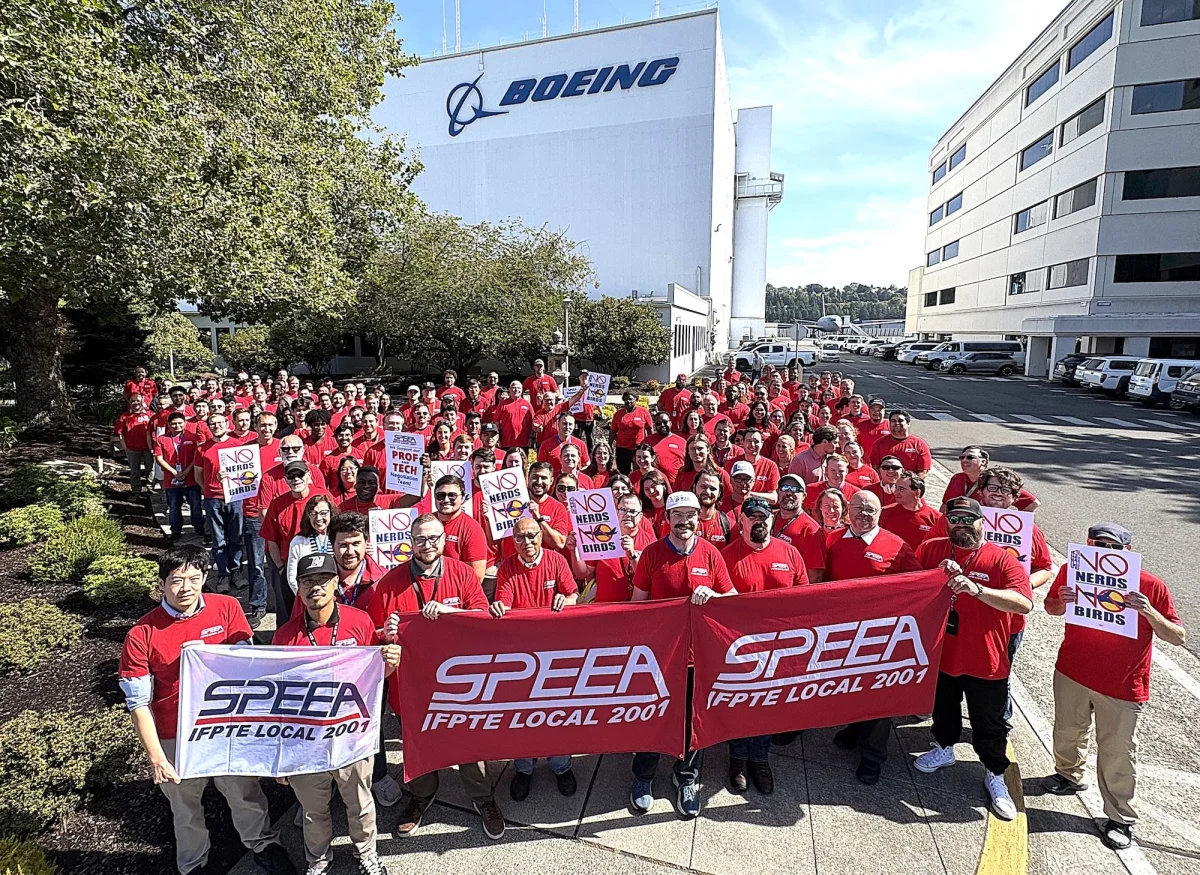
Boeing Tightens Spending Ahead of Critical SPEEA Union Vote
Boeing has implemented spending controls and a hiring freeze as it faces a critical contract ratification vote with its 17,000-member engineering union.
Boeing CEO Kelly Ortberg Warns of 777X Certification Delay
Boeing CEO Kelly Ortberg warned that a potential strike by 17,000 engineers would immediately halt the 777X certification and production programs.
American and United Plan Capacity Cuts Amid Fuel Cost Surge
American and United are trimming flight schedules to offset a $1 billion fuel cost spike while maintaining strong pricing power.
Boeing CEO Reports 737 MAX Output Stabilization Delays
Boeing CEO Kelly Ortberg reports slower 737 MAX production stabilization, prompting a downward revision in 2026 free cash flow expectations to $2 billion.
Boeing Finalizes KAL Order, Salvages Turkish Airlines Deal
Boeing secured a $36.2 billion order from Korean Air Lines for 103 aircraft and nears a resolution on a 150-jet deal with Turkish Airlines.
Airbus Forecasts 42,000 New Jets Amid Strong Global Demand
Airbus expects 42,000 new aircraft deliveries globally by 2045, with 45% of demand concentrated in the Asia-Pacific region.