Qatar Airways Qsuite: The Standard for Boeing 777 Business

Co-Founder & CEOAviation News Editor delivering trusted coverage across the global aviation industry.
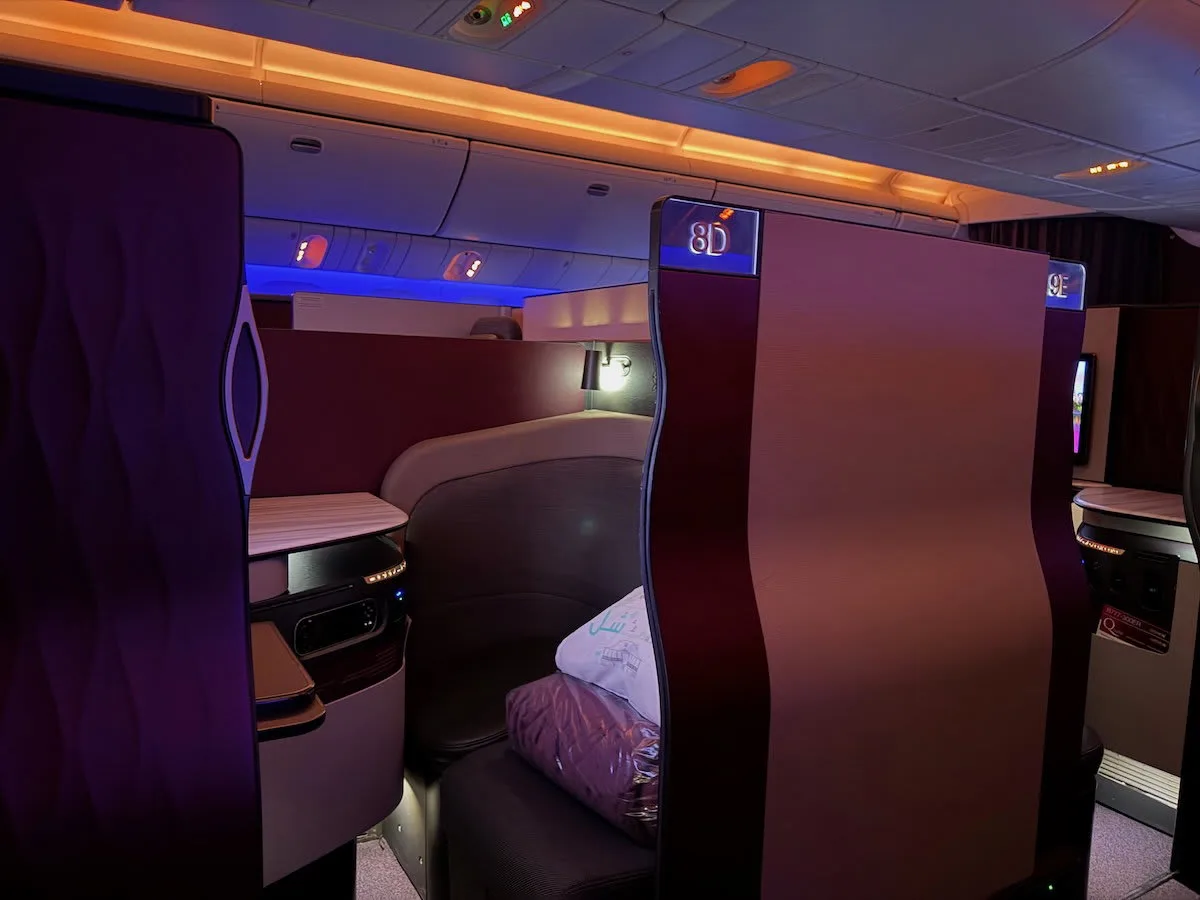
Qatar Airways' Qsuite on its Boeing 777-300ER fleet remains the business class benchmark with 42 seats, even as the airline develops its successor.
Key Takeaways
- •Qsuite on the Boeing 777-300ER features 42 seats in a 1-2-1 layout.
- •Introduced in 2017, it set a new standard with privacy doors and double beds.
- •A 'Next Gen' Qsuite is expected to launch in late 2025 or 2026.
- •The product's success forced competitors to accelerate cabin retrofits.
The Qatar Airways Qsuite review experience on routes like the Doha to Bangkok flight continues to define the premium travel market, years after its debut. Aboard the carrier's Boeing 777-300ER business class, the product maintains its status as an industry benchmark, fundamentally altering passenger expectations for privacy and customization. First launched in March 2017, the Qsuite's introduction of sliding privacy doors and configurable seating arrangements created a new competitive standard that reshaped the long-haul business class landscape.
The significance of the Qsuite extends beyond passenger comfort; it represents a strategic move that forced competitors to invest heavily in cabin upgrades. The design, which includes the first-ever double bed and a four-person quad configuration in business class, has become a key differentiator for the Oneworld alliance member. This innovation is most prominent on the airline's workhorse long-haul fleet, which includes approximately 57 Boeing 777-300ER aircraft, according to the Qatar Airways Official Fleet Fact Sheet 2025.
Cabin Configuration and Fleet Details
The standard Qsuite cabin on the Boeing 777-300ER (Extended Range) accommodates up to 42 passengers in a staggered 1-2-1 layout. This configuration guarantees direct aisle access for every passenger, a critical feature in modern premium cabins. According to official specifications, the seats offer a pitch ranging from 78 to 103 inches and convert into a fully flat bed, providing a level of space and comfort that rivals some first-class products. These aircraft operate under ETOPS (Extended-range Twin-engine Operations Performance Standards) certification from authorities like the QCAA (Qatar Civil Aviation Authority), allowing them to fly efficient long-haul routes over water from the airline's hub at DOH (Hamad International Airport) to destinations like BKK (Suvarnabhumi Airport).
The installation of sliding privacy doors is governed by strict airworthiness standards, such as Part 25 regulations from the FAA and EASA, which ensure that the doors do not impede emergency evacuations. This regulatory compliance was a critical engineering challenge that Qatar Airways and its seat manufacturing partners successfully navigated, paving the way for a major industry trend.
Industry Impact and Competitive Landscape
The launch of the Qsuite in March 2017 triggered an immediate response from competitors. Delta Air Lines followed with its Delta One Suites in October 2017, becoming the first U.S. carrier to feature business class privacy doors. This rapid adoption highlights the disruptive impact of Qatar Airways' product. For competing Middle Eastern carriers like Emirates and Etihad, the Qsuite created significant pressure, compelling them to accelerate costly cabin retrofit programs to remain competitive. This trend has solidified privacy doors as a standard expectation for top-tier international business class.
The impact also extends to aircraft seat manufacturers, who faced a surge in demand for complex, customized suites. Engineering these heavy, mechanically sophisticated products while meeting stringent safety certifications became a new industry challenge. For premium leisure travelers, particularly families and groups, the Qsuite's quad suites and double beds offered unprecedented flexibility, opening up a new market segment. To further enhance the passenger experience, Qatar Airways is also upgrading its fleet with complimentary gate-to-gate Starlink satellite Wi-Fi, addressing the growing demand for high-speed inflight connectivity.
Technical Analysis
While the Qsuite set a new benchmark, its design presents operational considerations. Aviation environmental analysts note that the heavy and spacious nature of fully enclosed suites can increase aircraft fuel burn and carbon emissions compared to more traditional, higher-density business class layouts. Furthermore, the product's wide footprint has created a challenge for fleet consistency. As noted by aviation consumer advocates, the original Qsuite cannot be installed on the airline's narrower widebody aircraft, such as the Boeing 787, leading to a fragmented premium product offering across different routes.
This inconsistency is a key factor driving the development of the next-generation product. The challenge for Qatar Airways is to evolve the Qsuite concept into a lighter, more adaptable design that can be deployed across a wider range of aircraft types without sacrificing the core features that made the original a market leader. The official Boeing 777 commercial aircraft overview details the airframe's capacity, which Qatar Airways maximized for this premium-heavy configuration.
A350-1000 vs 777-300ER: Qsuite Implementation
Qatar Airways also operates the Qsuite on its Airbus A350-1000 fleet, though with slight variations due to the different cabin dimensions.
| Metric | Boeing 777-300ER | Airbus A350-1000 |
|---|---|---|
| Qsuite Capacity | Up to 42 suites | 46 suites |
| Cabin Interior Width | 5.86 m | 5.61 m |
| Maximum Range | 7,370 nmi | 8,900 nmi |
What Comes Next
The evolution of the airline's premium cabin is a stated priority. Qatar Airways Group CEO Badr Mohammed Al Meer has confirmed that while the original Qsuite remains a benchmark, the airline is actively developing its successor. This new product, referred to as "Qsuite Next Gen," is expected to enter service in late 2025 or 2026. Alongside this, the CEO has also announced plans for a new, bespoke First Class cabin, signaling a continued focus on the high-yield passenger segment.
Why This Matters
The legacy of the Qatar Airways Qsuite demonstrates how a single, well-executed product can redefine an entire class of service and force a market-wide response. Its success has raised the baseline for business class, making privacy doors and highly customizable spaces the new standard. As the airline prepares to launch its next-generation suite, the industry will be watching to see if it can once again set a new benchmark, this time addressing the challenges of weight, efficiency, and fleet-wide consistency.
Frequently Asked Questions
- What is the seat configuration of Qatar Airways Qsuite on the Boeing 777-300ER?
- The Qsuite cabin on Qatar Airways' Boeing 777-300ER accommodates up to 42 passengers. The seats are arranged in a 1-2-1 configuration, ensuring direct aisle access for every passenger.
- What makes the Qatar Airways Qsuite unique in business class?
- The Qsuite was revolutionary for introducing the first-ever double bed in business class. It also features a unique quad configuration that allows four passengers traveling together to create a private suite, a feature that set a new industry standard in 2017.
- Is Qatar Airways developing a new Qsuite?
- Yes, Qatar Airways Group CEO Badr Mohammed Al Meer has confirmed the development of a 'Qsuite Next Gen.' This new business class product is expected to enter service in late 2025 or 2026.
For global airline trends and commercial aviation news, turn to omniflights.com. Get the latest updates on major hubs, regional terminals, and airport operations via the Airports section at omniflights.com/airports.
Written by Hardik Vishwakarma
Co-Founder & Aviation News Editor leading initiatives that improve trust and visibility across the global aviation industry. Covers airlines, airports, safety, and emerging technology.
Visit ProfileYou Might Also Like
Discover more aviation news based on similar topics
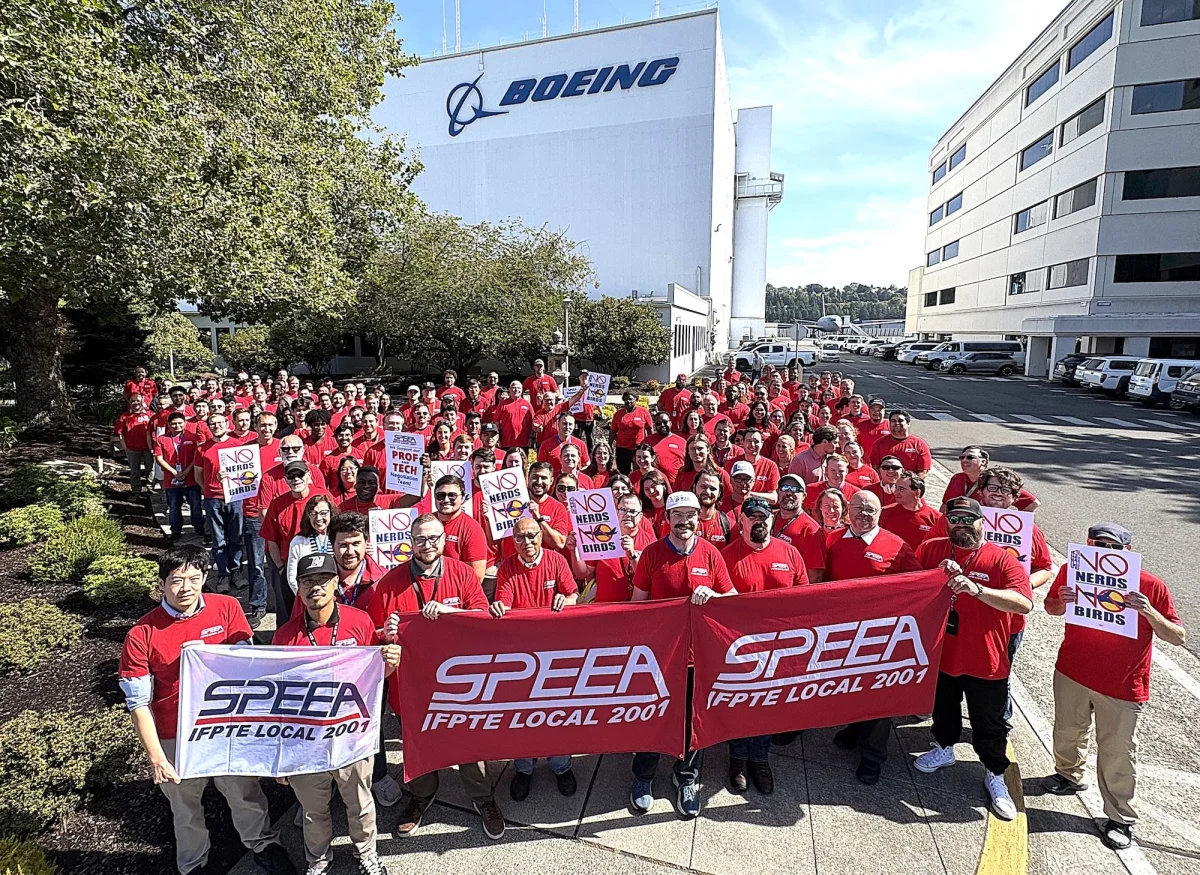
Boeing Tightens Spending Ahead of Critical SPEEA Union Vote
Boeing has implemented spending controls and a hiring freeze as it faces a critical contract ratification vote with its 17,000-member engineering union.

Boeing CEO Kelly Ortberg Warns of 777X Certification Delay
Boeing CEO Kelly Ortberg warned that a potential strike by 17,000 engineers would immediately halt the 777X certification and production programs.
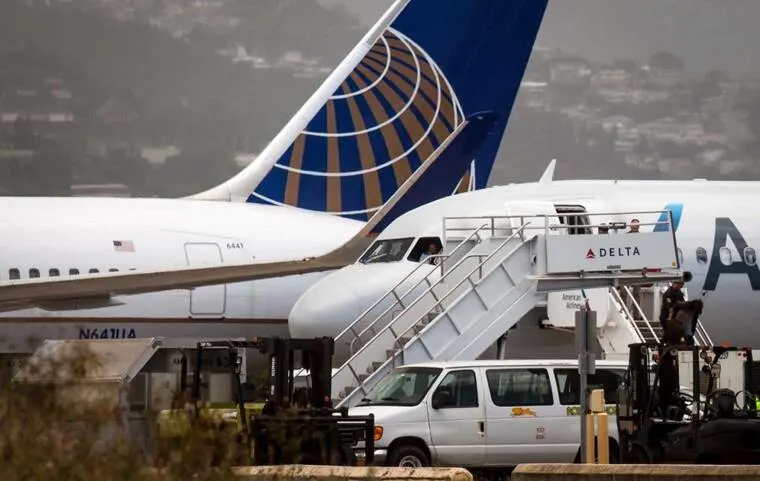
American and United Plan Capacity Cuts Amid Fuel Cost Surge
American and United are trimming flight schedules to offset a $1 billion fuel cost spike while maintaining strong pricing power.
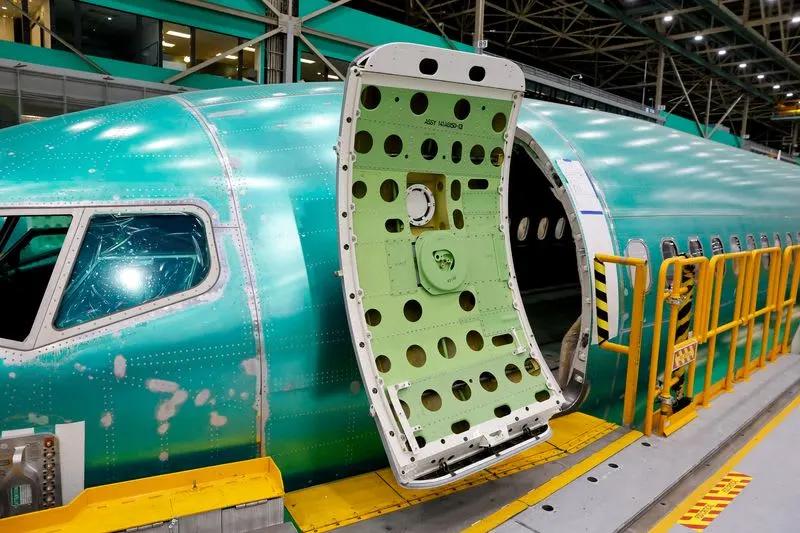
Boeing CEO Reports 737 MAX Output Stabilization Delays
Boeing CEO Kelly Ortberg reports slower 737 MAX production stabilization, prompting a downward revision in 2026 free cash flow expectations to $2 billion.
Boeing Finalizes KAL Order, Salvages Turkish Airlines Deal
Boeing secured a $36.2 billion order from Korean Air Lines for 103 aircraft and nears a resolution on a 150-jet deal with Turkish Airlines.
Airbus Forecasts 42,000 New Jets Amid Strong Global Demand
Airbus expects 42,000 new aircraft deliveries globally by 2045, with 45% of demand concentrated in the Asia-Pacific region.