Akasa Air Leases Three 737-8200s from BOC Aviation

Co-Founder & CEOAviation News Editor delivering trusted coverage across the global aviation industry.
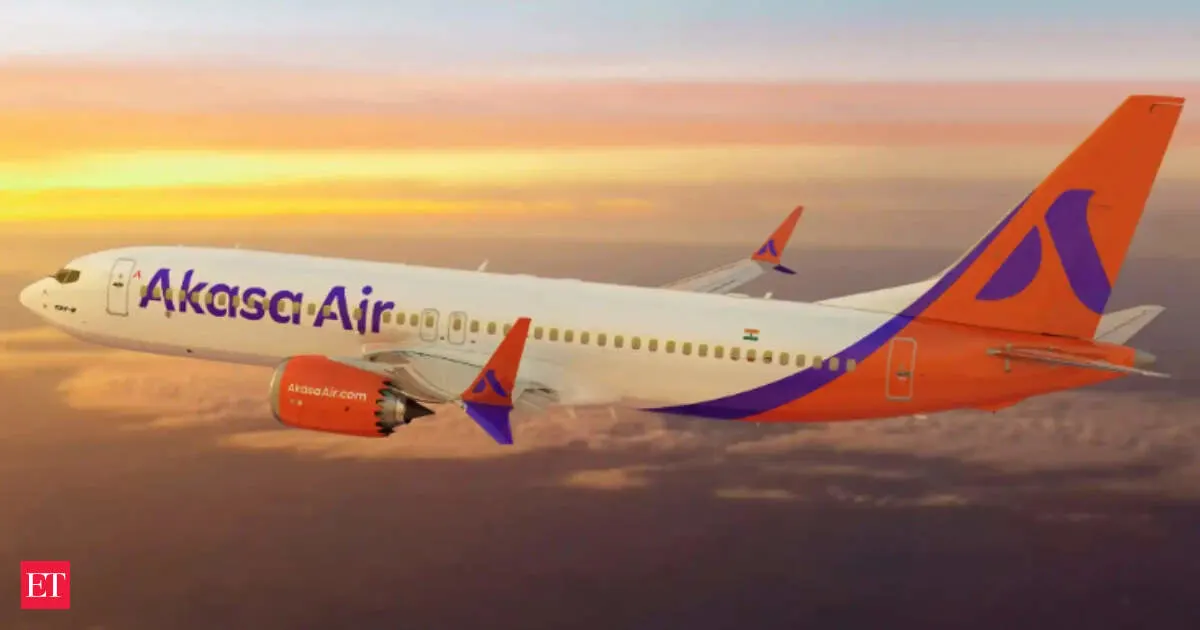
BOC Aviation signed a sale-and-leaseback deal to lease three Boeing 737-8200 aircraft to Akasa Air, with deliveries scheduled by the end of 2026.
Key Takeaways
- •BOC Aviation and Akasa Air sign a lease for three Boeing 737-8200s.
- •The aircraft are scheduled for delivery by the end of 2026.
- •The deal is a sale-and-leaseback, preserving Akasa Air's capital.
- •The 737-8200 offers approximately 5% lower operating costs per seat.
Aircraft lessor BOC Aviation has finalized a new BOC Aviation lease agreement with Indian carrier Akasa Air for three new Boeing 737-8200 aircraft. The deal, structured as a Sale and leaseback aviation transaction, will see the aircraft delivered to the airline by the end of 2026. This agreement marks the second such transaction between the two companies, deepening their strategic financing partnership.
The transaction underscores a significant trend in rapidly growing aviation markets like India, where airlines leverage Sale and Leaseback (SLB) agreements to accelerate fleet expansion while maintaining capital efficiency. For Akasa Air, this move secures modern, fuel-efficient aircraft crucial for its network growth without the heavy upfront capital expenditure typically associated with direct purchases. The aircraft will be powered by CFM LEAP-1B engines.
According to Paul Kent, Chief Commercial Officer of BOC Aviation, the transaction supports Akasa Air's ongoing business growth in India. He highlighted the fuel efficiency of the 737-8200 as a key factor. Priya Mehra, Chief of Governance & Strategic Acquisitions at Akasa Air, added that the deal aligns with the airline's disciplined scaling strategy and reflects shared confidence in the Indian aviation market's potential.
The High-Density Advantage
The Boeing 737-8200 is a specialized, high-density variant of the successful 737 MAX 8. It was specifically designed to meet the needs of low-cost carriers aiming to maximize passenger volume and reduce unit costs. According to Boeing's specifications, the aircraft can be configured to carry up to 210 passengers, a significant increase from the standard MAX 8's capacity of 189. This increased capacity results in approximately 5% lower operating costs per seat.
To meet stringent safety regulations for higher passenger counts, the 737-8200 required special certification from authorities like the Federal Aviation Administration (FAA) and the European Union Aviation Safety Agency (EASA). This certification process mandated the installation of an additional set of mid-cabin exit doors to ensure compliance with emergency evacuation standards.
Boeing 737-8200 vs Boeing 737 MAX 8
| Metric | Boeing 737-8200 | Boeing 737 MAX 8 |
|---|---|---|
| Maximum Seating Capacity | 210 passengers | 189 passengers |
| Emergency Exits | Additional mid-cabin exit doors | Standard configuration |
| Operating Cost Per Seat | ~5% lower | Baseline |
Strategic Implications for the Indian Market
This fleet expansion positions Akasa Air to compete more aggressively in India's crowded domestic and growing international markets. The airline, which currently operates a fleet of 38 Boeing 737 MAX family aircraft, can now deploy these lower-cost, high-density aircraft on key routes. This move is expected to increase capacity pressure on competing carriers like IndiGo and Air India Express, potentially leading to more competitive pricing for consumers.
For BOC Aviation, a Singapore-headquartered lessor listed on the Hong Kong Stock Exchange (HKEx), the deal expands its portfolio in a key growth region. It secures long-term lease revenue from three new-technology narrowbody assets. The transaction also benefits engine manufacturer CFM International (CFM), a joint venture between GE Aerospace and Safran Aircraft Engines, by securing long-term utilization and maintenance revenue for the LEAP-1B engines. However, some consumer advocates note that the shift to high-density configurations often comes at the expense of passenger comfort, with reduced legroom and smaller lavatories.
Historical Context
This agreement builds upon a previously established relationship. In November 2025, BOC Aviation and Akasa Air signed their first lease agreement for three Boeing 737-8 aircraft, which began delivery in early 2026. That initial transaction paved the way for this follow-on deal for the higher-density 737-8200 model.
The economic viability of the 737-8200 was first proven by European low-cost giant Ryanair, which was the launch customer for the variant. Boeing developed the modified aircraft in response to Ryanair's requirement for a 197-seat configuration, demonstrating a clear market demand among budget carriers for an aircraft that optimizes seat count. The success of this model has encouraged other airlines, including Akasa Air, to adopt it as part of their fleet strategy. Details on the Boeing 737 MAX family are available on their official site.
What Comes Next
Under the terms of the confirmed agreement, the delivery of all three Boeing 737-8200 aircraft to Akasa Air is scheduled for completion by the end of 2026. This will bring the total number of aircraft leased by Akasa Air from BOC Aviation to six. The airline continues to expand its fleet, which can be tracked on the official Akasa Air fleet page.
Why This Matters
This deal is a clear indicator of the strategic direction for low-cost carriers in high-growth markets. It highlights the critical role of aircraft lessors and flexible financing models like sale-and-leaseback in enabling rapid fleet modernization and expansion. For Akasa Air, the adoption of the high-density 737-8200 is a deliberate move to lower unit costs, enhance competitiveness, and capture a larger share of the booming Indian aviation market.
Frequently Asked Questions
- What is the Boeing 737-8200 aircraft?
- The Boeing 737-8200 is a high-density variant of the 737 MAX 8. It features an additional set of mid-cabin exit doors, which allows it to be certified for up to 210 passengers and helps lower the operating cost per seat by approximately 5% compared to the standard model.
- Why do airlines like Akasa Air use sale-and-leaseback deals?
- Airlines use sale-and-leaseback (SLB) transactions to finance fleet growth without large upfront capital expenditures. By selling a new aircraft to a lessor and immediately leasing it back, an airline can preserve cash for operations and expansion while still acquiring modern aircraft.
Access up-to-date commercial aviation news and airline industry developments via omniflights.com. Get the latest updates on major hubs, regional terminals, and airport operations via the Airports section at omniflights.com/airports.

Written by Hardik Vishwakarma
Co-Founder & Aviation News Editor leading initiatives that improve trust and visibility across the global aviation industry. Covers airlines, airports, safety, and emerging technology.
Visit ProfileYou Might Also Like
Discover more aviation news based on similar topics
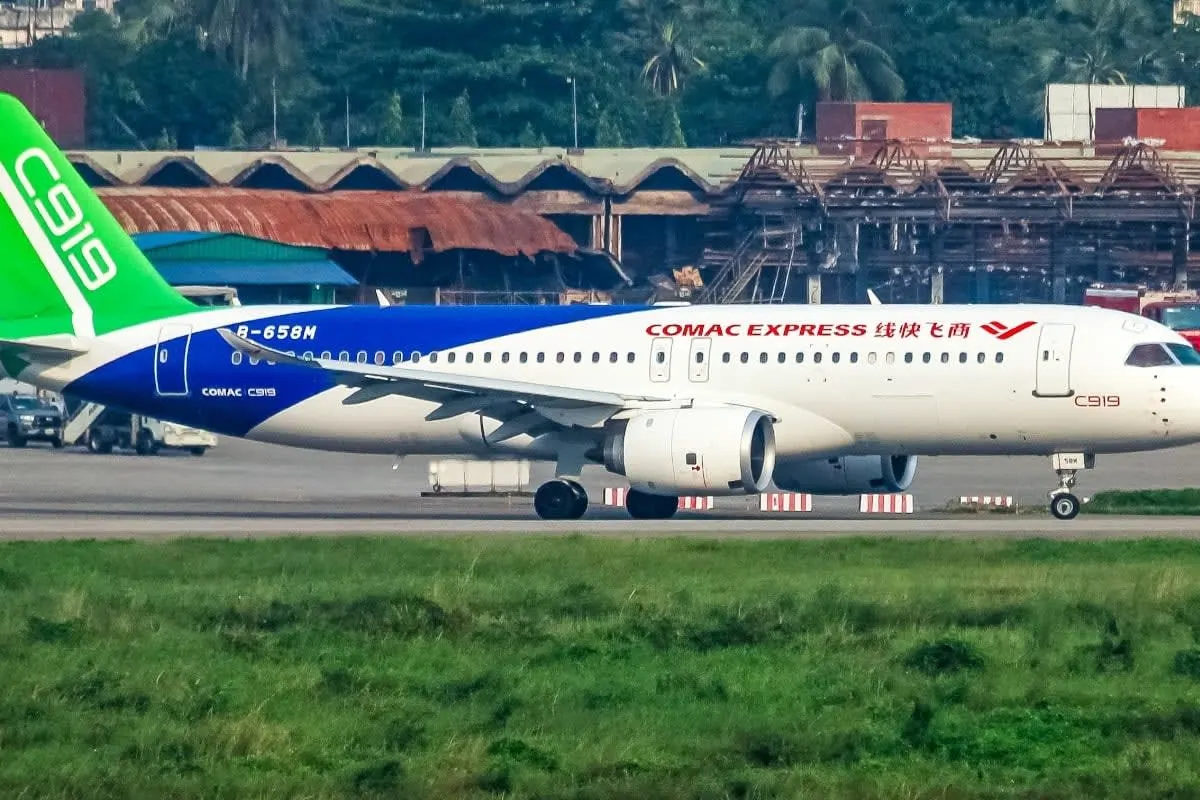
US Slows Aircraft-Part Exports to China Amid Trade Truce
The US is slowing export licenses for aircraft parts to China, using aviation dependencies as leverage in ongoing trade negotiations.
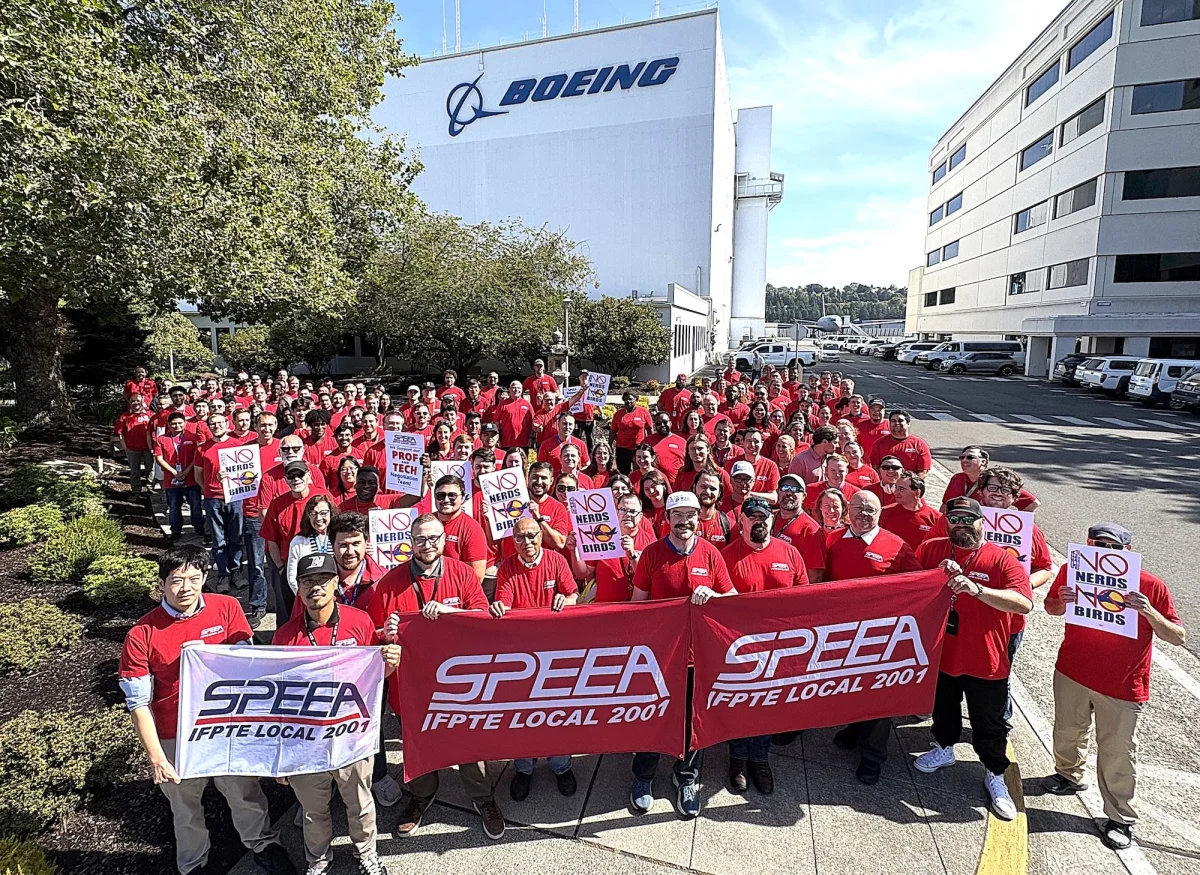
Boeing Tightens Spending Ahead of Critical SPEEA Union Vote
Boeing has implemented spending controls and a hiring freeze as it faces a critical contract ratification vote with its 17,000-member engineering union.

Boeing CEO Kelly Ortberg Warns of 777X Certification Delay
Boeing CEO Kelly Ortberg warned that a potential strike by 17,000 engineers would immediately halt the 777X certification and production programs.
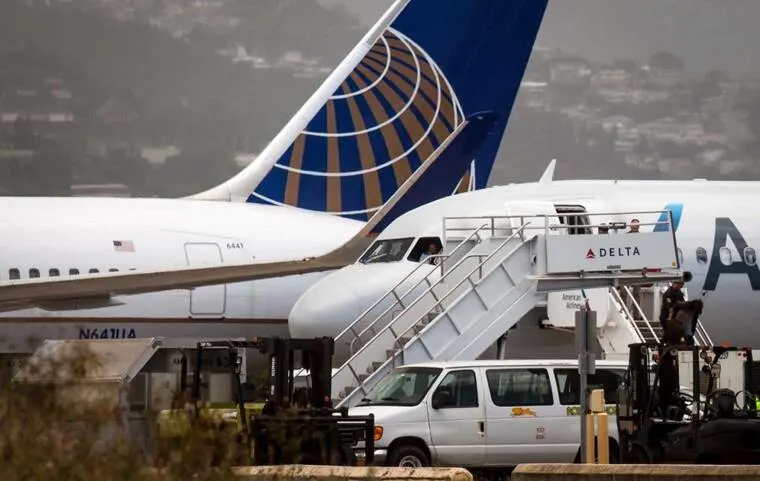
American and United Plan Capacity Cuts Amid Fuel Cost Surge
American and United are trimming flight schedules to offset a $1 billion fuel cost spike while maintaining strong pricing power.
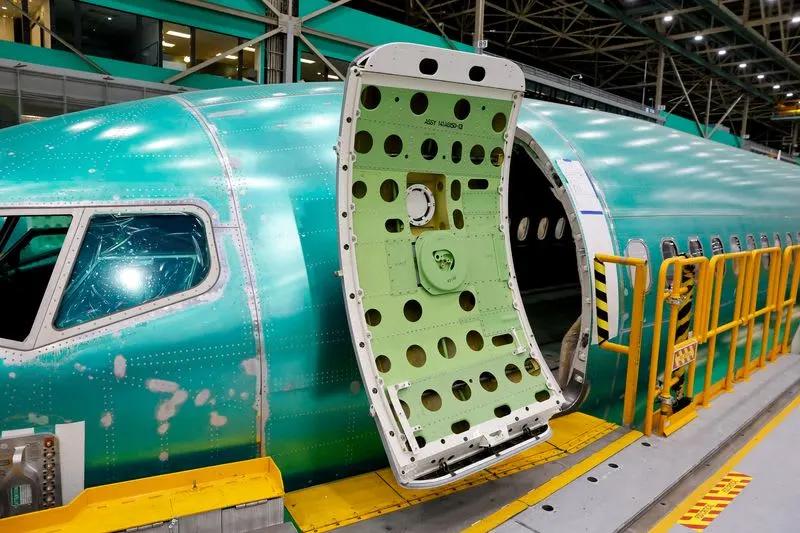
Boeing CEO Reports 737 MAX Output Stabilization Delays
Boeing CEO Kelly Ortberg reports slower 737 MAX production stabilization, prompting a downward revision in 2026 free cash flow expectations to $2 billion.
Boeing Finalizes KAL Order, Salvages Turkish Airlines Deal
Boeing secured a $36.2 billion order from Korean Air Lines for 103 aircraft and nears a resolution on a 150-jet deal with Turkish Airlines.