Airbus Proposes MRO Hub in Nigeria, Discusses C-295 Deal

Co-Founder & CEOAviation News Editor delivering trusted coverage across the global aviation industry.

Airbus proposes establishing a maintenance hub in Nigeria, part of a broader deal that includes a potential Airbus C-295 acquisition for the air force.
Key Takeaways
- •Airbus proposes a major MRO hub and aviation partnership in Nigeria.
- •Nigeria seeks to acquire Airbus C-295 tactical transport aircraft.
- •Nigeria's actual attack helicopter order is for 12 Bell AH-1Z Vipers.
- •Talks include an aviation leasing company to aid domestic carriers.
Airbus has proposed establishing a significant Maintenance, Repair, and Overhaul (MRO) facility in Nigeria, a move aimed at positioning the country as a key regional aviation hub. The proposal is part of a wider Nigeria Airbus partnership discussed between Nigerian President Bola Tinubu and an Airbus delegation, which also covered the potential Airbus C-295 acquisition to modernize the Nigerian Air Force's tactical airlift capabilities. The discussions underscore a growing trend of localizing aviation services in Africa.
During a meeting at the Africa CEO Forum in Kigali, Rwanda, President Tinubu welcomed the proposal for an aviation maintenance hub in Nigeria. According to a statement from presidential spokesperson Bayo Onanuga, the talks focused on scaling up the relationship between Nigeria and the European manufacturer. President Tinubu also stressed an urgent need for Nigeria attack helicopters to support counterterrorism operations. However, reports incorrectly stated he urged the accelerated delivery of three Airbus-made Apache helicopters. Public records confirm Nigeria has ordered 12 Bell AH-1Z Viper helicopters from the United States and 6 T129 ATAK helicopters from Turkish Aerospace Industries; the Apache is manufactured by Boeing, not Airbus.
Proposed '360-Degree Engagement'
Thierry Cloutet, Airbus's Head of Regional Business Growth for Africa and the Middle East, outlined a comprehensive “360-degree engagement” model for Nigeria. This strategic framework extends beyond simple aircraft sales to include cooperation on commercial aviation, military platforms, human capital development, sustainability initiatives, and the creation of operational hubs and maintenance infrastructure. According to Cloutet, this model is designed to support Nigeria's long-term aerospace development objectives and commend President Tinubu's economic reforms.
A key component of the discussions was the potential establishment of a national aviation leasing company. This initiative aims to unlock value within Nigeria's aviation value chain and, critically, improve financing access for domestic airlines. For the country's domestic carriers, this could alleviate significant capital constraints that have historically hindered fleet renewal and expansion. The proposal also explored various financing models, including export credit arrangements and sale-and-lease-back structures, to make modern aircraft more accessible.
Correcting the Record: Nigeria's Helicopter Fleet
While President Tinubu emphasized his priority is to acquire attack helicopters that can “confront and overwhelm terrorists,” the specific aircraft mentioned in initial reports were inaccurate. The primary order for Nigeria's next-generation attack helicopter fleet is a $455 million contract for 12 Bell AH-1Z Viper helicopters, a deal managed under the U.S. Foreign Military Sales (FMS) program. The U.S. Defense Security Cooperation Agency (DSCA) oversees this process, which governs the export and delivery timelines of American-made military hardware.
This procurement is part of a broader military modernization effort. The Nigerian Air Force (NAF) is also acquiring six T129 ATAK helicopters from Turkish Aerospace Industries. These confirmed orders are central to Nigeria's strategy to enhance its close air support and counter-insurgency capabilities. The confusion highlights the complexity of international defense procurement and the distinct manufacturing origins of various military platforms.
Context and Precedent
The proposed partnership aligns with established industry trends. The push for a local MRO facility reflects a continent-wide effort to reduce capital flight and operational downtime associated with servicing aircraft overseas, a pattern seen in Airbus's successful establishment of a regional hub in Malaysia starting in 2014. That facility in Sepang has become a vital center for both military and civil aircraft maintenance in its region.
On the military side, Nigeria's procurement strategy follows a precedent set by its acquisition of 12 A-29 Super Tucano aircraft between 2017 and 2021. That U.S.-approved purchase was also aimed at bolstering counter-insurgency operations and required significant investment in local training and support infrastructure, much like the current helicopter and potential C-295 acquisitions will demand.
Airbus C295 vs Leonardo C-27J Spartan: Key Specifications
The Nigerian Air Force's interest in the Airbus C295 places it among the world's leading modern tactical transports. A delegation from the NAF visited Airbus facilities in Spain in March 2026 to evaluate the platform. The Airbus C295 is often compared to competitors like the Leonardo C-27J Spartan.
| Metric | Airbus C295 | Leonardo C-27J Spartan |
|---|---|---|
| Maximum Payload | 9.25 tonnes | 11.5 tonnes |
| Troop Capacity | up to 71 troops | up to 60 troops |
| Role | Tactical transport/maritime patrol | Tactical transport |
Technical Analysis
The discussions between Nigeria and Airbus signal a strategic convergence of interests that reflects broader continental trends. For Nigeria, this partnership represents a multi-faceted approach to building sovereign aerospace capability. Establishing a domestic MRO hub addresses a long-standing structural weakness in African aviation, potentially capturing billions of dollars in maintenance spending that currently flows offshore. Simultaneously, the modernization of its military airlift and attack capabilities with platforms like the C295 and AH-1Z Viper is a direct response to persistent internal security challenges. This follows the historical pattern of the A-29 Super Tucano acquisition, which demonstrated the effectiveness of modern air assets in counter-insurgency.
For Airbus, this '360-degree' proposal is a strategic play to embed itself deeply within one of Africa's largest economies. By offering a holistic package that includes commercial, military, training, and infrastructure components, Airbus moves beyond a transactional sales relationship to become a long-term developmental partner. This strategy not only secures potential orders for platforms like the C295 but also builds a foundation for future commercial sales and service revenue, solidifying its market position against competitors across the continent.
What Comes Next
Several key milestones are on the horizon for Nigeria's aviation and defense sectors. The delivery of the 12 Bell AH-1Z Viper attack helicopters is a confirmed milestone, with the U.S. Department of Defense and Bell Textron targeting July 2028 for completion. Separately, the formalization of a procurement contract for the Airbus C295 is expected by late 2026, pending final negotiations between the Nigerian Ministry of Defence and Airbus. The timeline for the establishment of the proposed Airbus MRO and hangar facilities remains to be determined and is currently subject to further discussions between the Nigerian government and the manufacturer.
Why This Matters
This potential partnership between Nigeria and Airbus marks a pivotal moment for West African aviation. If realized, the creation of a major MRO hub would significantly enhance Nigeria’s aerospace self-sufficiency and establish it as a regional leader in aviation services. For the military, the fleet modernization provides critical tools for national security, while the proposed leasing company could catalyze growth for the nation's constrained commercial airlines.
Frequently Asked Questions
- What is the Airbus '360-degree engagement' proposed for Nigeria?
- It is a comprehensive partnership model proposed by Airbus that covers commercial aviation, military aircraft cooperation, human capital development, sustainability initiatives, and the establishment of local operational hubs and maintenance infrastructure.
- What attack helicopters has Nigeria actually ordered?
- Nigeria has ordered twelve Bell AH-1Z Viper attack helicopters from the United States under a $455 million contract and six T129 ATAK helicopters from Turkish Aerospace Industries. The country has not ordered Boeing Apache helicopters, contrary to some initial reports.
- Why does Nigeria want to acquire the Airbus C-295?
- The Nigerian Air Force is considering the Airbus C-295 to modernize its tactical airlift fleet. The aircraft is a versatile platform suitable for troop transport, logistics, and counter-insurgency operations, aligning with Nigeria's current security priorities.
Access up-to-date commercial aviation news and airline industry developments via omniflights.com. Discover how innovation is shaping aviation through aircraft systems, avionics, and digital tools at omniflights.com/technology.
Written by Hardik Vishwakarma
Co-Founder & Aviation News Editor leading initiatives that improve trust and visibility across the global aviation industry. Covers airlines, airports, safety, and emerging technology.
Visit ProfileYou Might Also Like
Discover more aviation news based on similar topics
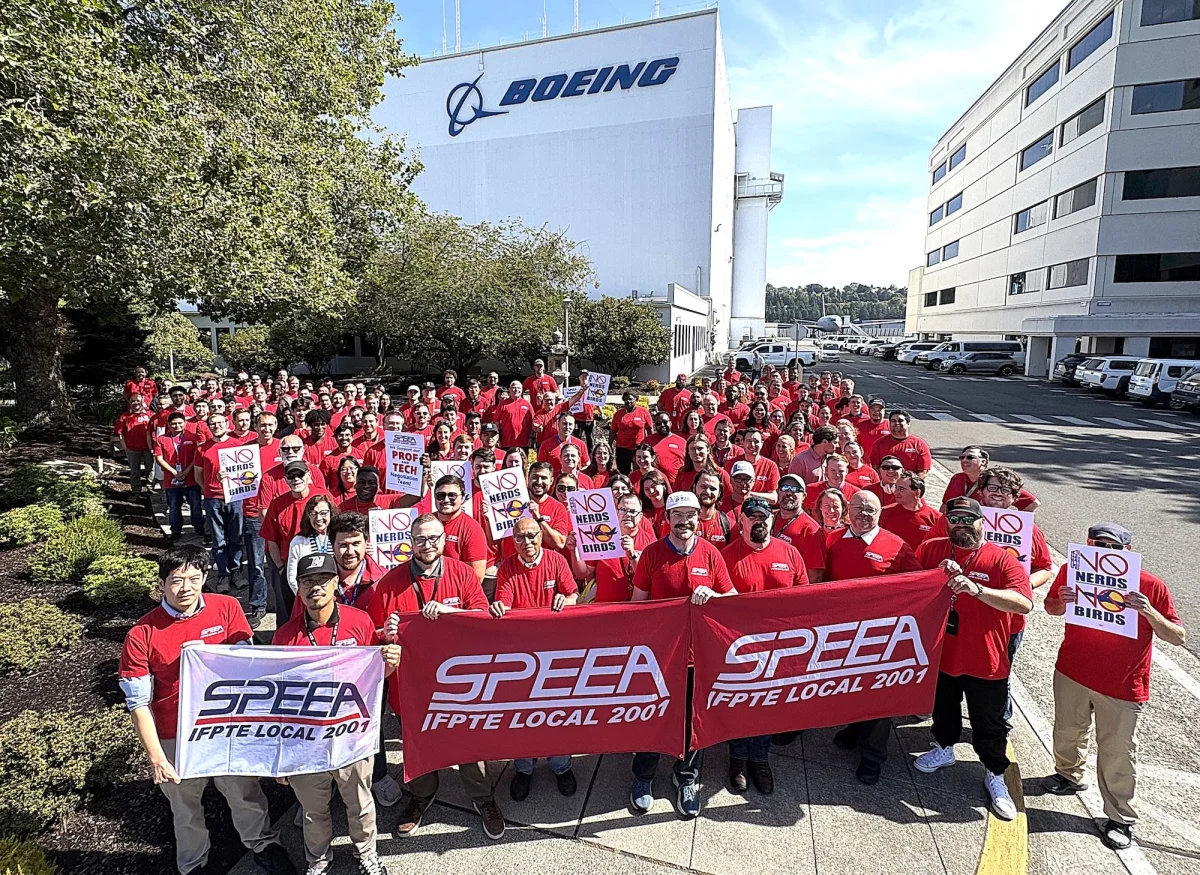
Boeing Tightens Spending Ahead of Critical SPEEA Union Vote
Boeing has implemented spending controls and a hiring freeze as it faces a critical contract ratification vote with its 17,000-member engineering union.

Boeing CEO Kelly Ortberg Warns of 777X Certification Delay
Boeing CEO Kelly Ortberg warned that a potential strike by 17,000 engineers would immediately halt the 777X certification and production programs.
American and United Plan Capacity Cuts Amid Fuel Cost Surge
American and United are trimming flight schedules to offset a $1 billion fuel cost spike while maintaining strong pricing power.
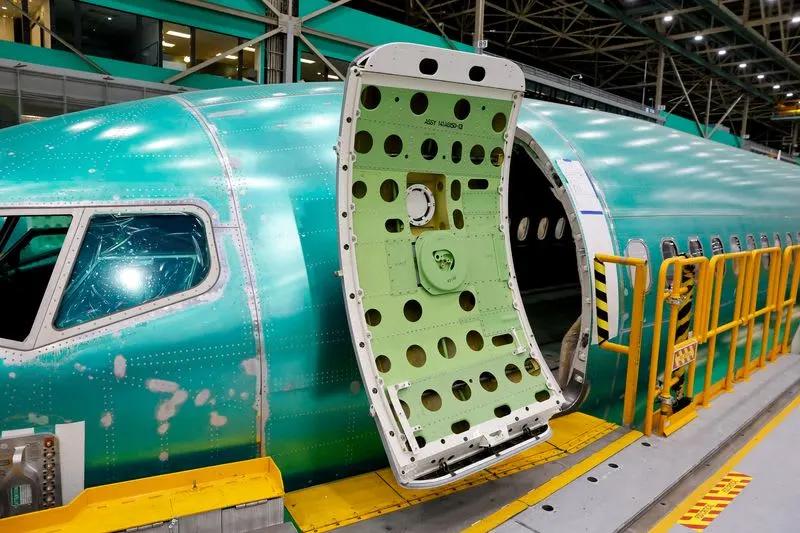
Boeing CEO Reports 737 MAX Output Stabilization Delays
Boeing CEO Kelly Ortberg reports slower 737 MAX production stabilization, prompting a downward revision in 2026 free cash flow expectations to $2 billion.
Boeing Finalizes KAL Order, Salvages Turkish Airlines Deal
Boeing secured a $36.2 billion order from Korean Air Lines for 103 aircraft and nears a resolution on a 150-jet deal with Turkish Airlines.
Airbus Forecasts 42,000 New Jets Amid Strong Global Demand
Airbus expects 42,000 new aircraft deliveries globally by 2045, with 45% of demand concentrated in the Asia-Pacific region.