FlyDubai Orders 150 A321neos, Ends Boeing Exclusivity

Co-Founder & CEOAviation News Editor delivering trusted coverage across the global aviation industry.

FlyDubai ordered 150 Airbus A321neos, ending its all-Boeing fleet due to ongoing Boeing 737 MAX production and delivery delays.
Key Takeaways
- •FlyDubai orders 150 Airbus A321neos, ending 15 years of exclusivity.
- •Boeing prioritizes 737 MAX production stability over new sales.
- •Order highlights impact of aviation delivery delays on fleet strategy.
- •Airbus A321neo continues to dominate the middle-of-market segment.
In a significant shift in fleet strategy, FlyDubai has placed a firm order for 150 Airbus A321neo family aircraft, breaking its 15-year history as an exclusive Boeing operator. The decision underscores the intense pressure on Boeing 737 MAX production and the competitive advantage Airbus holds due to persistent aviation delivery delays from its U.S. rival. This move highlights a broader industry trend where delivery certainty is increasingly prioritized over historical manufacturer loyalty.
The order represents a major strategic loss for Boeing in the Middle East and a substantial win for Airbus in the highly competitive narrowbody aircraft market. According to a statement from FlyDubai CEO Ghaith Al Ghaith, the "unpredictability of the aircraft delivery schedules from Boeing over the past few years has put significant pressure on the carrier." Boeing, meanwhile, has publicly shifted its focus from securing new deals to stabilizing its production lines and improving its Quality Management System (QMS), which has been under intense scrutiny from the FAA (Federal Aviation Administration).
Background and Regulatory Pressure
Boeing's manufacturing challenges have been well-documented. Following a series of high-profile quality issues, the FAA capped the company's 737 MAX production at 38 aircraft per month in 2024. According to the FAA's public statements, this cap has since transitioned to a performance-based model, where any increase in production rate is contingent upon Boeing meeting stringent safety and quality metrics. The company is currently targeting a stabilized rate of 47 aircraft per month by the summer of 2026, but this goal remains subject to regulatory approval.
These production constraints, coupled with resolved but impactful labor negotiations with the International Association of Machinists and Aerospace Workers (IAM), have forced Boeing to prioritize factory health over market share battles. While the manufacturer has a formidable 737 MAX backlog of approximately 4,800 aircraft, its inability to meet delivery timelines has created opportunities for Airbus. FlyDubai's decision to diversify its fleet, which currently consists of 97 Boeing 737 aircraft, is a direct consequence of this operational reality.
Industry Context and Precedents
The erosion of single-manufacturer fleet strategies is an accelerating industry trend. Airlines are increasingly seeking to mitigate risks associated with over-reliance on one supplier. This move by FlyDubai mirrors historical precedents where production issues at one manufacturer prompted loyal customers to look elsewhere.
In 2013, Japan Airlines (JAL) broke a decades-long Boeing monopoly by ordering 31 Airbus A350s, a decision influenced by significant delays in the Boeing 787 program. Similarly, in 2021, Australian carrier Qantas selected the Airbus A321XLR and A220 to replace its aging domestic fleet of Boeing 737-800s, citing the superior range and capabilities of the Airbus offerings. These events, like the FlyDubai order, demonstrate that operational needs and aircraft performance can override long-standing commercial relationships.
Airbus A321neo vs. Boeing 737 MAX 10: Key Specifications
The A321neo, part of Airbus's New Engine Option (NEO) family, has established a dominant position in the middle-of-the-market segment. Its capabilities, particularly in range and seating capacity, have left Boeing's competing 737 MAX 10 at a disadvantage.
| Metric | Airbus A321neo | Boeing 737 MAX 10 |
|---|---|---|
| Maximum Seating | 244 passengers | 230 passengers |
| Maximum Range | Up to 4,000 nm | 3,100 nm |
Stakeholder and Market Impact
FlyDubai's transition to a dual-fleet model will have significant operational and financial consequences. The airline will face high costs associated with introducing a new aircraft type, including investment in pilot training programs, full-flight simulators, and new maintenance infrastructure. This marks an end to the cost efficiencies the carrier enjoyed with its single-type Boeing fleet.
For engine manufacturer CFM International, the impact is mixed. While its LEAP-1B engine is the exclusive powerplant for the 737 MAX, the A321neo offers a choice between the CFM LEAP-1A and the Pratt & Whitney PW1100G. This introduces competition that could affect CFM's market share on the order. Conversely, for Boeing's workforce in Renton, the focus on a stable, rather than accelerated, production rate may reduce mandatory overtime and allow for a greater focus on quality adherence.
Aerospace financial analysts have offered differing views. Some see Boeing's willingness to lose the order as a sign of necessary financial discipline, prioritizing long-term stability over short-term market share. Others view it as a strategic failure stemming from years of underinvestment in a true successor to the Boeing 757, leaving a critical market segment open to Airbus. The latest Airbus Orders and Deliveries data confirms the A321neo's continued market success.
What Comes Next
Looking ahead, several key milestones will shape this new competitive landscape. Boeing is expected to reach its target production rate of 47 737 MAX aircraft per month by mid-2026, pending FAA validation of its quality improvements. For FlyDubai, the fleet transition will be a multi-year process, with the first Airbus A321neo confirmed for delivery in 2031.
Why This Matters
This development is more than a single lost order; it is a clear signal that in the current aerospace environment, production reliability and delivery certainty are paramount. For airlines, the decision by a major all-Boeing carrier to diversify serves as a powerful case study in supply chain risk management. For the manufacturing duopoly, it solidifies Airbus's dominance in the lucrative single-aisle market and underscores the long road ahead for Boeing as it works to rebuild its operational foundation and regain customer trust.
Frequently Asked Questions
- Why did FlyDubai order Airbus jets for the first time?
- FlyDubai ordered 150 Airbus A321neo aircraft due to persistent production and delivery delays from Boeing for its 737 MAX jets. The airline cited the unpredictability of Boeing's delivery schedules as a key factor in its decision to diversify its historically all-Boeing fleet.
- What is Boeing's current 737 MAX production target?
- Boeing is targeting a stabilized production rate of 47 Boeing 737 MAX aircraft per month by the summer of 2026. This target is subject to approval from the Federal Aviation Administration (FAA), which is overseeing the company's quality improvements on a performance-based model.
- How does the Airbus A321neo compare to the Boeing 737 MAX 10?
- The Airbus A321neo has an advantage in both seating capacity and range. It can seat up to 244 passengers and has a maximum range of up to 4,000 nautical miles, compared to the Boeing 737 MAX 10's capacity of 230 passengers and range of 3,100 nautical miles.
For global airline trends and commercial aviation news, turn to omniflights.com. Stay informed on aviation incidents, investigations, and best practices in the Safety category at omniflights.com/safety.
Written by Hardik Vishwakarma
Co-Founder & Aviation News Editor leading initiatives that improve trust and visibility across the global aviation industry. Covers airlines, airports, safety, and emerging technology.
Visit ProfileYou Might Also Like
Discover more aviation news based on similar topics
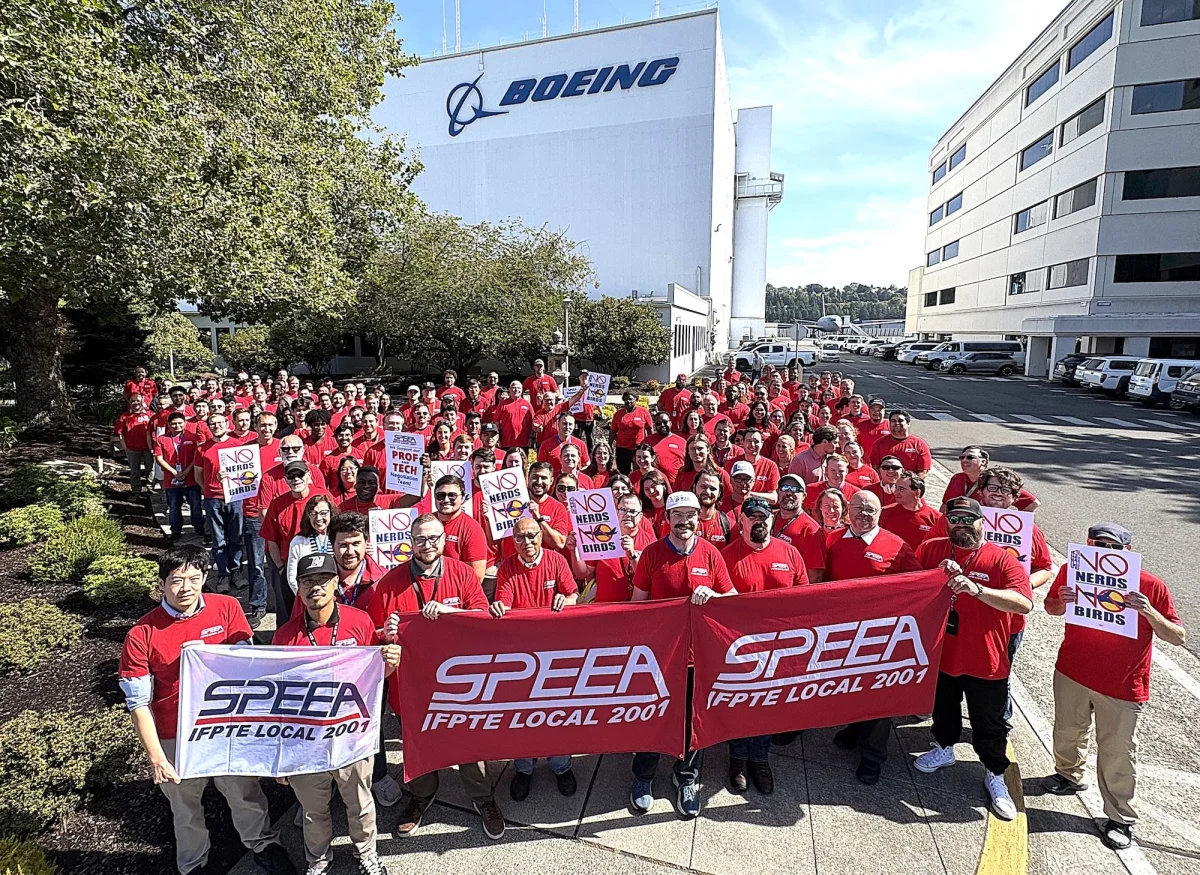
Boeing Tightens Spending Ahead of Critical SPEEA Union Vote
Boeing has implemented spending controls and a hiring freeze as it faces a critical contract ratification vote with its 17,000-member engineering union.

Boeing CEO Kelly Ortberg Warns of 777X Certification Delay
Boeing CEO Kelly Ortberg warned that a potential strike by 17,000 engineers would immediately halt the 777X certification and production programs.
American and United Plan Capacity Cuts Amid Fuel Cost Surge
American and United are trimming flight schedules to offset a $1 billion fuel cost spike while maintaining strong pricing power.
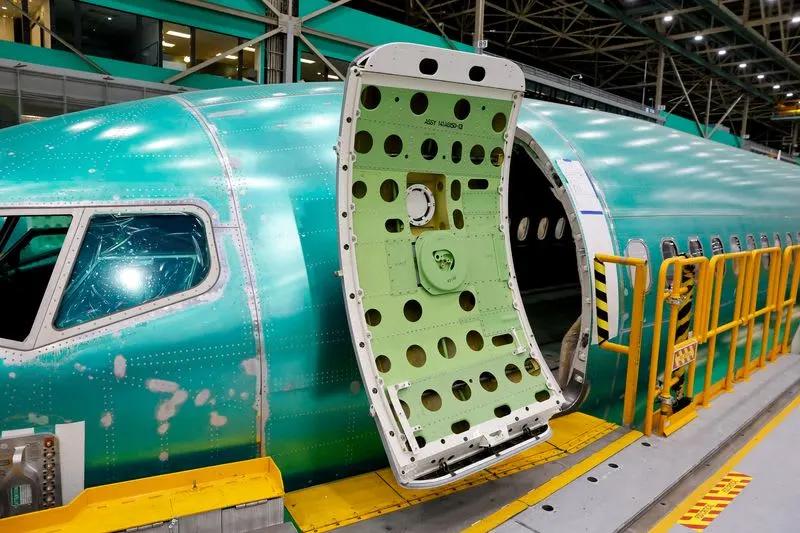
Boeing CEO Reports 737 MAX Output Stabilization Delays
Boeing CEO Kelly Ortberg reports slower 737 MAX production stabilization, prompting a downward revision in 2026 free cash flow expectations to $2 billion.
Boeing Finalizes KAL Order, Salvages Turkish Airlines Deal
Boeing secured a $36.2 billion order from Korean Air Lines for 103 aircraft and nears a resolution on a 150-jet deal with Turkish Airlines.
Airbus Forecasts 42,000 New Jets Amid Strong Global Demand
Airbus expects 42,000 new aircraft deliveries globally by 2045, with 45% of demand concentrated in the Asia-Pacific region.