United, JetBlue Hike Bag Fees as Mideast Crisis Spikes Fuel

Co-Founder & CEOAviation News Editor delivering trusted coverage across the global aviation industry.
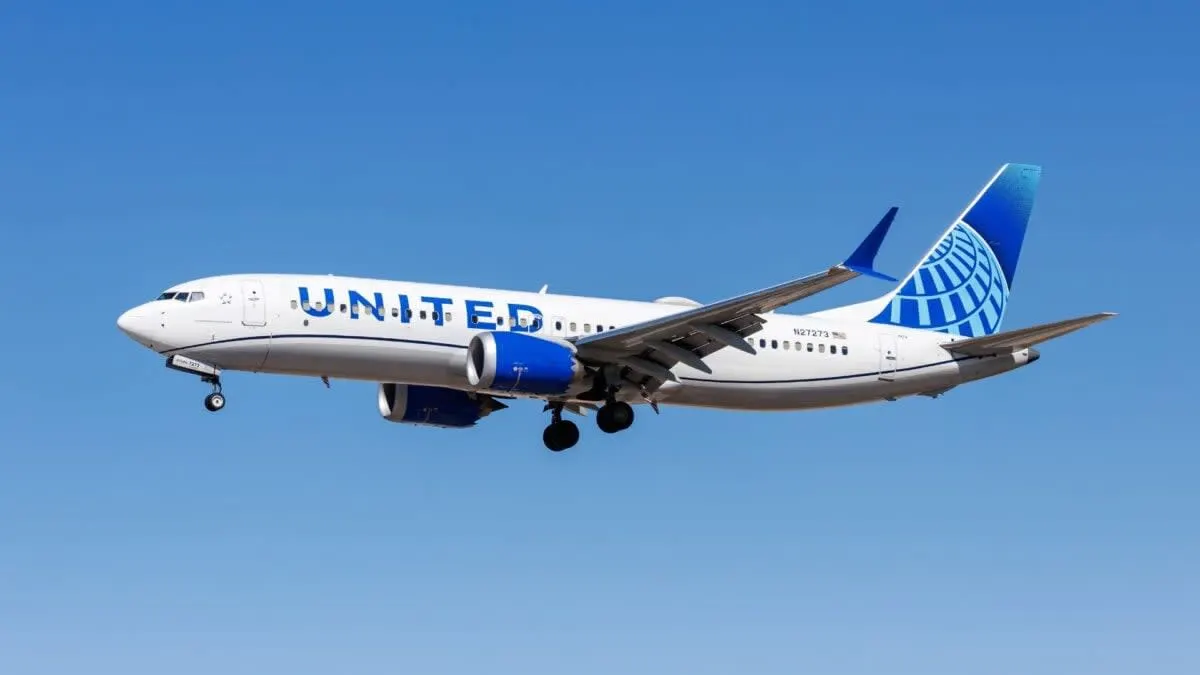
United and JetBlue are raising baggage fees by up to $10 as soaring jet fuel prices, driven by Middle East conflict, add millions to operating costs.
Key Takeaways
- •Hike first checked bag fees to as much as $50 at United and $49 at JetBlue.
- •Cite an 85% surge in jet fuel prices to $4.88 per gallon amid Middle East conflict.
- •Follow a historical pattern of raising ancillary fees instead of base airfares.
- •Increase the value proposition of co-branded credit cards that waive bag fees.
United Airlines and JetBlue have announced significant increases to their checked baggage fees, a direct response to soaring jet fuel prices stemming from the geopolitical conflict that began in the Middle East on February 28, 2026. The move signals a new wave of cost-cutting measures that directly impact consumers, with jet fuel prices reaching their highest levels in years.
The fee hikes underscore how quickly international instability can translate into higher travel costs. For passengers, particularly those in economy class without elite status or a co-branded credit card, the total price of air travel is rising even as airlines attempt to keep base fares competitive. This strategy of unbundling services and raising ancillary fees is a well-established industry practice for managing volatile operating expenses like fuel.
The Fee Increases in Detail
United Airlines has raised its fee for the first checked bag by $10, bringing the cost to $45 if prepaid online or $50 if paid within 24 hours of departure. The second checked bag now costs $55 when prepaid. The most substantial increase applies to a third checked bag, which jumped by $50 to a total of $200 per bag.
Following United's move, JetBlue also adjusted its fee structure, reinforcing its dynamic pricing model. According to its official baggage policy, the airline now charges $39 for the first checked bag during off-peak dates and $49 during peak travel periods. This $10 premium during holidays and summer is designed to maximize revenue when travel demand is highest.
Geopolitical Crisis Drives Fuel Costs
The primary catalyst for the fee adjustments is the dramatic surge in the cost of jet fuel. According to the Argus US Jet Fuel Index published by Airlines for America (A4A), the US airline industry trade group, the average spot price reached $4.88 per gallon on April 2, 2026. This represents an approximate 85% increase from prices before the conflict began. The disruption centers on the Strait of Hormuz, a critical chokepoint through which about 20% of the world's oil supply passes, according to the US Energy Information Administration (EIA).
United Airlines disclosed in a recent investor update that the higher fuel costs have added roughly $400 million to its operating costs since February 28. In a statement, United CEO Scott Kirby warned that oil could reach $175 a barrel and remain elevated for the foreseeable future. JetBlue echoed this sentiment, officially stating the hikes are necessary to manage rising operational expenses.
A Familiar Industry Playbook
This round of fee increases follows a familiar pattern for the US airline industry. It mirrors the events of May 2008, when a similar oil price spike prompted American Airlines to introduce the first-ever fee for a checked bag, fundamentally shifting the industry toward an ancillary revenue model. More recently, in early 2024, a series of carriers including Alaska, American, JetBlue, and United sequentially raised first-bag fees in a clear demonstration of industry fee matching.
Aviation consultant Robert Mann Jr. noted that airlines prefer raising ancillary fees over base fares to avoid the 'sticker shock' that can deter initial bookings. While some international carriers have added direct fuel surcharges, US airlines continue to favor post-booking fees. This practice, however, has drawn criticism from consumer advocacy groups, who argue it is a deceptive pricing tactic that obscures the true cost of travel and that fees rarely decrease when oil prices fall.
Impact on Travelers and Operations
The immediate impact falls on economy class leisure travelers, who now face a significant increase in total travel cost, especially for families checking multiple bags. In contrast, the fee hikes increase the value proposition for co-branded airline credit cards, such as the United Chase and JetBlue Plus cards, which typically waive the first checked bag fee for the primary cardholder.
There is also a potential operational impact. Higher checked bag costs may incentivize more passengers to bring carry-on luggage, potentially leading to longer security lines managed by the Transportation Security Administration (TSA) and increased gate-check congestion as overhead bin space becomes more scarce. This comes as recent watchdog reports have already raised concerns that the Federal Aviation Administration (FAA) lacks adequate resources to properly oversee United's operations amidst its rapid changes.
What Comes Next
The full effect of these fee increases will become clearer during the upcoming Summer 2026 peak travel period. This will be the first major test of JetBlue's dynamic peak-pricing for baggage and will reveal how consumers respond to the higher all-in cost of travel. Furthermore, the industry will be closely watching the airlines' Q2 2026 earnings reports, which are expected in July 2026. These reports will provide the first concrete data on how effectively the new ancillary revenue has offset the rise in fuel expenditures.
Why This Matters
This latest round of baggage fee hikes demonstrates the airline industry's sensitivity to global geopolitical events and its reliance on ancillary revenue to maintain profitability. For travelers, it solidifies that baggage is a premium add-on, not a standard inclusion, further segmenting the travel experience between those with elite status or co-branded credit cards and those without. The trend suggests that dynamic and rising ancillary fees are a permanent feature of the air travel landscape.
Get breaking commercial aviation news and expert airline analysis at omniflights.com. Discover how innovation is shaping aviation through aircraft systems, avionics, and digital tools at omniflights.com/technology.

Written by Hardik Vishwakarma
Co-Founder & Aviation News Editor leading initiatives that improve trust and visibility across the global aviation industry. Covers airlines, airports, safety, and emerging technology.
Visit ProfileYou Might Also Like
Discover more aviation news based on similar topics
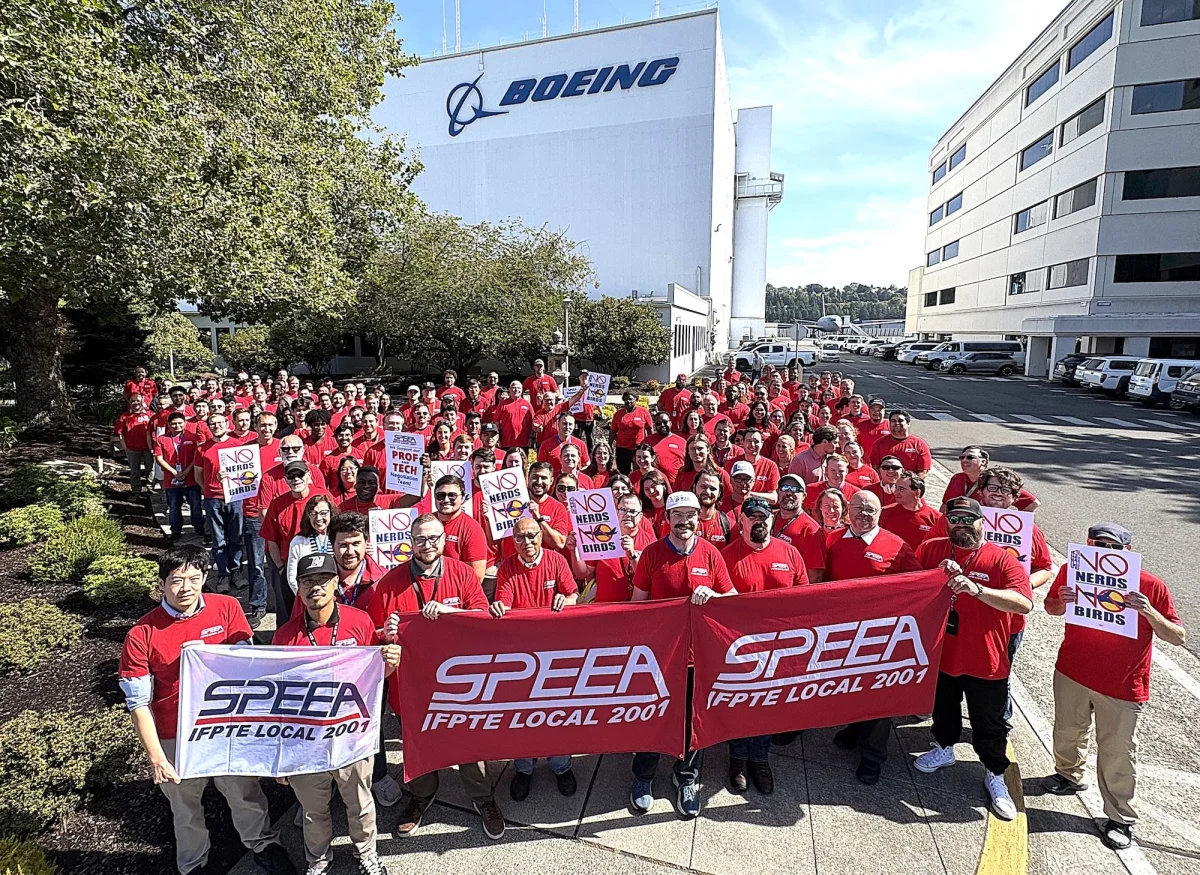
Boeing Tightens Spending Ahead of Critical SPEEA Union Vote
Boeing has implemented spending controls and a hiring freeze as it faces a critical contract ratification vote with its 17,000-member engineering union.
Boeing CEO Kelly Ortberg Warns of 777X Certification Delay
Boeing CEO Kelly Ortberg warned that a potential strike by 17,000 engineers would immediately halt the 777X certification and production programs.
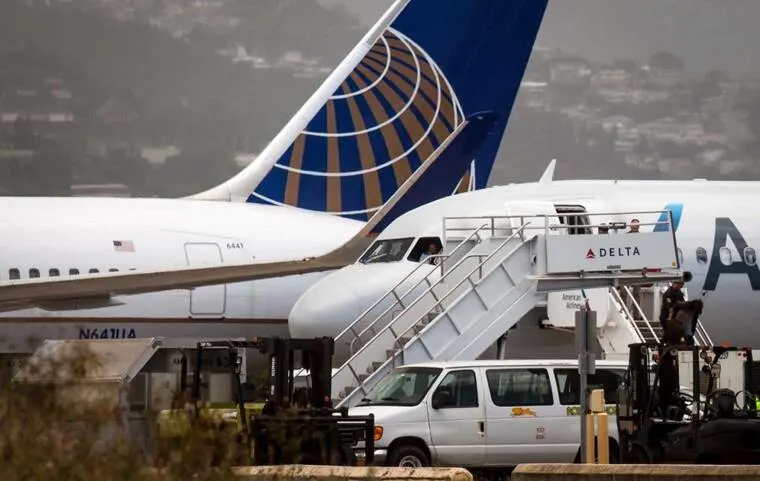
American and United Plan Capacity Cuts Amid Fuel Cost Surge
American and United are trimming flight schedules to offset a $1 billion fuel cost spike while maintaining strong pricing power.
Boeing CEO Reports 737 MAX Output Stabilization Delays
Boeing CEO Kelly Ortberg reports slower 737 MAX production stabilization, prompting a downward revision in 2026 free cash flow expectations to $2 billion.
Boeing Finalizes KAL Order, Salvages Turkish Airlines Deal
Boeing secured a $36.2 billion order from Korean Air Lines for 103 aircraft and nears a resolution on a 150-jet deal with Turkish Airlines.
Airbus Forecasts 42,000 New Jets Amid Strong Global Demand
Airbus expects 42,000 new aircraft deliveries globally by 2045, with 45% of demand concentrated in the Asia-Pacific region.