United Airlines Warns of 20% Fare Hikes Amid Surging Oil Prices

Co-Founder & CEOAviation News Editor delivering trusted coverage across the global aviation industry.
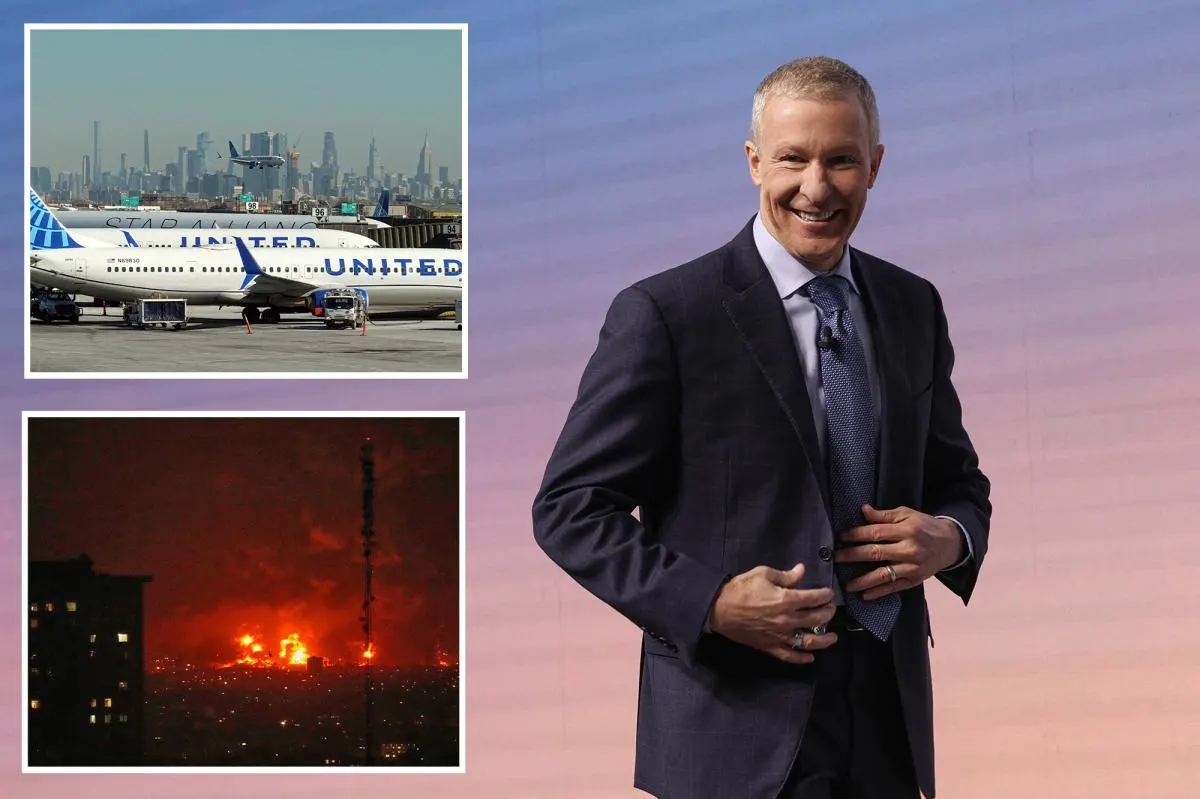
United Airlines CEO warns fares could jump 20% to cover an estimated $11 billion in added fuel costs as oil prices surge amid the Iran conflict.
Key Takeaways
- •Warns of a potential 20% fare increase to cover an estimated $11 billion in added annual fuel costs.
- •Cuts 5% of network capacity on marginal routes as jet fuel prices surge to $4.56 per gallon.
- •Operates without a major fuel hedging program, leaving it fully exposed to spot price volatility.
- •Faces a situation similar to the 1990 Gulf War, where a fuel spike led to severe airline financial distress.
United Airlines CEO Scott Kirby has warned that airfares could increase by as much as 20% if elevated oil prices persist due to the ongoing conflict in Iran. The potential fare hike is a direct response to a dramatic surge in jet fuel costs, which the airline estimates could add $11 billion to its annual operating expenses.
The warning highlights the acute financial pressure on carriers that, like most of their U.S. peers, have largely abandoned fuel hedging programs, leaving them fully exposed to spot price volatility. In an interview, Kirby stated that consumer backlash and reduced travel demand are expected if ticket prices rise to offset the new cost reality.
Fuel Costs Drive Fare Projections
The financial pressure stems from a rapid increase in the price of jet fuel. According to Argus Media Jet Fuel Index Data, the Argus U.S. Jet Fuel Index reached $4.56 per gallon by March 20, 2026, more than doubling from $2.17. This price spike is driven by the surge in crude oil, with West Texas Intermediate (WTI) benchmarks climbing amid geopolitical tensions. The Energy Information Administration (EIA), the U.S. government's statistical agency, has sharply raised its jet fuel price outlook in response.
For an airline of United's scale, this translates into a massive cost burden. An internal memo from March 2026, confirmed that United Airlines Holdings, Inc. (UAL) faces an estimated $11 billion in additional annual fuel expenses if prices remain at these levels. This has forced the airline to re-evaluate its network and pricing strategy to avoid significant losses.
Operational Response: Capacity Cuts
In an immediate response to the cost pressures, United has already begun to adjust its operations. A recent Q1 2026 trading update revealed the airline has reduced capacity by 5% on unprofitable and marginal routes. This move is designed to eliminate flights that can no longer cover their variable costs, primarily fuel.
Scott Kirby emphasized the logic behind the cuts, stating, "there's just no point in flying flights that are going to lose money that can't cover the cost of fuel." The goal is to protect the airline's Revenue per Available Seat Mile (RASM), a key industry metric for financial performance, by focusing on profitable routes. Despite the cost headwinds, the same trading update noted that booked revenue for the quarter is up over 20%, indicating strong underlying travel demand, particularly in premium cabins, which saw an 11% revenue jump last year.
Historical Context and Industry Exposure
The current situation mirrors previous geopolitical crises that have shocked the aviation industry. During the 1990 Gulf War, a similar spike in oil prices doubled jet fuel costs, contributing directly to the bankruptcy of major carriers like Eastern Air Lines and Pan Am. More recently, the 2022 Russian invasion of Ukraine sent oil past $100 per barrel, forcing widespread fare increases and complex flight rerouting. These historical precedents demonstrate how quickly geopolitical events in energy-producing regions can translate into severe financial distress for airlines.
The impact is magnified by a recent industry trend of moving away from complex fuel hedging strategies. Major U.S. carriers, including United, have opted for direct market exposure, which benefits them when prices are low but creates significant risk during price spikes. With the Middle East exporting approximately 1.1 million barrels per day of jet fuel—about 17% of global consumption according to OPIS (Oil Price Information Service)—any disruption to supply lines like the Strait of Hormuz has an immediate global effect.
Stakeholder and Passenger Impact
The consequences of sustained high fuel prices extend beyond airline balance sheets. Leisure travelers face the dual impact of 15-20% fare hikes and reduced flight availability on certain routes. For corporate travel managers and event planners, the potential 20% increase in airfare budgets presents a significant challenge. Data shows 63% of U.S. meeting planners already cite travel costs as a primary concern, and further hikes threaten conference attendance and corporate travel budgets.
While United is preparing for financial turbulence, it is also engaged in discussions with the U.S. State Department regarding potential repatriation flights for American citizens in the Gulf region, highlighting the dual commercial and strategic roles of major carriers during international crises.
What Comes Next
The industry will be closely watching for further data on the financial impact of the fuel crisis. The next major data point will be United Airlines' Q1 2026 earnings report, which is confirmed for release in April 2026. This report will provide the first clear, comprehensive look at how the surge in fuel costs has affected the airline's margins and profitability, and will likely set the tone for the rest of the industry.
Why This Matters
This development underscores the aviation industry's profound vulnerability to geopolitical events and energy market volatility. For airlines, it highlights the significant risks of operating without fuel hedges in an unstable world. For consumers and businesses, it serves as a stark reminder that the cost of air travel is directly linked to global security, with regional conflicts capable of imposing immediate and substantial price increases worldwide.
Stay ahead of the airline industry with commercial aviation news from omniflights.com. Follow aviation sustainability efforts, emissions research, and green initiatives in the Environmental section at omniflights.com/environmental.
Written by Hardik Vishwakarma
Co-Founder & Aviation News Editor leading initiatives that improve trust and visibility across the global aviation industry. Covers airlines, airports, safety, and emerging technology.
Visit ProfileYou Might Also Like
Discover more aviation news based on similar topics
Boeing Tightens Spending Ahead of Critical SPEEA Union Vote
Boeing has implemented spending controls and a hiring freeze as it faces a critical contract ratification vote with its 17,000-member engineering union.
Boeing CEO Kelly Ortberg Warns of 777X Certification Delay
Boeing CEO Kelly Ortberg warned that a potential strike by 17,000 engineers would immediately halt the 777X certification and production programs.
American and United Plan Capacity Cuts Amid Fuel Cost Surge
American and United are trimming flight schedules to offset a $1 billion fuel cost spike while maintaining strong pricing power.
Boeing CEO Reports 737 MAX Output Stabilization Delays
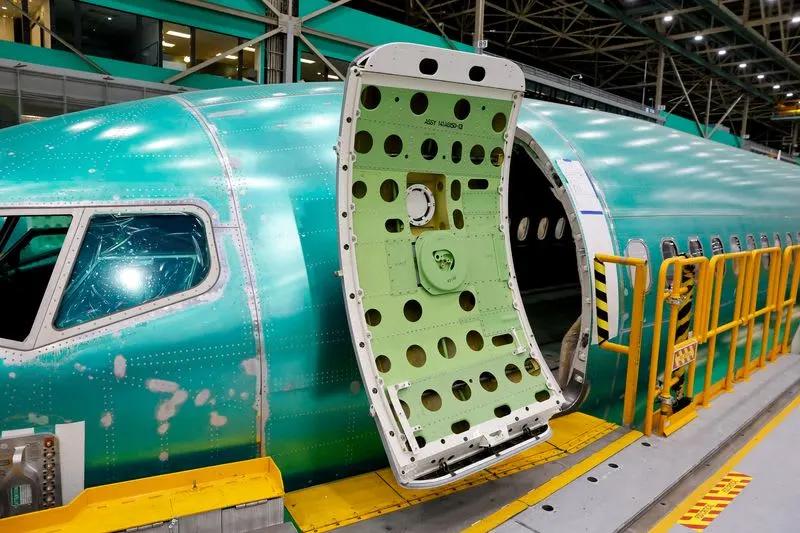
Boeing CEO Kelly Ortberg reports slower 737 MAX production stabilization, prompting a downward revision in 2026 free cash flow expectations to $2 billion.
Boeing Finalizes KAL Order, Salvages Turkish Airlines Deal
Boeing secured a $36.2 billion order from Korean Air Lines for 103 aircraft and nears a resolution on a 150-jet deal with Turkish Airlines.
Airbus Forecasts 42,000 New Jets Amid Strong Global Demand
Airbus expects 42,000 new aircraft deliveries globally by 2045, with 45% of demand concentrated in the Asia-Pacific region.