United Airlines UA858 Diverts to Tokyo After Assault

Co-Founder & CEOAviation News Editor delivering trusted coverage across the global aviation industry.
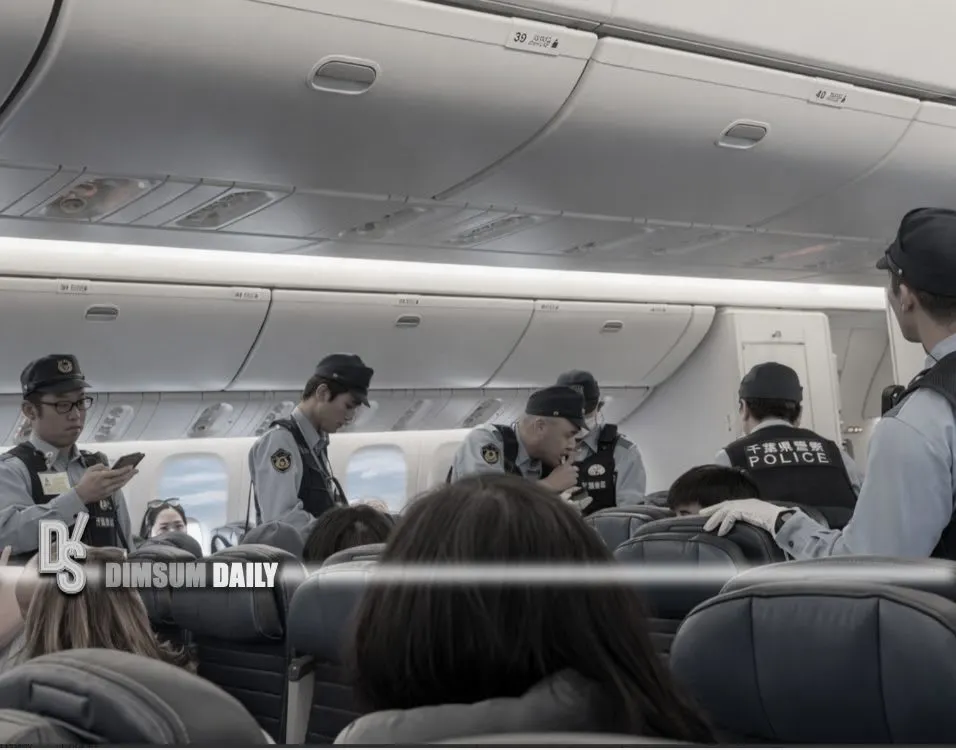
United Airlines flight UA858 diverted to Tokyo Narita after a disruptive passenger assaulted a crew member, causing a 100-minute delay.
Key Takeaways
- •United Airlines UA858 diverted to Tokyo after a passenger assaulted crew.
- •The Boeing 777-300ER jettisoned fuel to meet safety landing weight limits.
- •Passengers experienced a 100-minute delay arriving at San Francisco.
- •FAA civil penalties against the passenger are expected by Q3 2026.
United Airlines UA858 Diversion
A United Airlines flight from Shanghai to San Francisco was forced to divert to Tokyo Narita International Airport (NRT) on 24th June following a severe disturbance involving an unruly passenger. The United Airlines Flight 858 (UA858), operated by a Boeing 777-300ER, initiated the unscheduled landing after a female passenger reportedly assaulted a flight attendant. This United Airlines UA858 diversion highlights the ongoing challenges of managing mid-air security threats on long-haul routes.
Operational Impact and Fuel Dumping
The incident necessitated an emergency fuel jettison to ensure the aircraft met its Maximum Landing Weight (MLW) requirements for a safe arrival at NRT. Dumping fuel represents a significant operational cost, with estimates for this specific event ranging between $30,000 and $50,000 in lost jet fuel, alongside additional airport landing fees. For United Airlines operations, such incidents disrupt tight trans-pacific schedules, resulting in a 100-minute arrival delay at San Francisco International Airport (SFO). This delay caused secondary impacts for passengers holding domestic connections within the United States.
Regulatory and Legal Context
Upon landing in Japan, the Chiba Prefectural Police boarded the aircraft to remove the disruptive passenger. Cabin crew interference is strictly governed by 14 CFR § 121.580, a Federal Aviation Administration (FAA) regulation that prohibits passengers from assaulting, threatening, or intimidating flight crew members. The captain’s decision to divert was made in alignment with these safety mandates, which prioritize the security of the cabin environment over schedule adherence. While United Airlines maintains a strict zero-tolerance policy, some consumer travel advocates have argued that crew members may require enhanced mental health de-escalation training to better manage potential crises before they escalate to physical violence.
Technical Comparison: 777-300ER vs. A350-1000
| Metric | Boeing 777-300ER | Airbus A350-1000 |
|---|---|---|
| Range | 7,370 nmi | 8,700 nmi |
| Maximum Landing Weight (MLW) | 251,290 kg | 233,000 kg |
| Typical 2-class capacity | 396 | 350-410 |
The Rising Trend of Air Rage
This event follows a pattern of elevated air rage incidents observed globally in the post-pandemic era. Historically, similar situations have resulted in significant legal consequences for the perpetrators. For example, the October 1995 incident on a United Airlines flight established a long-standing precedent for federal prosecution of unruly passengers. More recently, the January 2024 diversion of ANA Flight 118 to Tokyo Haneda due to a physical assault on a crew member mirrors the current situation, suggesting that trans-pacific carriers face a consistent, systemic risk of such disruptions.
Potential FAA Civil Penalties
As the investigation into the conduct of the passenger proceeds, the Federal Aviation Administration is expected to review the case for potential civil penalties or federal prosecution by Q3 2026. These enforcement actions serve as a deterrent against the interference with crew duties that compromised the safety of the 24th June flight. Future regulatory steps will likely focus on the application of existing federal statutes to hold the individual accountable for the diversion and the assault.
Why This Matters for Trans-Pacific Operations
For major carriers like United Airlines, the ability to maintain a secure cabin is essential to the economics of long-haul routes. Every unscheduled diversion forces a complex recalculation of crew duty times, fuel reserves, and passenger re-accommodation. As the aviation industry continues to navigate these security challenges, the incident serves as a stark reminder of how a single disruptive act can ripple through an airline's global network, impacting operational costs and passenger reliability.
Frequently Asked Questions
- Why did United Airlines flight UA858 divert to Tokyo?
- The flight diverted to Tokyo Narita because an unruly passenger assaulted a flight attendant, creating a security disturbance that required the crew to land the aircraft.
- What is the legal consequence for interfering with flight crew?
- Under 14 CFR § 121.580, it is a federal offense to assault, threaten, or interfere with flight crew members. Disruptive passengers can face civil penalties and federal prosecution by the FAA.
For in-depth airline coverage and commercial aviation news, omniflights.com delivers timely industry insights. From aircraft production to supply chains, commercial aviation manufacturing news is covered at omniflights.com/manufacturing.
Written by Hardik Vishwakarma
Co-Founder & Aviation News Editor leading initiatives that improve trust and visibility across the global aviation industry. Covers airlines, airports, safety, and emerging technology.
Visit ProfileYou Might Also Like
Discover more aviation news based on similar topics

Families Demand DCA Midair Collision Safety Reforms
Families of 67 victims from the 2025 DCA midair collision are pressing Congress for mandatory ADS-B In technology to prevent future aviation tragedies.
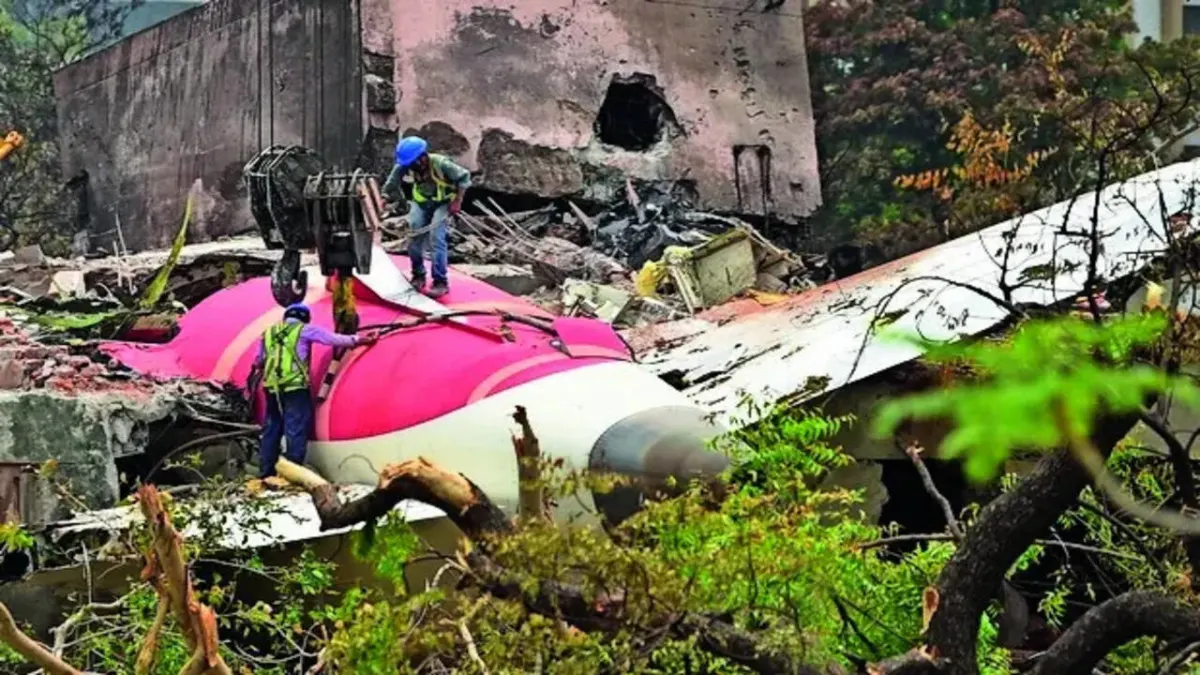
FAS Challenges AAIB Over Boeing 787 Safety Data
The Foundation for Aviation Safety is urging the AAIB to issue safety warnings for the Boeing 787 fleet following the fatal Air India 171 crash.
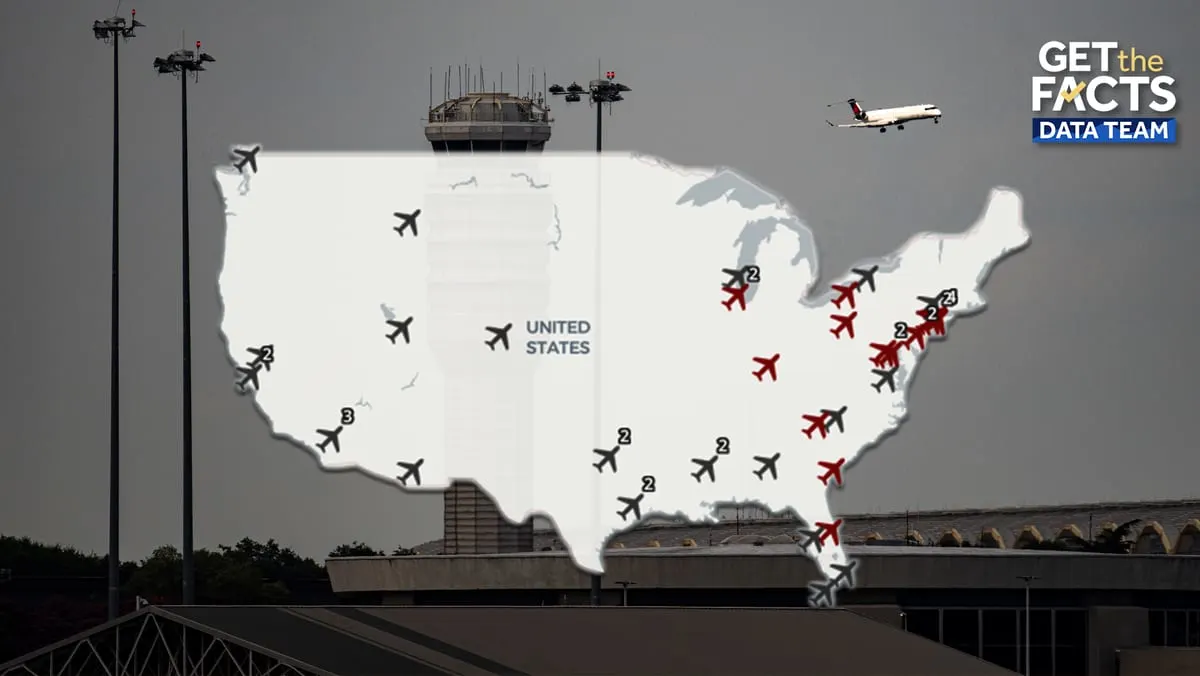
NTSB Safety Recommendations Lag Amid 6 Monthly Near-Misses
Approximately 6 near-miss incidents occur monthly at U.S. airports as 270 NTSB safety recommendations remain unaddressed by federal regulators.
NTSB Rejects FAA Safety Responses After 67-Fatality Crash
The NTSB labeled 11 FAA responses to 2025 DCA mid-air collision recommendations as unacceptable, citing the lack of a mandatory ADS-B In requirement.
EASA Orders Urgent Airbus A380 Wing Spar Inspections
The EASA ordered urgent inspections on 16 Airbus A380s after discovering wing spar cracks that could compromise structural integrity.
Ryanair Flight RK514 Diverts to Birmingham After Emergency
Ryanair flight RK514 diverted to Birmingham Airport on September 13, 2026, following a medical emergency involving a passenger.