United Airlines Introduces Tiered Premium Fares for Long-Haul Routes

Co-Founder & CEOAviation News Editor delivering trusted coverage across the global aviation industry.
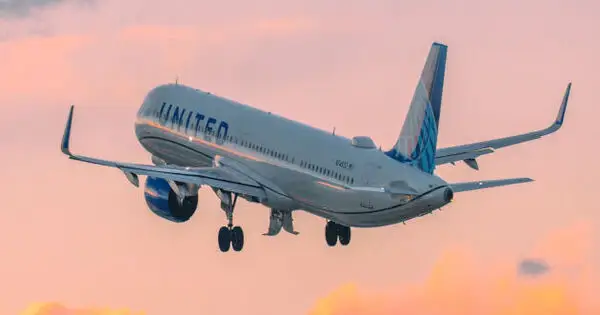
United Airlines introduced a new tiered pricing structure for premium cabins, offering base, standard, and flexible fares on long-haul and domestic routes.
Key Takeaways
- •Introduces three new premium fare tiers: Base, Standard, and Flexible.
- •Removes Polaris Lounge access and a second free checked bag from the 'Base' Polaris fare.
- •Targets long-haul international, transcontinental, and select Hawaii routes starting April 2026.
- •Aligns with an industry trend of unbundling services to increase ancillary revenue.
CHICAGO, Illinois – United Airlines has announced it will introduce a new tiered pricing structure for its premium cabins, a move that unbundles services for business class travelers on long-haul international and select domestic routes. The change, announced on April 3, introduces Base, Standard, and Flexible fare categories for its Polaris and Premium Plus cabins.
The new fare system mirrors the tiered model already in place for United's economy cabins, signaling a strategic extension of ancillary revenue models to the front of the aircraft. The rollout is scheduled to begin in select markets in April 2026, with a broader expansion planned for later in the year. Affected routes include long-haul international flights, transcontinental U.S. services, and some flights to Hawaii.
Under the new structure, the Base fare will provide the lowest price point but will strip away amenities traditionally included in a premium ticket. According to United's April 3, 2026 press release, Polaris passengers on a Base fare will lose access to the exclusive Polaris Lounge, receive only one free checked bag instead of two, and will not have free seat selection. Standard fares will include these perks, while the Flexible option adds full refundability.
"These new tiered options give customers more choice and make it easier to find a fare that includes the benefits they want most, whether that's a great value, added perks, or maximum flexibility," said Andrew Nocella, United's Chief Commercial Officer.
Industry Impact and Revenue Strategy
This initiative reflects a significant post-Coronavirus Disease 2019 (COVID-19) industry trend where major carriers are increasingly focused on maximizing revenue from premium travelers. United's 2025 earnings report shows that premium revenue was up 11% for the full year, highlighting the importance of this customer segment. The unbundling strategy allows the airline to capture a wider spectrum of travelers, from cost-conscious leisure passengers willing to forgo perks for a lie-flat seat to corporate clients who require full flexibility.
Industry analysts note this move effectively introduces 'basic economy' restrictions to business class. The decision aligns with United's broader strategy to upgrade its cabin experience while navigating significant cost pressures. A March 2026 investor update from the airline noted expectations that oil prices could remain above US$100 a barrel through 2027. By segmenting its premium fares, United can increase ancillary revenue to offset these costs. This practice must adhere to regulations from the U.S. Department of Transportation (DOT), specifically 14 CFR Part 399, which mandates clear upfront disclosure of ancillary fees.
This strategy will impact several stakeholders. Corporate travel managers may need to update their booking policies to block non-refundable Base fares, similar to how basic economy is often restricted. For cost-conscious travelers, it provides a more affordable entry into premium cabins, albeit with fewer amenities. The change may also reduce crowding in Polaris Lounges, as access becomes a paid-for or higher-tier benefit.
Context and Historical Precedents
The unbundling of premium cabins is not a new concept globally, but it marks a major shift for a U.S. legacy carrier. United joins European airlines like British Airways and Air France in offering 'basic business class' fares. In 2019, Emirates introduced 'Special' business class fares that removed chauffeur service and lounge access, proving the model's viability on international long-haul routes.
The most direct historical precedent is the introduction of Basic Economy by U.S. carriers between 2012 and 2017. That initiative, which restricted seat selection, baggage, and changes, became a highly profitable and permanent feature. United's new premium tiering applies the exact same unbundling logic to its most expensive seats, demonstrating confidence that premium passengers will also accept a trade-off between price and perks.
What Comes Next
According to United Airlines, the initial rollout of its tiered premium fares is confirmed for select markets starting in April 2026. A broader expansion to additional long-haul international, transcontinental, and Hawaii routes is planned for late 2026. The airline has indicated the new fare categories will gradually be extended to more routes over the course of the year.
Why This Matters
This development signals the evolution of airline ticket pricing, effectively ending the era of the all-inclusive business class fare as the default standard in the U.S. market. By unbundling its premium product, United can better compete with budget carriers on price while simultaneously creating new opportunities for ancillary revenue from high-yield passengers. For travelers, it introduces more complexity but also more choice, allowing them to pay only for the premium services they value most.
omniflights.com is your source for accurate commercial aviation news and global aviation updates. Discover how innovation is shaping aviation through aircraft systems, avionics, and digital tools at omniflights.com/technology.

Written by Hardik Vishwakarma
Co-Founder & Aviation News Editor leading initiatives that improve trust and visibility across the global aviation industry. Covers airlines, airports, safety, and emerging technology.
Visit ProfileYou Might Also Like
Discover more aviation news based on similar topics
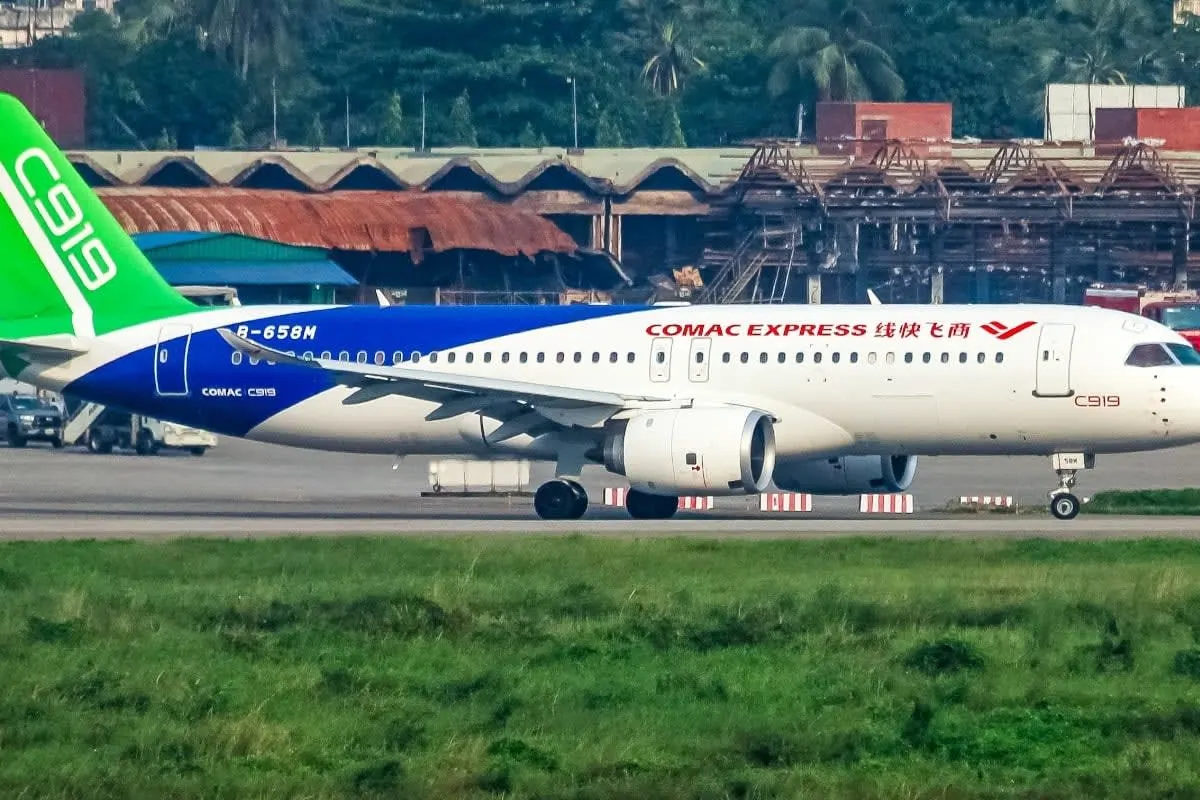
US Slows Aircraft-Part Exports to China Amid Trade Truce
The US is slowing export licenses for aircraft parts to China, using aviation dependencies as leverage in ongoing trade negotiations.
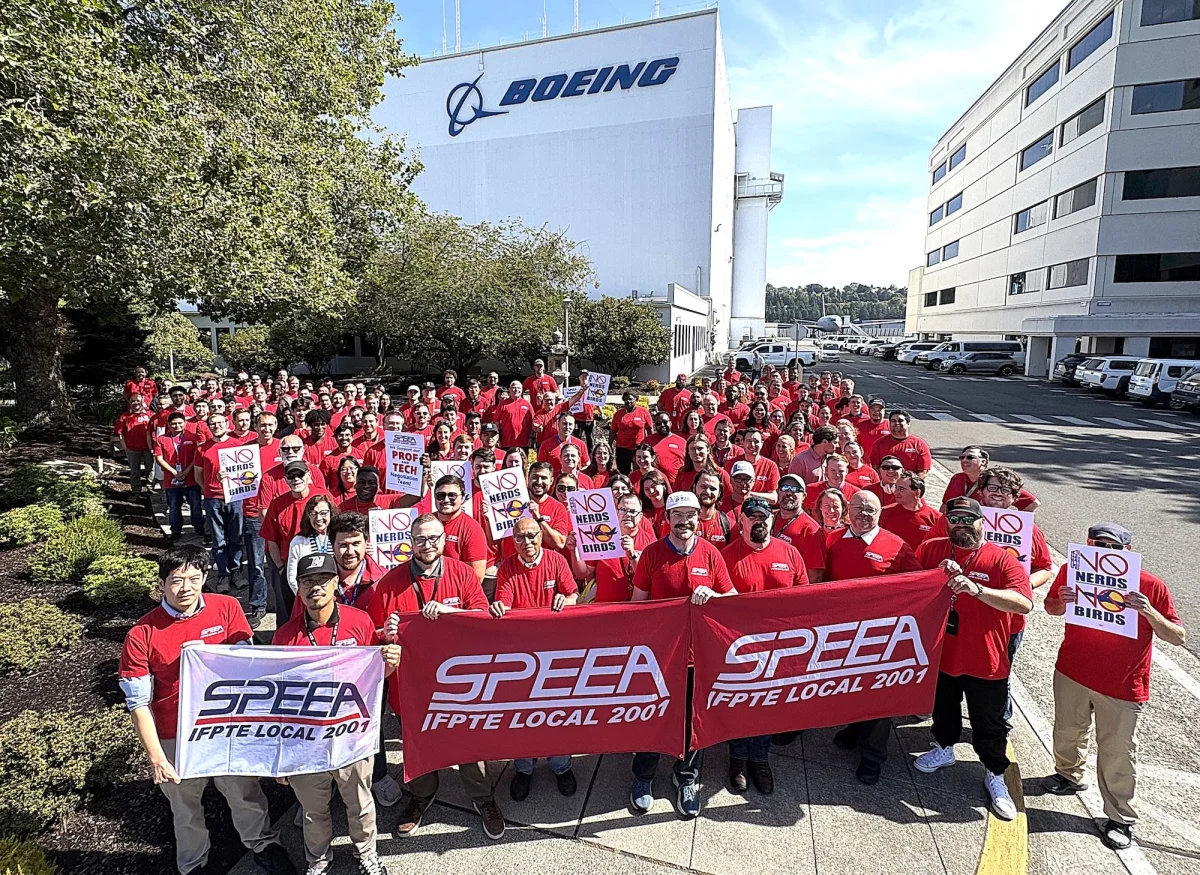
Boeing Tightens Spending Ahead of Critical SPEEA Union Vote
Boeing has implemented spending controls and a hiring freeze as it faces a critical contract ratification vote with its 17,000-member engineering union.
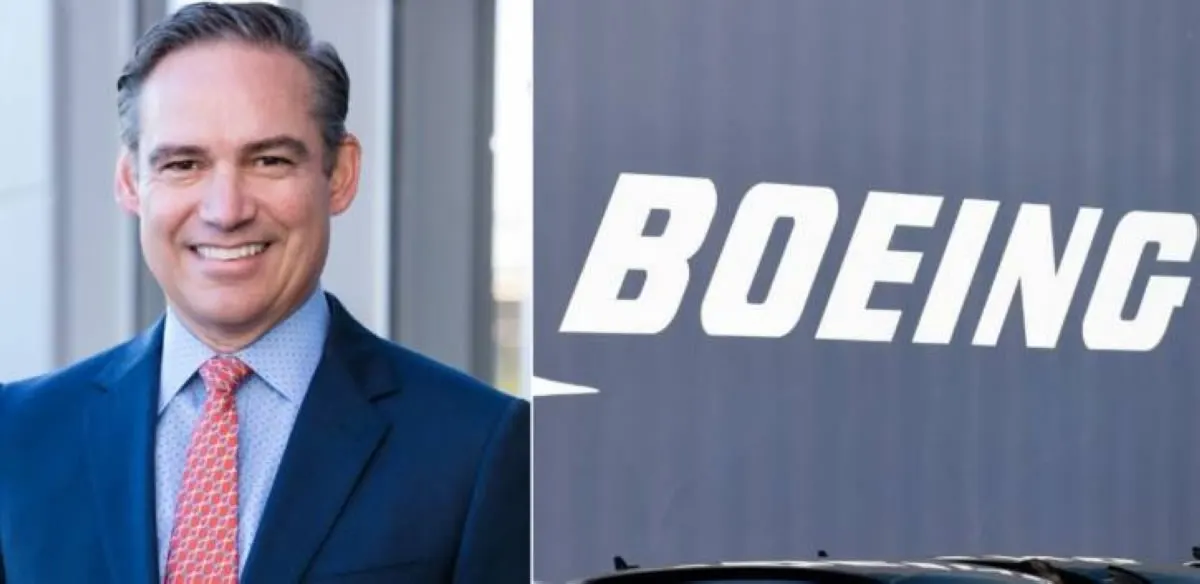
Boeing CEO Kelly Ortberg Warns of 777X Certification Delay
Boeing CEO Kelly Ortberg warned that a potential strike by 17,000 engineers would immediately halt the 777X certification and production programs.
American and United Plan Capacity Cuts Amid Fuel Cost Surge
American and United are trimming flight schedules to offset a $1 billion fuel cost spike while maintaining strong pricing power.
Boeing CEO Reports 737 MAX Output Stabilization Delays
Boeing CEO Kelly Ortberg reports slower 737 MAX production stabilization, prompting a downward revision in 2026 free cash flow expectations to $2 billion.
Boeing Finalizes KAL Order, Salvages Turkish Airlines Deal
Boeing secured a $36.2 billion order from Korean Air Lines for 103 aircraft and nears a resolution on a 150-jet deal with Turkish Airlines.