United Airlines Denies Boarding After Missed Check-In

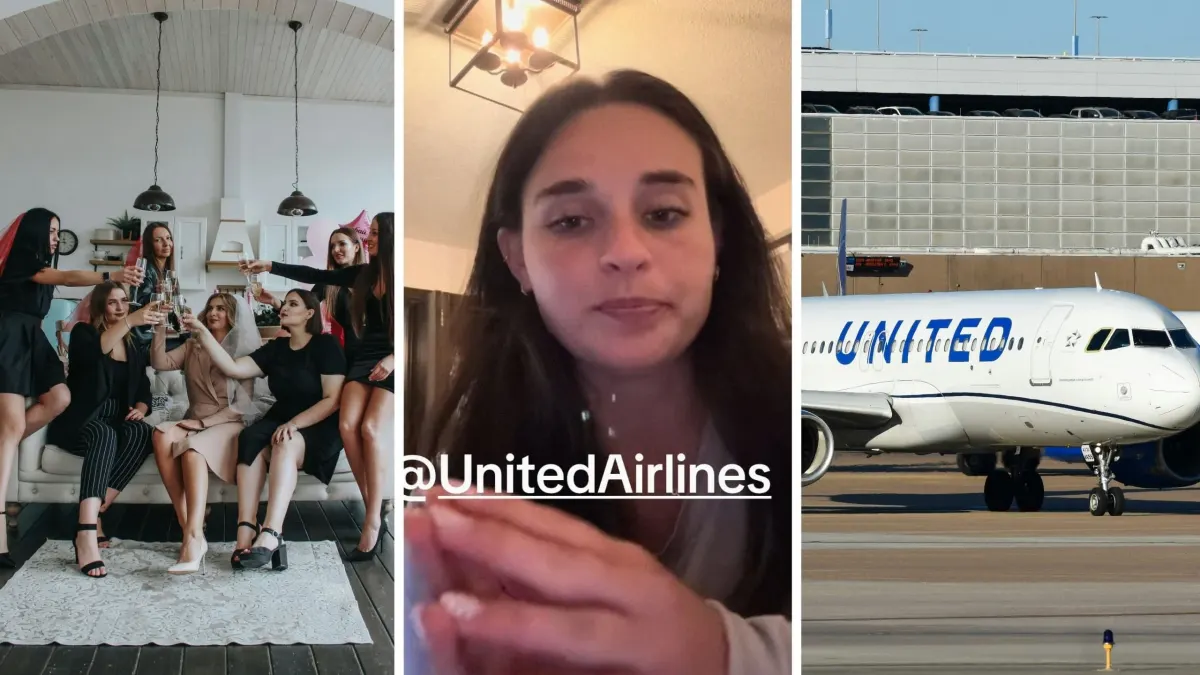
A wedding party was denied boarding on a United Airlines flight from Nassau to Chicago after missing the carrier's strict international check-in cutoff.
Key Takeaways
- •United Airlines denied boarding to passengers missing the original check-in window.
- •International check-in cutoffs remain firm even during flight delays.
- •Affected passengers received a $100 voucher and hotel expense refunds.
- •The incident gained over 439,000 views on TikTok, highlighting customer friction.
A wedding party traveling from Lynden Pindling International Airport (NAS) in the Bahamas to Chicago O'Hare International Airport (ORD) faced significant travel disruption after being denied boarding for a United Airlines (UA) flight. The incident, which gained widespread attention through a viral video by Ellie Bierens, highlights the friction between passenger expectations during irregular operations and the rigid enforcement of carrier policies.
The Check-in Dispute
The group arrived at the airport after the check-in window had closed, despite the flight experiencing a 2-hour delay from its original departure time. According to United Airlines' international check-in policy, passengers must adhere to cutoff times—typically 60 to 90 minutes before the original scheduled departure—regardless of any posted delays. While the passengers argued that the delay should have afforded them more time, the airline maintained its position that check-in deadlines are firm. The initial video detailing the denial of service has since reached over 439,000 views on TikTok, sparking a broader conversation regarding United Airlines customer service standards.
Operational Constraints and Policy
From an operational standpoint, the enforcement of these deadlines is a standard industry practice. Aviation industry experts note that a delayed flight's status can change rapidly. If a replacement aircraft or crew becomes available, a flight may depart earlier than a revised estimate. Holding a flight for late-arriving passengers can result in missed air traffic control slots, which creates cascading delays across the carrier's network. Consequently, the United Airlines Contract of Carriage stipulates that passengers must meet deadlines based on the original schedule, providing the airline the right to deny boarding if these cutoffs are missed.
Compensation and Stakeholder Impact
Following the incident, United Airlines offered the affected passengers a $100 travel voucher and provided refunds for their food and hotel expenses incurred due to the disruption. However, the carrier declined to cover the cost of replacement flights on other airlines. This outcome reflects the common limitations of airline compensation policies, which typically cover essential expenses but do not extend to the full cost of rebooking on competing carriers. For leisure travelers, this often results in significant out-of-pocket costs and severe travel disruption, as seen in this instance.
Social Media and Brand Reputation
This incident serves as another example of social media functioning as a high-stakes customer service escalation tool. Passengers increasingly broadcast grievances to generate public pressure, a trend that carries significant reputational risk for major carriers. Historically, incidents such as the 2009 "United Breaks Guitars" video and the 2017 Dr. David Dao incident demonstrate that viral confrontations can force airlines to review internal policies and public-facing procedures. While the current situation remains a localized dispute, the public scrutiny reinforces the ongoing challenge for airlines in balancing operational rigidity with passenger experience management. The United States Department of Transportation (DOT) continues to monitor airline practices regarding passenger rights, though current regulations generally support the carrier's right to enforce check-in deadlines as outlined in their filed contracts.
Frequently Asked Questions
- Why did United Airlines deny boarding if the flight was delayed?
- United Airlines enforces check-in cutoffs based on the original scheduled departure time. This policy is in place because flight status can change rapidly, and holding flights for late passengers can cause cascading delays and missed air traffic control slots.
- What compensation does United Airlines provide for missed flights due to check-in issues?
- In this instance, United Airlines offered the passengers a $100 travel voucher and refunds for food and hotel expenses. However, the carrier did not cover the cost of rebooking the passengers on alternative airlines.
Visit omniflights.com for the latest commercial aviation news and airline industry updates. For airline finances, mergers, and industry strategy, visit the Business category at omniflights.com/business.

Written by Hardik Vishwakarma
Co-Founder & Aviation News Editor leading initiatives that improve trust and visibility across the global aviation industry. Covers airlines, airports, safety, and emerging technology.
Visit ProfileYou Might Also Like
Starlux Airlines Confirms Sydney to Taipei Flights for 2027
British Airways Retrofits A380 with 106 Club Suite Seats
EasyJet Cuts 700k Winter Seats as Fuel Costs Climb
PIA to Lease Two Norse Atlantic 787-9s for UK Routes
Kalitta Air Evaluates Airbus A350F for Cargo Modernization
