Riyadh Air Cleared for Beijing and Shanghai Flights

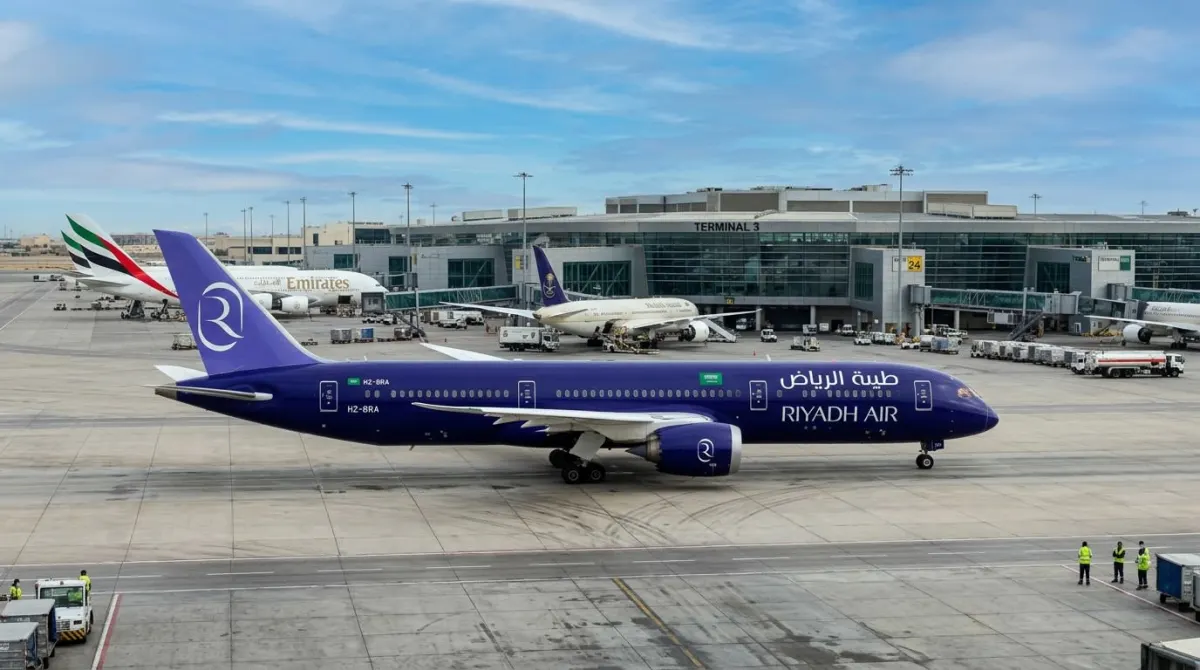
Riyadh Air secured CAAC regulatory approval for 7 weekly flights to Beijing and Shanghai, expanding its China network under Vision 2030.
Key Takeaways
- •Riyadh Air gains approval for 7 weekly flights to Beijing and Shanghai.
- •CAAC granted rights for 3 weekly Beijing and 4 weekly Shanghai flights.
- •Saudia currently holds a 60% market share on Saudi-China routes.
- •Riyadh Air targets 100 global destinations by the end of the decade.
Riyadh Air Secures China Route Approvals
Saudi startup Riyadh Air has secured critical CAAC (Civil Aviation Administration of China) regulatory approval to launch scheduled commercial flights to mainland China. The carrier, wholly owned by the PIF (Public Investment Fund), received authorization in the Q2 2026 international route approvals process to commence service to two of China's most significant aviation hubs. This development marks a pivotal milestone in the airline's strategy to reach more than 100 destinations worldwide by the end of the decade.
Network Expansion and Capacity
The regulatory clearance grants Riyadh Air the rights to operate three weekly passenger and cargo flights between Riyadh and Beijing Daxing Airport (PKX). Additionally, the airline is authorized to operate four weekly flights between Riyadh and Shanghai Pudong Airport (PVG). These seven weekly frequencies provide a foundation for the airline to establish a presence in the competitive Middle East-China corridor, which has seen rapid capacity growth driven by bilateral trade and tourism initiatives under Saudi Arabia's Vision 2030 economic diversification strategy.
Competitive Landscape and Market Impact
The entry of Riyadh Air into the Chinese market introduces direct competition for Saudia, which currently accounts for approximately 60% of scheduled seat capacity on the Saudi Arabia-mainland China market for the summer 2026 season, according to OAG data. While the addition of a second Saudi carrier may pressure existing market shares, it also aligns with broader industry trends of expanding Middle East-China aviation links.
According to Riyadh Air CEO Tony Douglas, the expansion is predicated on distinct market drivers: "There is a big demand for business connectivity between China and Saudi Arabia. We have also seen huge leisure travel demand as people have curiosity about Saudi Arabia."
Historical Context of Saudi-China Connectivity
The current expansion follows the precedent set in August 2023, when Saudia launched direct flights to Beijing Daxing. That event established a successful blueprint for direct connectivity between the two nations, which Riyadh Air is now leveraging to scale its international footprint. The move highlights the ongoing prioritization of the China-Middle East corridor as a core component of regional network development.
The Strategic Shift for Saudi Aviation
The shift toward a dual-carrier model for long-haul international routes indicates a structural change in the Saudi aviation sector. By utilizing its Boeing 787-9 Dreamliner fleet, Riyadh Air aims to capture premium transit traffic that has historically been dominated by established regional incumbents. The airline's ability to integrate with existing Chinese carriers, such as its established memorandum of understanding with Air China, will likely define its success in navigating the slot-constrained environments of Beijing Daxing and Shanghai Pudong.
Anticipated Launch Timeline
Following the receipt of the CAAC operating licenses, Riyadh Air is expected to finalize its operational planning for these routes. Stakeholders anticipate that the commencement of ticket sales and the announcement of official launch dates for the Beijing and Shanghai services will occur in late 2026. These milestones remain subject to final operational readiness assessments and the delivery schedule of the carrier's widebody fleet.
Why These Routes Matter
For the Public Investment Fund, the launch of these services is essential to fulfilling the mandate of Vision 2030 by positioning Riyadh as a global transit hub. The success of these routes will serve as a bellwether for the airline's long-term viability, testing whether the market can sustain two major Saudi carriers operating parallel international networks. For passengers, the increased competition is expected to drive connectivity options and potentially influence pricing on key trade routes between the Middle East and East Asia.
Frequently Asked Questions
- What routes has Riyadh Air been approved to fly in China?
- Riyadh Air has received regulatory approval from the CAAC to operate three weekly flights to Beijing Daxing Airport and four weekly flights to Shanghai Pudong Airport.
- When does Riyadh Air expect to launch its flights to Beijing and Shanghai?
- Riyadh Air is expected to commence ticket sales and official launch dates for its new China routes in late 2026.
Visit omniflights.com for the latest commercial aviation news and airline industry updates. From aircraft production to supply chains, commercial aviation manufacturing news is covered at omniflights.com/manufacturing.

Written by Ujjwal Sukhwani
Aviation News Editor & Industry Analyst delivering clear coverage for a worldwide audience. Covers flight operations, safety regulations, and market trends with expert analysis.
Visit ProfileYou Might Also Like

Starlux Airlines Confirms Sydney to Taipei Flights for 2027

British Airways Retrofits A380 with 106 Club Suite Seats

EasyJet Cuts 700k Winter Seats as Fuel Costs Climb

PIA to Lease Two Norse Atlantic 787-9s for UK Routes
Kalitta Air Evaluates Airbus A350F for Cargo Modernization
