United Airlines App Adds AirTag Tracking and TSA Wait Time Predictions

Co-Founder & CEOAviation News Editor delivering trusted coverage across the global aviation industry.
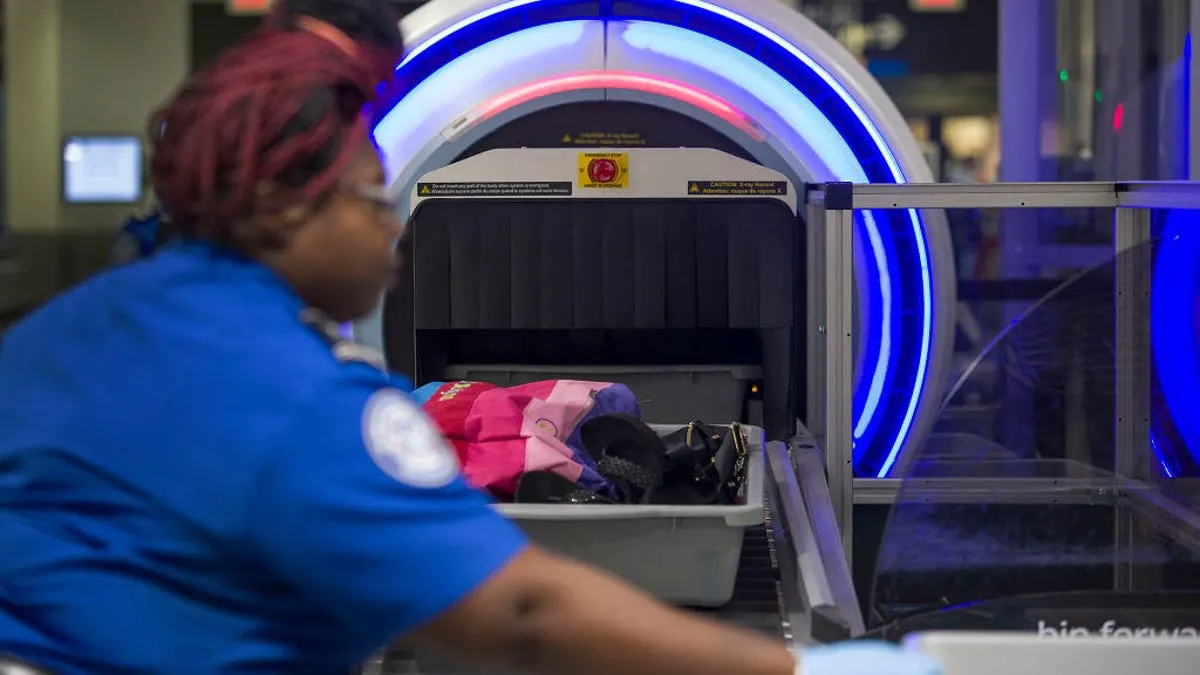
United Airlines' mobile app now allows passengers to share AirTag locations for lost luggage and view predictive TSA wait times amid staffing shortages.
Key Takeaways
- •Integrates Apple's AirTag "Share Item Location" for delayed baggage reports.
- •Introduces predictive TSA wait times to manage airport security during staff shortages.
- •Leverages passenger-owned technology, a shift from airline-controlled RFID systems.
- •Targets the fewer than 1% of United customers who experience delayed baggage.
United Airlines has rolled out a significant update to its mobile application, introducing features for AirTag luggage tracking and predictive TSA wait times. The new functionalities aim to reduce passenger uncertainty at the airport, particularly concerning delayed baggage and security screening lines, which have been affected by the ongoing 2026 partial government shutdown.
The update directly integrates Apple's "Share Item Location" feature, allowing customers who have filed a delayed baggage report to share the precise location of their item tracker with United's baggage handling team. This move addresses a major passenger pain point that gained prominence following widespread air travel disruptions, such as the Southwest Airlines meltdown in December 2022, which spurred massive consumer adoption of Bluetooth Low Energy (BLE) trackers like AirTags.
New Features and Functionality
When a passenger files a delayed bag report through the United app, they will now see a prompt to share their AirTag's location. This generates a secure, one-time link that provides United agents with a map view of the bag’s last known coordinates via Apple's Find My network. According to an Apple press release, the link is end-to-end encrypted and automatically expires after 7 days or once the bag is marked as returned to the customer, ensuring data privacy.
David Kinzelman, Chief Customer Officer at United Airlines, stated that the feature gives customers "more confidence and a direct way to share precise AirTag locations with our baggage team." This integration is a significant step forward from the previous, unofficial use of trackers by passengers. While United reports that over 99% of customer bags flew with their owners in 2024, this feature targets the fewer than 1% of instances involving delayed baggage.
The second major feature is the addition of predictive wait times for Transportation Security Administration (TSA) checkpoints. This was implemented in response to staffing shortages at the agency caused by a partial US government shutdown. Since February 2026, over 60,000 TSA employees have been working without pay. Jason Birnbaum, United's Chief Information Officer, noted the feature was added to keep passengers informed during the disruption, acknowledging the professionalism of unpaid TSA agents.
Baggage Tracking Technologies
The airline industry has progressively moved toward greater baggage transparency. The new integration of consumer-grade BLE trackers contrasts with earlier airline-controlled systems.
| Metric | Bluetooth Low Energy (AirTag) | Radio Frequency Identification (RFID) |
|---|---|---|
| Technology | Dependent on Find My network proximity | Fixed scanner checkpoints only |
| User Control | Passenger-owned and shared temporarily | Airline-owned infrastructure |
Industry Context and Precedents
This development is part of a broader industry trend toward enhanced airline app self-service. It follows historical milestones in baggage tracking. In 2016, Delta Air Lines invested $50 million in a system-wide Radio Frequency Identification (RFID) rollout, an early move to provide passengers with tracking via its app. However, the widespread adoption of personal trackers following the December 2022 Southwest Airlines meltdown created passenger-led pressure for airlines to formally support the technology.
The impact of this update affects several groups. For passengers, it offers greater transparency and reduced anxiety. For United's customer service agents, it reduces the manual effort required to locate missing items. For Apple, it reinforces the utility of its ecosystem and AirTag product line as it becomes officially integrated into major travel platforms.
What Comes Next
United Airlines plans to expand the TSA wait time feature to its non-hub airports in late 2026. Following United's lead, other major US carriers are expected to adopt Apple's Share Item Location feature throughout 2026 and 2027, potentially making it an industry standard for delayed baggage resolution.
Why This Matters
This app update signifies a strategic shift for airlines, moving from proprietary tracking systems to embracing and integrating passenger-owned technology. It demonstrates how carriers can leverage the existing consumer tech ecosystem to improve the customer experience and mitigate operational challenges, such as those caused by external factors like government shutdowns. For the aviation industry, it marks a key step in digital self-service and real-time passenger information.
Visit omniflights.com for the latest commercial aviation news and airline industry updates. Track policy changes, airspace rules, and global aviation governance in the Regulatory category at omniflights.com/regulatory.
Written by Hardik Vishwakarma
Co-Founder & Aviation News Editor leading initiatives that improve trust and visibility across the global aviation industry. Covers airlines, airports, safety, and emerging technology.
Visit ProfileYou Might Also Like
Discover more aviation news based on similar topics
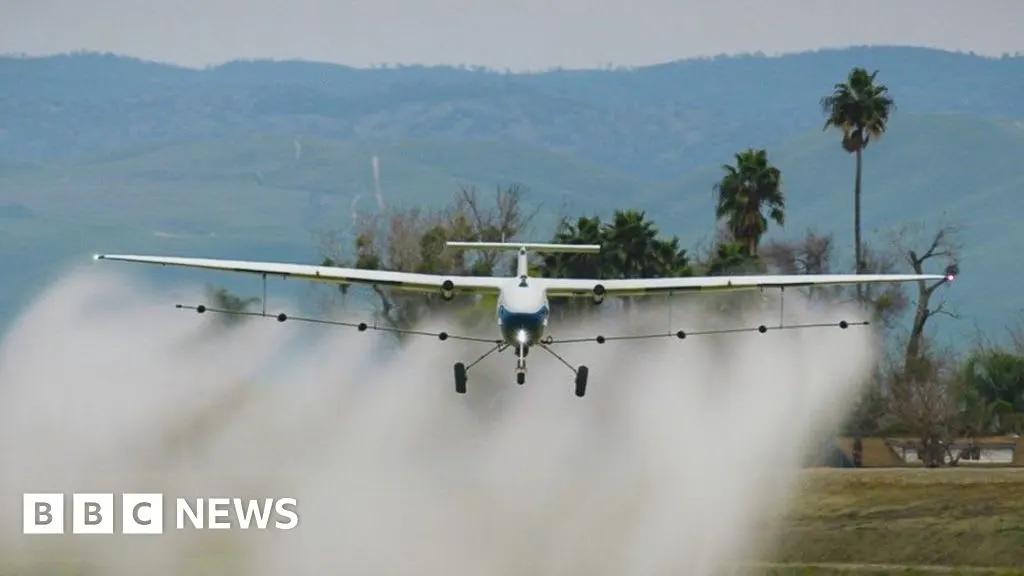
Autonomous Fixed-Wing Aircraft Development Gains Momentum
Start-ups are advancing autonomous fixed-wing aircraft for agricultural and cargo tasks, aiming to prove safety before pursuing passenger operations.

Boeing 787-9 Completes Short Inlet Tests in Montana
Boeing completed 52 hours of flight tests on a 787-9 with an experimental 30% shorter engine inlet to evaluate noise and fuel efficiency.
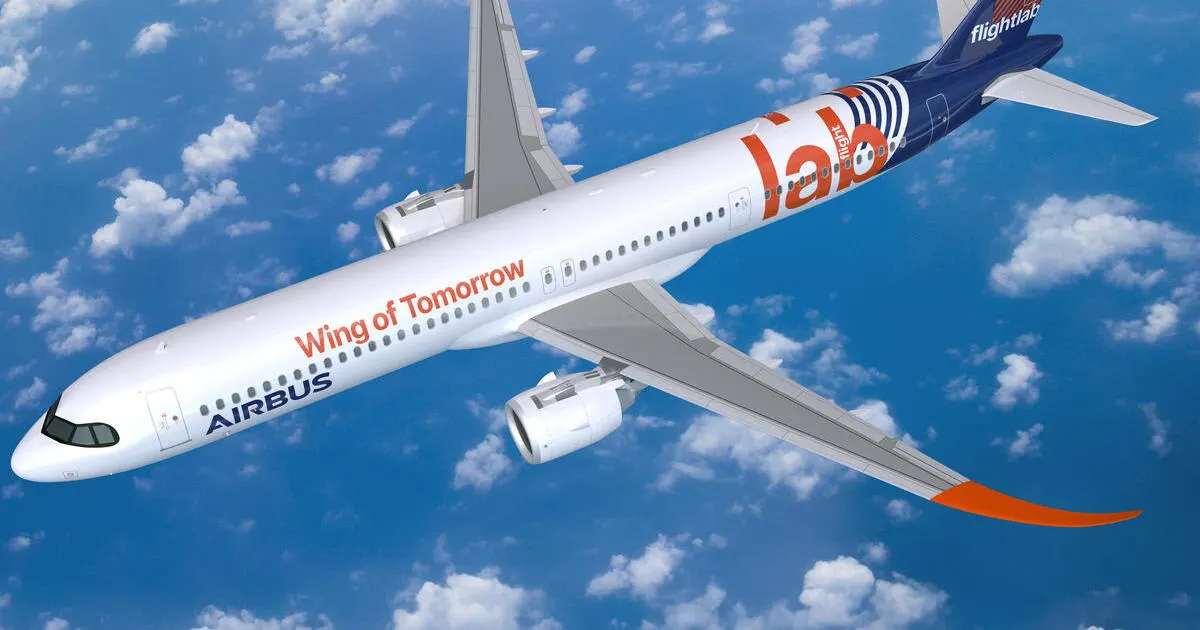
Airbus A321neo to Test Folding Wings of Tomorrow Project
Airbus launched a three-year flight-test campaign using an A321neo to evaluate folding wings that extend up to five meters.
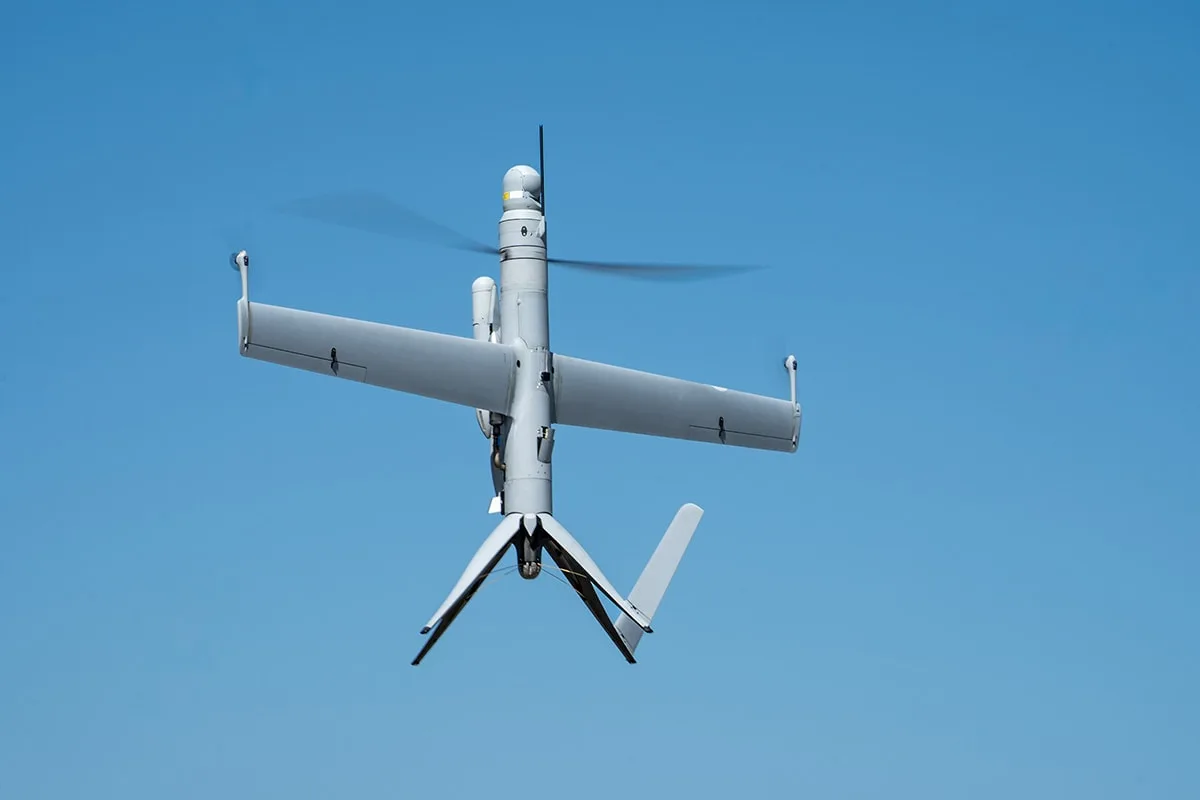
Voyageur Orders Canada's First Airbus U030 Flexrotor
Voyageur Aviation ordered Canada's first Airbus U030 Flexrotor, a 25 kg tactical drone, to expand its maritime and Arctic surveillance capabilities.
LATAM Selects SES Multi-Orbit Wi-Fi for 60+ New Jets
LATAM Airlines signed a multi-year deal with SES to equip more than 60 incoming Airbus and Embraer aircraft with multi-orbit satellite Wi-Fi.
Lufthansa 787-9 Tests Tech to Cut Fuel and Noise
Boeing, Lufthansa, and Rolls-Royce partnered to test emissions-reducing technologies on a 787-9, targeting a 20% fuel efficiency improvement.