United Airlines 767-400ER Diverts After Bluetooth Bomb Hoax

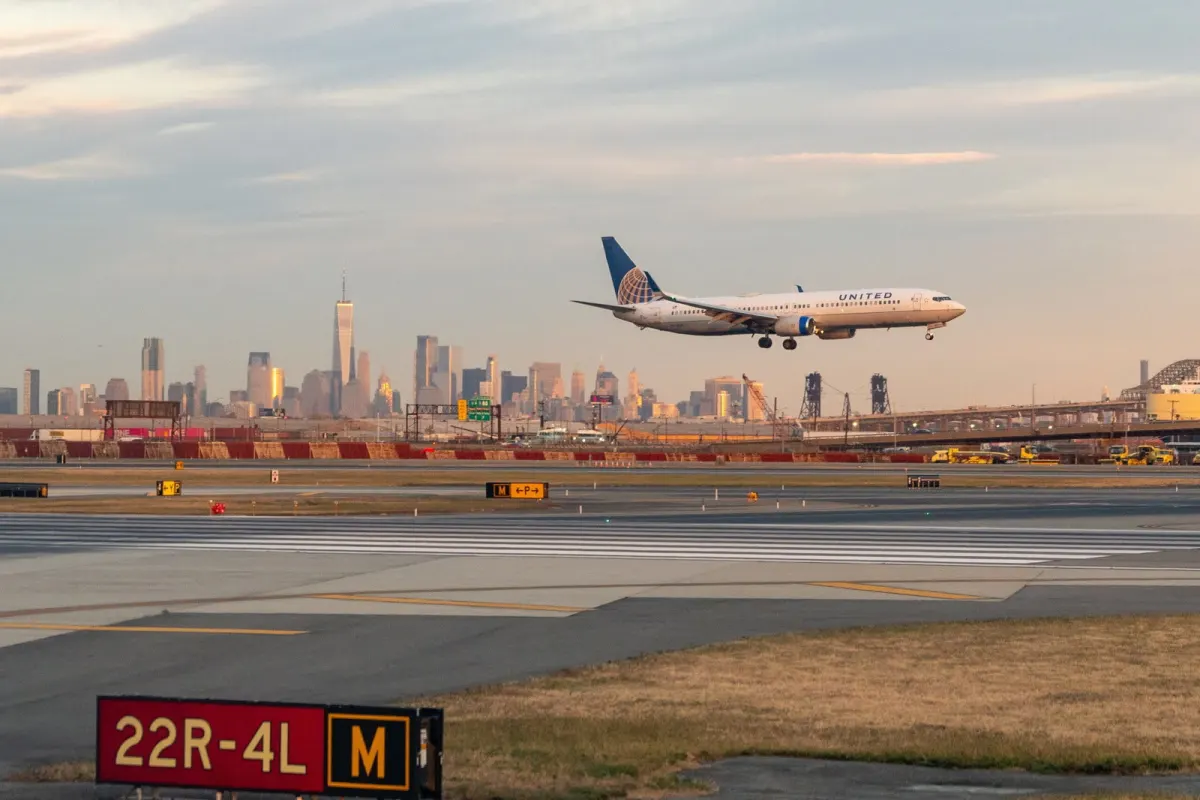
A United Airlines flight diversion occurred after a Bluetooth device named 'BOMB' triggered a security emergency involving 202 passengers and crew.
Key Takeaways
- •United Airlines flight diversion follows a Bluetooth bomb threat on UA236.
- •Boeing 767-400ER returned to EWR after a 16-year-old named their device 'BOMB'.
- •TSA and local police conducted secondary screening for 202 passengers and crew.
- •Federal investigations into the digital hoax are expected to conclude by Q3 2026.
A United Airlines flight diversion occurred on May 30, 2026, when United Airlines Flight 236 was forced to turn back over the Atlantic Ocean. The Boeing 767-400ER—a niche aircraft representing one of only 16 such airframes in the carrier's fleet—was approximately 60 to 90 minutes into its journey from Newark Liberty International Airport (EWR) to Palma de Mallorca Airport (PMI) when the crew initiated an emergency squawk 7700 declaration. The incident was sparked by a Bluetooth bomb threat broadcast from a device on board, which was later identified as belonging to a 16-year-old passenger.
The Operational Response
The aircraft was cruising at 32,000 feet when the crew became aware of a Bluetooth signal carrying the alarming name. In accordance with 14 CFR § 121.538, which empowers the pilot in command to divert if an unresolved threat remains active, the crew requested an immediate return to EWR. The flight was carrying 190 passengers and 12 crew members at the time. Upon landing, the aircraft was met by law enforcement and the Transportation Security Administration (TSA) for a comprehensive security sweep of the cabin and cargo hold.
Regulatory and Security Context
Under 49 CFR § 1544.303, airlines are mandated to treat any specific threat as credible, requiring immediate notification to authorities and a mandatory security search. The incident highlights an increasing industry trend of digital device hoaxes, where passengers use localized wireless features like Bluetooth names or Wi-Fi hotspots to broadcast threats. While critics argue that such diversions represent an overly rigid application of security protocols, aviation security analysts maintain that crews cannot ignore discoverable digital threats, regardless of their origin.
Boeing 767-400ER vs Boeing 767-300ER: Key Specifications
| Metric | Boeing 767-400ER | Boeing 767-300ER |
|---|---|---|
| Capacity | 231-245 passengers | 214 passengers |
| Length | 201 ft 4 in | 180 ft 3 in |
| Range | 5,625 nm | 5,980 nm |
Stakeholder Impact and Operational Costs
For United Airlines Operations, the incident resulted in significant unrecoverable costs, including wasted aviation fuel, crew duty-time expirations, and the logistics of provisioning a replacement aircraft. The 202 individuals on board faced severe travel delays and secondary screening procedures. Historically, this event mirrors the February 2025 incident involving American Airlines Flight 2863, where a Wi-Fi hotspot name triggered a four-hour delay and total aircraft evacuation, demonstrating the systemic nature of these digital hoaxes.
Investigation and Future Milestones
The federal and local law enforcement investigation into the 16-year-old passenger is expected to conclude by Q3 2026. The official federal regulation governing these responses remains a cornerstone of aviation safety, ensuring that even false alarms are processed with absolute caution to mitigate potential risks to the traveling public.
Frequently Asked Questions
- What triggered the security alert on United Airlines Flight 236?
- The security alert was triggered by a Bluetooth speaker on board that had been renamed 'BOMB' by a 16-year-old passenger. This broadcast name was detected by crew members, necessitating a diversion under mandatory aviation security protocols.
- Why are airlines required to divert for Bluetooth device names?
- Airlines operate under strict federal regulations, such as 49 CFR § 1544.303, which mandate that any potential threat must be treated as credible until proven otherwise. Because crews cannot conclusively rule out a genuine threat while the aircraft is in the air, they must follow zero-tolerance security procedures.
omniflights.com provides comprehensive commercial aviation news covering airlines, aircraft, and airports. Follow aviation sustainability efforts, emissions research, and green initiatives in the Environmental section at omniflights.com/environmental.

Written by Hardik Vishwakarma
Co-Founder & Aviation News Editor leading initiatives that improve trust and visibility across the global aviation industry. Covers airlines, airports, safety, and emerging technology.
Visit ProfileYou Might Also Like
FAA Grounds Elixir Aircraft After Fatal French Crash

Riyadh Airport Closure Extended Following Deadly Attacks

Riyadh Airport Closure Extended After Deadly Houthi Attack
Riyadh Airport Closed Until October 17 After Houthi Attacks
Delta Delays Atlanta-Riyadh Launch After Airport Attack