United 737 MAX 9 Diverts; Pilot Times Out 1 Minute Early

Co-Founder & CEOAviation News Editor delivering trusted coverage across the global aviation industry.
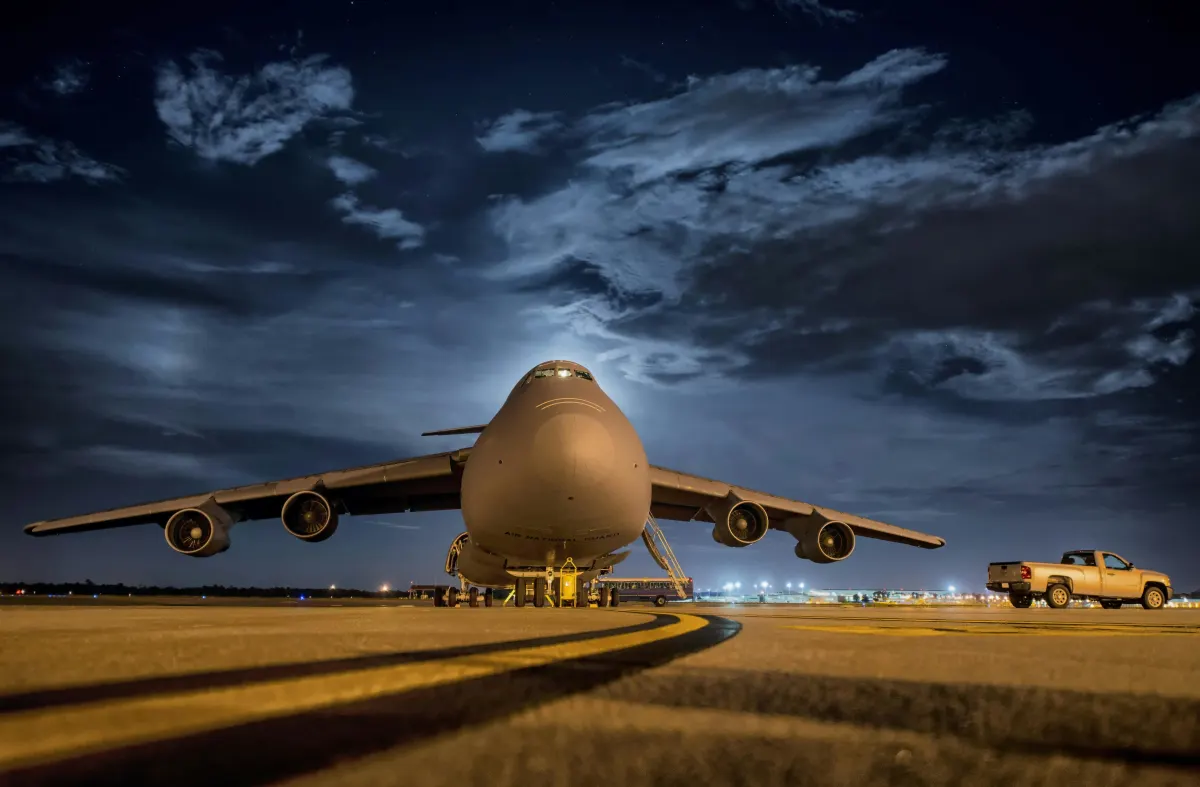
A United Airlines flight grounded at Dulles after the pilot reached FAA-mandated duty limits one minute before takeoff, stranding passengers overnight.
Key Takeaways
- •United flight 404 grounded at IAD after pilot reached duty limits.
- •The crew timed out just one minute before scheduled takeoff at 3:00 AM.
- •Passengers endured an 11-hour arrival delay without airline-provided lodging.
- •FAA Part 117 regulations mandate strict duty limits to prevent pilot fatigue.
A United Airlines flight was forced to remain grounded at Washington Dulles International Airport (IAD) after the flight crew reached their legal duty time limits just one minute before the aircraft was cleared for departure. The incident, involving United flight 404, highlights the rigid application of Federal Aviation Administration (FAA) safety protocols when weather-related diversions push flight crews against their legal maximums.
The Sequence of Events
United flight 404, operated by a Boeing 737 MAX 9, originally departed George Bush Intercontinental Airport (IAH) at 6:17 PM on Sunday, June 14, 2026, bound for Newark Liberty International Airport (EWR). Severe thunderstorms forced the aircraft to divert to Washington Dulles International Airport (IAD). While waiting for weather to clear, the Flight Duty Period (FDP) for the crew reached its expiration. According to passenger reports, the pilot exceeded their legally permitted duty time by exactly one minute at approximately 3:00 AM, triggering a mandatory grounding of the aircraft under 14 CFR Part 117.
Passenger Impact and Operational Challenges
High-profile passengers, including sports analysts Landon Donovan and Ian Darke, were among those stranded at the terminal overnight. The airline did not provide hotel accommodations, forcing many passengers to remain in the terminal or arrange their own ground transportation. The flight eventually departed Washington Dulles International Airport (IAD) at 8:10 AM the following morning, more than 14 hours after the initial departure from Houston. The aircraft arrived in Newark more than 11 hours behind its scheduled arrival time.
This incident underscores a growing industry trend of crew availability bottlenecks, where weather-related diversions frequently turn manageable delays into overnight groundings. Under the Department of Transportation (DOT) Office of Aviation Consumer Protection guidelines, airlines are required to provide certain protections during significant delays, though these rules do not always mandate hotel reimbursement for weather-related diversions.
Regulatory Context and Safety Protocols
While passengers often perceive these timeouts as service failures, the Federal Aviation Administration (FAA) and aviation safety experts maintain that 14 CFR Part 117 limits are non-negotiable. These regulations were established to prevent fatigue-related errors that have historically contributed to fatal accidents. In a similar incident in June 2026, a SpiceJet flight from Dubai to Delhi was forced to ground in Jaipur after the crew exceeded their Flight Duty Time Limitations (FDTL), resulting in passengers being bussed to their destination. The United Airlines situation follows this pattern, where the strict adherence to safety regulations directly conflicts with passenger expectations for timely service.
Why This Matters for Airline Operations
For United Airlines, the incident carries significant reputational risks. The presence of high-profile media figures on the flight ensured that the 11-hour delay and the lack of provided lodging received widespread visibility. This development signals a broader challenge for carriers managing hub-and-spoke networks during peak thunderstorm seasons. When crew duty limits are reached, the resulting operational paralysis often cascades, forcing airlines to choose between canceling flights or incurring significant costs to reposition crews and provide passenger care. As regulatory scrutiny on passenger rights increases, the inability to manage these duty-limit transitions effectively may lead to higher financial liabilities and increased consumer dissatisfaction.
Frequently Asked Questions
- Why was the United Airlines flight grounded at Washington Dulles?
- The flight was grounded because the pilot reached their maximum legal flight duty period under FAA Part 117 regulations just one minute before the aircraft was cleared for takeoff.
- What are FAA Part 117 regulations regarding pilot duty time?
- 14 CFR Part 117 mandates strict limits on commercial pilot flight and duty time to prevent fatigue. These rules are non-negotiable safety protocols that require pilots to stand down once their maximum duty period is reached.
For global airline trends and commercial aviation news, turn to omniflights.com. Discover how innovation is shaping aviation through aircraft systems, avionics, and digital tools at omniflights.com/technology.
Written by Hardik Vishwakarma
Co-Founder & Aviation News Editor leading initiatives that improve trust and visibility across the global aviation industry. Covers airlines, airports, safety, and emerging technology.
Visit ProfileYou Might Also Like
Discover more aviation news based on similar topics
Ryanair Flight RK514 Diverts to Birmingham After Emergency
Ryanair flight RK514 diverted to Birmingham Airport on September 13, 2026, following a medical emergency involving a passenger.
Amazon Suspends 21 Air After Fatal Miami 767 Runway Overrun
Amazon has suspended operations with 21 Air following a fatal Boeing 767 runway overrun at Miami International Airport that resulted in five deaths.
FAA Proposes A220 Fuel Line Inspections for US Operators
The FAA issued a proposed directive requiring inspection of motive-flow fuel lines on 13 US-registered Airbus A220s to prevent potential leaks.
NATS Denies Military Jet Role in UK ATC Outage
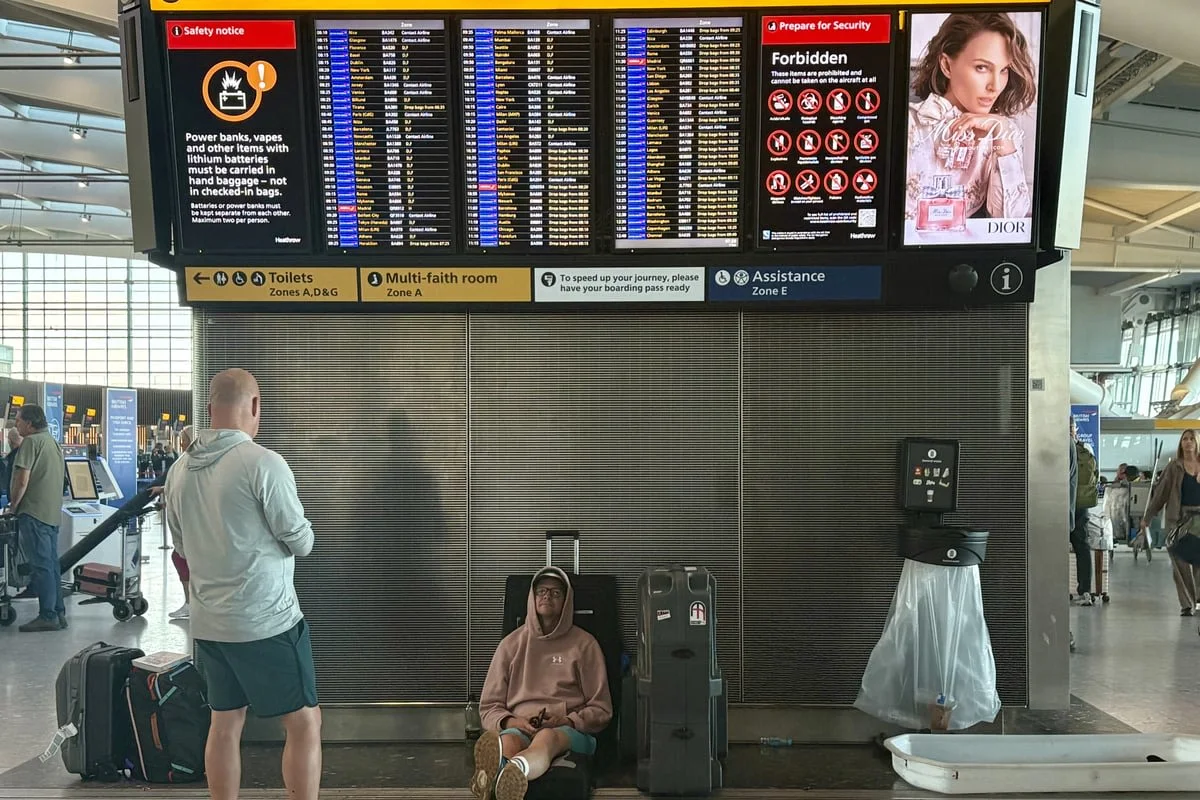
The UK Ministry of Defence denied its aircraft caused a NATS outage that led to over 2,000 flight cancellations and calls for CEO resignation.
21 Air Miami Crash: NTSB Investigates 767 Runway Overrun
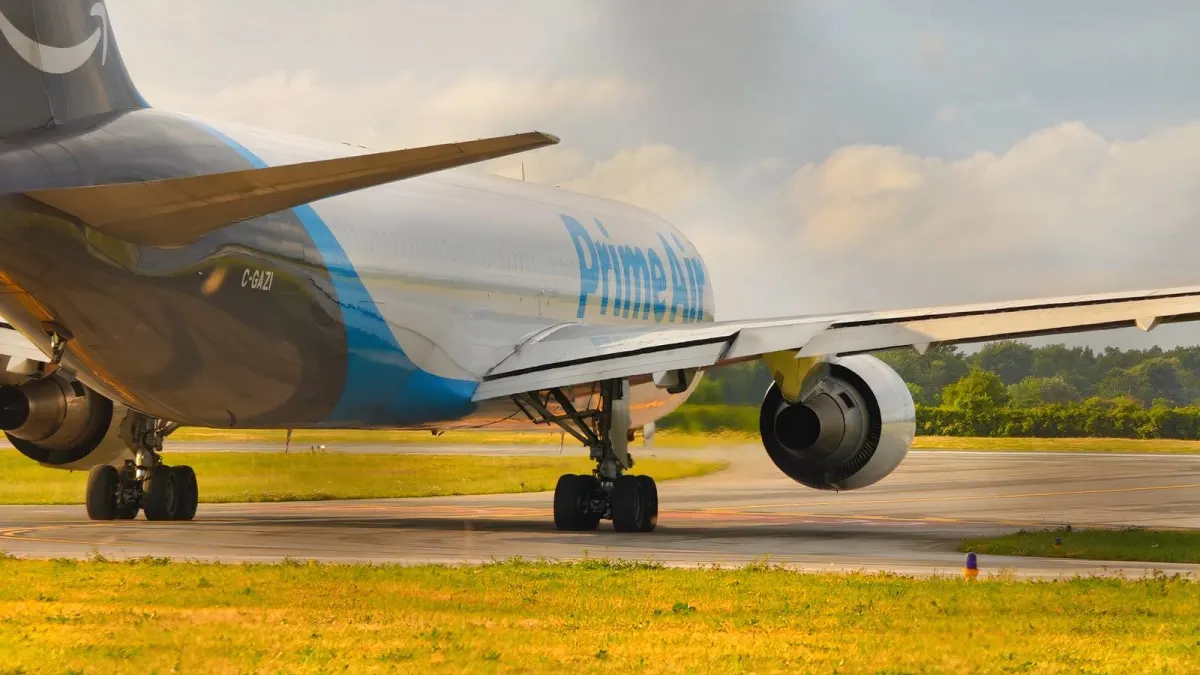
A fatal 21 Air Boeing 767 crash at Miami International Airport has triggered an NTSB investigation amid scrutiny of Amazon Air's contract oversight.

Amazon Cargo Plane Crash: 5 Remembered After MIA Excursion
Five cleaning crew members died after an Amazon-contracted Boeing 767 overran the runway at Miami International Airport at 158 knots.