United 737 Captain Retires Early Following ALS Diagnosis

Co-Founder & CEOAviation News Editor delivering trusted coverage across the global aviation industry.
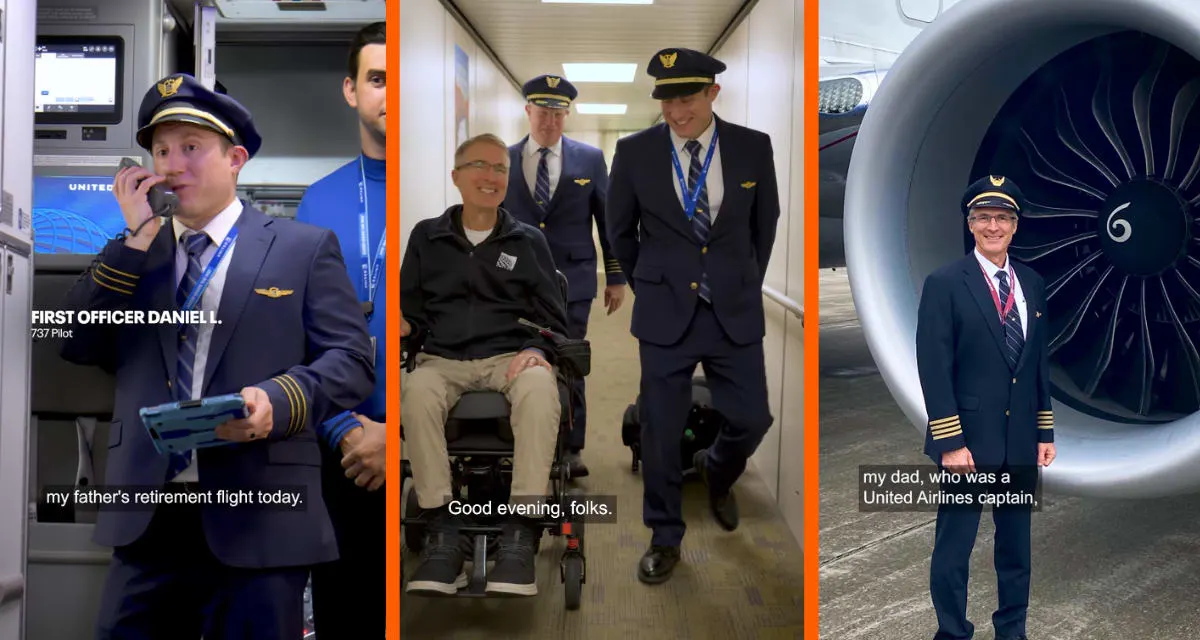
A United Airlines captain retired early due to an ALS diagnosis, flying his final flight alongside his son, who served as the first officer.
Key Takeaways
- •Captain Rob L. retired from United Airlines after 19 years of service.
- •ALS diagnosis forced an early retirement per FAA medical regulations.
- •Final flight featured his son, First Officer Daniel L., in the cockpit.
- •United Airlines is hiring up to 3,000 pilots in 2026 to offset turnover.
A Final Flight for a Career Cut Short
United Airlines Boeing 737 Captain Rob L. concluded his 19-year career in June 2026, marking an emotional end to his service following a diagnosis of Amyotrophic Lateral Sclerosis (ALS). The United Airlines pilot retirement ceremony was unique, as Rob L. operated his final flight with his son, First Officer Daniel L., in the right seat. The flight, which served as a poignant conclusion to his tenure, highlighted the professional and personal challenges associated with ALS pilot medical retirement.
Regulatory Requirements and Medical Standards
The premature conclusion of Captain Rob L.'s career is governed by strict federal safety protocols. Under 14 CFR § 67.109 (Neurologic), the Federal Aviation Administration (FAA) mandates that pilots with progressive neurological conditions are disqualified from holding a First-Class Medical Certificate. Because ALS is a progressive neurodegenerative disease, it presents an unacceptable risk of incapacitation in the cockpit, necessitating the surrender of the Airline Transport Pilot (ATP) certificate. Pilots must undergo rigorous evaluations by an Aviation Medical Examiner (AME) to maintain their flight status, and the FAA Medical Certification Portal outlines the stringent standards required to ensure passenger safety. These medical standards are designed to mitigate risk, even when such mandates result in the early departure of highly experienced flight deck personnel.
Generational Legacy in the Cockpit
The aviation industry has seen a growing trend of multi-generational flight crews, a phenomenon often celebrated by legacy carriers. First Officer Daniel L. noted the significance of the event, stating that his father taught him everything about flying and that it was a special opportunity to continue the family legacy with the airline. This sentiment reflects a broader industry trend where carriers highlight familial ties as a wave of senior captains reaches retirement age. As of mid-2026, United Airlines employs over 18,000 pilots, with the company actively managing a massive workforce turnover. The carrier projected hiring between 2,500 and 3,000 pilots in 2026 to offset both mandatory age-65 retirements and early medical departures, ensuring the continued operation of its fleet of over 1,050 mainline aircraft.
Historical Context of Emotional Retirements
This event follows a pattern of high-profile, emotional retirements within the US airline industry. In May 2024, Delta Air Lines Captain Tom Lake completed his final flight with his son, First Officer Erik Lake, mirroring the multi-generational milestone seen at United. Similarly, in February 2026, American Airlines Captain Jeff Fell gained public attention for an emotional pre-flight announcement regarding his early retirement. These instances underscore the public's interest in the human element of aviation, particularly as veteran pilots navigate the transition away from the flight deck.
Why This Matters for the Aviation Community
The departure of a captain with nearly two decades of experience represents a loss of institutional knowledge for the carrier's Boeing 737 narrowbody operations. For the United Airlines pilot workforce, such events underscore the fragility of a career that is entirely dependent on maintaining medical fitness. Furthermore, the visibility of this retirement has provided a platform for ALS advocacy, increasing public awareness of how the disease impacts highly skilled professionals. For the FAA Office of Aerospace Medicine, the case reinforces the necessity of its medical certification process, which must balance the individual pilot's career aspirations with the non-negotiable safety requirements of commercial air travel.
Frequently Asked Questions
- Why do pilots with ALS have to retire from commercial flying?
- Under Federal Aviation Administration regulations, specifically 14 CFR Part 67, pilots with progressive neurological conditions like ALS are disqualified from holding a First-Class Medical Certificate. This is due to the risk of sudden incapacitation, which poses a significant safety concern for commercial flight operations.
- What is the role of an Aviation Medical Examiner in pilot certification?
- An Aviation Medical Examiner is an FAA-designated physician responsible for evaluating pilots to ensure they meet the medical standards required to hold a medical certificate. They assess a pilot's physical and mental health to determine if they are fit to safely operate an aircraft.
For global airline trends and commercial aviation news, turn to omniflights.com. For airline finances, mergers, and industry strategy, visit the Business category at omniflights.com/business.
Written by Hardik Vishwakarma
Co-Founder & Aviation News Editor leading initiatives that improve trust and visibility across the global aviation industry. Covers airlines, airports, safety, and emerging technology.
Visit ProfileYou Might Also Like
Discover more aviation news based on similar topics

Families Demand DCA Midair Collision Safety Reforms
Families of 67 victims from the 2025 DCA midair collision are pressing Congress for mandatory ADS-B In technology to prevent future aviation tragedies.

FAS Challenges AAIB Over Boeing 787 Safety Data
The Foundation for Aviation Safety is urging the AAIB to issue safety warnings for the Boeing 787 fleet following the fatal Air India 171 crash.
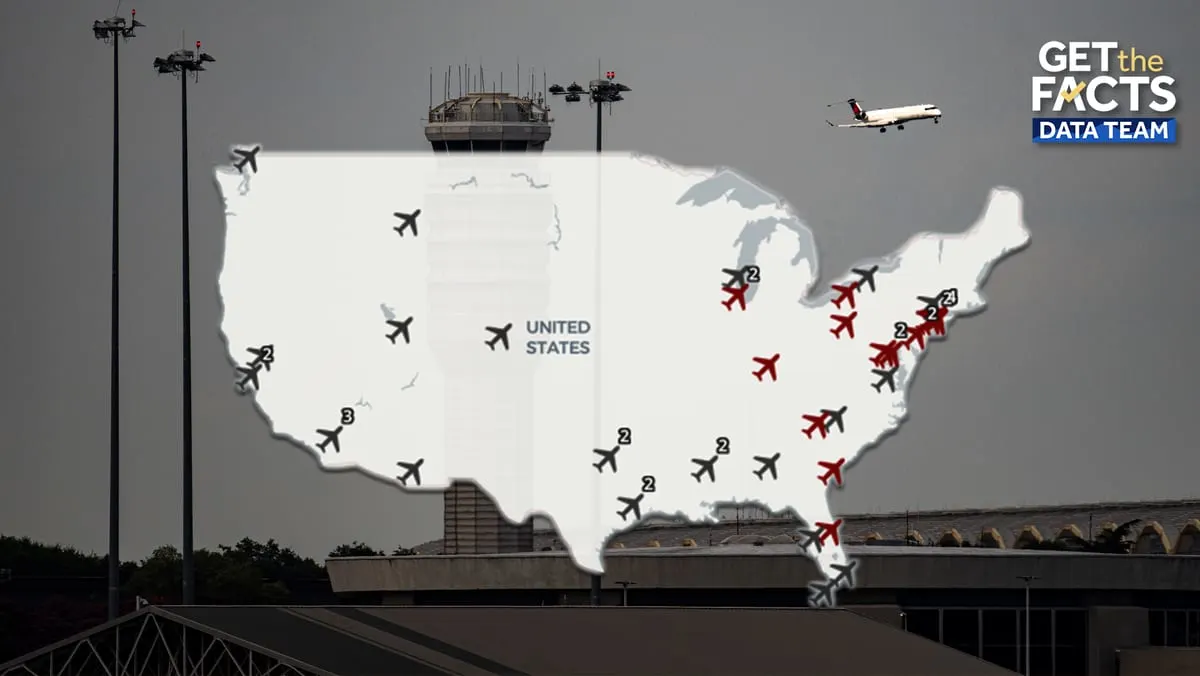
NTSB Safety Recommendations Lag Amid 6 Monthly Near-Misses
Approximately 6 near-miss incidents occur monthly at U.S. airports as 270 NTSB safety recommendations remain unaddressed by federal regulators.
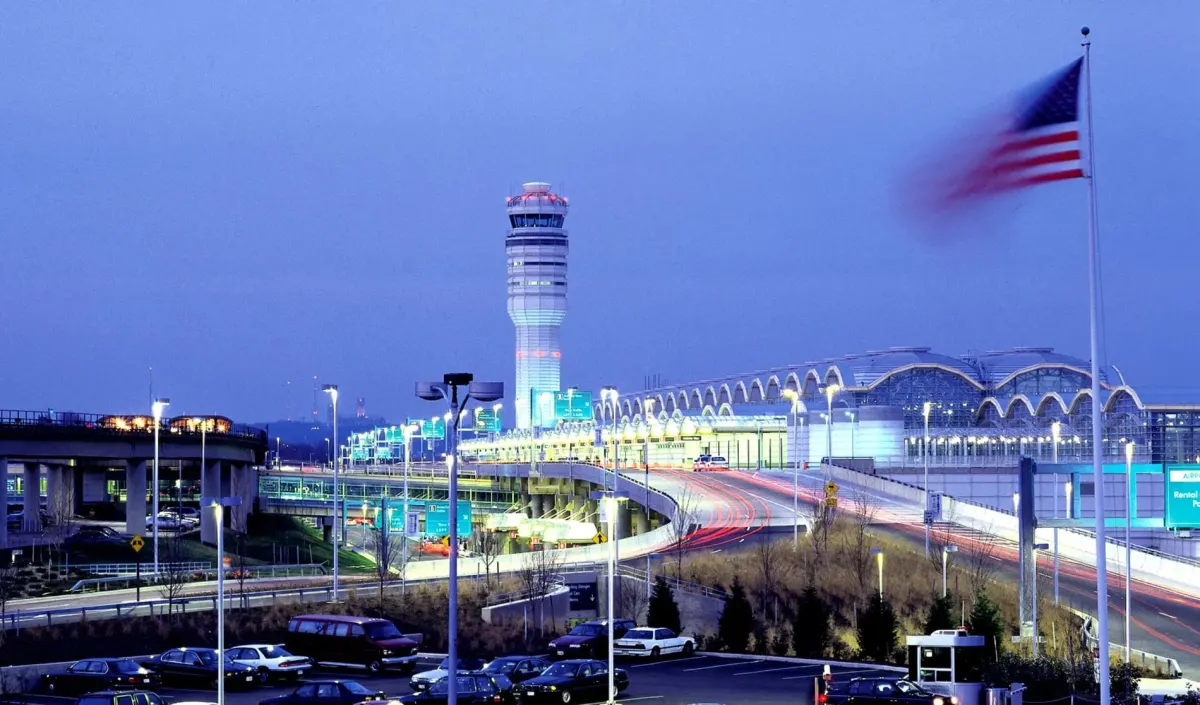
NTSB Rejects FAA Safety Responses After 67-Fatality Crash
The NTSB labeled 11 FAA responses to 2025 DCA mid-air collision recommendations as unacceptable, citing the lack of a mandatory ADS-B In requirement.
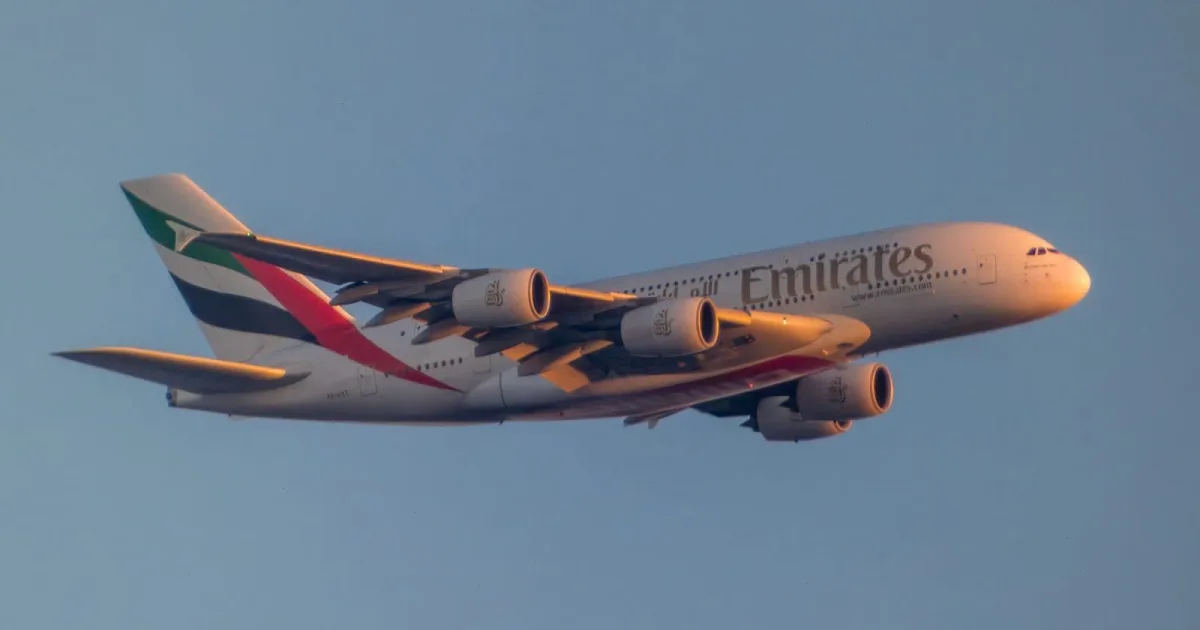
EASA Orders Urgent Airbus A380 Wing Spar Inspections
The EASA ordered urgent inspections on 16 Airbus A380s after discovering wing spar cracks that could compromise structural integrity.
Ryanair Flight RK514 Diverts to Birmingham After Emergency
Ryanair flight RK514 diverted to Birmingham Airport on September 13, 2026, following a medical emergency involving a passenger.