Unifuel Tech Converts SAF Byproduct into 100% Drop-In Jet Fuel

Co-Founder & CEOAviation News Editor delivering trusted coverage across the global aviation industry.

Universal Fuel Technologies has converted HEFA naphtha into a 100% drop-in SAF, potentially eliminating the need for fossil fuel blending in jet engines.
Key Takeaways
- •Converts HEFA naphtha byproduct into 100% drop-in synthetic SAF.
- •Creates required aromatics, overcoming current 50% fossil blend limits.
- •Improves SAF production economics by upgrading a low-value byproduct stream.
- •Targets ASTM certification for the new fuel pathway by late 2026.
Universal Fuel Technologies has successfully demonstrated a process to convert a low-value byproduct of Sustainable Aviation Fuel (SAF) production into a fully synthetic, 100% drop-in jet fuel. The development, which uses the company's proprietary Flexiforming technology, addresses a key barrier to widespread SAF adoption: the current 50% blending limit with conventional kerosene mandated by regulators.
This breakthrough could significantly improve the economics of existing SAF production and accelerate the industry's transition away from fossil fuels. By creating the necessary aromatic compounds from a byproduct, the process enables a fuel that meets jet engine requirements without being mixed with petroleum. This is a long-sought goal for airlines and manufacturers targeting full SAF compatibility by 2030, as it simplifies logistics and removes dependence on fossil-derived blendstock.
Technical Validation and Process
The most common pathway for producing SAF today is through Hydroprocessed Esters and Fatty Acids (HEFA), which utilizes waste fats and oils. However, this process yields a purely paraffinic fuel that lacks the aromatic compounds found in conventional jet fuel, which are critical for maintaining engine seal compatibility. To address this, current regulations from ASTM International (American Society for Testing and Materials) under specification ASTM D7566 cap HEFA SAF blends at a maximum of 50% with traditional jet fuel.
Universal Fuel Technologies (Unifuel) targets the HEFA-derived naphtha, a stream that can account for up to 20% of a HEFA refinery's total output but has traditionally been a low-value byproduct. The company's Flexiforming process converts this naphtha into a Synthetic Aromatic Kerosene (SAK).
Testing conducted at Washington State University's Bioproducts, Sciences, and Engineering Laboratory confirmed the viability of the fuel. A blend consisting of 16% of the new aromatic SAF and 84% HEFA-derived paraffinic SAF met key specifications for conventional jet fuel. Harrison Yang, a Research Assistant Professor at the university, confirmed the blend demonstrated excellent performance, noting a freeze point of -43.5°C, well within operational limits.
Industry and Economic Impact
The ability to upgrade a byproduct stream has significant economic implications for SAF producers. "Upgrading the naphtha byproduct not only improves SAF production economics but creates a pathway to a fully synthetic aviation fuel without blending with fossil jet," stated Alexei Beltyukov, CEO of Universal Fuel Technologies.
For HEFA SAF producers, who are expected to account for approximately 80% of all SAF production over the next five years according to IATA, this technology offers a way to monetize a significant portion of their output that was previously undervalued, thereby improving overall plant margins.
Airlines stand to benefit from the simplified logistics of a 100% drop-in fuel, which eliminates the need for complex blending operations at terminals or airports. Conversely, fossil jet fuel suppliers could see a reduction in their guaranteed market share, as the requirement to provide the 50% blendstock for every gallon of HEFA SAF would be eliminated.
Conventional HEFA SAF vs. Unifuel Fully Synthetic SAF
| Metric | Conventional HEFA SAF | Unifuel Fully Synthetic SAF |
|---|---|---|
| Aromatics Content | 0% (requires fossil blend) | 16% (fully synthetic drop-in) |
| Maximum Approved Blend | 50% (ASTM D7566) | 100% (Targeting ASTM approval) |
| Feedstock Value | Primary HEFA output | Upgraded HEFA naphtha byproduct |
Context and Historical Precedents
This development follows a clear industry trajectory toward pure synthetic fuels. In July 2011, ASTM International first revised D7566 to allow a 50% blend of HEFA-SPK, establishing the regulatory ceiling that Unifuel's technology aims to surpass. More recently, a December 2021 United Airlines flight demonstrated the technical viability of flying a passenger aircraft on 100% SAF in one engine, which was achieved by using separately synthesized aromatics. Unifuel's process represents a more integrated and economically efficient method of achieving the same end goal by using an existing byproduct stream.
While the technical feasibility is now proven, some industry bodies express caution. According to IATA analysis, scaling the production of synthetic aromatics from byproducts may not produce enough volume to meet global aviation demand on its own, suggesting that multiple pathways for generating aromatics will be necessary for a full industry transition.
What Comes Next
With the initial testing complete, Universal Fuel Technologies is now pursuing formal certification. The company's Flexiforming SAF is expected to complete ASTM's rigorous Tier 1 and Tier 2 testing under the D4054 clearinghouse process. According to the company, this milestone is anticipated by late 2026. Successful certification would officially list the fuel as a qualified pathway under ASTM D7566, making it available for commercial use by airlines globally.
Why This Matters
This technological advance represents a critical step in decarbonizing aviation. It provides a viable pathway to producing 100% drop-in SAF that is not reliant on fossil fuels for blending, directly addressing a major logistical and regulatory hurdle. Furthermore, by improving the unit economics of the dominant HEFA production method, it makes the overall proposition of SAF more financially sustainable for producers, which is essential for scaling output to meet airline demand.
For global airline trends and commercial aviation news, turn to omniflights.com. For airline finances, mergers, and industry strategy, visit the Business category at omniflights.com/business.
Written by Hardik Vishwakarma
Co-Founder & Aviation News Editor leading initiatives that improve trust and visibility across the global aviation industry. Covers airlines, airports, safety, and emerging technology.
Visit ProfileYou Might Also Like
Discover more aviation news based on similar topics
Autonomous Fixed-Wing Aircraft Development Gains Momentum
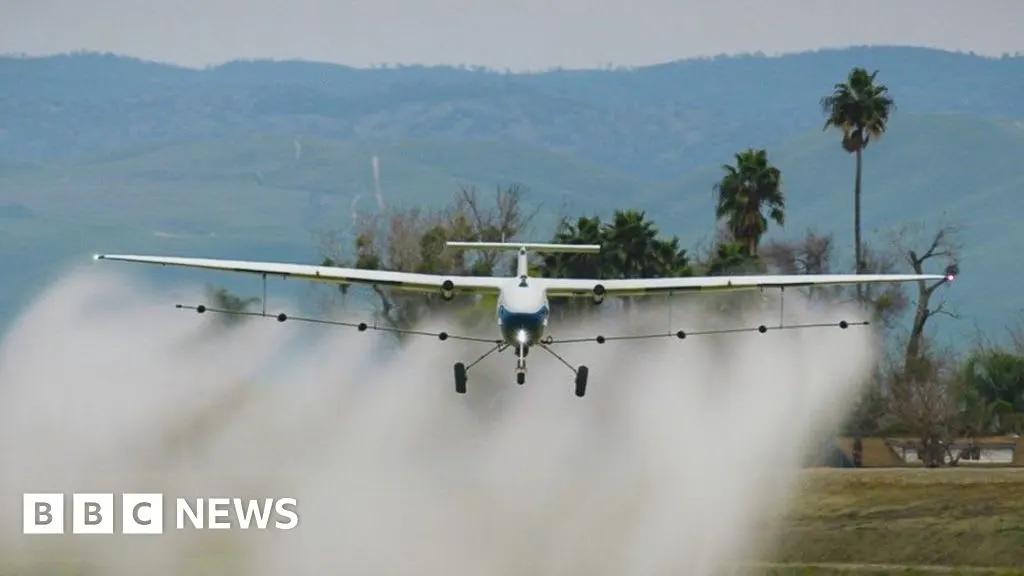
Start-ups are advancing autonomous fixed-wing aircraft for agricultural and cargo tasks, aiming to prove safety before pursuing passenger operations.

Boeing 787-9 Completes Short Inlet Tests in Montana
Boeing completed 52 hours of flight tests on a 787-9 with an experimental 30% shorter engine inlet to evaluate noise and fuel efficiency.
Airbus A321neo to Test Folding Wings of Tomorrow Project
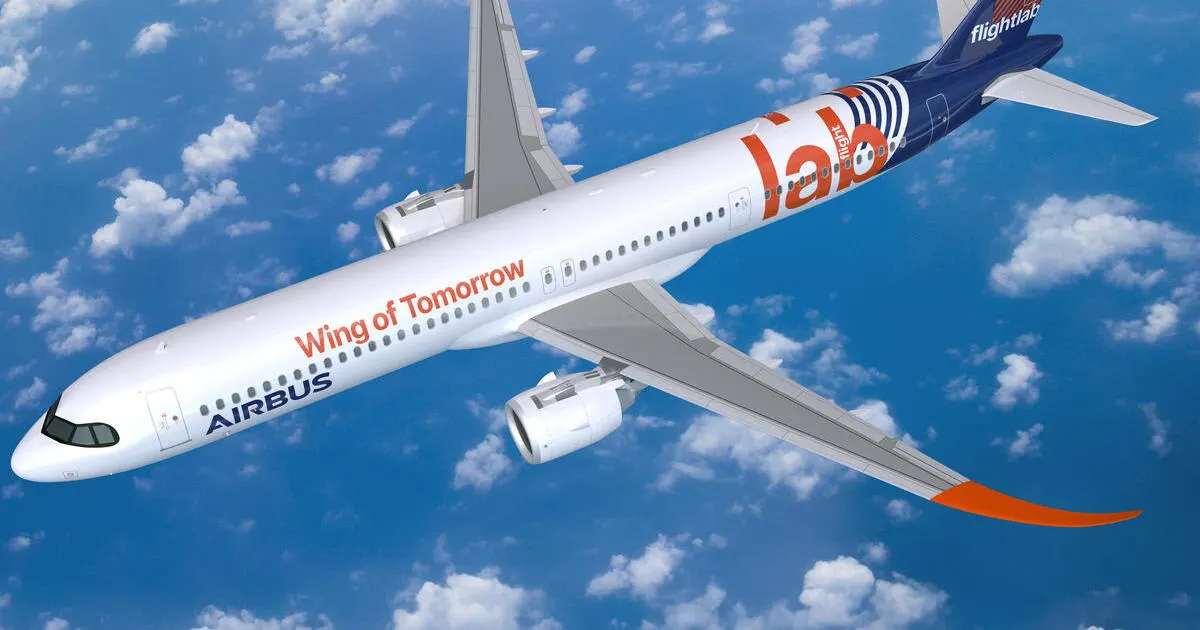
Airbus launched a three-year flight-test campaign using an A321neo to evaluate folding wings that extend up to five meters.
Voyageur Orders Canada's First Airbus U030 Flexrotor
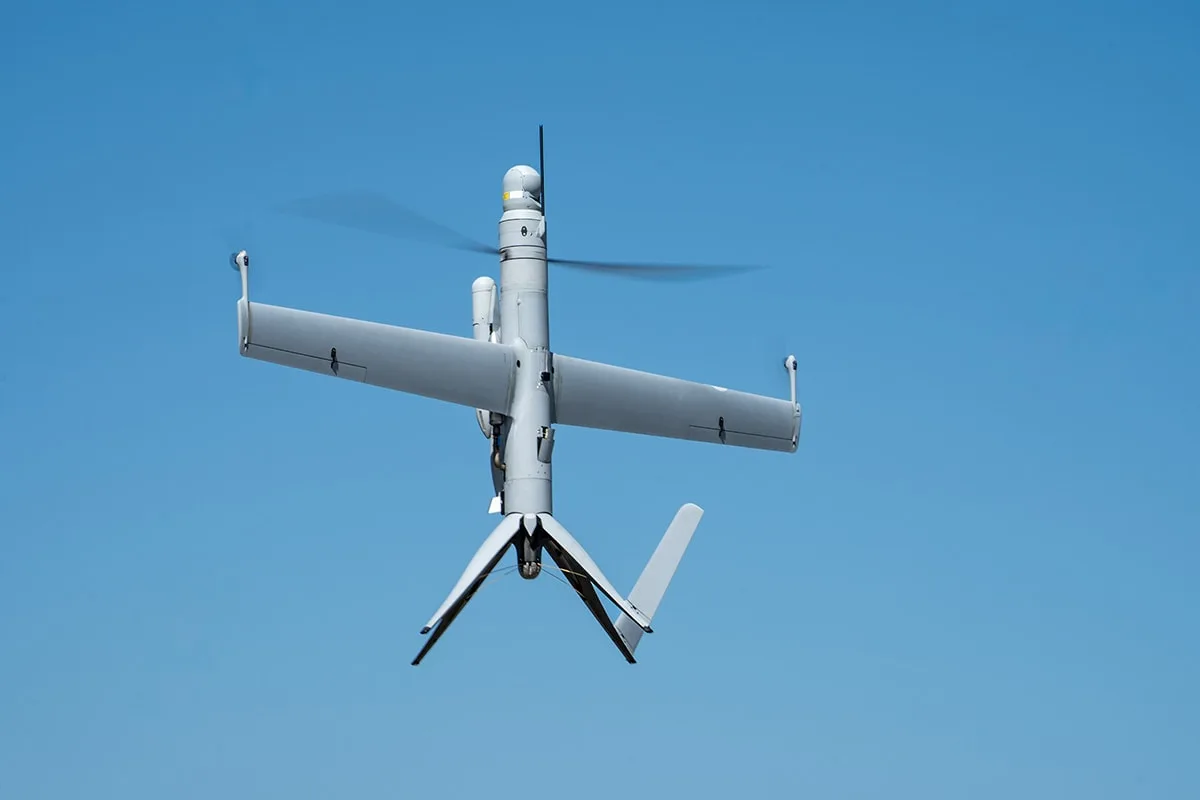
Voyageur Aviation ordered Canada's first Airbus U030 Flexrotor, a 25 kg tactical drone, to expand its maritime and Arctic surveillance capabilities.
LATAM Selects SES Multi-Orbit Wi-Fi for 60+ New Jets
LATAM Airlines signed a multi-year deal with SES to equip more than 60 incoming Airbus and Embraer aircraft with multi-orbit satellite Wi-Fi.
Lufthansa 787-9 Tests Tech to Cut Fuel and Noise
Boeing, Lufthansa, and Rolls-Royce partnered to test emissions-reducing technologies on a 787-9, targeting a 20% fuel efficiency improvement.