UK Plans National Flight Blacklist to Curb Air Rage

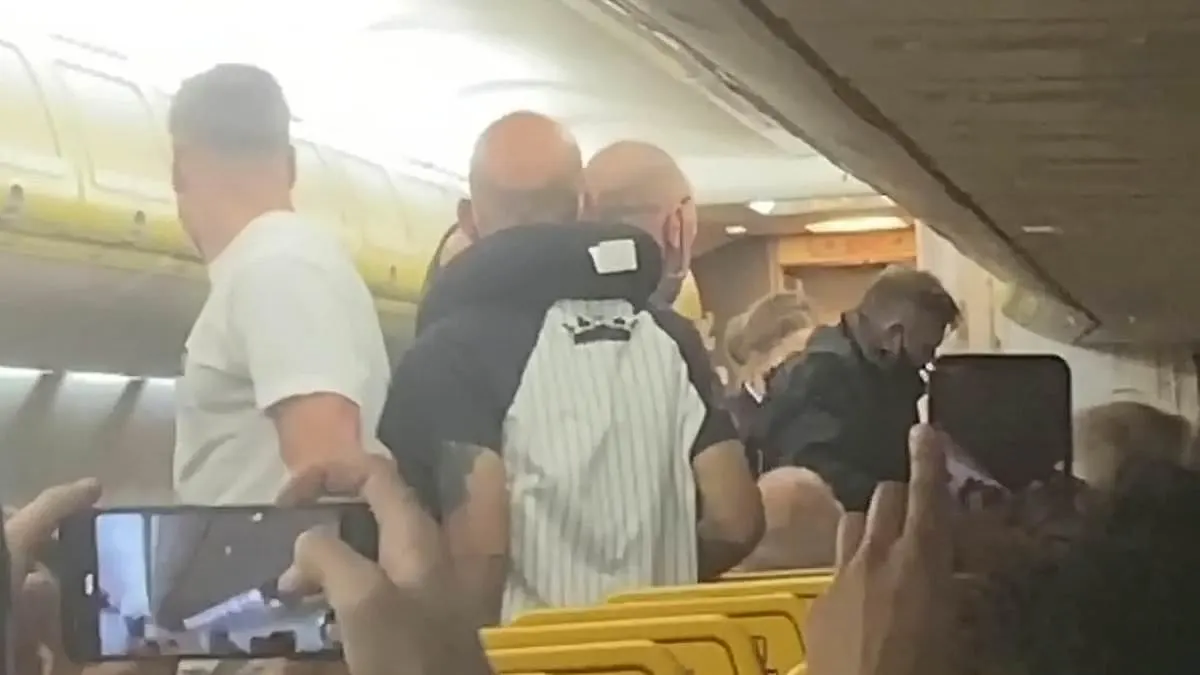
UK ministers are developing a national blacklist to ban disruptive airline passengers, aiming to address the surge in air rage incidents.
Key Takeaways
- •UK ministers are designing a national blacklist for disruptive airline passengers.
- •Unruly passenger incidents surged from 390 in 2019 to 1,245 in 2023.
- •A government-led summit to discuss the blacklist is expected in June 2026.
- •Current UK GDPR laws prevent airlines from sharing passenger data directly.
The UK government is drafting proposals for a UK national flight blacklist to address the rising frequency of disruptive airline passengers. Ministers from the Home Office and the Department for Transport (DfT) are currently war-gaming a centralized scheme to prevent rowdy individuals from simply switching carriers after being banned by one airline. This initiative comes in response to a significant surge in air rage incidents, which have climbed from 390 recorded cases in 2019 to 1,245 in 2023, according to the UK Civil Aviation Authority (CAA).
Closing the Data Loophole
Currently, strict data protection laws, specifically the UK General Data Protection Regulation (UK GDPR), prevent airlines from sharing passenger data directly with competitors. This creates a loophole where individuals banned for violent or abusive behavior can easily book with a different airline. The proposed government-administered scheme would bypass this by having public officials hold the data of blacklisted passengers. When an individual attempts to check in, the government would notify the carrier, which could then choose to block the passenger from traveling.
Industry leaders have expressed strong support for the move. Phil Ward, Chief Operations Officer of Jet2, noted that a national database would allow airlines to collectively enforce bans, significantly reducing the financial and operational strain caused by flight diversions. Tim Alderslade, chief executive of Airlines UK, described the measure as an important next step in addressing the most serious cases of in-flight disruption.
The Debate Over Civil Liberties
Despite industry backing, the proposal faces scrutiny from privacy advocates. Josie Appleton, founder of the Campaign for Freedom in Everyday Life, warned that a government-administered blacklist lacks the rehabilitation mechanisms found in criminal law. Appleton argued that the plan sets a dangerous precedent for state-corporate data sharing, potentially restricting citizen access to essential transport services. Critics question the criteria for inclusion, the duration of such bans, and the lack of oversight regarding who manages the list.
Industry Trends and Regulatory Precedents
The current situation mirrors international efforts to combat in-flight violence. The Federal Aviation Administration (FAA) in the United States implemented a Zero Tolerance policy in 2021, which authorized immediate, heavy fines for disruptive behavior. While the industry is pushing for a unified database, some executives, including Ryanair's Michael O’Leary, have suggested that preventative measures—such as limiting alcohol sales at airport bars before morning flights—could be more effective than reactive bans.
What Comes Next
Ministers are scheduled to hold a summit with aviation industry leaders in June 2026 to further discuss the implementation of the scheme. The government must determine how to structure the database to ensure it remains compliant with the UK Data Protection Act 2018 while effectively curbing the persistent threat posed by unruly passengers. The outcome of these discussions will determine whether the UK adopts a centralized, state-managed approach to managing passenger conduct.
Why This Matters
For the aviation industry, the proposal represents a critical shift toward collective enforcement against disruptive behavior that currently compromises crew safety and operational stability. If successful, the scheme could serve as a model for managing passenger conduct globally, though it risks ongoing legal and ethical challenges regarding the scope of government-mandated travel restrictions.
Frequently Asked Questions
- What is the goal of the proposed UK national flight blacklist?
- The proposed blacklist aims to close a loophole that allows disruptive passengers to switch airlines after being banned by one carrier. By creating a government-administered database, officials intend to prevent repeat offenders from booking flights across the entire UK aviation sector.
- Why can't airlines share blacklisted passenger data currently?
- Airlines are currently prevented from sharing passenger data with competitors due to strict data protection laws, specifically the UK General Data Protection Regulation (UK GDPR). The government's proposed scheme seeks to bypass this by having public officials manage the data instead.
From airline operations to fleet updates, commercial aviation news lives at omniflights.com. Follow aviation sustainability efforts, emissions research, and green initiatives in the Environmental section at omniflights.com/environmental.

Written by Hardik Vishwakarma
Co-Founder & Aviation News Editor leading initiatives that improve trust and visibility across the global aviation industry. Covers airlines, airports, safety, and emerging technology.
Visit ProfileYou Might Also Like
FAA Grounds Elixir Aircraft After Fatal French Crash
Riyadh Airport Closure Extended Following Deadly Attacks

Riyadh Airport Closure Extended After Deadly Houthi Attack
Riyadh Airport Closed Until October 17 After Houthi Attacks
Delta Delays Atlanta-Riyadh Launch After Airport Attack