UK Issues Cuba Travel Warning as Fuel Shortage Halts Flights Until Mid-June

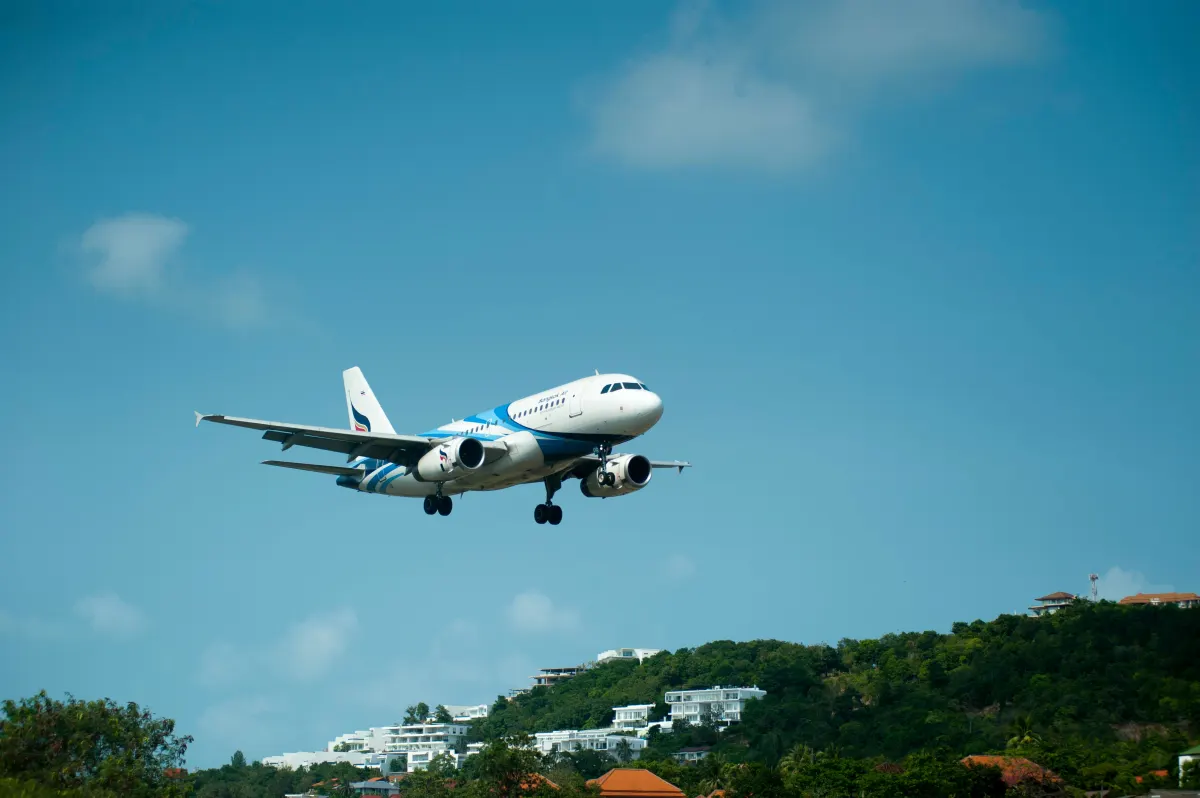
The UK Foreign Office has issued an urgent travel warning for Cuba due to a severe aviation fuel shortage, halting international flights until mid-June.
Key Takeaways
- •Issues urgent travel warning for Cuba, advising against all but essential travel.
- •Suspends Air France flights to Havana from late March until mid-June 2026.
- •Confirms all Cuban international airports are without aviation fuel, disrupting operations.
- •Impacts major carriers including all Canadian airlines and LATAM, cutting off key tourist markets.
The UK's Foreign, Commonwealth & Development Office (FCDO) has issued an urgent travel advisory for Cuba, warning against all but essential travel as a severe aviation fuel shortage cripples the nation's airports. The crisis has forced multiple international carriers, including Air France, to suspend services until at least mid-June 2026, causing significant disruption for travelers and the island's tourism-dependent economy.
The widespread unavailability of jet fuel is a symptom of a deeper, worsening national energy and infrastructure crisis. This has led to persistent power outages and fuel rationing across the country, creating an unstable operating environment for airlines and a challenging situation for visitors. The FCDO has cited these severe disruptions as the primary reason for its heightened travel warning, which could invalidate standard travel insurance policies for British nationals.
Official Advisories and Airline Actions
The UK government's official travel advice paints a stark picture of the situation on the ground. The FCDO states, "Cuba is experiencing severe and worsening disruption to essential infrastructure, persistent power outages across the country and fuel shortages. These conditions are significantly affecting the ability of visitors to access reliable transport, medical care, communications, and basic services."
In response to the fuel crisis, Air France confirmed it will suspend its service between Paris-Charles de Gaulle (CDG) and Havana (HAV) from the end of March. According to a statement from the airline, flights are not scheduled to resume until June 14 or June 15, 2026. This move follows similar actions by other major carriers. The FCDO advisory confirms that all Canadian airlines and LATAM have also suspended their flights to and from Cuba.
The impact on airport operations has been direct. Cuban authorities informed the FCDO that all of the country's international airports are without aviation fuel. At Havana's José Martí International Airport (HAV), Terminal 2 has been closed, with remaining operations consolidated into Terminal 3.
Industry Impact and Operational Workarounds
The suspension of flights from Canada represents a major blow to Cuba's tourism sector. In 2025, Cuba received 754,000 visitors from Canada, its largest single source market for tourists, according to the Cuban National Office of Statistics and Information. The halt in services effectively cuts off this critical revenue stream.
The fuel shortage stems from a broader national energy crisis, reportedly exacerbated by a halt in critical oil shipments from Venezuela. This has forced airlines that continue to serve Cuba to implement costly and complex operational adjustments.
Some long-haul European carriers have resorted to making technical stops in nearby countries, such as the Dominican Republic, to refuel before the transatlantic return flight. This adds significant time, fuel burn, and expense to the operation. Airlines operating shorter routes from the United States and Mexico have been able to maintain service by 'tankering' fuel—carrying enough fuel for the entire round trip from their point of origin. However, this strategy increases aircraft weight, reduces potential cargo capacity, and is not feasible for long-haul flights.
What Comes Next
While Air France has provided a tentative resumption date of mid-June, this timeline is contingent on a resolution to the nationwide fuel shortage. The FCDO has not specified an end date for its travel advisory, indicating that the situation remains volatile and subject to change. Travelers with existing bookings are advised to contact their airline or tour operator directly for information on cancellations, refunds, or rebooking options.
For the aviation industry, the focus will be on monitoring the stability of Cuba's fuel supply chain. A return to normal operations will require assurances from Cuban authorities that consistent and reliable refueling services can be guaranteed for all international carriers.
Why This Matters
This widespread suspension of flights highlights the profound impact that national infrastructure failures can have on international aviation operations. For Cuba, the crisis jeopardizes its vital tourism industry, a key source of foreign currency. For airlines, it demonstrates the operational risks of serving destinations with fragile supply chains, forcing difficult decisions about service continuity and passenger safety.
For in-depth airline coverage and commercial aviation news, omniflights.com delivers timely industry insights. From aircraft production to supply chains, commercial aviation manufacturing news is covered at omniflights.com/manufacturing.

Written by Ujjwal Sukhwani
Aviation News Editor & Industry Analyst delivering clear coverage for a worldwide audience. Covers flight operations, safety regulations, and market trends with expert analysis.
Visit ProfileYou Might Also Like

Southwest Reports Record Q3 Revenue Amid Transformation
American Airlines Reports Record Q3 Revenue Amid Fuel Costs
American Airlines Projects 2026 Loss on Rising Fuel Costs

American Airlines to Nearly Triple Premium 787-9 Fleet

Airline Shares Rise Following United Revenue Guidance