Trump Threatens ICE Deployment to US Airports Amid Funding Standoff

Co-Founder & CEOAviation News Editor delivering trusted coverage across the global aviation industry.
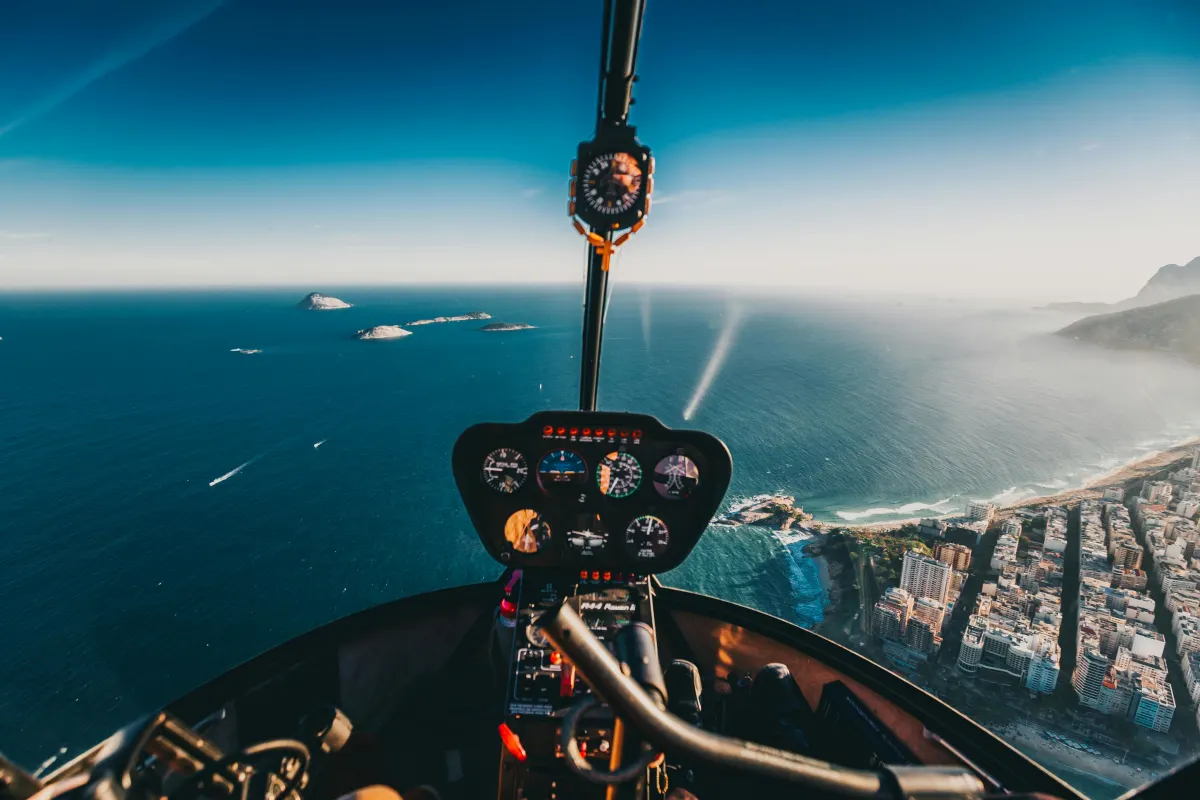
President Trump threatened to deploy ICE agents to US airports Monday amid a DHS funding standoff that has caused severe TSA staffing shortages.
Key Takeaways
- •Threatens deployment of ICE agents to US airports by March 23, 2026.
- •Cites DHS funding standoff as justification for the unprecedented move.
- •Impacts TSA operations, with over 366 agents resigning since mid-February.
- •Raises legal questions over ICE's authority under 8 U.S. Code § 1357.
Former President Donald Trump has threatened to deploy federal immigration agents to US airports as early as Monday, March 23, amid a protracted political standoff over funding for the Department of Homeland Security (DHS). The move would represent an unprecedented shift in airport security roles, coming as the Transportation Security Administration (TSA), the agency currently responsible for passenger screening, faces a severe staffing crisis due to the ongoing government shutdown.
The operational impact of the funding lapse, which began on February 14, 2026, is already straining the US aviation system. According to the DHS, at least 366 TSA agents have resigned since the shutdown began, citing financial hardship. The American Federation of Government Employees (AFGE) union, which represents the workforce, reports that its 50,000 members at the agency are being used as political pawns and could miss their second full paycheck on March 27, 2026. This has led to increased sick-outs, longer passenger wait times, and the closure of security checkpoints at major airports.
In a post on the Truth Social platform, Trump stated, “If the Radical Left Democrats don’t immediately sign an agreement to let our Country, in particular, our Airports, be FREE and SAFE again, I will move our brilliant and patriotic ICE Agents to the Airports.” Immigration and Customs Enforcement (ICE), an agency also under DHS, typically handles immigration enforcement and cross-border crime, not passenger security screening. Trump added that ICE would perform “Security like no one has ever seen before, including the immediate arrest of all Illegal Immigrants.”
The funding dispute stems from Democratic demands for changes to federal law enforcement operations following clashes in Minneapolis that resulted in the deaths of two protesters, Alex Pretti and Renee Good. Lawmakers are seeking new codes of conduct and identification requirements for federal officers.
Legal and Regulatory Questions
The proposed deployment of ICE agents to airport interiors raises significant legal questions regarding the agency's statutory authority. The relevant federal code, 8 U.S. Code § 1357, permits ICE and Customs and Border Protection (CBP) officers to conduct warrantless arrests of non-US citizens, but this authority is generally limited. The code specifies this power can be exercised “within a reasonable distance from any external boundary of the United States” and allows access to private lands “within a distance of 25 miles from any such external boundary.” Most major US airports are located well outside this 25-mile zone, making the legality of widespread interior immigration enforcement at security checkpoints highly contentious among civil liberties advocates.
This debate is further complicated by the REAL ID Act, which the TSA began enforcing nearly a year ago. The requirement for passengers to present federally compliant driver's licenses or passports already provides the government with clearer data on travelers' immigration status at security checkpoints.
Historical Precedent
This situation is highly analogous to the 2018–2019 United States federal government shutdown. In that instance, a 35-day funding lapse, also centered on disputes over border security and DHS funding, led to severe operational disruptions at US airports. Widespread TSA sick-outs caused significant flight delays and passenger bottlenecks, demonstrating the fragility of the aviation system when frontline security personnel work without pay. The 2019 shutdown ended only after the operational strain on the nation's airports became a major national issue, a pattern that appears to be repeating.
What Comes Next
Bipartisan talks to resolve the funding impasse have reportedly resumed in the Senate. Senate Majority Leader John Thune has urged the group to find a solution quickly, warning of the escalating operational impact. “If that group that’s meeting can’t come up with a solution really quickly, things are going to get worse and worse,” Thune stated.
Two key milestones are approaching:
- March 23, 2026: The date President Trump has set for the potential deployment of ICE agents to airports if no funding agreement is reached.
- March 27, 2026: The date when TSA workers are expected to miss their second consecutive full paycheck, likely exacerbating staffing shortages.
The outcome of the closed-door negotiations between White House officials and senators from both parties over the coming days will determine whether a resolution can be found to avert further disruption to the national air transportation system.
Why This Matters
This development signals a significant escalation in the use of critical national infrastructure as leverage in political disputes. For airlines and passengers, it introduces profound uncertainty and threatens to severely disrupt travel nationwide. More broadly, it challenges the established roles of federal agencies and tests the legal boundaries of immigration enforcement within the interior of the United States, with lasting implications for aviation security and civil liberties.
Visit omniflights.com for the latest commercial aviation news and airline industry updates. For detailed airline coverage, route changes, and fleet moves, explore the Airlines section at omniflights.com/airlines.
Written by Hardik Vishwakarma
Co-Founder & Aviation News Editor leading initiatives that improve trust and visibility across the global aviation industry. Covers airlines, airports, safety, and emerging technology.
Visit ProfileYou Might Also Like
Discover more aviation news based on similar topics

FAA Faces $3.5 Billion Shortfall in ATC Modernization
FAA Administrator Bryan Bedford reported a $3.5 billion shortfall for the Brand New Air Traffic Control System, totaling $16 billion for Phase One.
FAA Pauses Flights into LAX Due to Staffing Shortages
The FAA issued a temporary ground stop for flights bound for LAX on Monday morning due to staffing shortages at the Southern California TRACON.
FAA Proposes Ending Overland Supersonic Flight Ban
The FAA has proposed a new performance-based noise standard to replace the 1973 ban on overland supersonic flight, enabling future commercial travel.

DOT Rule Exempts Airlines From Cyberattack Delay Costs
Starting October 19, 2026, the DOT will allow airlines to withhold meal and hotel vouchers for delays caused by cyberattacks and nine other events.

Wizz Air, Ryanair Demand NATS Reform After ATC Failure
Wizz Air and Ryanair are calling for urgent NATS reform after a September 8 system failure caused over 1,000 flight cancellations across the UK.
US Treasury Iran Sanctions Target 27 Airlines, Mahan Air
The U.S. Treasury sanctioned 36 entities, including 27 Iranian airlines, to disrupt illicit procurement networks used by the Iranian government.