Sydney Airport Fog Causes Widespread Flight Cancellations

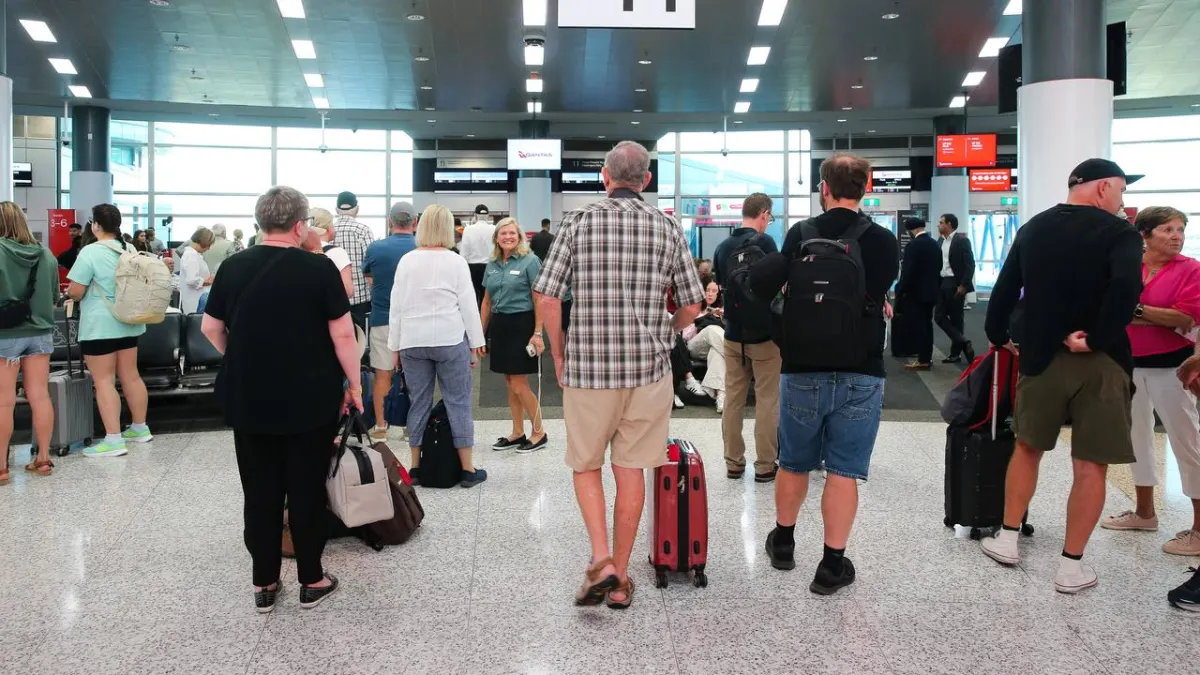
Dense fog at Sydney Airport forced numerous flight cancellations and delays, highlighting the facility's reliance on Category II landing systems.
Key Takeaways
- •Fog at Sydney Airport forced multiple Qantas and Jetstar flight cancellations.
- •Sydney's CAT II ILS limits landings during visibility below 300 meters.
- •Melbourne Airport's CAT III-B system allows operations in 50-meter visibility.
- •New Western Sydney International Airport will feature CAT III-B capabilities.
Dense fog blanketed Sydney Kingsford Smith Airport (SYD) on Wednesday, triggering a wave of Sydney Airport fog delays and network-wide disruptions. The weather event, which prompted the Bureau of Meteorology (BoM) to issue widespread visibility warnings, grounded several morning services and created significant operational challenges for major carriers including Qantas Airways (QF) and Jetstar Airways (JQ).
Operational Impact and Cancellations
According to official airport updates, the low-visibility conditions resulted in the cancellation of multiple domestic and international services. Affected flights include Qantas flight QF405 and QF425 to Melbourne, QF1427 to Canberra, and QF2160 to Port Macquarie. Jetstar flight JQ505 to Melbourne was also axed. International travelers faced similar disruption, with Qantas flight QF137 to Christchurch—a Boeing 737-800 service scheduled for 10:20 am—cancelled as the morning progressed. Passengers are encouraged to monitor Sydney Airport’s official flight status for real-time updates.
The Technical Limitation: Sydney’s CAT II Constraints
The current disruption underscores the structural vulnerability of Sydney's legacy infrastructure during radiation fog events. Unlike peer facilities, Sydney Airport utilizes a Category II (CAT II) Instrument Landing System (ILS). This system restricts operations when forward visibility drops below approximately 300 meters. Consequently, when the Bureau of Meteorology forecasts dense fog, the airport cannot support the lower visibility operations that more advanced facilities manage routinely.
Sydney vs. Melbourne: Landing Infrastructure
| Metric | Sydney Airport (SYD) | Melbourne Airport (MEL) |
|---|---|---|
| ILS Category | CAT II | CAT III-B |
| Min. Runway Visual Range | ~300 meters | ~50 meters |
| Autoland Capability | Limited/No | Yes |
As shown in the comparison, Melbourne Airport’s CAT III-B ILS allows for safe landings with as little as 50 meters of visibility. This technical disparity means that while Melbourne remains operational during thicker fog, Sydney is forced into ground stops, causing the cascading network delays currently impacting Qantas and Jetstar crew rosters and turnaround times.
Infrastructure Upgrades and Future Outlook
While airlines and airport authorities point to weather as the immediate cause, aviation infrastructure analysts argue that the recurring nature of these delays stems from a historical lack of investment in upgrading Sydney’s primary runways to CAT III-B standards. The industry is looking toward the opening of Western Sydney International Airport (WSI), currently expected in late 2026, which is mandated to feature advanced CAT III-B capabilities to mitigate these basin-wide weather vulnerabilities. In the interim, Airservices Australia continues to manage the flow of traffic, though capacity remains strictly governed by the existing ILS limitations.
Why This Matters for Passengers
For travelers, these events represent a high-severity disruption, particularly on high-load factor routes like the Sydney-to-Melbourne corridor. The inability of the airport to process arrivals during low-visibility periods forces massive rebooking efforts and terminal overcrowding. As seasonal radiation fog continues to impact the region, the reliance on legacy navigation infrastructure will remain a primary driver of passenger frustration until the next generation of airport capacity comes online.
Frequently Asked Questions
- Why does fog cause more delays at Sydney Airport than at Melbourne Airport?
- Sydney Airport uses a Category II Instrument Landing System (ILS), which requires visibility of at least 300 meters to land. Melbourne Airport uses a more advanced Category III-B ILS, which allows landings in visibility as low as 50 meters.
- What is the role of the Bureau of Meteorology in aviation safety?
- The Bureau of Meteorology provides official Terminal Aerodrome Forecasts (TAF) and aviation weather warnings. These forecasts dictate whether airlines must plan for diversions or carry additional holding fuel when flying into airports during low-visibility events.
Stay ahead of the airline industry with commercial aviation news from omniflights.com. Follow aviation sustainability efforts, emissions research, and green initiatives in the Environmental section at omniflights.com/environmental.

Written by Hardik Vishwakarma
Co-Founder & Aviation News Editor leading initiatives that improve trust and visibility across the global aviation industry. Covers airlines, airports, safety, and emerging technology.
Visit ProfileYou Might Also Like

United Airlines Boeing 777 Returns to SFO After Engine Issue

Saudi Aviation Hubs Targeted as EASA Issues Airspace Warning

Army Report Spurs Urgent Push for ADS-B Safety Legislation
Boeing 737-10 Certification Moves Ahead After FAA Review
Army Report: Faulty Black Hawk Caused 67-Death DC Collision