Ryanair 737-800 Engine Failure Causes Cabin Decompression

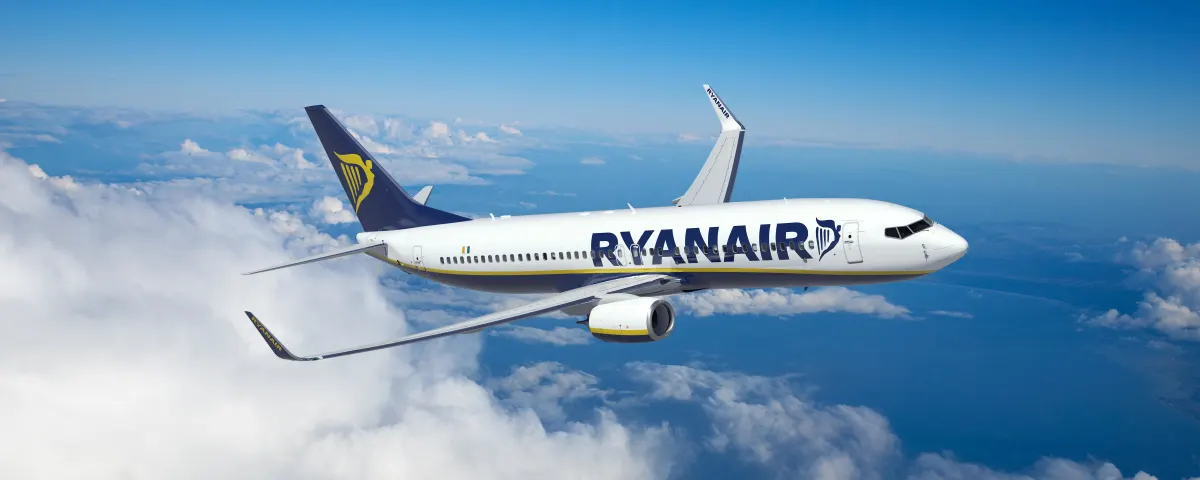
A Ryanair Boeing 737-800 suffered an uncontained engine failure, causing a window to shatter and injuring a passenger at 16,000 feet.
Key Takeaways
- •Ryanair flight FR1879 suffered an uncontained engine failure on July 10, 2026.
- •Debris shattered a cabin window, causing rapid decompression at 16,000 feet.
- •One passenger was injured after being partially pulled toward the window.
- •The AAIIC is leading the investigation with support from the NTSB.
Incident Overview
Ryanair flight FR1879, operated by Malta Air using a Boeing 737-800 (registration 9H-QEU), experienced an uncontained engine failure on July 10, 2026. Shortly after departing Thessaloniki, Greece, debris from the aircraft's right CFM56-7B engine struck the fuselage, shattering a cabin window and triggering a cabin decompression emergency. According to Flightradar24 ADS-B data, the flight crew initiated an immediate descent from 16,000 feet to 6,000 feet, ultimately returning to Thessaloniki for an emergency landing. A 61-year-old passenger was partially pulled toward the opening during the decompression and sustained physical injuries, including friction burns and shock.
Investigation and Regulatory Framework
The AAIIC (Aircraft Accident and Incident Investigation Committee) of North Macedonia has assumed authority over the investigation, as the incident occurred within their regional airspace. The NTSB (National Transportation Safety Board) is providing technical assistance in its capacity as the state of design and manufacture for the Boeing aircraft. CFM International, the manufacturer of the CFM56-7B engine, confirmed it is cooperating with investigators. A Ryanair spokesperson stated that the aircraft landed normally and all passengers were evacuated to the terminal, where the injured individual received medical attention.
Industry Trends and Structural Integrity
This event highlights ongoing industry concerns regarding fan blade fatigue and the structural containment capabilities of the 737 NG engine nacelles. The FAA (Federal Aviation Administration) has previously mandated ultrasonic inspections for fan blade dovetails to mitigate the risk of a FBO (Fan Blade Out) event. Under 14 CFR Part 39, the FAA has issued mandates requiring a redesign of the engine inlet and fan cowls by July 31, 2028, to improve debris containment. However, some aviation safety advocates have argued that this timeline is too lenient given the recurring nature of these failures.
Historical Precedents
This incident closely mirrors the Southwest Airlines Flight 1380 event on April 17, 2018. In that case, an uncontained CFM56-7B failure shattered a window and resulted in a passenger fatality, which subsequently led to widespread regulatory action. Similarly, Southwest Airlines Flight 3472 in 2016 also involved fuselage damage from engine debris. These precedents underscore the mechanical risks inherent in the current 737 NG engine configuration.
CFM56-7B vs LEAP-1B: Key Specifications
| Metric | CFM56-7B (737 NG) | LEAP-1B (737 MAX) |
|---|---|---|
| Fan Blade Material | Titanium alloy | Carbon fiber composite |
| Bypass Ratio | 5.1:1 - 5.5:1 | 9.0:1 |
| Fan Diameter | 61 inches | 69.4 inches |
Investigation Trajectory
The AAIIC is expected to release a preliminary investigation report within 30 days. This document will likely focus on whether the failure resulted from material fatigue or maintenance oversight. The investigation's findings will be scrutinized by the FAA to determine if the existing compliance timeline for nacelle redesigns remains sufficient. Stakeholders, including Boeing and CFM International, face heightened pressure to demonstrate that existing inspection regimes can effectively prevent further uncontained failures before the 2028 compliance deadline.
Why This Matters for Aviation Safety
For the aviation industry, this incident serves as a critical reminder of the physical dangers posed by uncontained engine failures at altitude. The event places renewed focus on the effectiveness of current AD (Airworthiness Directive) requirements and the structural robustness of aging aircraft fleets. As regulators review the incident, the findings will likely dictate whether the current 2028 deadline for mandatory engine nacelle upgrades is accelerated to protect passenger safety.
Frequently Asked Questions
- What caused the window to shatter on the Ryanair flight?
- The window shattered after debris from an uncontained failure of the aircraft's right CFM56-7B engine struck the fuselage.
- What is the current FAA requirement for the CFM56-7B engine nacelles?
- The FAA has mandated a redesign of the CFM56-7B engine inlet and fan cowls to improve debris containment, with a final compliance deadline of July 31, 2028.
For in-depth airline coverage and commercial aviation news, omniflights.com delivers timely industry insights. From aircraft production to supply chains, commercial aviation manufacturing news is covered at omniflights.com/manufacturing.

Written by Shashank Shukla
Co-Founder & CTO leading the engineering and AI systems behind Omni Flights. Covers aviation technology, flight safety, aircraft manufacturing, and emerging aerospace developments.
Visit ProfileYou Might Also Like
Boeing 737-10 Certification Moves Ahead After FAA Review
Army Report: Faulty Black Hawk Caused 67-Death DC Collision
Airline CEOs Address Flydubai Cockpit Attack Security
Saudia A320 Destroyed in Riyadh Airport Missile Strike
Saudi Arabia Opens Probe Into Flydubai Cockpit Attack