Sunward SA60L Crashes Into Beijing CITIC Tower

Co-Founder & CEOAviation News Editor delivering trusted coverage across the global aviation industry.

A Sunward SA60L Aurora light sport aircraft crashed into Beijing's 528-meter CITIC Tower on June 26, 2026, triggering an investigation.
Key Takeaways
- •Sunward SA60L aircraft struck Beijing's 528-meter CITIC Tower on June 26.
- •The flight breached strict Beijing airspace regulations implemented May 1, 2026.
- •Shuangyue General Aviation faces a mandatory CAAC safety audit and grounding.
- •CAAC preliminary accident report is expected to be released in July 2026.
A Sunward SA60L Aurora light sport aircraft crashed into the CITIC Tower (China Zun) in Beijing on Friday, June 26, 2026, at approximately 6:00 PM local time. The incident involving the Beijing CITIC Tower plane crash prompted a massive emergency response in the capital’s Central Business District. The aircraft, identified as a B-12PP registered to Shuangyue General Aviation Co., struck the 109-story skyscraper, which stands as the tallest building in Beijing at 528 meters (1,732 feet).
The Incident and Aircraft Specifications
Data posted by FlightRadar24 indicated the aircraft was registered to Shuangyue General Aviation Co. and departed from the small Shifosi Airport before the China Zun aircraft collision occurred, bearing the tail number B-12PP. The Sunward SA60L Aurora is a Light Sport Aircraft (LSA) with a maximum takeoff weight of 600 kg (approximately 1,300 lbs) and a wingspan of 8.6 meters (28 feet). According to manufacturer specifications, the aircraft has a maximum cruise speed of 220 km/h (118 knots). Ian Petchenik, a spokesman for Flightradar24, noted the flight path was highly unusual for its typical training operations east of Beijing, describing the deviation as out of character.
Regulatory Context and Airspace Security
The crash occurred in a region subject to strict airspace controls. Effective May 1, 2026, the Beijing Public Security Bureau and the Civil Aviation Administration of China (CAAC) implemented the Regulations of Beijing Municipality on the Administration of Unmanned Aerial Vehicles. This policy designated the entire municipality as controlled airspace, effectively banning unapproved recreational flights. The collision highlights the tension between China's goal of developing a trillion-yuan low-altitude economy and the necessity of maintaining urban airspace security.
Stakeholder Impact and Operational Consequences
Shuangyue General Aviation faces immediate operational grounding and a comprehensive safety audit by the CAAC. The operator may face the potential revocation of its operating license. For the CITIC Group, the event caused exterior damage to its global headquarters and triggered emergency evacuations. Other general aviation operators in the Beijing area are bracing for more stringent enforcement of existing flight bans.
Technical Comparison: SA60L vs. Skycatcher
| Metric | Sunward SA60L Aurora | Cessna 162 Skycatcher |
|---|---|---|
| Max Takeoff Weight | 600 kg | 600 kg |
| Cruise Speed | 220 km/h (118 kts) | 207 km/h (112 kts) |
| Range | 1,200 km (648 nmi) | 870 km (470 nmi) |
Historical Precedents
This incident mirrors the 2002 Pirelli Tower crash in Milan and the 2006 Cory Lidle aircraft crash in New York City. In both instances, light aircraft breaches into densely populated urban centers resulted in significant loss of life and subsequent permanent restrictions on Visual Flight Rules (VFR) operations near sensitive urban landmarks. These precedents suggest that the CAAC will likely move to further tighten flight corridors for general aviation in the coming months.
What Comes Next
The CAAC is expected to release a preliminary accident investigation report in July 2026. Following this, the CAAC and the Beijing Public Security Bureau are expected to conduct a comprehensive review of urban flight corridors and general aviation security protocols throughout the third quarter of 2026.
Why This Matters for Industry Stakeholders
This event serves as a critical test for the CAAC's management of the emerging low-altitude economy. While industry advocates, such as the China Low-Altitude Economy Alliance, argue that rigid restrictions stifle innovation, the security risk posed by light aircraft in dense urban environments remains a primary concern for regulators. The incident signals a likely shift toward more aggressive surveillance and enforcement of general aviation flight paths in major Chinese metropolitan areas.
Frequently Asked Questions
- What aircraft was involved in the Beijing CITIC Tower collision?
- The aircraft involved was a Sunward SA60L Aurora, a light sport aircraft registered to Shuangyue General Aviation with the tail number B-12PP.
- Why was the flight of the Sunward SA60L into Beijing considered a breach of regulations?
- Beijing implemented new regulations on May 1, 2026, that designated the entire municipality as controlled airspace, effectively banning unapproved recreational and general aviation flights to protect sensitive urban centers.
Stay ahead of the airline industry with commercial aviation news from omniflights.com. Follow aviation sustainability efforts, emissions research, and green initiatives in the Environmental section at omniflights.com/environmental.
Written by Hardik Vishwakarma
Co-Founder & Aviation News Editor leading initiatives that improve trust and visibility across the global aviation industry. Covers airlines, airports, safety, and emerging technology.
Visit ProfileYou Might Also Like
Discover more aviation news based on similar topics

Families Demand DCA Midair Collision Safety Reforms
Families of 67 victims from the 2025 DCA midair collision are pressing Congress for mandatory ADS-B In technology to prevent future aviation tragedies.
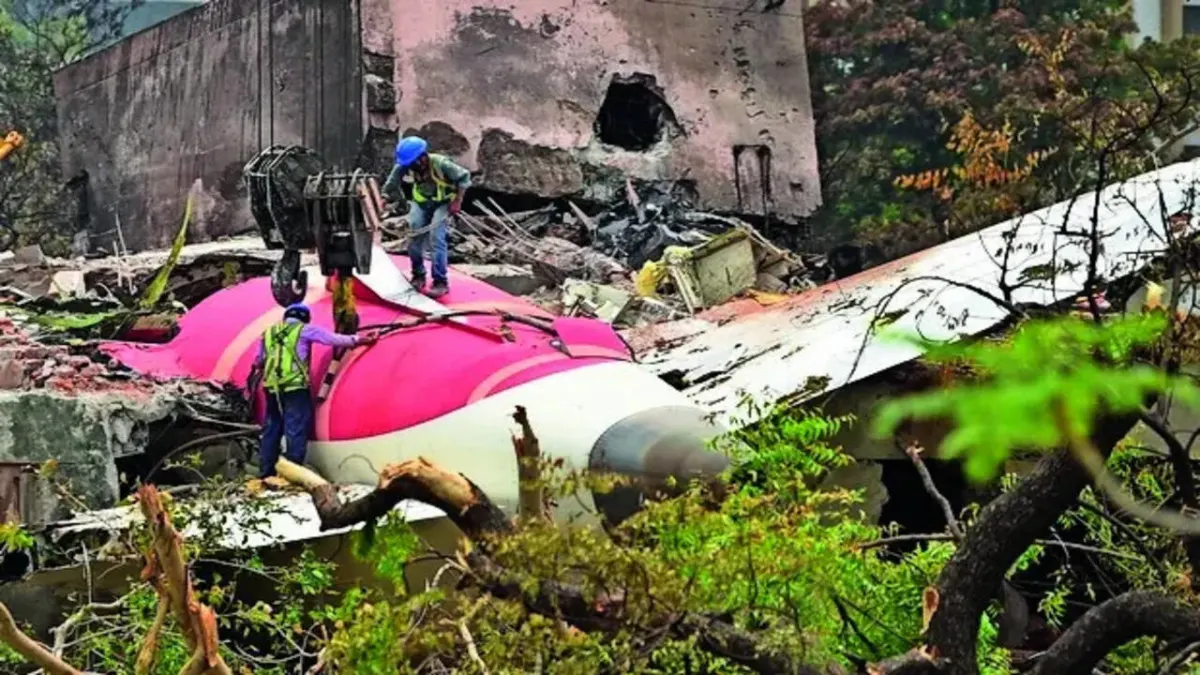
FAS Challenges AAIB Over Boeing 787 Safety Data
The Foundation for Aviation Safety is urging the AAIB to issue safety warnings for the Boeing 787 fleet following the fatal Air India 171 crash.
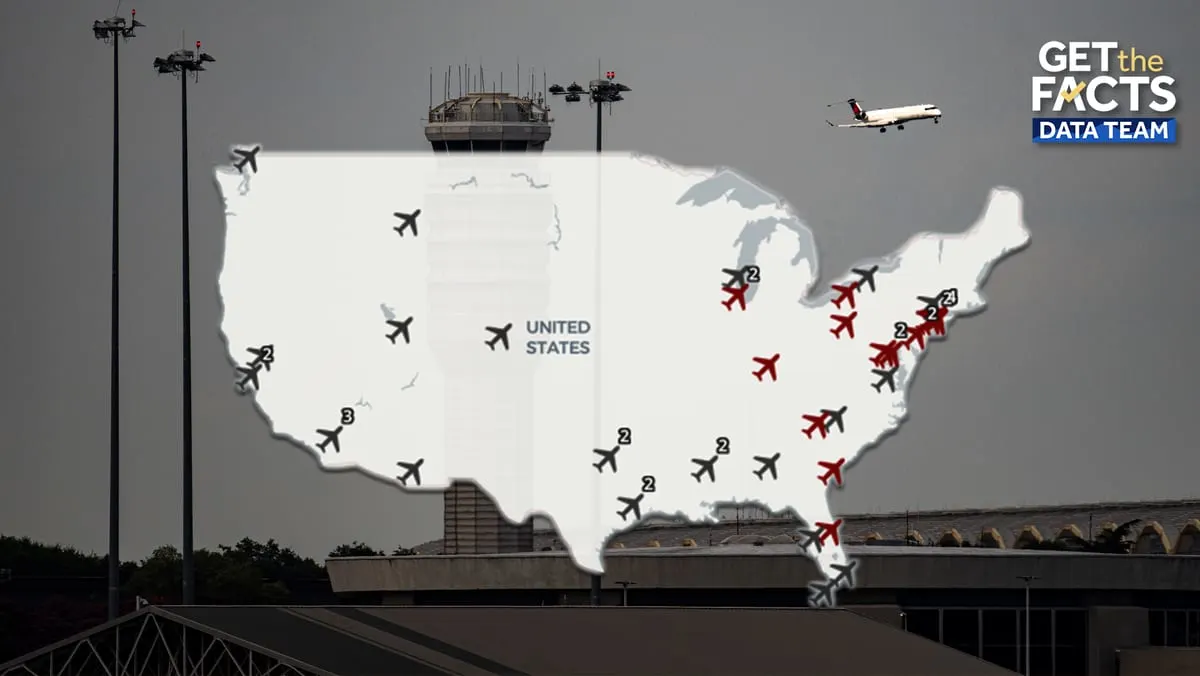
NTSB Safety Recommendations Lag Amid 6 Monthly Near-Misses
Approximately 6 near-miss incidents occur monthly at U.S. airports as 270 NTSB safety recommendations remain unaddressed by federal regulators.
NTSB Rejects FAA Safety Responses After 67-Fatality Crash
The NTSB labeled 11 FAA responses to 2025 DCA mid-air collision recommendations as unacceptable, citing the lack of a mandatory ADS-B In requirement.
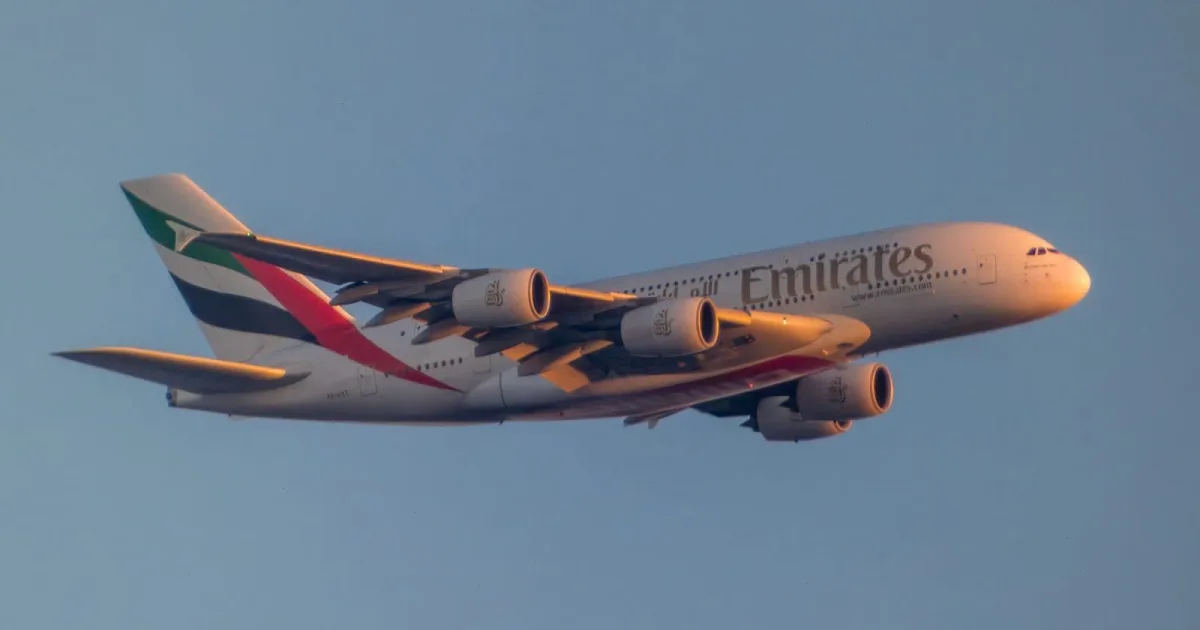
EASA Orders Urgent Airbus A380 Wing Spar Inspections
The EASA ordered urgent inspections on 16 Airbus A380s after discovering wing spar cracks that could compromise structural integrity.
Ryanair Flight RK514 Diverts to Birmingham After Emergency
Ryanair flight RK514 diverted to Birmingham Airport on September 13, 2026, following a medical emergency involving a passenger.