Strait of Hormuz Closed; US Strikes 140 Iranian Targets

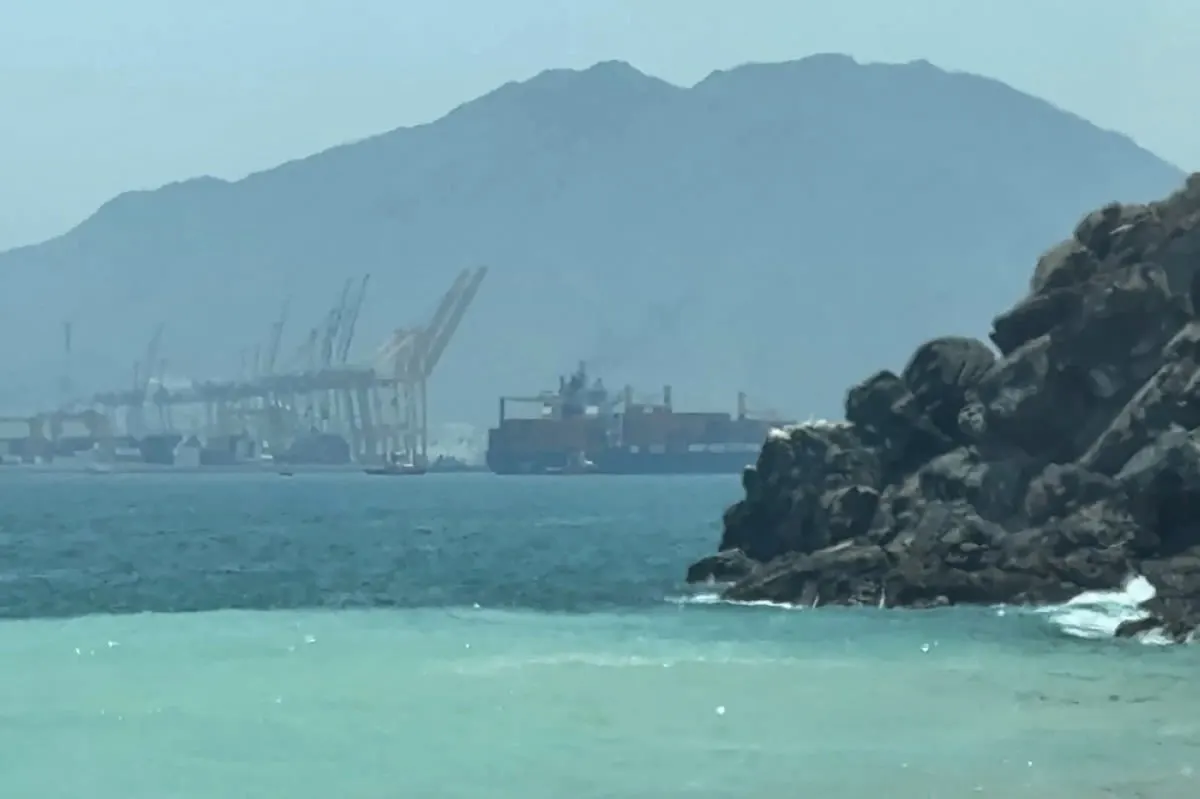
Iran declared the Strait of Hormuz closed following a ship attack, while the US military reported striking 140 targets in response to regional threats.
Key Takeaways
- •Iran declares Strait of Hormuz closed after M/V GFS Galaxy attack.
- •CENTCOM strikes 140 Iranian targets in response to regional aggression.
- •Commercial aviation and maritime sectors face mandatory rerouting and risks.
- •US-Iran ceasefire renegotiation expected by August 2026.
Escalating Conflict in the Strait of Hormuz
The Strait of Hormuz closure remains a point of intense geopolitical friction as the United States Central Command (CENTCOM) continues its retaliatory campaign against Iranian assets. Following a targeted attack on the Cyprus-flagged container ship M/V GFS Galaxy, the Islamic Revolutionary Guard Corps (IRGC) announced the waterway would be closed until further notice. This development has triggered a severe response from the United States, with CENTCOM reporting a strike against approximately 140 targets across Iran in a single night. This escalation marks the third round of military engagement between the two nations this week, further destabilizing the region's critical logistics corridors.
Operational Impact on Maritime and Aviation Sectors
The closure of this vital waterway carries significant consequences for the global energy supply chain, as the Strait of Hormuz typically facilitates the transit of roughly 20% of the world's traded oil. For the commercial maritime and energy sectors, the current environment has forced immediate rerouting and spiked war risk insurance premiums. Simultaneously, Middle East airspace safety has become a primary concern for international carriers. With live-fire missile exchanges occurring between Iranian forces and US military bases in Qatar, Bahrain, Kuwait, and Jordan, commercial aviation operators are actively avoiding the Tehran Flight Information Region to mitigate the risk of collateral damage from surface-to-air threats.
Technical Analysis: The Retaliatory Cycle
The current conflict dynamics reflect a rapid acceleration of the retaliatory cycle observed in previous regional tensions. While Operation Praying Mantis in 1988 established a precedent for US naval engagement in the Persian Gulf, the current integration of Unmanned Aerial Vehicle (UAV) technology and long-range ballistic missile strikes introduces a high-velocity threat profile. The IRGC maintains that its actions are a response to unauthorized transit corridor violations, whereas the United States asserts its commitment to freedom of navigation under the United Nations Convention on the Law of the Sea. This pattern suggests that regional stability remains tethered to the success of diplomatic mediators, such as Pakistan, who continue to advocate for de-escalation as the primary alternative to sustained kinetic operations.
Pending Diplomatic Milestones
Looking forward, the regional situation remains highly volatile as both sides navigate the collapse of previous agreements. The primary milestone on the diplomatic horizon is the potential renegotiation of the interim ceasefire, which is expected to be addressed by the United States and Iranian governments by August 2026. Until such a framework is re-established, military readiness across the Gulf remains at an elevated state, with US forces positioned to ensure continued commercial transit despite Iranian claims of control.
Why Regional Stability Matters
The ongoing confrontation underscores the fragility of global trade infrastructure when subjected to localized geopolitical disputes. For the aviation and maritime industries, the signal is clear: the integration of regional conflict zones into global logistics networks requires a heightened reliance on real-time threat intelligence and agile rerouting strategies. The ability of mediators to restore a stable transit environment will determine the long-term viability of current trade routes in the Persian Gulf.
Frequently Asked Questions
- What is the current status of the Strait of Hormuz for commercial shipping?
- Iran has declared the strait closed until further notice following an attack on a commercial vessel, while the United States maintains that the waterway remains open and is actively ensuring freedom of navigation.
- How are aviation operators responding to the conflict in the Persian Gulf?
- Aviation operators are actively rerouting flights to avoid Iranian airspace and the Strait of Hormuz due to the risks posed by live-fire surface-to-air missile threats and drone attacks.
omniflights.com provides comprehensive commercial aviation news covering airlines, aircraft, and airports. Follow aviation sustainability efforts, emissions research, and green initiatives in the Environmental section at omniflights.com/environmental.

Written by Shashank Shukla
Co-Founder & CTO leading the engineering and AI systems behind Omni Flights. Covers aviation technology, flight safety, aircraft manufacturing, and emerging aerospace developments.
Visit ProfileYou Might Also Like
Riyadh Airport Operations Halted After Houthi Missile Strike
Riyadh Airport Struck by Missile; Hundreds of Flights Cut
Riyadh Airport Attack: 12 Killed, Operations Halted at RUH

United Airlines Boeing 777 Returns to SFO After Engine Issue

Saudi Aviation Hubs Targeted as EASA Issues Airspace Warning