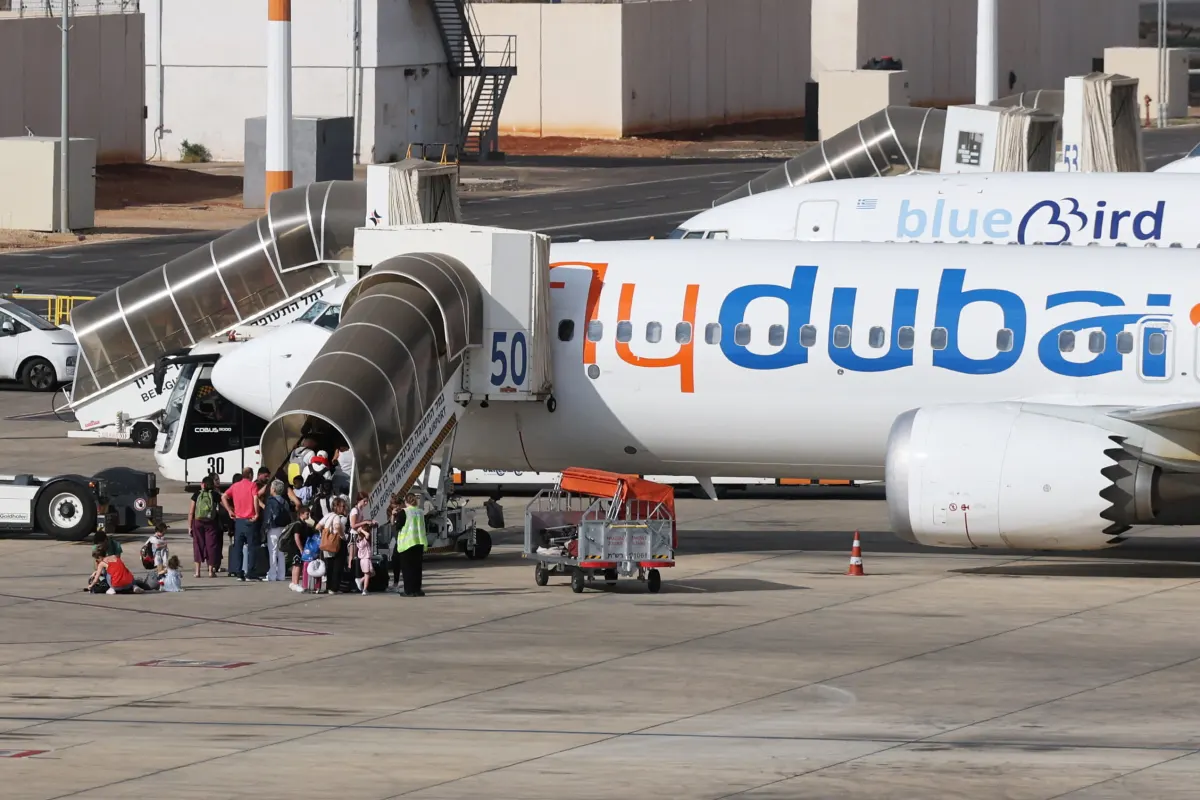
Hawker 800XP Near Miss With United 787 Near Teterboro

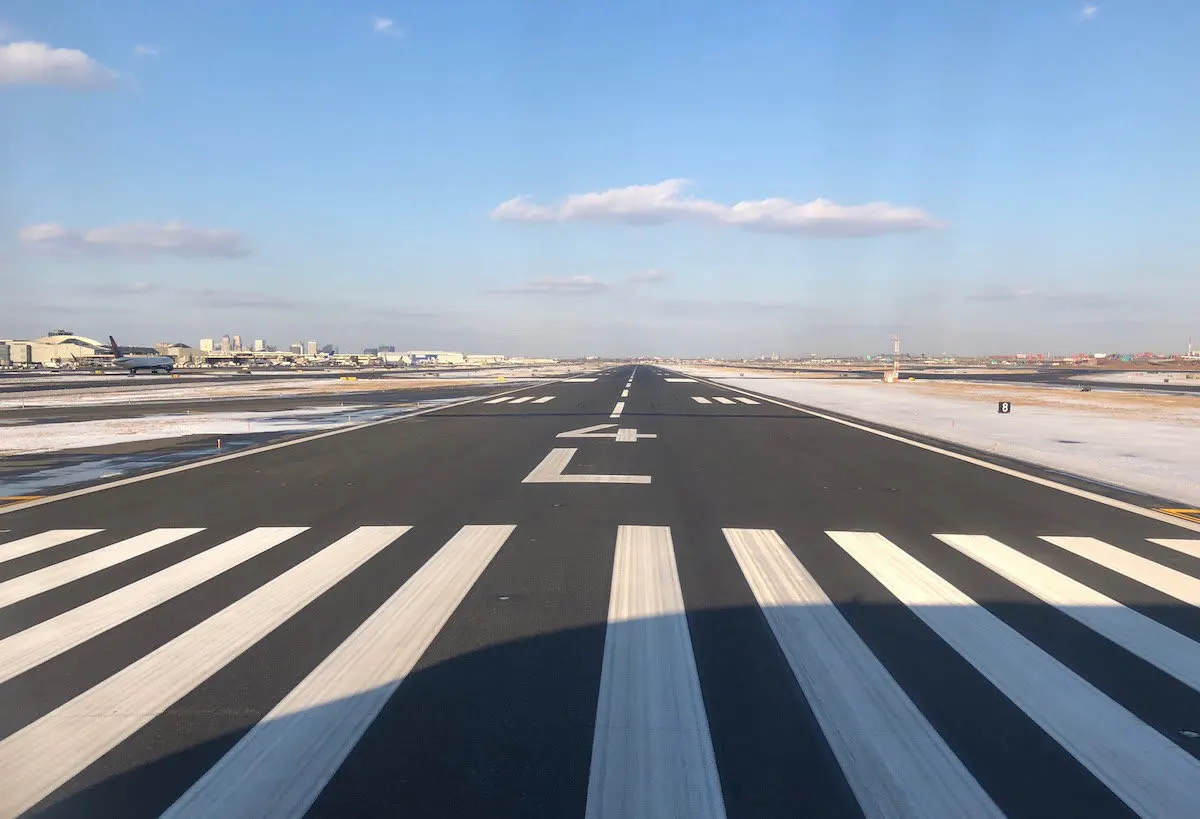
A Hawker 800XP pilot failed to follow ATC instructions, forcing a United 787 to execute a TCAS resolution advisory to avoid a collision on July 8, 2026.
Key Takeaways
- •Hawker 800XP pilot ignored ATC, causing a near-miss on July 8, 2026.
- •United 787-10 triggered a TCAS Resolution Advisory to avoid collision.
- •NTSB preliminary report on the incident is expected by late August 2026.
- •FAA is expected to initiate pilot certificate reviews by late 2026.
The July 8 Near-Miss Incident
A Hawker 800XP private jet, registered as N58DH, nearly collided with a United Airlines Boeing 787-10 (Flight UA1981) on the evening of July 8, 2026, in the highly congested airspace surrounding Teterboro Airport (TEB) and Newark Liberty International Airport (EWR). The Hawker 800XP near miss occurred when the private jet pilot failed to follow Air Traffic Control (ATC) altitude instructions, remaining at 6,000 feet instead of climbing to the mandated 15,000 feet. This altitude deviation forced the United Airlines 787 TCAS—the Traffic Collision Avoidance System—to trigger a Resolution Advisory (RA), requiring the commercial flight crew to take immediate evasive action to avoid a mid-air collision.
The Breakdown in Communication
The Teterboro ATC miscommunication incident serves as a stark example of the risks inherent in mixing general aviation with high-capacity commercial traffic in the New York terminal area. ATC audio transcripts reveal that the pilot of the Hawker 800XP questioned the assigned climb clearance, subsequently remaining at the lower altitude despite clear directives. The managing controller eventually reprimanded the pilot over the frequency, stating, "You have disregarded every single instruction." This failure to comply with 14 CFR Part 91.123 highlights a severe breakdown in situational awareness and radiotelephony protocol.
Industry Implications and Regulatory Context
The Newark airspace traffic conflict underscores the intense pressure on controllers managing complex terminal environments. Beyond individual pilot error, industry advocates note that systemic factors—including controller understaffing and the inherent complexity of the New York terminal design—contribute to these recurring safety challenges. Under ICAO English Language Proficiency Requirements (LPRs), pilots operating internationally are expected to maintain at least a Level 4 operational proficiency. The severe miscommunications observed in this incident have prompted renewed scrutiny regarding the language proficiency and situational awareness of private jet crews operating within Class B airspace.
Technical Comparison: Hawker 800XP vs. Boeing 787-10
| Metric | Hawker 800XP | Boeing 787-10 |
|---|---|---|
| Max Takeoff Weight | 28,000 lbs | 560,000 lbs |
| Passenger Capacity | 8-10 passengers | 330 passengers |
| Max Cruise Speed | 448 knots | 488 knots |
Historical Precedents in Congested Airspace
This incident draws parallels to the January 2023 runway incursion involving American Airlines and Delta at JFK, where a miscommunication nearly resulted in a collision. Similarly, the 2017 Air Canada flight 759 near-miss at San Francisco International Airport demonstrated the catastrophic potential of lost situational awareness in busy terminal corridors. Both events led to significant National Transportation Safety Board (NTSB) recommendations regarding ATC clearances and cockpit safety protocols, patterns that contrast with the current incident by highlighting how rapidly such errors can escalate into collision hazards.
What Comes Next: The NTSB Investigation
The NTSB is expected to release a preliminary investigation report between late July and August 2026 to detail the specific sequence of events. Furthermore, the Federal Aviation Administration (FAA) is anticipated to initiate enforcement actions or a formal pilot certificate review by late 2026. These regulatory milestones will be critical in determining whether the incident warrants structural changes to how private aviation is managed in the New York corridor.
Why This Matters for Aviation Safety
For commercial airline crews and private operators alike, this incident reinforces the critical reliance on automated safety systems to mitigate risks in high-density airspace. It signals to regulators that current training protocols for general aviation pilots operating in commercial corridors may require enhanced oversight. For passengers, the event highlights the effectiveness of the Traffic Collision Avoidance System as a final layer of defense against human error in one of the world's most complex aviation sectors.
Frequently Asked Questions
- What caused the near-miss between the Hawker 800XP and the United 787?
- The incident was caused by the Hawker 800XP pilot failing to follow air traffic control instructions to climb to 15,000 feet, instead remaining at 6,000 feet. This deviation forced the United Airlines Boeing 787-10 to execute a TCAS resolution advisory to avoid a collision.
- What is a TCAS Resolution Advisory?
- A Resolution Advisory, or RA, is a maneuver recommended by the Traffic Collision Avoidance System to flight crews to help them avoid a potential mid-air collision.
Stay ahead of the airline industry with commercial aviation news from omniflights.com. Get the latest updates on major hubs, regional terminals, and airport operations via the Airports section at omniflights.com/airports.

Written by Shashank Shukla
Co-Founder & CTO leading the engineering and AI systems behind Omni Flights. Covers aviation technology, flight safety, aircraft manufacturing, and emerging aerospace developments.
Visit ProfileYou Might Also Like

United Airlines Boeing 777 Returns to SFO After Engine Issue

Saudi Aviation Hubs Targeted as EASA Issues Airspace Warning

Army Report Spurs Urgent Push for ADS-B Safety Legislation
Boeing 737-10 Certification Moves Ahead After FAA Review
Army Report: Faulty Black Hawk Caused 67-Death DC Collision