STB Arranges Special Flight to Oman for Foreigners Stranded in Singapore

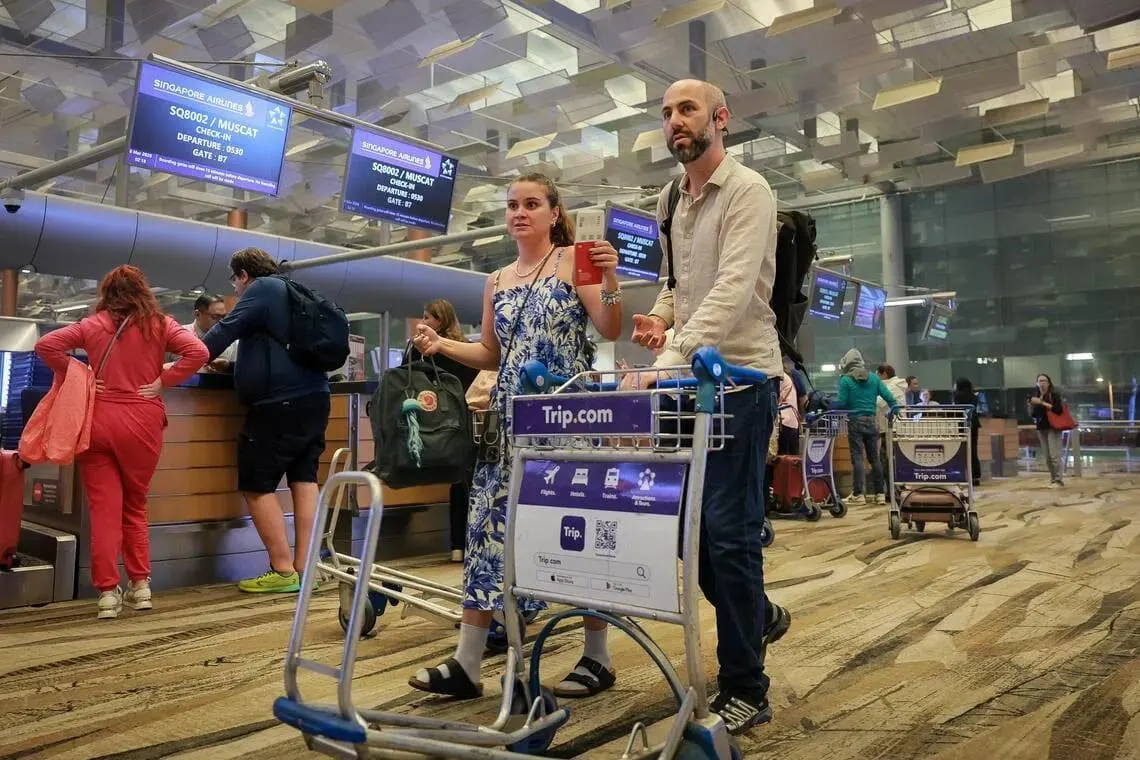
Singapore's Tourism Board arranged a special flight to Oman for foreign visitors stranded by recent Middle East airspace closures and flight cancellations.
Key Takeaways
- •Arranged special flight SQ8002 for nine stranded foreign visitors to Muscat, Oman.
- •Responded to 33 applications for assistance due to Middle East airspace closures.
- •Denied boarding to eight passengers lacking required Omani entry documents.
- •Highlights the role of tourism boards in providing logistical support during travel crises.
The Singapore Tourism Board (STB) organized a special flight to assist foreign nationals stranded in the country following widespread flight cancellations caused by Middle East airspace closures. The flight, operated by Singapore Airlines (SQ), transported nine passengers from Singapore to Muscat, Oman, providing them with a crucial transit point for onward travel to Europe.
This special flight, designated SQ8002, was arranged after the STB received applications from 33 affected foreign visitors who found themselves unable to leave Singapore. The operation underscores a growing trend where national tourism bodies take on logistical and consular support roles during regional or global crises that disrupt international travel. According to the STB, the flight departed Singapore Changi Airport at 5:30 am for Muscat International Airport and was scheduled to return with Singaporean citizens from Oman on the night of March 8.
Passenger Experiences and Financial Strain
The travel disruptions had a significant impact on passengers. Among those on flight SQ8002 were a Swiss and a Portuguese national, Jeremie Berard and Joana Goncalves, whose planned one-night transit in Singapore extended to over a week. Their original flight to Zurich via Doha on February 28 was cancelled, as were subsequent bookings for March 1, March 3, and March 8.
The couple reported accruing nearly US$5,000 in additional expenses for accommodation and cancelled flights while stranded. The uncertainty forced them to constantly find new lodging. "All the direct flights were sold out and we didn’t have other opportunities to go home," said Ms. Goncalves. They learned about the STB-arranged flight through their hotel and expressed gratitude for the smooth process, which provided a viable, albeit indirect, route home via Muscat and Istanbul. Other passengers, including two German nationals, noted that the special flight was the "best option" available after they were unable to get assistance from their original airline for a planned March 7 departure.
Logistical Hurdles and Entry Requirements
The operation was not without challenges. Despite the assistance offered, eight foreign visitors who had applied were ultimately unable to board the flight. According to an STB spokesperson, these individuals did not possess the required travel documents to enter Oman. Entry into Oman was a prerequisite for all passengers on the flight, regardless of their final destination. This highlights the complexities of arranging international repatriation efforts, which must comply with the immigration and transit regulations of all involved countries. As per the Royal Oman Police, international visitors to Oman generally require a valid passport with at least six months' validity and a visa, underscoring the importance of proper documentation even for transit.
Some passengers who encountered issues at the airport reportedly began seeking alternative routes, including overland travel to Malaysia to find different flight options back to Europe.
Industry Context: Repatriation and Crisis Response
The arrangement of special charter or repatriation flights by government bodies is a common industry response during periods of significant travel disruption. Such events can be triggered by geopolitical conflicts, natural disasters, or, as in this case, sudden airspace closures. These flights serve a dual purpose: providing essential aid to stranded travelers and reinforcing a destination's reputation for safety and visitor support.
The STB's action aligns with this industry practice. In a statement, an STB spokesperson commented on the board's role: “STB continues to assist foreign visitors in Singapore who may require help due to travel disruptions.” The board further stated its commitment "to ensuring that Singapore continues to be a safe and welcoming destination for all visitors," acknowledging the inconvenience caused by the flight disruptions.
Why This Matters
This incident demonstrates the evolving role of national tourism organizations, which are increasingly called upon to manage crisis response in addition to their traditional marketing and development functions. For the aviation industry, it highlights the operational fragility created by geopolitical instability in key transit regions like the Middle East. The quick mobilization of a special flight by Singapore Airlines and the STB showcases the importance of public-private partnerships in mitigating the impact of such disruptions on passengers and preserving a nation's standing as a reliable global travel hub.
For in-depth airline coverage and commercial aviation news, omniflights.com delivers timely industry insights. Follow aviation sustainability efforts, emissions research, and green initiatives in the Environmental section at omniflights.com/environmental.

Written by Ujjwal Sukhwani
Aviation News Editor & Industry Analyst delivering clear coverage for a worldwide audience. Covers flight operations, safety regulations, and market trends with expert analysis.
Visit ProfileYou Might Also Like

Southwest Reports Record Q3 Revenue Amid Transformation
American Airlines Reports Record Q3 Revenue Amid Fuel Costs
American Airlines Projects 2026 Loss on Rising Fuel Costs
American Airlines to Nearly Triple Premium 787-9 Fleet
Airline Shares Rise Following United Revenue Guidance