Sri Lanka Guarantees Aviation Fuel Supply Amid Regional Tensions

Co-Founder & CEOAviation News Editor delivering trusted coverage across the global aviation industry.
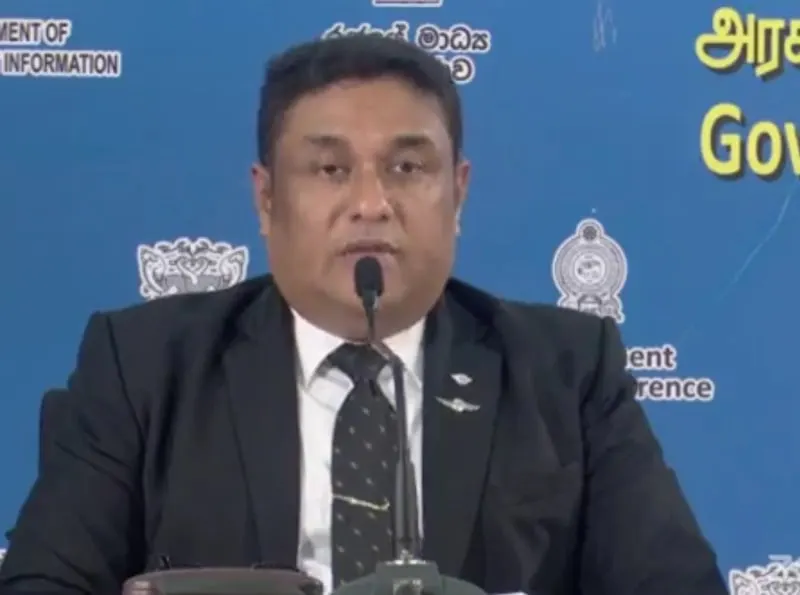
Sri Lanka's Civil Aviation Authority assures it has sufficient fuel for over 57 days of flight operations, securing supply chains amid Middle East...
Key Takeaways
- •Guarantees over 57 days of Jet A-1 aviation fuel reserves for international flights.
- •Reduces operational impact from Middle East tensions on airlines to 30-35%.
- •Secures a 107-day supply of Avgas, ensuring continuity for light aircraft and training.
- •Implements proactive measures to prevent a repeat of the 2022 fuel crisis.
Sri Lanka’s aviation authorities have confirmed the country holds sufficient aviation fuel stocks to maintain uninterrupted domestic and international flight operations, mitigating concerns arising from ongoing tensions in the Middle East. The Civil Aviation Authority (CAA) of Sri Lanka announced that current reserves of Jet A-1 fuel are adequate for approximately 57 days at current consumption rates, providing a stable buffer for airlines operating into Colombo.
The assurance comes as the impact of regional instability on air travel to and from Sri Lanka has shown signs of easing. According to CAA Director General Captain Daminda Rambukwella, the disruption level for local and international carriers, which had reached 55–60% in recent weeks, has now decreased to a more manageable 30–35%. This stabilization is crucial for maintaining the country's connectivity and supporting its vital tourism sector, which depends on reliable international air services.
Fuel Stock Details
In a media briefing at the Government Information Department, Captain Rambukwella provided a detailed breakdown of the country's fuel inventory. The state-owned Ceylon Petroleum Corporation (CPC) currently holds a stock of 34,000 metric tons (MT) of aviation fuel. This is supplemented by an additional 15,000 MT sourced from local refineries. To further secure the supply chain, the CPC has already placed orders for another 43,000 MT.
Sri Lanka's average daily aviation fuel consumption is approximately 1,600 MT. The government's proactive procurement strategy includes a recent shipment of 35,000 MT that has already arrived in the country. This robust stockpiling ensures that airlines, including those operating large aircraft like the Boeing 777, can refuel without disruption. In addition to commercial jet fuel, the country also maintains a healthy supply of Aviation Gasoline (Avgas), which is used for light aircraft and flight training. Current Avgas stocks stand at 271 barrels, sufficient for approximately 107 days based on a daily consumption of three barrels.
Operational Management and Context
To manage the situation, the CAA established a special committee during the initial stages of the fuel crisis to monitor stocks and address any emerging issues. This body has been instrumental in coordinating with the CPC to ensure a steady supply. Captain Rambukwella noted that most flight operations to Middle Eastern destinations are now running according to schedule, although services to a few specific countries remain suspended.
This proactive management contrasts sharply with the challenges faced during a previous crisis. The current measures are designed to prevent a repeat of the severe fuel shortages in 2022, which forced international airlines to implement costly fuel tankering strategies or make technical stops at airports in Southern India to refuel. By guaranteeing fuel availability, Sri Lanka aims to reinforce its position as a reliable transit and destination hub in the region.
Impact on Airlines and Tourism
The secured fuel supply has a direct and significant impact on several key stakeholders. For international airlines operating long-haul routes to Colombo's Bandaranaike International Airport (CMB), the assurance eliminates the operational and financial burden of carrying extra fuel. This stability is critical for maintaining route viability and frequency.
The country's tourism sector, a primary source of foreign exchange, also benefits directly. Uninterrupted international flights are essential for tourist arrivals. The stable aviation environment provides confidence to tour operators and travelers, supporting the sector's recovery and growth. For domestic operators and flight schools, the 107-day reserve of Avgas ensures that pilot training and local charter services can continue without interruption, safeguarding a crucial part of the local aviation ecosystem.
Aviation Fuel Types in Reserve
| Metric | Jet A-1 | Avgas |
|---|---|---|
| Primary Application | Commercial turbine aircraft | Light piston-engine aircraft |
| Daily Consumption | ~1,600 MT | ~3 barrels |
| Current Reserve Duration | ~57 days | ~107 days |
What Comes Next
The CPC continues to actively manage the fuel pipeline to maintain the current buffer. A shipment carrying an additional 8,000 MT of aviation fuel is expected to arrive on April 2, 2026. Further stocks have also been ordered through a standard tender process to ensure that reserves remain well above critical levels throughout the period of regional uncertainty.
Why This Matters
Sri Lanka's successful management of its aviation fuel reserves demonstrates a strategic approach to mitigating external supply chain shocks. By securing its fuel supply, the nation protects its aviation industry from operational paralysis and reinforces its reliability as an international travel hub. This stability is fundamental to supporting the broader national economy, particularly the tourism sector, and prevents a recurrence of the disruptive and costly crisis of 2022.
Visit omniflights.com for the latest commercial aviation news and airline industry updates. Follow aviation sustainability efforts, emissions research, and green initiatives in the Environmental section at omniflights.com/environmental.

Written by Hardik Vishwakarma
Co-Founder & Aviation News Editor leading initiatives that improve trust and visibility across the global aviation industry. Covers airlines, airports, safety, and emerging technology.
Visit ProfileYou Might Also Like
Discover more aviation news based on similar topics
American Airlines Eyes Starlink for Boeing 737, 777, 787
American Airlines is reportedly exploring an expansion of its Starlink in-flight Wi-Fi service to its entire Boeing 737, 777, and 787 mainline fleets.
US Slows Aircraft-Part Exports to China Amid Trade Truce
The US is slowing export licenses for aircraft parts to China, using aviation dependencies as leverage in ongoing trade negotiations.
Boeing Tightens Spending Ahead of Critical SPEEA Union Vote
Boeing has implemented spending controls and a hiring freeze as it faces a critical contract ratification vote with its 17,000-member engineering union.

Boeing CEO Kelly Ortberg Warns of 777X Certification Delay
Boeing CEO Kelly Ortberg warned that a potential strike by 17,000 engineers would immediately halt the 777X certification and production programs.
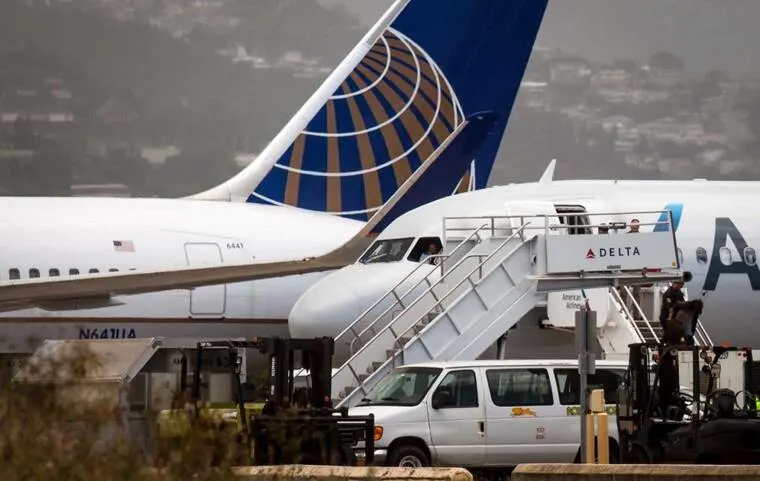
American and United Plan Capacity Cuts Amid Fuel Cost Surge
American and United are trimming flight schedules to offset a $1 billion fuel cost spike while maintaining strong pricing power.
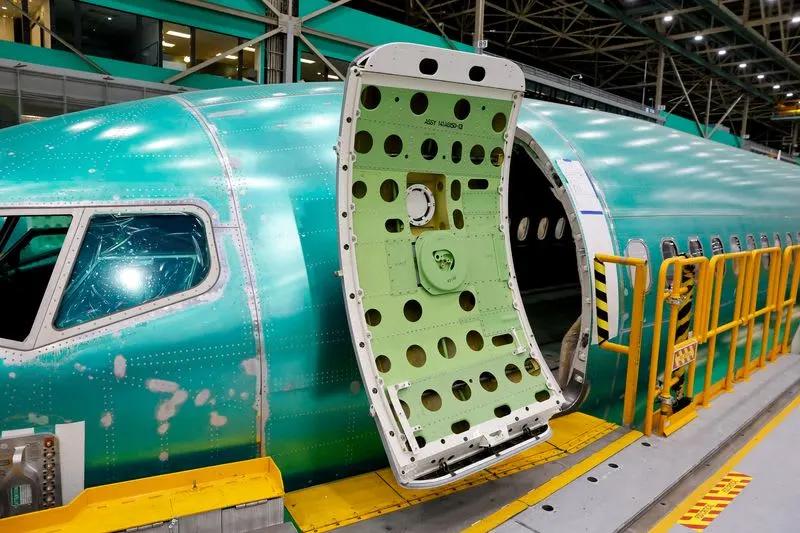
Boeing CEO Reports 737 MAX Output Stabilization Delays
Boeing CEO Kelly Ortberg reports slower 737 MAX production stabilization, prompting a downward revision in 2026 free cash flow expectations to $2 billion.