Spirit Airlines Shutdown Looms; Detroit DTW Faces Major Impact

Co-Founder & CEOAviation News Editor delivering trusted coverage across the global aviation industry.
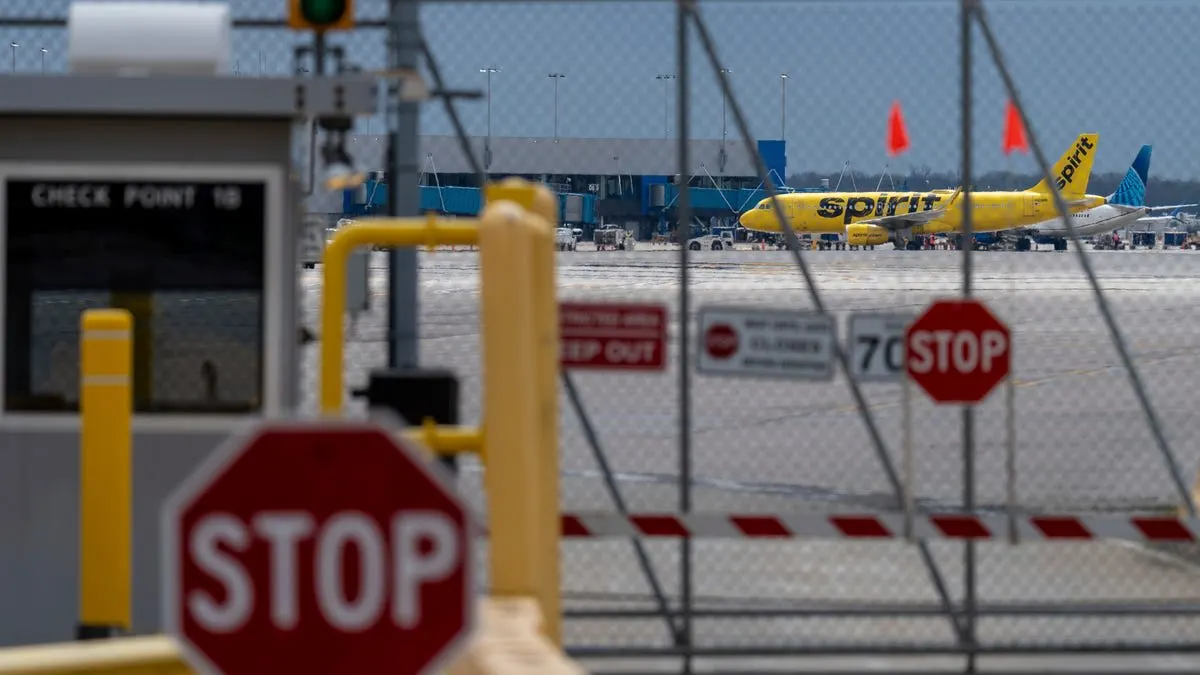
Spirit Airlines' potential shutdown threatens major disruption at Detroit's DTW airport, raising concerns over passenger refunds, employee jobs, and...
Key Takeaways
- •Faces potential shutdown after a failed $500 million federal bailout attempt.
- •Threatens major disruption at Detroit (DTW), where it is the second-largest carrier.
- •Shutdown would likely strand passengers, erase employee seniority, and increase airfares.
- •Passengers who paid by credit card have protection under the Fair Credit Billing Act.
Reports of a potential shutdown of Spirit Airlines have raised significant concerns among travelers and industry observers, with the most severe impacts expected at key hubs like Detroit Metropolitan Wayne County Airport (DTW). The ultra-low-cost carrier (ULCC), which holds a significant market share at the airport, faces collapse following a failed attempt to secure a $500 million federal bailout, signaling profound consequences for passengers, employees, and airfare competition.
The fallout from a sudden cessation of operations could be swift. According to Lori Brown, a professor at Western Michigan University's College of Aviation, flights are often canceled within hours, leaving passengers stranded. While the airline was still operating as of May 1, the situation remains fluid. For an airport like DTW, where Spirit is the second-largest carrier with an 11.2% market share in 2024, the loss would be substantial. In 2024, 1.6 million domestic passengers and over 37,000 international passengers boarded Spirit flights at the airport, according to the Wayne County Airport Authority.
Financial Turmoil and Market Consequences
The airline's precarious position became public after reports that its attempts to broker a government bailout had failed. While the White House later extended a final rescue offer, the carrier's future remains uncertain. The potential collapse highlights the financial instability within the Ultra-Low-Cost Carrier (ULCC) sector, which has been squeezed by rising fuel costs and intense competition.
The disappearance of Spirit from the market would remove a critical source of downward pricing pressure. "Airlines like Spirit play a critical role in keeping fares low, particularly in leisure markets," Brown stated. A shutdown would immediately reduce seat capacity, likely leading to higher ticket prices. Competing carriers such as Frontier and Southwest may absorb some profitable routes, but not all service, especially in smaller markets, is expected to be replaced.
In response to a potential shutdown, United Airlines has indicated it is preparing to support affected customers and employees, potentially by offering reduced "rescue fares." Such fares are discretionary and not guaranteed, but they have been offered by competitors during previous airline failures.
Profound Repercussions for Employees
The impact on Spirit's employees would be immediate and severe. The airline industry operates on a rigid seniority system that dictates pay, scheduling, and career advancement. "When an airline shuts down, that seniority is effectively lost overnight," Brown explained.
Pilots and skilled technicians, while in demand, would likely have to restart at the bottom of the seniority list at new airlines, representing a major career setback. Other employees, including ground personnel and customer service agents, face even greater challenges in securing comparable employment. This loss of seniority is a well-documented outcome of airline failures.
Navigating Refunds and Disruptions
For passengers holding tickets on a defunct airline, recourse options are limited. The U.S. Department of Transportation (DOT) advises customers who paid with a credit card to seek a chargeback under the Fair Credit Billing Act. This federal regulation allows consumers to dispute charges for services not rendered. Those who paid with cash or a debit card face a more difficult path, needing to file a claim in bankruptcy court where they are treated as low-priority unsecured creditors.
Stranded passengers are encouraged to contact other airlines serving their route to inquire about rescue fares or the possibility of honoring their existing tickets, though carriers are not obligated to do so.
Historical Context and Industry Analysis
The potential failure of Spirit Airlines follows a pattern seen in previous low-cost carrier collapses. In March 2019, the shutdown of WOW Air resulted in thousands of travelers being stranded globally, prompting competitors to offer rescue fares. Similarly, the bankruptcies of Monarch Airlines in 2017 and Thomas Cook in 2019 demonstrated the immediate halt of operations and far-reaching disruption caused by the failure of major carriers.
This development indicates the intense financial pressure on the ULCC business model. The exit of a major player like Spirit would accelerate market consolidation, further reducing competition in the U.S. domestic market. The data suggests that without the downward price pressure exerted by ULCCs, average fares will inevitably rise, disproportionately affecting budget-conscious travelers. The event serves as a stark reminder of the fragility of carriers operating on thin margins, even those with significant market share in major hubs.
What Comes Next
Should the airline cease operations, official liquidation proceedings would commence under the purview of the U.S. Bankruptcy Court. Concurrently, the DOT is expected to monitor the situation and enforce passenger protection measures, including encouraging other airlines to assist stranded travelers. The immediate focus will be on managing the operational chaos at airports and addressing the needs of customers and displaced employees.
Why This Matters
The potential collapse of Spirit Airlines is more than the failure of a single company; it is a significant event that could reshape the U.S. aviation landscape. It highlights the vulnerability of the ultra-low-cost model in the current economic climate and signals a likely reduction in competition and an increase in airfares. For passengers, it underscores the risks of booking with financially strained carriers, and for the industry, it is a clear indicator of ongoing consolidation.
Frequently Asked Questions
- What should passengers do if Spirit Airlines shuts down while they are traveling?
- Passengers who paid by credit card should immediately contact their card issuer to request a chargeback under the Fair Credit Billing Act for services not rendered. The U.S. Department of Transportation also recommends contacting other airlines to inquire about special reduced 'rescue fares' for stranded travelers.
- How will a Spirit Airlines shutdown affect air ticket prices?
- The loss of an ultra-low-cost carrier like Spirit is expected to reduce overall seat capacity and market competition. This will likely exert upward pressure on ticket prices, particularly on leisure routes where Spirit previously helped keep fares low.
- Why is losing seniority a major issue for Spirit Airlines pilots and crew?
- The airline industry operates on a strict seniority-based system that governs pay, schedules, and career progression. When an airline fails, employees lose all their accrued seniority and must restart at the bottom of the list at a new carrier, which constitutes a significant career and financial setback.
omniflights.com is your source for accurate commercial aviation news and global aviation updates. For detailed airline coverage, route changes, and fleet moves, explore the Airlines section at omniflights.com/airlines.
Written by Hardik Vishwakarma
Co-Founder & Aviation News Editor leading initiatives that improve trust and visibility across the global aviation industry. Covers airlines, airports, safety, and emerging technology.
Visit ProfileYou Might Also Like
Discover more aviation news based on similar topics
IATA Pushes for Open Used Serviceable Material Market
IATA is urging engine OEMs to expand the Used Serviceable Material market following a landmark EU antitrust settlement with Pratt & Whitney Canada.
Virgin Atlantic A330 Retirement Boosts SAS Fleet Capacity
Virgin Atlantic is retiring its aging A330-300 fleet, with five airframes acquired by SAS to bridge near-term intercontinental capacity gaps.
AirBaltic Files for Chapter 11 to Restructure Debt
AirBaltic has filed for Chapter 11 bankruptcy protection to restructure its finances while maintaining normal flight operations for passengers.
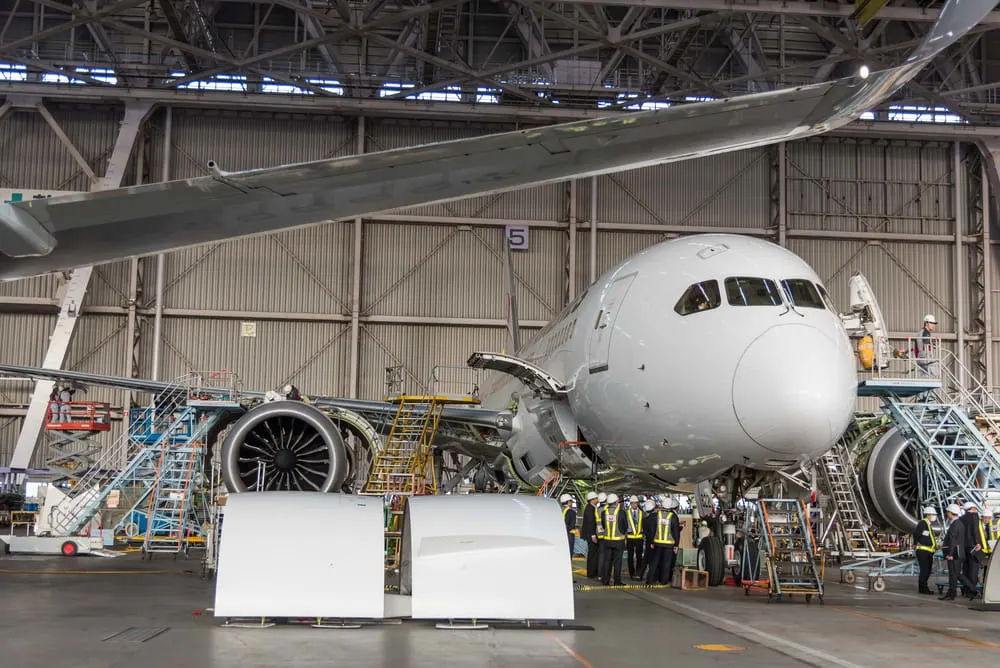
Boeing Wins $241M Navy Contract for F/A-18 Surface Repairs
Boeing secured a $241.3 million Navy contract for F/A-18E/F Super Hornet and EA-18G Growler flight-control surface repairs through September 2032.
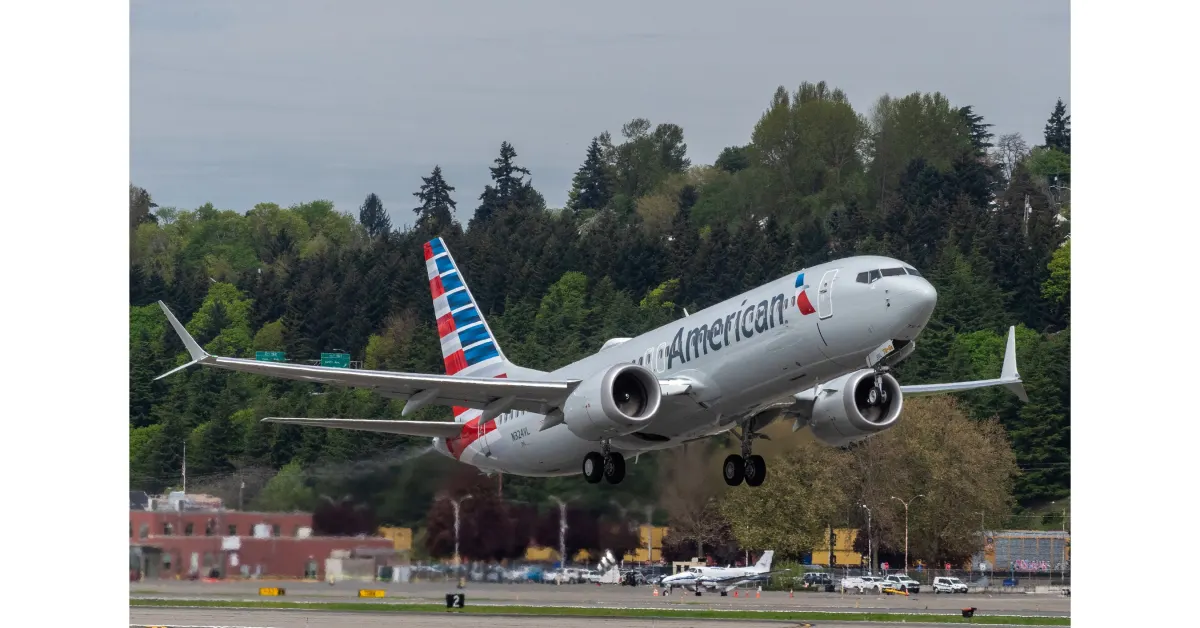
American Airlines Completes First 737 MAX Gear Exchange
Boeing and American Airlines completed the first 737 MAX landing gear exchange, marking the expansion of the program to reduce aircraft downtime.

Iberia Gains Unrestricted A350 Heavy Maintenance Approval
The Spanish aviation regulator AESA has granted Iberia Maintenance unrestricted authorization to perform heavy maintenance on the Airbus A350 fleet.