Spirit Airlines Prepares for Shutdown After Government Rescue Fails

Co-Founder & CEOAviation News Editor delivering trusted coverage across the global aviation industry.
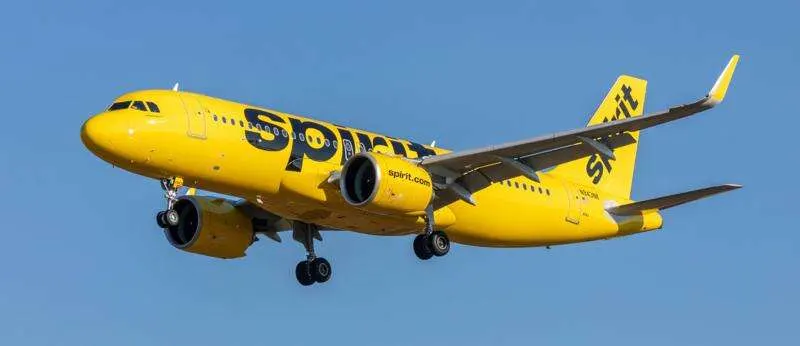
Spirit Airlines is preparing to cease operations after a government bailout failed, causing competitor airline stocks including JetBlue's to surge.
Key Takeaways
- •Prepares for imminent shutdown after a proposed $500 million government bailout failed.
- •Competitor airline stocks surged, with JetBlue shares rising 8.4% on the news.
- •Collapse follows a blocked JetBlue merger, two Chapter 11 filings, and a fuel price spike that derailed restructuring.
- •Up to 17,000 employee jobs are at risk as liquidation appears likely.
Shares of major US carriers rose sharply on Friday following reports that Spirit Airlines is preparing for a complete shutdown. The move comes after last-ditch efforts for a $500 million government bailout package failed to materialize, signaling the likely end for the prominent Ultra-Low-Cost Carrier (ULCC).
The potential collapse marks a dramatic turn for an airline that has been navigating severe financial turbulence for years. The failure to secure a rescue package effectively removes a key competitor from the domestic market, a prospect that sent JetBlue shares surging 8.4%. Other major carriers, including American Airlines, Delta Air Lines, United Airlines, and Southwest Airlines, all saw gains of over three percent.
Background of Financial Distress
Spirit's path to liquidation has been protracted, beginning with a federal judge blocking its proposed $3.8 billion acquisition by JetBlue in January 2024. The court's decision, based on antitrust concerns, precipitated a rapid financial decline for Spirit, which had accumulated over $2.5 billion in losses since 2020, according to its SEC Form 10-K filings. The airline subsequently filed for Chapter 11 bankruptcy protection twice, in November 2024 and August 2025.
A glimmer of hope appeared on February 24, 2026, when Spirit announced an agreement in principle with creditors to restructure its finances. The plan, filed with the U.S. Bankruptcy Court, was designed to reduce its debt and lease obligations from $7.4 billion to approximately $2.1 billion. However, the restructuring was contingent on a stable operating environment. According to court filings, the plan was built around a jet fuel price assumption of $2.24 per gallon. This assumption was shattered when a geopolitical conflict caused fuel prices to spike, delivering a final blow to the carrier's recovery strategy.
The Failed Bailout and Market Reaction
With its restructuring plan in tatters, Spirit's last hope was a federal lifeline. The Trump administration confirmed it had offered a "final proposal" to save the airline and its workforce, which numbers between 14,000 and 17,000 employees. The proposed deal involved a $500 million senior financing package that would have given the U.S. government up to a 90% equity stake in the reorganized company. However, the terms faced significant opposition from some of Spirit's existing bondholders, who would have been subordinated, leading to the collapse of the talks.
The market's reaction was swift and unambiguous. The surge in stock prices for competing airlines reflects investor expectation that they will absorb Spirit's market share, routes, and valuable airport slots. Competitors had already begun encroaching on Spirit's territory, with United Airlines purchasing Spirit's gates at Chicago O'Hare International Airport (ORD) for $30.2 million.
Industry-Wide Implications
Spirit's collapse highlights the inherent vulnerability of the Ultra-Low-Cost Carrier (ULCC) business model to external shocks, particularly volatile fuel prices. The situation draws parallels to other low-cost carrier failures. In October 2017, the UK's Monarch Airlines ceased operations abruptly after failing to secure a financial rescue, triggering a massive repatriation effort. Similarly, Iceland's WOW air collapsed in March 2019 when last-minute investor talks fell through.
The primary stakeholders impacted are Spirit's employees, who face the loss of up to 17,000 jobs. Secured bondholders also face significant or total losses on their investments. Conversely, competing carriers like JetBlue and Frontier are positioned to benefit by capturing Spirit's customer base and expanding their networks without a major competitor in the budget travel segment. The shutdown also affects manufacturer Airbus, as Spirit was a significant customer, although it had already planned to defer new aircraft deliveries as part of its restructuring.
What Comes Next
The White House confirmed on May 1, 2026, that its final bailout offer was rejected, leaving no clear path forward for the airline. Based on regulatory filings and the failure of rescue talks, Spirit Airlines is expected to formally cease operations as early as May 2, 2026. The next step would likely involve a transition from Chapter 11 reorganization to a Chapter 7 liquidation, where the company's assets are sold off to pay creditors.
Why This Matters
The demise of Spirit Airlines represents a significant consolidation event in the U.S. aviation market, removing a major downward force on domestic airfares. For travelers, this will likely mean fewer low-fare options and potentially higher ticket prices, particularly on leisure routes where Spirit was a dominant player. For the industry, it serves as a stark reminder of the thin margins and high risks associated with the ULCC model in the face of unpredictable global events.
Frequently Asked Questions
- Why is Spirit Airlines shutting down in 2026?
- Spirit Airlines is preparing to cease operations after a proposed $500 million government bailout failed. This followed two Chapter 11 bankruptcy filings, a blocked merger with JetBlue, and a sudden spike in jet fuel prices that made its financial restructuring plan unviable.
- How did other airlines react to the Spirit Airlines shutdown news?
- Competitor airlines saw their stock prices rise significantly. Shares of JetBlue surged 8.4%, while American Airlines, Delta Air Lines, United Airlines, and Southwest Airlines all gained more than three percent as investors anticipated capturing Spirit's market share.
- What was the government's proposed bailout for Spirit Airlines?
- The Trump administration considered a $500 million senior financing package. In exchange for the lifeline, the government would have received up to a 90% equity stake in the airline, a condition that ultimately faced opposition from some of Spirit's bondholders.
For global airline trends and commercial aviation news, turn to omniflights.com. For reporting on UAP sightings, investigations, and aviation-related encounters, see the UAPs section at omniflights.com/uaps.
Written by Hardik Vishwakarma
Co-Founder & Aviation News Editor leading initiatives that improve trust and visibility across the global aviation industry. Covers airlines, airports, safety, and emerging technology.
Visit ProfileYou Might Also Like
Discover more aviation news based on similar topics
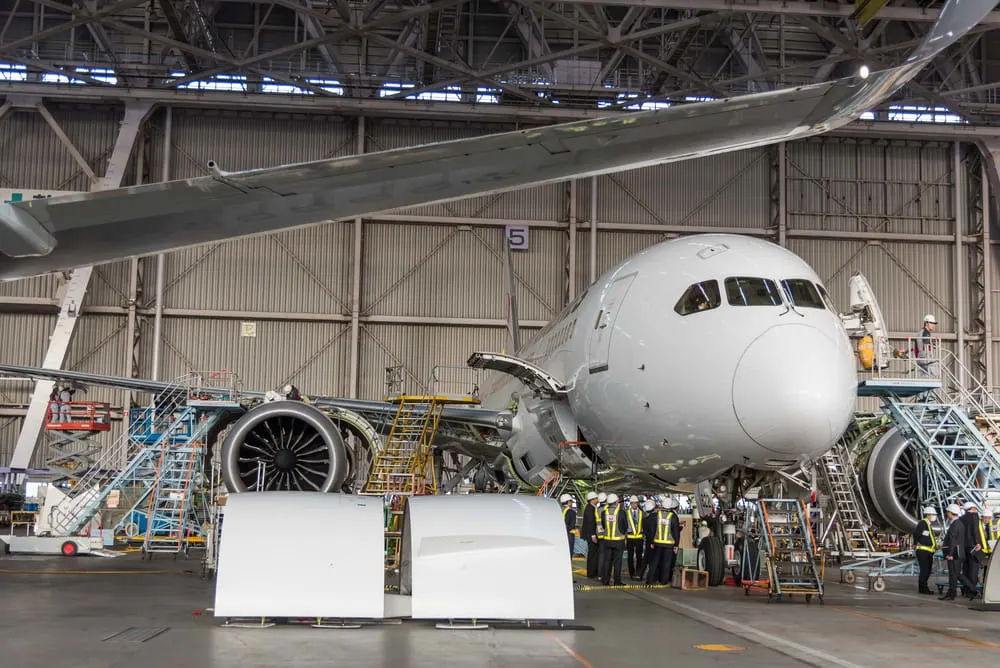
Boeing Wins $241M Navy Contract for F/A-18 Surface Repairs
Boeing secured a $241.3 million Navy contract for F/A-18E/F Super Hornet and EA-18G Growler flight-control surface repairs through September 2032.
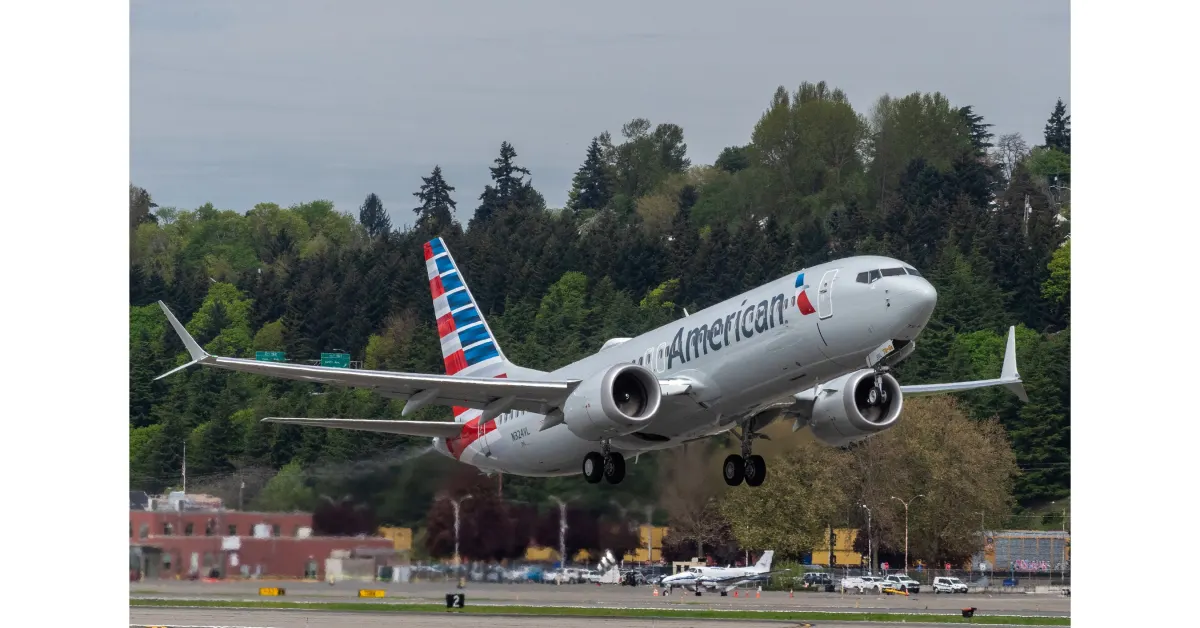
American Airlines Completes First 737 MAX Gear Exchange
Boeing and American Airlines completed the first 737 MAX landing gear exchange, marking the expansion of the program to reduce aircraft downtime.

Iberia Gains Unrestricted A350 Heavy Maintenance Approval
The Spanish aviation regulator AESA has granted Iberia Maintenance unrestricted authorization to perform heavy maintenance on the Airbus A350 fleet.
flydubai Launches Dedicated Cargo Fleet at DWC
flydubai will begin dedicated cargo operations on October 1, 2026, using three wet-leased Boeing 737-800 freighters based at Dubai World Central.
Boeing Deliveries Dip in August as Q2 Revenue Hits $24.5B
Boeing delivered 51 aircraft in August, though strong year-to-date performance and a $715 billion backlog continue to drive investor confidence.
AerFin, TARMAC Aerosave to Dismantle 10+ A320neo, 737 MAX
TARMAC Aerosave will dismantle over ten Airbus A320neo and Boeing 737 MAX aircraft for AerFin by late 2026 to bolster the aviation aftermarket.