Spirit Airlines Liquidation: US Budget Model Faces Crisis

Co-Founder & CEOAviation News Editor delivering trusted coverage across the global aviation industry.
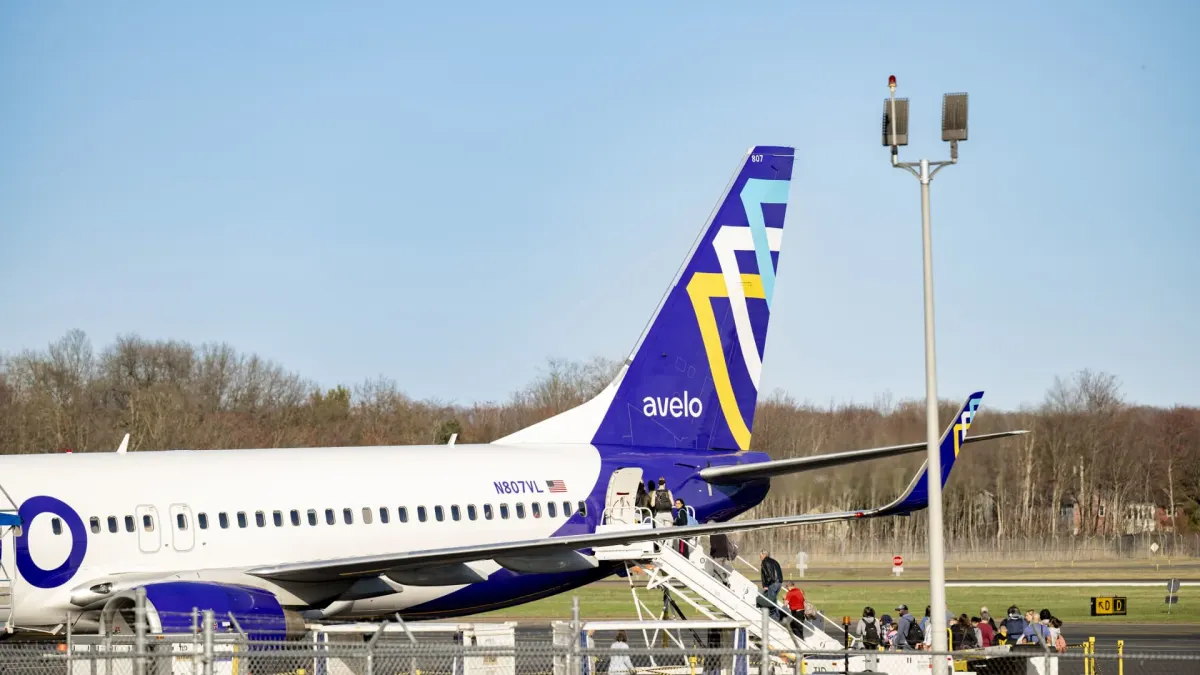
Spirit Airlines ceased operations in May 2026 after bankruptcy, highlighting a structural shift toward premium revenue among major U.S. carriers.
Key Takeaways
- •Spirit Airlines ceased all operations on May 2, 2026.
- •Delta generated 60% of 2025 revenue from premium and loyalty sources.
- •Jet fuel costs spiked 78% year-over-year in April 2026.
- •Auction of remaining Spirit assets is set for July 9, 2026.
The Collapse of the ULCC Model
The US budget airline model has faced a definitive reckoning with the official cessation of all flight operations by Spirit Airlines on May 2, 2026. Following its second Chapter 11 bankruptcy filing in August 2025, the carrier’s liquidation marks a turning point for the domestic aviation landscape. This event underscores the growing fragility of Ultra Low Cost Carriers (ULCCs) in an environment characterized by volatile operating costs and a consumer preference shift toward premium services. The collapse leaves over 11,000 employees displaced and forces aircraft lessors to initiate rapid repossession of the airline's fleet.
Premium Revenue vs. Budget Volatility
While budget carriers struggled, legacy airlines have successfully pivoted their revenue strategies. Delta Air Lines reported that 60% of its 2025 total revenue was derived from premium cabins and loyalty programs, projecting a record $58.3 billion in annual revenue. Similarly, United Airlines recorded an 11% year-over-year increase in premium seat revenue, contributing to a $3.5 billion adjusted net profit for 2025. According to data from the Bureau of Transportation Statistics, U.S. airlines spent $6.47 billion on jet fuel in April 2026, a 78% increase compared to the same period in 2025. This fuel price shock has disproportionately impacted carriers with thin margins, as fuel is forecasted to account for over 31% of global operating expenses in 2026.
Regulatory and Market Pressures
Industry analysts point to the failed JetBlue merger as a primary catalyst for the airline’s demise. In January 2024, a federal judge blocked the $3.8 billion acquisition on antitrust grounds, effectively removing the company's only viable financial lifeline. This precedent, similar to the 2019 collapse of WOW Air, demonstrates how quickly rapid-growth budget models can fail when faced with high operational costs and limited access to capital. While the U.S. Department of Justice argued that blocking such mergers protects consumers from fare hikes, the resulting liquidation has left significant gaps in the route networks of secondary U.S. airports, threatening landing fee and concession revenues.
Global Industry Outlook
The International Air Transport Association has revised its global industry profitability forecast for 2026 downward to $23 billion, down from $45 billion in 2025. Director General Willie Walsh noted that airlines are absorbing significant fuel price hikes, which are averaging $152 per barrel. United Airlines CEO Scott Kirby has publicly characterized the traditional budget airline model as structurally flawed in the current market, suggesting that the industry's future lies in high-yield premium offerings rather than the aggressive price-cutting strategies that defined the early 2000s.
Auction of Remaining Assets
The U.S. Bankruptcy Court for the Southern District of New York has scheduled an auction for July 9, 2026, to dispose of the airline's remaining takeoff and landing slots and operating assets. This process will likely see legacy carriers and other low-cost operators bidding to expand their presence in key markets previously dominated by the defunct carrier.
Why the Market Shift Matters
The exit of a major low-cost competitor signals a consolidation of domestic market share and pricing power among larger carriers. For passengers, the shift suggests that the era of ultra-low base fares may be receding in favor of tiered, experience-based pricing models. As legacy airlines capitalize on this vacuum, the broader aviation industry is undergoing a structural realignment that prioritizes long-term financial stability over rapid, volume-based expansion.
Frequently Asked Questions
- What led to the collapse of Spirit Airlines?
- Spirit Airlines collapsed due to a combination of high operating costs, a failed merger with JetBlue in 2024, and significant liquidity drains. These factors, compounded by a 78% year-over-year spike in jet fuel prices in April 2026, made the ultra-low-cost business model unsustainable.
- How are legacy carriers like Delta and United performing compared to budget airlines?
- Legacy carriers are performing strongly by shifting their focus to premium cabins and loyalty programs. In 2025, Delta derived 60% of its revenue from these segments, while United reported an 11% increase in premium seat revenue, allowing them to remain profitable despite rising fuel costs.
Visit omniflights.com for the latest commercial aviation news and airline industry updates. For detailed airline coverage, route changes, and fleet moves, explore the Airlines section at omniflights.com/airlines.
Written by Hardik Vishwakarma
Co-Founder & Aviation News Editor leading initiatives that improve trust and visibility across the global aviation industry. Covers airlines, airports, safety, and emerging technology.
Visit ProfileYou Might Also Like
Discover more aviation news based on similar topics
Boeing Tightens Spending Ahead of Critical SPEEA Union Vote
Boeing has implemented spending controls and a hiring freeze as it faces a critical contract ratification vote with its 17,000-member engineering union.
Boeing CEO Kelly Ortberg Warns of 777X Certification Delay
Boeing CEO Kelly Ortberg warned that a potential strike by 17,000 engineers would immediately halt the 777X certification and production programs.
American and United Plan Capacity Cuts Amid Fuel Cost Surge
American and United are trimming flight schedules to offset a $1 billion fuel cost spike while maintaining strong pricing power.
Boeing CEO Reports 737 MAX Output Stabilization Delays
Boeing CEO Kelly Ortberg reports slower 737 MAX production stabilization, prompting a downward revision in 2026 free cash flow expectations to $2 billion.
Boeing Finalizes KAL Order, Salvages Turkish Airlines Deal
Boeing secured a $36.2 billion order from Korean Air Lines for 103 aircraft and nears a resolution on a 150-jet deal with Turkish Airlines.
Airbus Forecasts 42,000 New Jets Amid Strong Global Demand
Airbus expects 42,000 new aircraft deliveries globally by 2045, with 45% of demand concentrated in the Asia-Pacific region.