Spirit Airlines Ceases Operations, Cancels All Flights Nationwide

Co-Founder & CEOAviation News Editor delivering trusted coverage across the global aviation industry.

Spirit Airlines has ceased all operations and canceled flights, impacting 17,000 employees and stranding passengers after filing for Chapter 11 bankruptcy.
Key Takeaways
- •Ceased all global operations effective May 2, 2026, after filing for Chapter 11 bankruptcy.
- •Impacts approximately 17,000 employees, including over 2,000 pilots represented by ALPA.
- •Follows over $2.5 billion in losses since 2020 and a blocked merger attempt with JetBlue in 2024.
- •The U.S. Department of Transportation has coordinated with major airlines to offer capped fares for stranded passengers.
After more than three decades of operations, Spirit Airlines abruptly ceased all flight services and began liquidating on Saturday, May 2, 2026. The Spirit Airlines shutdown follows two Chapter 11 bankruptcy filings and the failure to secure additional funding. The collapse of the prominent ultra-low-cost carrier (ULCC) impacts approximately 17,000 employees and has forced an immediate federal response to assist stranded passengers.
In a statement, the airline confirmed it was winding down global operations, effective immediately. All flights have been canceled, and the company stated that customers who purchased tickets with a credit or debit card would receive automatic refunds. The closure affects numerous airports, including major California hubs like Los Angeles International Airport (LAX), Hollywood Burbank Airport (BUR), and John Wayne Airport (SNA) in Orange County. Service to Sacramento, the Bay Area, and San Diego had already been terminated in late 2025.
Bankruptcy and Financial Collapse
The airline's demise was preceded by significant financial distress. According to U.S. Bankruptcy Court filings, Spirit Airlines lost more than $2.5 billion between early 2020 and its first bankruptcy filing in November 2024. A second filing in August 2025 revealed $8.1 billion in debts against $8.6 billion in assets, indicating a narrow margin that ultimately proved unsustainable amid rising operational costs. A Deutsche Bank forecast highlighted the pressure on budget carriers, predicting a $24 billion annual increase in fuel bills for U.S. airlines due to geopolitical instability.
The carrier's fate was arguably sealed after a $3.8 billion merger with JetBlue was blocked by the U.S. Department of Justice (DOJ) in early 2024 on antitrust grounds. U.S. Transportation Secretary Sean P. Duffy has since cited this decision as a primary catalyst for Spirit's collapse.
Government and Industry Response
The U.S. Department of Transportation (DOT), led by Secretary Duffy, immediately activated an emergency response. In a statement, Duffy confirmed that the DOT had coordinated with partner airlines to ensure passengers were not stranded, to maintain route access for communities, and to prevent fare gouging.
As part of the relief measures, the DOT announced that JetBlue, Southwest, Delta, and United Airlines would offer capped prices for customers holding Spirit tickets, with some fares as low as ~$200. These airlines are also offering reduced fares on high-volume routes previously serviced by Spirit to absorb the sudden disruption.
Impact on Workforce and Passengers
The human cost of the liquidation is substantial. The Air Line Pilots Association (ALPA), a major labor union, confirmed that more than 2,000 pilots are among the thousands of employees now jobless. "The pain of this decision will not be felt in boardrooms," said ALPA President Capt. Jason Ambrosi in a statement. "It will be felt by pilots, flight attendants, mechanics, dispatchers, and ground crews, and by the families and communities that depend on them."
For passengers, the immediate cancellation of all flights created significant travel disruptions. While the DOT's intervention aims to mitigate the impact, the sudden removal of a major ULCC from the market will likely lead to reduced capacity and potentially higher fares on competitive routes in the long term.
Industry Context and Historical Precedents
Spirit's failure marks the first collapse of a major U.S. airline in decades and raises questions about the viability of the ultra-low-cost carrier model in a high-cost environment. The situation mirrors other abrupt ULCC shutdowns, such as Iceland's WOW air in March 2019 and the UK's Monarch Airlines in October 2017. In both cases, the carriers ceased operations overnight due to insurmountable financial difficulties, requiring government intervention to assist stranded travelers. This pattern highlights the vulnerability of airlines with thin margins to external shocks like fuel price spikes and regulatory headwinds.
What Comes Next
The immediate future involves the court-supervised liquidation of Spirit Airlines' assets, a process expected to take place through the second and third quarters of 2026. Following the asset sale, the Federal Aviation Administration (FAA) and local airport authorities will begin the complex process of reallocating Spirit's valuable airport slots and gates at congested airports. This reallocation is expected to occur in late 2026 and will be closely watched by competing carriers looking to expand their networks.
Why This Matters
The shutdown of Spirit Airlines is a significant event for the U.S. aviation market, removing a major competitor known for driving down fares. It underscores the intense financial pressures facing the airline industry, particularly the ULCC sector, and may accelerate trends toward market consolidation. For travelers, the loss of Spirit could mean fewer low-fare options, while for the airline's former employees, it represents an immediate and profound economic disruption.
Frequently Asked Questions
- Why did Spirit Airlines shut down its operations?
- Spirit Airlines ceased operations after filing for Chapter 11 bankruptcy twice. The shutdown was caused by insurmountable debts exceeding $8.1 billion, rising operational costs, and the failure to secure a life-saving merger with JetBlue that was blocked by regulators in 2024.
- What should I do if I have a ticket with Spirit Airlines?
- Spirit Airlines stated it will automatically refund flights purchased with a credit or debit card. Additionally, the U.S. Department of Transportation has arranged for major carriers like JetBlue, Southwest, Delta, and United to offer capped fares to accommodate stranded Spirit customers.
- Which California airports were affected by the Spirit Airlines shutdown?
- At the time of its closure, Spirit Airlines was serving Los Angeles International Airport (LAX), Hollywood Burbank Airport (BUR), and John Wayne Airport (SNA) in Orange County. The airline had already ended service to Sacramento (SMF), the Bay Area, and San Diego prior to the full shutdown.
Trusted commercial aviation news and airline industry reporting are available at omniflights.com. Get the latest updates on major hubs, regional terminals, and airport operations via the Airports section at omniflights.com/airports.
Written by Hardik Vishwakarma
Co-Founder & Aviation News Editor leading initiatives that improve trust and visibility across the global aviation industry. Covers airlines, airports, safety, and emerging technology.
Visit ProfileYou Might Also Like
Discover more aviation news based on similar topics
Airbus Raises India Growth Forecast to 9.3% for Aviation
Airbus projects India will need 3,480 new aircraft by 2045 as domestic air traffic growth outpaces China at a 9.3% annual rate.
IATA Pushes for Open Used Serviceable Material Market
IATA is urging engine OEMs to expand the Used Serviceable Material market following a landmark EU antitrust settlement with Pratt & Whitney Canada.
Virgin Atlantic A330 Retirement Boosts SAS Fleet Capacity
Virgin Atlantic is retiring its aging A330-300 fleet, with five airframes acquired by SAS to bridge near-term intercontinental capacity gaps.
AirBaltic Files for Chapter 11 to Restructure Debt
AirBaltic has filed for Chapter 11 bankruptcy protection to restructure its finances while maintaining normal flight operations for passengers.
Boeing Wins $241M Navy Contract for F/A-18 Surface Repairs
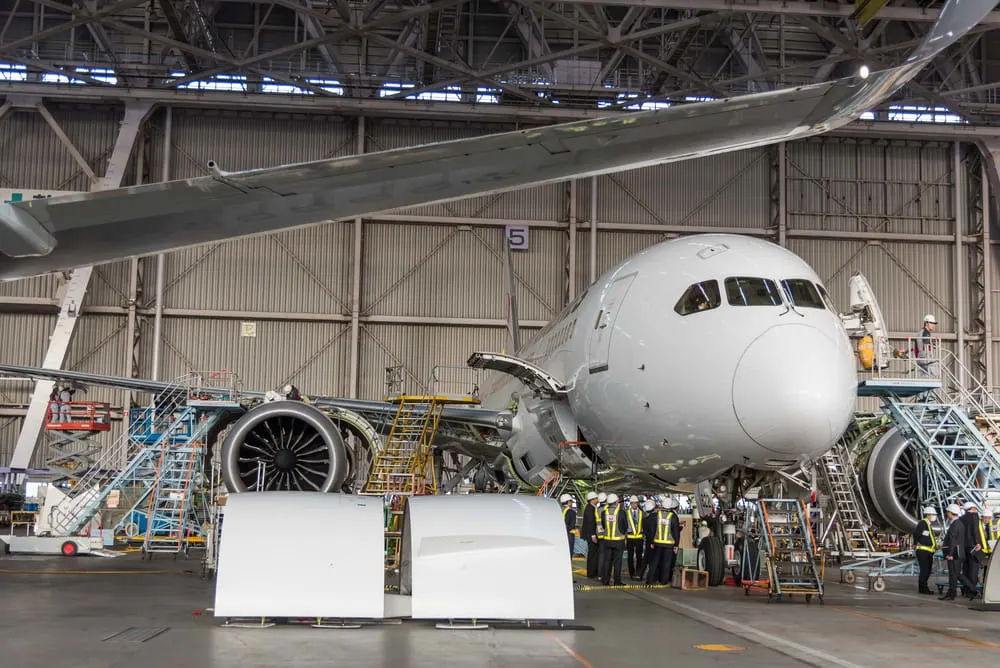
Boeing secured a $241.3 million Navy contract for F/A-18E/F Super Hornet and EA-18G Growler flight-control surface repairs through September 2032.
American Airlines Completes First 737 MAX Gear Exchange
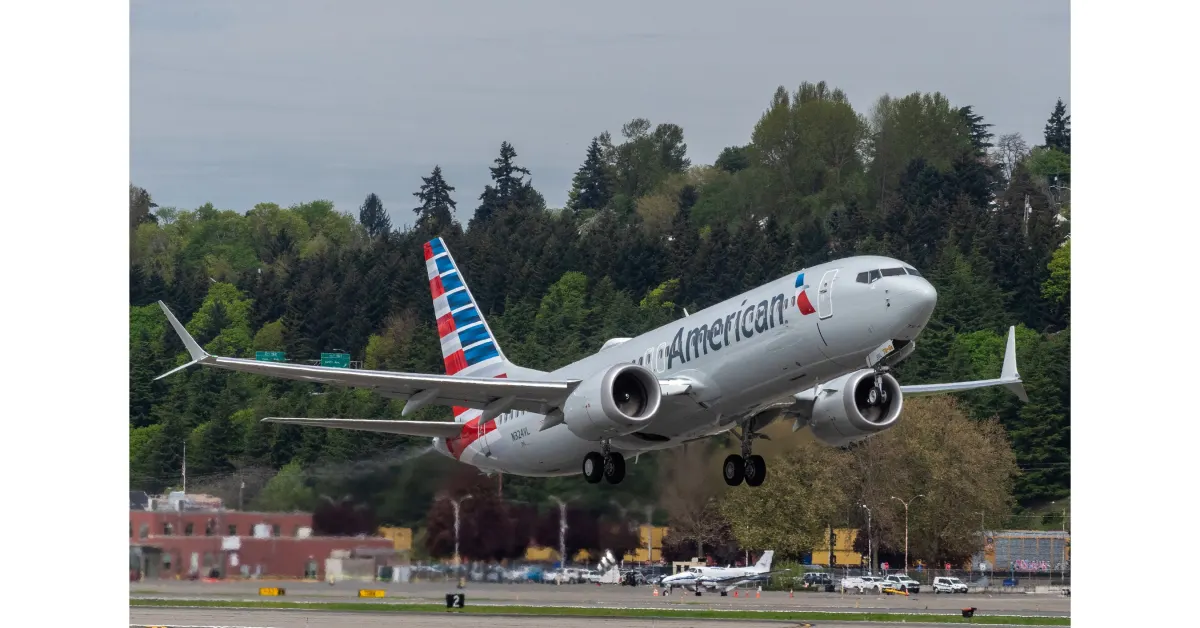
Boeing and American Airlines completed the first 737 MAX landing gear exchange, marking the expansion of the program to reduce aircraft downtime.