Repsol Boosts Jet Fuel Output Amid Iran Conflict Supply Constraints

Co-Founder & CEOAviation News Editor delivering trusted coverage across the global aviation industry.

Repsol is increasing jet fuel production by 15-20% at its Spanish refineries as geopolitical conflict in Iran tightens global aviation fuel supplies.
Key Takeaways
- •Increases jet fuel production by 15-20% across five Spanish refineries
- •Reports a 57% rise in Q1 adjusted net income to €873 million
- •Doubles refining margins to $10.9 per barrel amid geopolitical supply disruptions
- •Allocates €1.2 billion to build crude oil inventories for supply security
Spanish energy company Repsol announced plans to increase its jet fuel production by 15-20% across its five domestic refineries. The move comes in direct response to tightening global aviation fuel availability and supply disruptions stemming from the ongoing conflict in Iran, which has significantly impacted crude oil flows through the Strait of Hormuz.
The production ramp-up is detailed in the company's first-quarter 2026 earnings release, which highlights a surge in profitability linked to market volatility. Repsol's refining margin in Spain more than doubled year-over-year, reaching $10.9 per barrel. This bolstered the company's Q1 adjusted net income, which rose 57% to €873 million. To safeguard its operations against further instability, Repsol has also allocated €1.2 billion to build up its crude oil inventories.
Geopolitical Pressures and Market Response
The conflict in the Middle East has created a significant shock to the global energy supply chain. According to Richard Holtum, CEO of Trafigura, the resulting loss in hydrocarbon supply necessitates high prices to reduce equivalent demand. This market pressure is evident in the redirection of global jet fuel flows, with Europe now receiving record inflows from the United States and Nigeria to compensate for disrupted imports from the Gulf.
This new reality directly impacts European airlines, which face higher jet fuel costs and potential supply constraints. Repsol's decision to increase output is positioned to help stabilize regional availability, though sustained high prices may eventually translate to higher ticket prices for European consumers. In a statement, Repsol CEO Josu Jon Imaz emphasized the company's focus on ensuring security of supply in an "increasingly complex and volatile geopolitical environment."
Historical Parallels and Strategic Shifts
The current market dynamics echo previous geopolitical supply shocks. The 2022 energy crisis following the Russia-Ukraine war similarly forced European refiners to pivot away from Russian Urals crude, leading to record margins and a surge in imports from alternative sources. Likewise, the 2019 drone attacks on Saudi Arabia's Abqaiq and Khurais facilities demonstrated how quickly Middle East conflicts can remove millions of barrels of production from the market, causing immediate price spikes.
While addressing the immediate crisis, Repsol continues its long-term investment in Sustainable Aviation Fuel (SAF). The company's strategy aligns with the European Union's ReFuelEU Aviation initiative, which mandates increasing SAF blending targets from 2025. However, Repsol has also noted that Europe's complex regulatory environment can discourage investment in domestic SAF production compared to incentives offered in the United States. Further details on the company's strategy are available in industry publications like Biofuels International.
What Comes Next
Repsol's forward-looking plans will be further detailed at its upcoming Annual General Meeting, which is confirmed for May 14, 2026. On the alternative fuels front, the company's new renewable fuels plant in Puertollano is expected to come online in late 2026, contributing to its long-term SAF production goals. The company's wider oil and gas production is forecast to reach between 560,000 and 570,000 barrels of oil equivalent per day (boed) for the full year.
Why This Matters
Repsol's decision highlights the dual reality facing the energy and aviation sectors: managing immediate supply shocks caused by geopolitical instability while navigating the long-term transition to sustainable fuels. The move demonstrates how legacy energy companies can leverage market volatility for significant financial gain while simultaneously acting as a stabilizing force for regional fuel supplies. For airlines and travelers, it underscores the continued vulnerability of fuel costs to global conflicts.
Frequently Asked Questions
- Why is Repsol increasing its jet fuel production?
- Repsol is increasing jet fuel production by 15-20% to offset global supply disruptions caused by the conflict in Iran. This situation has tightened aviation fuel availability and more than doubled the company's refining margins to $10.9 per barrel.
- How has the Iran conflict affected European aviation fuel supply?
- The conflict has disrupted crude oil flows from the Gulf, leading to record inflows of jet fuel to Europe from the United States and Nigeria. It has also driven up refining margins and prompted energy companies like Repsol to build strategic crude oil inventories to ensure supply.
- What were Repsol's financial results in the first quarter of 2026?
- Repsol reported a 57% year-over-year increase in its adjusted net income for Q1 2026, reaching €873 million. This significant growth was largely driven by a surge in its refining margins due to global energy market volatility.
Stay ahead of the airline industry with commercial aviation news from omniflights.com. From aircraft production to supply chains, commercial aviation manufacturing news is covered at omniflights.com/manufacturing.
Written by Hardik Vishwakarma
Co-Founder & Aviation News Editor leading initiatives that improve trust and visibility across the global aviation industry. Covers airlines, airports, safety, and emerging technology.
Visit ProfileYou Might Also Like
Discover more aviation news based on similar topics

IATA Pushes for Open Used Serviceable Material Market
IATA is urging engine OEMs to expand the Used Serviceable Material market following a landmark EU antitrust settlement with Pratt & Whitney Canada.

Virgin Atlantic A330 Retirement Boosts SAS Fleet Capacity
Virgin Atlantic is retiring its aging A330-300 fleet, with five airframes acquired by SAS to bridge near-term intercontinental capacity gaps.
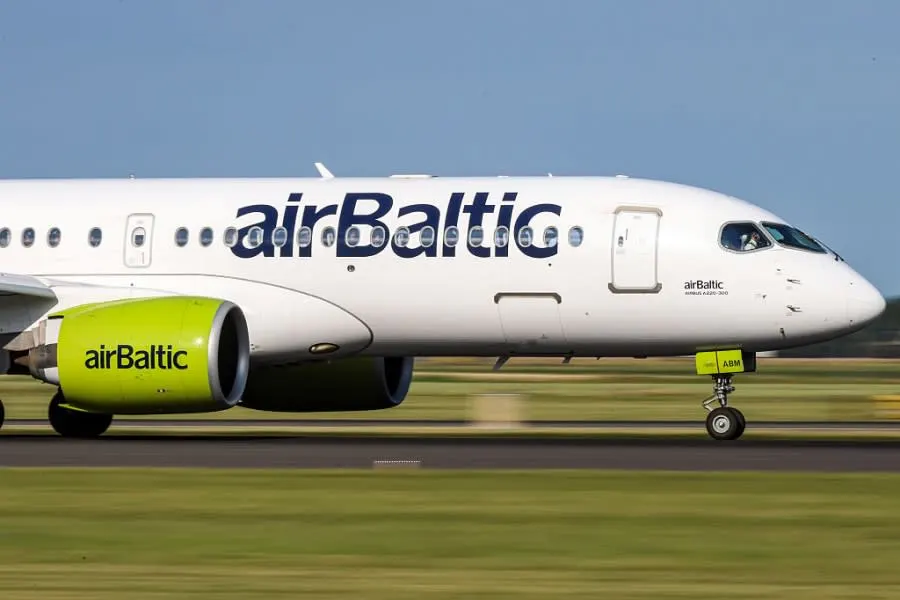
AirBaltic Files for Chapter 11 to Restructure Debt
AirBaltic has filed for Chapter 11 bankruptcy protection to restructure its finances while maintaining normal flight operations for passengers.
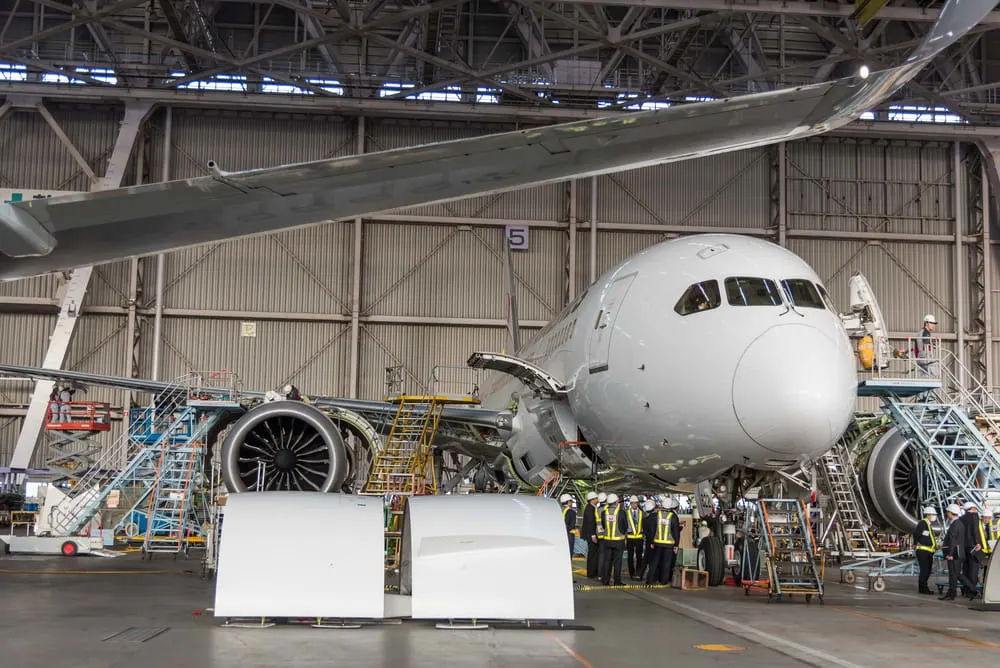
Boeing Wins $241M Navy Contract for F/A-18 Surface Repairs
Boeing secured a $241.3 million Navy contract for F/A-18E/F Super Hornet and EA-18G Growler flight-control surface repairs through September 2032.

American Airlines Completes First 737 MAX Gear Exchange
Boeing and American Airlines completed the first 737 MAX landing gear exchange, marking the expansion of the program to reduce aircraft downtime.

Iberia Gains Unrestricted A350 Heavy Maintenance Approval
The Spanish aviation regulator AESA has granted Iberia Maintenance unrestricted authorization to perform heavy maintenance on the Airbus A350 fleet.