Southwest Enforces New 'Customer of Size' Policy After Viral Vegas Incident

Co-Founder & CEOAviation News Editor delivering trusted coverage across the global aviation industry.
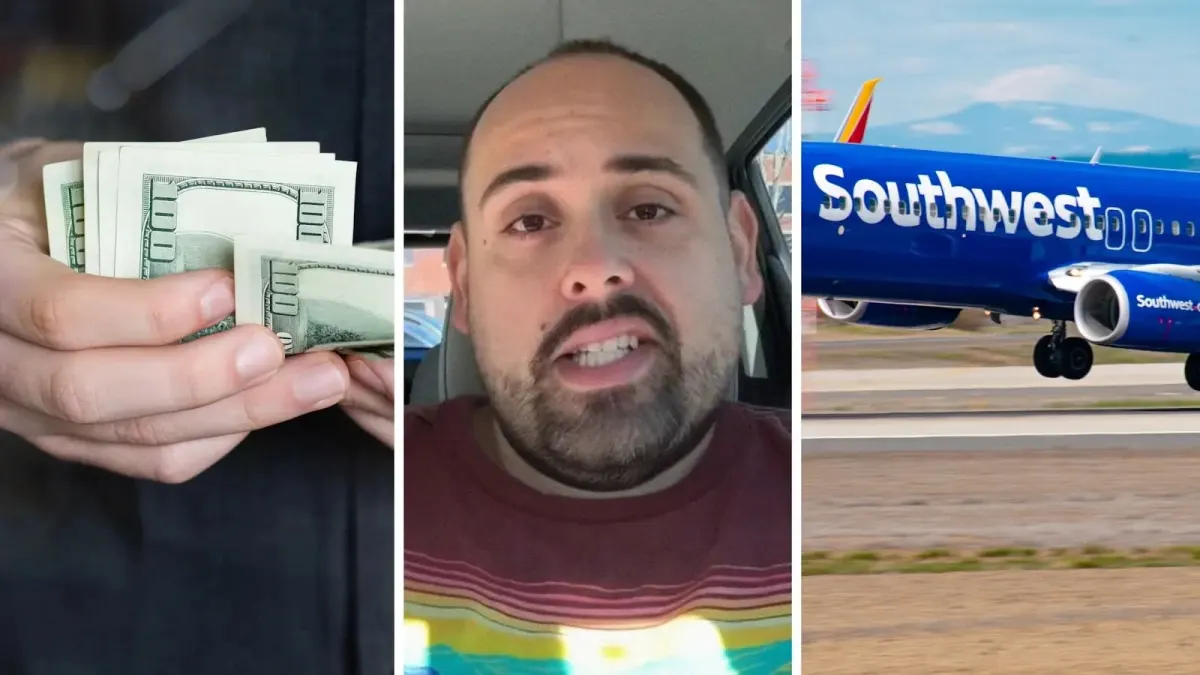
A viral video shows a passenger charged $355 at the gate, highlighting Southwest Airlines' strict new 'Customer of Size' policy after ending open seating.
Key Takeaways
- •Requires passengers of size to purchase an extra seat in advance, ending free gate accommodations.
- •Stems from the airline's January 27, 2026 transition away from its 50-year open seating policy.
- •Prompted a viral video after a traveler was charged a $355 fee at the gate in Las Vegas.
- •Aligns Southwest with industry peers but ends a key brand differentiator for plus-size travelers.
A viral video of a passenger being required to pay $355 for an additional seat at the gate has drawn significant attention to a major policy shift at Southwest Airlines (SWA). The incident, involving TikToker Ryan Velazquez on a flight from Las Vegas to Dallas, directly reflects the carrier's updated Customer of Size (COS) policy, which was implemented following its transition away from open seating on January 27, 2026.
The event at Harry Reid International Airport (LAS) underscores a fundamental change in how the airline handles passengers who require more than one seat. For decades, Southwest was known for a flexible approach, often providing a second seat free of charge at the gate if one was available. However, with the move to an assigned seating model, the airline has eliminated this practice, now requiring customers who cannot fit between the armrests to purchase an extra seat in advance. This change aligns Southwest more closely with other US carriers but marks the end of a key differentiator that made the airline a preferred choice for many plus-size travelers.
New Policy and Regulatory Context
According to the updated Southwest Airlines Extra Seat Policy, passengers who encroach on an adjacent seat must purchase an additional ticket. A refund for the second seat is only issued if the flight departs with at least one unsold seat. This operational shift places the financial risk on the passenger and the enforcement burden on gate agents, who must now assess passengers before boarding.
While this policy is an airline-specific business decision, it operates within a broader regulatory framework set by the Federal Aviation Administration (FAA). The FAA's Advisory Circular 120-27F on Aircraft Weight and Balance Control provides standard average passenger weights, which were recently updated to 190 lbs in summer and 195 lbs in winter. Although the FAA does not mandate minimum seat widths or individual passenger size limits, these weight standards influence how airlines manage overall aircraft load and balance, indirectly impacting cabin configuration and seating policies.
Stakeholder Impact and Industry Reaction
The policy change has a significant impact on several groups. For plus-size travelers, it removes what was often the only financially accessible option for air travel, potentially doubling the cost of a flight, as seen in the $355 gate charge for the flight to Dallas Love Field (DAL). Advocacy groups have been critical of the move. Tigress Osborn, Executive Director of the National Association to Advance Fat Acceptance (NAAFA), stated that with the policy change, "that beacon has gone out," referring to Southwest's former reputation for accessibility.
From an alternative perspective, aviation business analysts frame the update as a necessary operational adjustment. The argument is that the policy protects revenue on high-load-factor flights and ensures that all fare-paying customers receive the full seat space they purchased. The transition to assigned seating made the previous, more informal system operationally untenable.
Historical Precedent and Comparisons
This is not the first time Southwest has faced public backlash over its COS policy. In February 2010, the airline ejected film director Kevin Smith from a flight, claiming he did not fit in a single seat. That incident resulted in a public apology and a $250 voucher from Southwest. The current policy, however, represents a hardened, system-wide stance rather than a case-by-case service recovery, indicating a permanent departure from the more flexible approach of the past.
Narrowbody Economy Seat Width (US Carriers)
| Metric | Southwest Airlines (Boeing 737) | Delta Air Lines (A321) |
|---|---|---|
| Seat Width | 17.0 - 17.8 inches | 18.0 inches |
| Armrest Boundary | Fixed definitive boundary | Adjustable |
Technical Analysis
The enforcement of this stricter Customer of Size policy is a direct and predictable consequence of Southwest abandoning its 50-year-old open seating model. The former system allowed for discreet, last-minute accommodation of larger passengers without disrupting a pre-assigned cabin map. With the transition to assigned seating, every seat becomes a discrete, monetized unit of inventory from the moment of booking. This development indicates Southwest's strategic pivot away from a unique customer service proposition toward operational and revenue-management practices that are standard at other legacy and low-cost carriers. The move accelerates the industry trend of monetizing all aspects of the passenger journey and cabin space, prioritizing ancillary revenue and load factor optimization over flexible accommodation policies. The contrast with the 2010 Kevin Smith incident outcome shows a clear trajectory from service recovery toward rigid policy enforcement.
What Comes Next
As passengers and airline staff adjust to the new rules, further public incidents are likely. Southwest Airlines will face an ongoing public relations challenge to communicate the policy change effectively while managing customer dissatisfaction. Advocacy groups like NAAFA are expected to continue applying pressure on the airline and the broader industry to improve accessibility for plus-size travelers. The long-term impact on Southwest's customer loyalty and brand perception, which was built on a foundation of customer-friendly policies, will be a key metric to watch in the coming quarters.
Why This Matters
This policy shift signals more than just a change in seating rules; it marks the end of a distinct era in Southwest's business model. By aligning its policies with competitors, the airline risks diluting a brand identity that set it apart for half a century. For the aviation industry, it reinforces a prevailing trend toward maximizing revenue per square foot, potentially leaving a segment of the traveling public with fewer and more expensive options.
Stay ahead of the airline industry with commercial aviation news from omniflights.com. Follow aviation sustainability efforts, emissions research, and green initiatives in the Environmental section at omniflights.com/environmental.
Written by Hardik Vishwakarma
Co-Founder & Aviation News Editor leading initiatives that improve trust and visibility across the global aviation industry. Covers airlines, airports, safety, and emerging technology.
Visit ProfileYou Might Also Like
Discover more aviation news based on similar topics
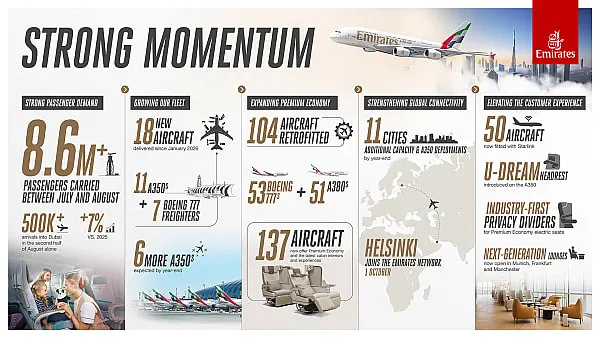
Emirates Winter Booking Momentum Grows Amid Fleet Expansion
Emirates carried 8.6 million passengers this summer and enters winter with strong demand as it accelerates fleet retrofits and network growth.
Air Arabia Consortium Gains AOC for New Dammam Budget Airline
A Saudi GACA-led consortium including Air Arabia has secured an AOC to launch a new budget airline based at Dammam's King Fahd International Airport.
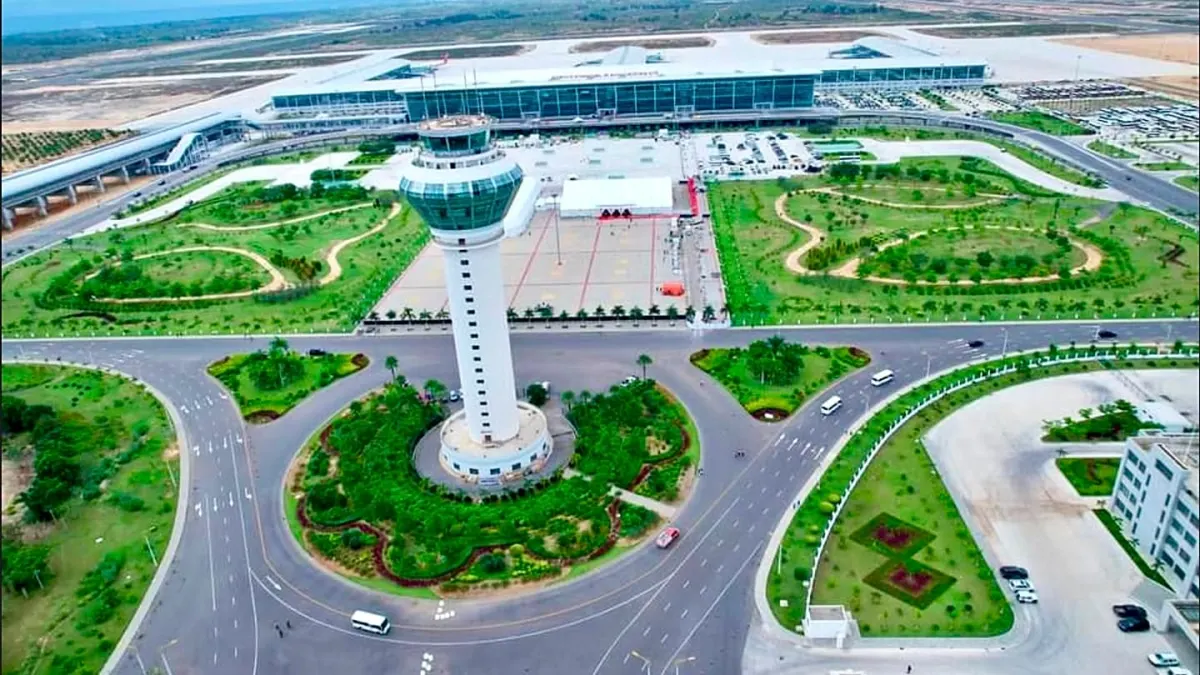
Turkish Airlines Exits Luanda as Angola Hub Struggles
Turkish Airlines dropped its Luanda route as Angola's new airport struggles to attract traffic, handling only 756,028 passengers in 2025.

Red Sea Airlines Leases Two 737 MAX 8s for 2027 Expansion
Red Sea Airlines signed a lease for two Boeing 737 MAX 8 aircraft from SMBC Aviation Capital, arriving in 2027 to support its 14-aircraft fleet goal.
Avelo CEO Warns Airfares May Rise on Jet Fuel Price Spikes
Avelo Airlines CEO Andrew Levy warns that rising fuel costs may force fare increases as global jet fuel prices reach $171.01 per barrel.
IndiGo, Air India Battle for Mumbai-Delhi Route Dominance
IndiGo and the Air India group are competing for dominance on the Mumbai-Delhi air route, which saw 13.9 percent capacity growth this September.