Air India Cuts Flights Through July as Jet Fuel Spike Renders Routes Unviable

Co-Founder & CEOAviation News Editor delivering trusted coverage across the global aviation industry.
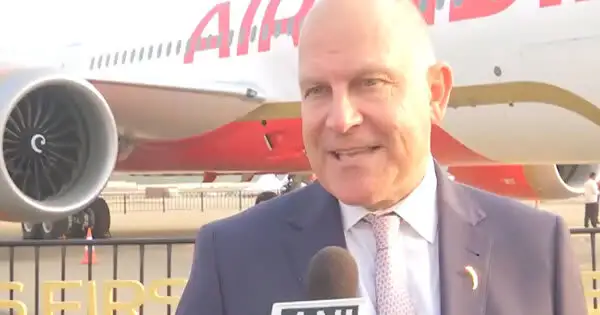
Air India is cutting international flights through July as a massive spike in jet fuel prices and airspace restrictions have made many routes unviable.
Key Takeaways
- •Cuts nearly 100 domestic and international flights through July 2026 due to unprofitable routes.
- •Cites massive jet fuel price spike to $195.19 per barrel and Middle East airspace closures.
- •Mitigates domestic impact with a 25% government-mandated cap on Aviation Turbine Fuel price hikes.
- •Advances long-term hub-and-spoke strategy to decentralize customs to Tier 2 cities.
Air India is implementing significant flight schedule reductions through July 2026, cutting nearly 100 domestic and international flights in response to severe operational pressures. According to an internal communication from CEO Campbell Wilson, a combination of soaring jet fuel prices, airspace restrictions, and consequently longer flight routes has rendered many international services financially unviable.
The immediate challenge stems from what Wilson described as a 'massive rise in jetfuel prices.' Data from the IATA Jet Fuel Price Monitor shows global prices surged to $195.19 per barrel in late March 2026, nearly doubling in a month. This spike, coupled with airspace closures over the Middle East following the Strait of Hormuz closure, has forced airlines to adopt longer, more fuel-intensive flight paths. Wilson noted that these factors have "caused many of our international flights to become unprofitable to operate," necessitating schedule trims for April, May, and now extending into June and July.
While the airline has attempted to offset these costs by increasing airfares and adding fuel surcharges, Wilson acknowledged the limited effectiveness of this strategy, stating, "these higher airfares impact customer demand, so we can only raise fares so far before people decide to stay home." The impact on international passengers is direct, involving flight cancellations, higher ticket prices, and longer journey times.
Domestic Relief and Strategic Shifts
Domestic operations have been less severely affected due to government intervention. The Ministry of Civil Aviation, Government of India, has capped the domestic Aviation Turbine Fuel (ATF) price hike at 25%. This measure has provided a partial buffer for internal routes, though profitability remains significantly affected. Without this cap, the financial strain would be considerably greater across the entire network.
Despite the immediate operational headwinds, Air India is pushing forward with its long-term transformation plan. A key component of this strategy is the recently approved hub-and-spoke model. This new operational framework will decentralize international passenger processing. It allows travelers from Tier 2 and Tier 3 cities, such as Varanasi, to complete customs and immigration formalities at their origin airport. They can then transit seamlessly through major hubs like Delhi and Mumbai onto international flights. This initiative is designed to decongest major airports and better integrate smaller Indian cities into the global travel network.
Context and Historical Precedents
The current situation mirrors previous disruptions caused by geopolitical events. In February 2019, the closure of Pakistani airspace forced Air India to reroute its European and North American flights, resulting in substantial financial losses. Similarly, the closure of Russian airspace in 2022 following the invasion of Ukraine led to significantly longer flight times and higher fuel burn for carriers operating between Europe and Asia. These historical precedents demonstrate the acute vulnerability of long-haul airline operations to regional conflicts, a pattern now repeating with the Middle East crisis.
For Air India, which is estimated to have posted losses exceeding ₹22,000 crore for the financial year ending March 31, 2026, these external shocks present a significant challenge to its recovery and transformation under Tata Group ownership. The airline must balance immediate, painful cost-saving measures with continued investment in its strategic goals.
What Comes Next
The current flight reductions are confirmed to last through July 2026, with the airline closely monitoring the geopolitical situation and fuel price volatility. The hope, as expressed by Wilson, is for a stabilization of the Middle East conflict and a reopening of the Strait of Hormuz to restore more direct and profitable flight paths.
In parallel, the airline will proceed with its strategic initiatives. Trials for the new hub-and-spoke operations, with Varanasi as a key Tier 2 international hub, are expected to commence in June 2026. This rollout will be a critical test of the new model's efficiency and its potential to reshape India's international transit ecosystem.
Why This Matters
Air India's decision to cut flights highlights the precarious balance airlines must maintain between operational costs and strategic growth. It underscores how external geopolitical and economic shocks can rapidly undermine route profitability, forcing even major carriers to make difficult tactical adjustments. For the Indian aviation market, it demonstrates the dual reality of managing immediate crises while simultaneously executing ambitious, long-term plans to expand the country's role as a global aviation hub.
Frequently Asked Questions
- Why is Air India cutting flights in 2026?
- Air India is cutting nearly 100 flights through July 2026 because a massive spike in global jet fuel prices to over $195 per barrel, combined with Middle East airspace restrictions, has made many international routes unprofitable to operate.
- How is the Indian government helping airlines with high fuel costs?
- The Indian government has helped mitigate the impact on domestic routes by capping the price increase for Aviation Turbine Fuel (ATF) at 25%, shielding airlines from the full volatility of the global market for their internal flights.
- What is Air India's new hub-and-spoke model?
- Air India has received government approval for a hub-and-spoke model that allows passengers from smaller Tier 2 and Tier 3 cities to complete international customs and immigration at their origin airport before transiting through major hubs like Delhi and Mumbai.
omniflights.com provides comprehensive commercial aviation news covering airlines, aircraft, and airports. Discover how innovation is shaping aviation through aircraft systems, avionics, and digital tools at omniflights.com/technology.
Written by Hardik Vishwakarma
Co-Founder & Aviation News Editor leading initiatives that improve trust and visibility across the global aviation industry. Covers airlines, airports, safety, and emerging technology.
Visit ProfileYou Might Also Like
Discover more aviation news based on similar topics
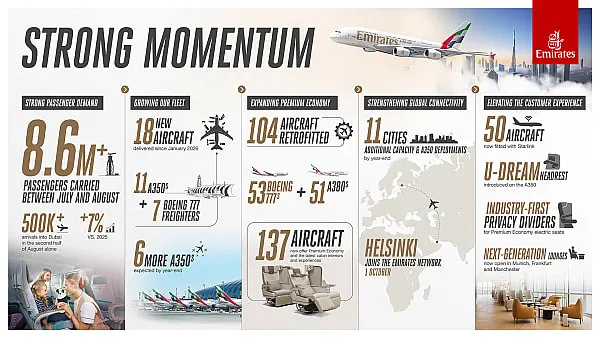
Emirates Winter Booking Momentum Grows Amid Fleet Expansion
Emirates carried 8.6 million passengers this summer and enters winter with strong demand as it accelerates fleet retrofits and network growth.
Air Arabia Consortium Gains AOC for New Dammam Budget Airline
A Saudi GACA-led consortium including Air Arabia has secured an AOC to launch a new budget airline based at Dammam's King Fahd International Airport.
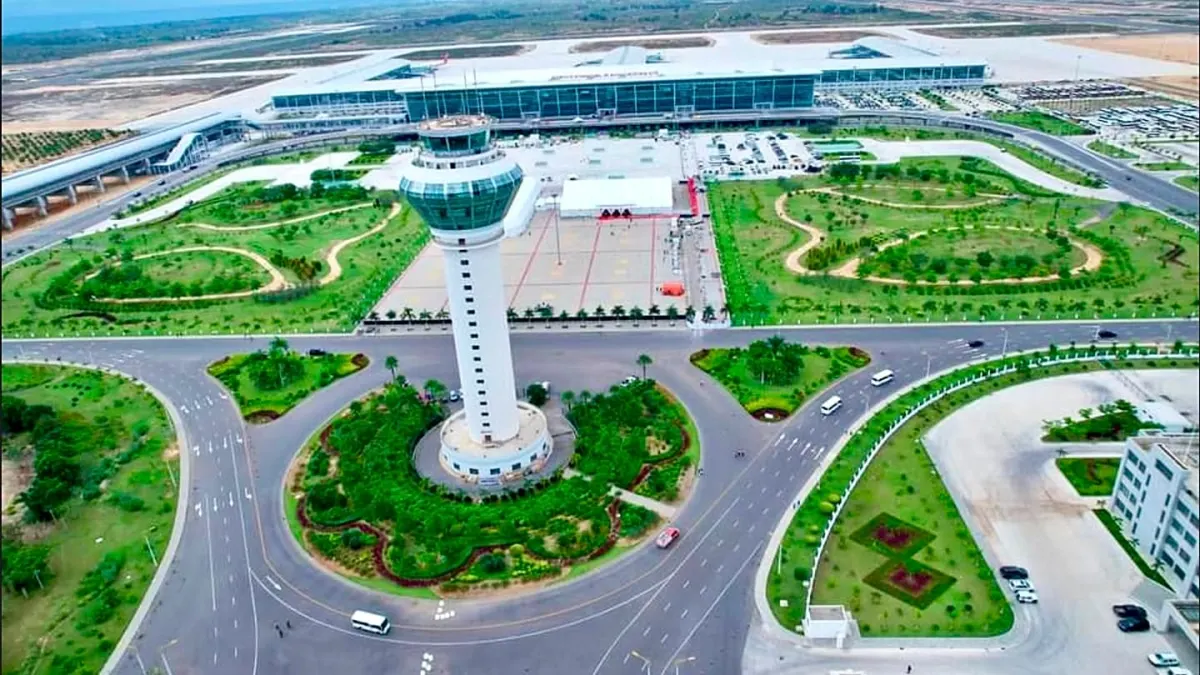
Turkish Airlines Exits Luanda as Angola Hub Struggles
Turkish Airlines dropped its Luanda route as Angola's new airport struggles to attract traffic, handling only 756,028 passengers in 2025.

Red Sea Airlines Leases Two 737 MAX 8s for 2027 Expansion
Red Sea Airlines signed a lease for two Boeing 737 MAX 8 aircraft from SMBC Aviation Capital, arriving in 2027 to support its 14-aircraft fleet goal.
Avelo CEO Warns Airfares May Rise on Jet Fuel Price Spikes
Avelo Airlines CEO Andrew Levy warns that rising fuel costs may force fare increases as global jet fuel prices reach $171.01 per barrel.
IndiGo, Air India Battle for Mumbai-Delhi Route Dominance
IndiGo and the Air India group are competing for dominance on the Mumbai-Delhi air route, which saw 13.9 percent capacity growth this September.