Southwest Enforces Assigned Seating for Weight & Balance Optimization

Co-Founder & CEOAviation News Editor delivering trusted coverage across the global aviation industry.
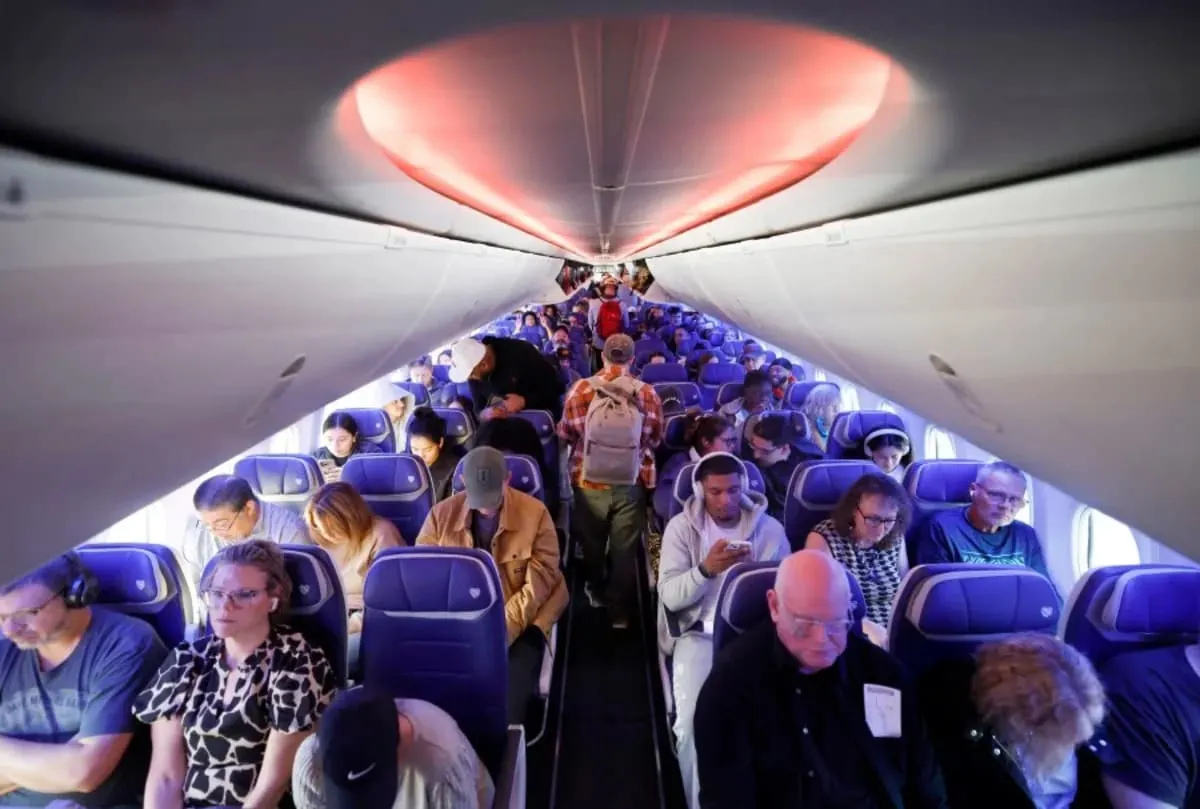
Southwest Airlines' new seating policy forces passengers into middle seats on empty flights to comply with strict aircraft weight and balance rules.
Key Takeaways
- •Ended 50-year open seating policy on January 27, 2026, for an assigned seating model.
- •Implements a new 5-zone system to optimize aircraft weight and balance for fuel efficiency.
- •Projects 2026 earnings per share to reach at least $4.00, driven by new seating revenue.
- •Faces passenger and flight attendant friction over rules preventing moves to empty seats.
Viral social media videos showing arguments between passengers and flight attendants over seating on sparsely populated flights are highlighting a major operational shift at Southwest Airlines. The carrier officially ended its 50-year open seating policy on January 27, 2026, but the reason passengers are now being forced to remain in assigned middle seats, even with empty rows available, is rooted in modern flight operational requirements.
The policy change is not arbitrary but is a direct result of Southwest's transition to a new 5-zone Weight and Balance (W&B) system. This system is designed to precisely manage the aircraft's Center of Gravity (CG), a critical factor for both safety and fuel efficiency. By assigning passengers to specific zones, the airline can optimize the aircraft's balance for cruise, reducing fuel burn. This operational necessity means that even on a flight with many empty seats, passengers cannot move freely as it would disrupt the carefully calculated CG.
Financial and Operational Drivers
The move away from its iconic open seating policy is a significant pivot for Southwest, driven by powerful financial incentives. According to the airline's Q4 2025 earnings release, Southwest expects its 2026 earnings per share to reach at least $4.00, a dramatic increase from $0.93 in 2025. This projected growth is largely attributed to the monetization of assigned seating, including extra legroom and preferred location options, a key component of airline ancillary revenue models.
During the earnings call, Southwest CEO Bob Jordan stated the change 'has to do with offering our customers what they want,' while also predicting it will elevate the airline to industry-leading margins. The new system applies across Southwest's entire fleet of over 800 Boeing 737 aircraft, which includes different variants requiring specific W&B calculations. This strict adherence to operational limits is mandated by the Federal Aviation Administration (FAA) under regulations like 14 CFR Part 121.141, which requires airlines to comply with the Airplane Flight Manual's limitations. Further guidance is provided in documents such as the FAA's Advisory Circular (AC) 120-27F on aircraft weight and balance control.
Stakeholder Impact and Industry Context
The transition has created significant friction for both passengers and crew. Passengers have lost the flexibility that defined the Southwest experience for decades, leading to frustration. For Flight Attendants (FA), the new rules have placed them in the difficult position of enforcing a policy that seems counterintuitive to customers, resulting in increased onboard conflicts.
This situation is not without precedent. In May 2019, the FAA increased the standard average passenger weights used for W&B calculations. This forced airlines to update their procedures and, in some cases, block seats on regional jets to remain within safe operating limits, demonstrating how regulatory requirements can directly impact passenger seating. Southwest's current policy is a more advanced application of this same principle, using precise passenger location data for optimization rather than just blunt weight averages.
Southwest Airlines Weight & Balance Management
| Metric | Open Seating Era | Assigned Seating Era |
|---|---|---|
| Distribution Method | 1 general cabin zone | 5 distinct weight zones |
| Center of Gravity Margin | Broad/Flexible | Highly optimized for fuel efficiency |
Technical Analysis
Southwest's policy shift represents a convergence of two major industry trends: the monetization of every aspect of the cabin and the use of data to optimize operational efficiency. By ending open seating, the airline simultaneously created a new ancillary revenue stream and enabled a more sophisticated fuel management program. While passengers may perceive the strict enforcement as a measure to encourage paid upgrades, aviation professionals recognize it as a legitimate requirement of the new 5-zone W&B system. The resulting passenger friction is a direct consequence of a business model that prioritizes granular operational and financial optimization over perceived customer convenience, a trade-off becoming increasingly common across the industry.
What Comes Next
Recognizing the challenges of the new system, Southwest is taking steps to mitigate some of the associated friction points. Executive Vice President Tony Roach acknowledged issues with boarding and overhead bin access. In response, Southwest has confirmed it will proceed with a fleet-wide retrofit of larger overhead bins, with completion expected by the end of 2026. This initiative aims to ease the boarding process, which has been complicated by the new assigned seating zones.
Why This Matters
This development marks the definitive end of a unique era in U.S. commercial aviation and solidifies Southwest's pivot to a mainstream ancillary revenue strategy. It demonstrates that as airlines leverage more sophisticated data for fuel and cost management, passenger flexibility may be curtailed for operational and safety reasons. For travelers, this means the location of an empty seat is no longer as important as the aircraft's precisely calculated center of gravity.
Frequently Asked Questions
- Why can't I move to an empty row on a Southwest flight anymore?
- Southwest now uses a 5-zone weight and balance system to optimize the aircraft's center of gravity for fuel efficiency. Passengers must remain in their assigned seats, even on lightly-loaded flights, to ensure the aircraft remains safely balanced according to these precise calculations.
- When did Southwest stop its open seating policy?
- Southwest Airlines officially ended its 50-year-old open seating policy on January 27, 2026. The airline transitioned to an assigned seating model to generate ancillary revenue and implement a more precise weight and balance management system.
- What are the financial benefits for Southwest from ending open seating?
- By monetizing assigned seating and extra legroom options, Southwest expects its 2026 earnings per share to reach at least $4.00. This is a significant increase from the $0.93 per share reported in 2025.
Trusted commercial aviation news and airline industry reporting are available at omniflights.com. For reporting on UAP sightings, investigations, and aviation-related encounters, see the UAPs section at omniflights.com/uaps.
Written by Hardik Vishwakarma
Co-Founder & Aviation News Editor leading initiatives that improve trust and visibility across the global aviation industry. Covers airlines, airports, safety, and emerging technology.
Visit ProfileYou Might Also Like
Discover more aviation news based on similar topics
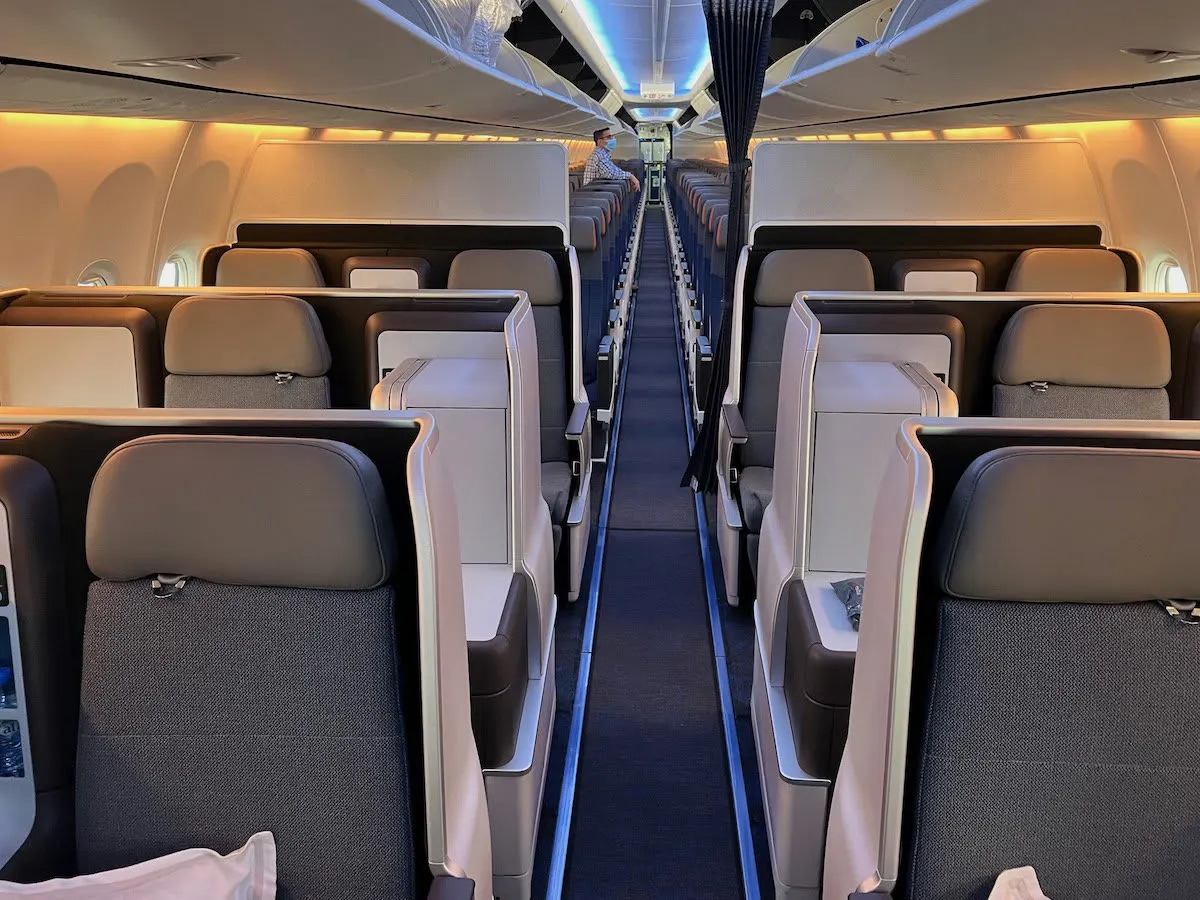
Flydubai Upgrading 21 Boeing 737 MAX 8s to Flat Bed Seats
Flydubai is retrofitting 21 Boeing 737 MAX 8 aircraft with lie-flat business class seats to standardize its premium product by late 2027.
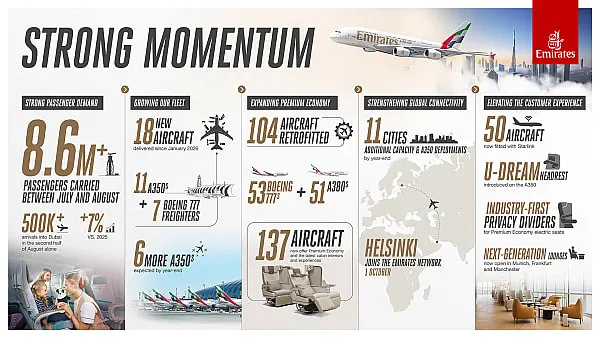
Emirates Winter Booking Momentum Grows Amid Fleet Expansion
Emirates carried 8.6 million passengers this summer and enters winter with strong demand as it accelerates fleet retrofits and network growth.
Air Arabia Consortium Gains AOC for New Dammam Budget Airline
A Saudi GACA-led consortium including Air Arabia has secured an AOC to launch a new budget airline based at Dammam's King Fahd International Airport.
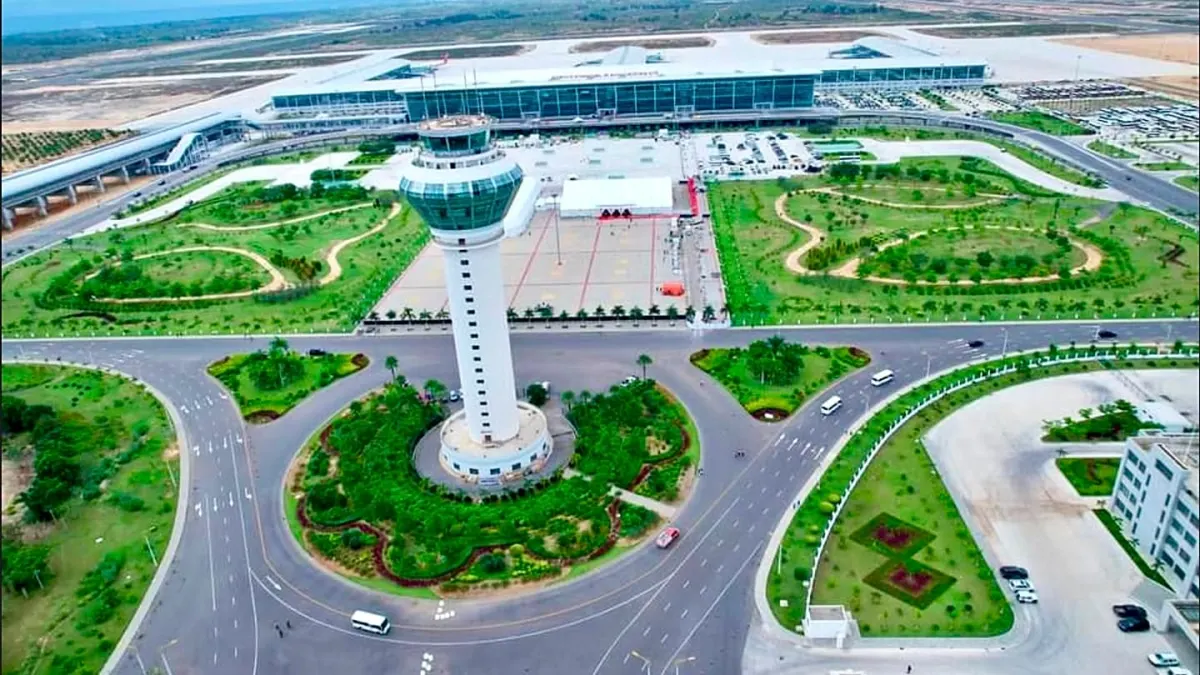
Turkish Airlines Exits Luanda as Angola Hub Struggles
Turkish Airlines dropped its Luanda route as Angola's new airport struggles to attract traffic, handling only 756,028 passengers in 2025.

Red Sea Airlines Leases Two 737 MAX 8s for 2027 Expansion
Red Sea Airlines signed a lease for two Boeing 737 MAX 8 aircraft from SMBC Aviation Capital, arriving in 2027 to support its 14-aircraft fleet goal.
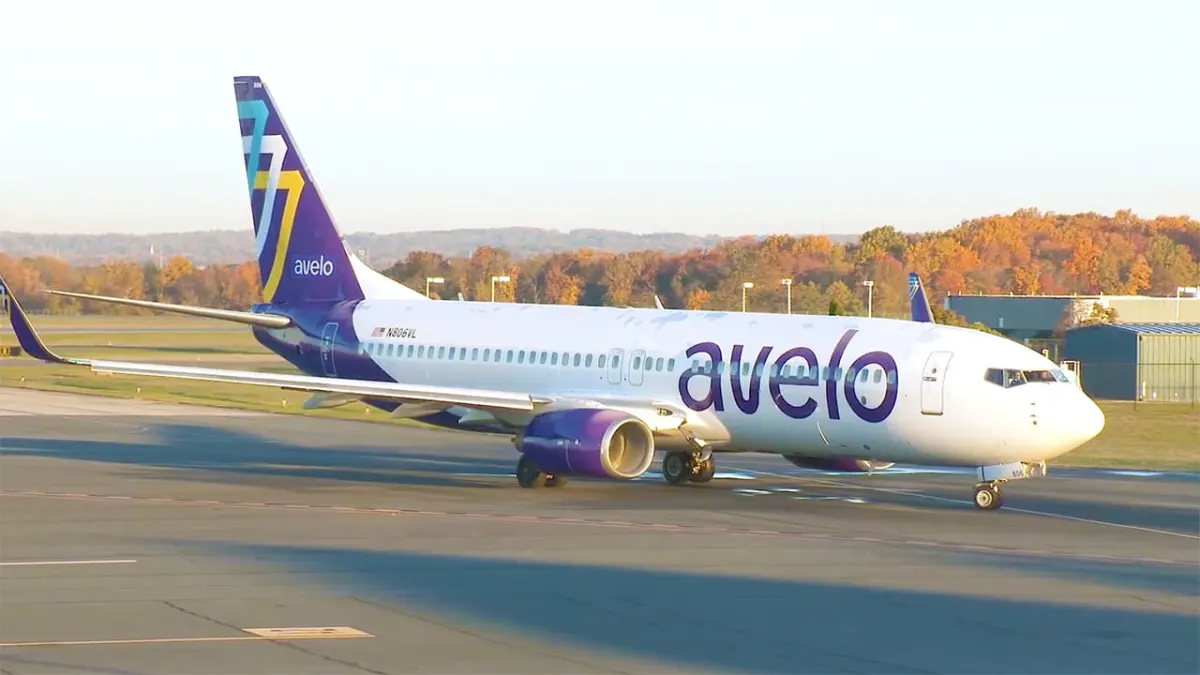
Avelo CEO Warns Airfares May Rise on Jet Fuel Price Spikes
Avelo Airlines CEO Andrew Levy warns that rising fuel costs may force fare increases as global jet fuel prices reach $171.01 per barrel.