Arkia Launches Business Class on Airbus A320 Flights to Europe

Co-Founder & CEOAviation News Editor delivering trusted coverage across the global aviation industry.
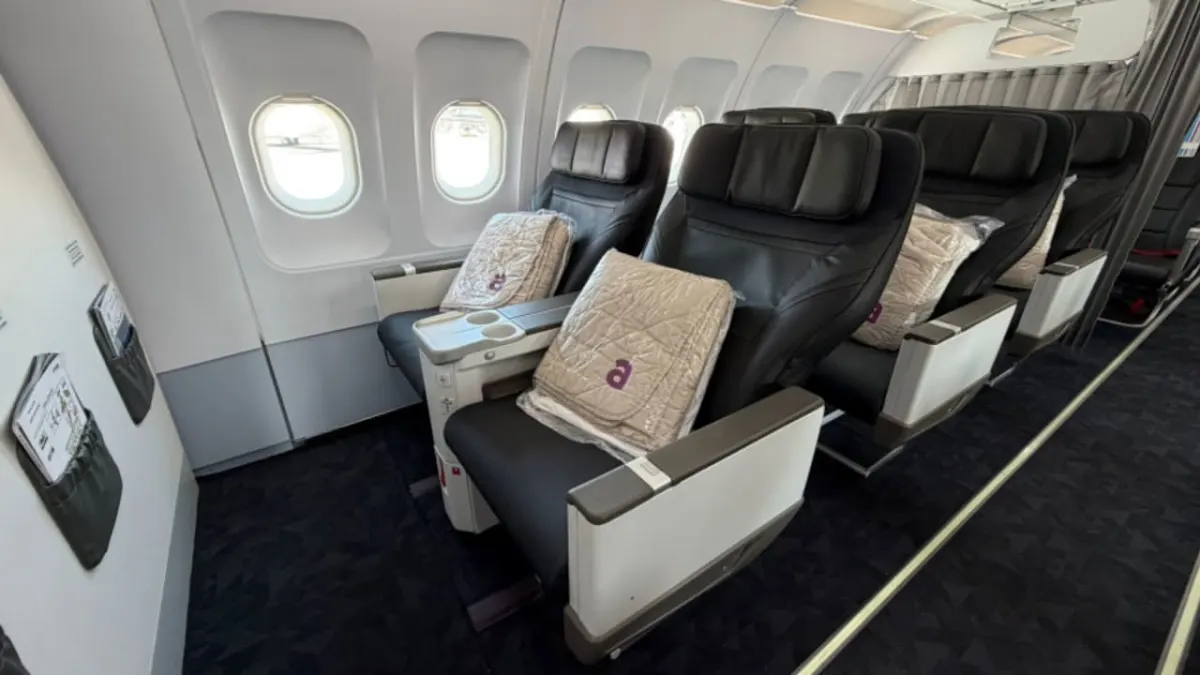
Arkia is launching a business class on its Airbus A320s for European routes, starting with Paris, to capture rising demand for premium short-haul travel.
Key Takeaways
- •Launches a 12-seat business class cabin on reconfigured Airbus A320 aircraft for European routes.
- •Sets starting one-way fares at approximately $849 for the inaugural Tel Aviv to Paris service.
- •Plans to convert a second A320 and expand the premium service to more European cities by Summer 2026.
- •Responds to growing passenger demand for premium comfort and service on short-haul flights.
Israeli carrier Arkia has launched a business class product on its European routes, signaling a strategic move to capture the growing market for premium short-haul travel. The inaugural flight departed for Paris earlier this week, operated by one of the airline's Airbus A320 aircraft that has been refitted with a dual-class cabin.
The initiative addresses a notable shift in consumer behavior, where passengers are increasingly willing to pay for enhanced comfort and service on flights lasting only a few hours. By introducing a dedicated premium cabin on a narrow-body aircraft, Arkia is positioning itself to compete directly with legacy carriers on key European routes and tap into the premium leisure travel demand that has surged in recent years.
Cabin Configuration and Service
The reconfigured Airbus A320 family aircraft now features a cabin with 12 business class seats and approximately 150 economy seats. This modification required regulatory approval, including a Supplemental Type Certificate from the Civil Aviation Authority of Israel (CAAI), to ensure all safety standards were met.
The business class service is designed to be comprehensive, offering passengers spacious seating, priority ground services including dedicated check-in and boarding, and lounge access. The baggage allowance is also enhanced, permitting two checked suitcases weighing up to 32 kg each. Onboard, the experience includes a full culinary service with meals served on porcelain dishes and a selection of alcoholic beverages. Fares for the new business class on the Tel Aviv to Paris route will begin at approximately $849 one-way.
According to Arkia's CEO, Oz Berlovitz, the decision was driven by strong market signals. “Following the success of the business class on routes to New York and destinations in the East, we decided to expand the product to Europe as well,” Berlovitz stated. “This is a move that allows passengers to choose the flight experience that suits them, even on short routes.”
Industry Context
Arkia's move reflects a broader industry trend of unbundling services and offering premium products on traditionally economy-focused routes. While many European carriers offer a 'Euro-business' class, which typically involves a standard economy seat with the middle seat blocked, Arkia is introducing a dedicated cabin with distinct, more spacious seating. This strategy aims to differentiate its product and appeal to travelers seeking a true premium experience.
This approach has historical precedents. In October 2013, Flydubai successfully introduced a business class on its Boeing 737s, transitioning from a pure low-cost model to a hybrid carrier that captured high-yield traffic. Similarly, JetBlue's launch of its Mint premium class on Airbus A321s in June 2014 disrupted the U.S. transcontinental market and proved the viability of a high-quality premium product on narrow-body aircraft. These cases demonstrate that a leisure-focused airline can successfully capture a share of the premium market.
Technical Analysis
This development indicates a maturation of the short-haul market, moving beyond pure cost competition toward product differentiation. By retrofitting its A320s, Arkia is making a capital investment that bets on sustained demand for premium leisure travel. The move challenges competitors like El Al and Air France on the high-traffic Tel Aviv-Paris corridor, potentially putting pressure on their business class yields. Arkia's strategy follows the successful pattern established by carriers like JetBlue, proving that a well-executed narrow-body premium product can create a new market segment and attract passengers from both legacy carriers and low-cost alternatives.
Future Expansion
The Paris route is the first step in a broader European strategy for Arkia's premium product. The airline has confirmed its plans for the near future.
By June 2026, a second Airbus A320 aircraft is scheduled to complete its conversion to the dual-class configuration. Following this fleet enhancement, Arkia is expected to expand its business class service to additional European destinations during the Summer 2026 travel season, although specific cities have not yet been announced.
Why This Matters
Arkia's introduction of a true business class on short-haul European routes is significant as it challenges the established airline models in the region. For passengers, it provides a new, competitively priced premium option on routes often dominated by legacy carriers or low-cost operators with minimal frills. For the industry, it underscores the increasing importance of the premium leisure segment and signals that narrow-body aircraft will play a crucial role in delivering premium experiences on non-traditional long-haul routes.
Frequently Asked Questions
- What is included in Arkia's new business class on European flights?
- Arkia's new business class on its Airbus A320 aircraft includes 12 spacious seats, lounge access, dedicated check-in, an extended baggage allowance of two suitcases, and an upgraded meal service with porcelain dishes.
- How much does Arkia's new business class to Paris cost?
- Ticket prices for Arkia's new business class on the Tel Aviv to Paris route start at approximately $849 one-way, positioning it as a competitive premium option.
omniflights.com is your source for accurate commercial aviation news and global aviation updates. Discover how innovation is shaping aviation through aircraft systems, avionics, and digital tools at omniflights.com/technology.
Written by Hardik Vishwakarma
Co-Founder & Aviation News Editor leading initiatives that improve trust and visibility across the global aviation industry. Covers airlines, airports, safety, and emerging technology.
Visit ProfileYou Might Also Like
Discover more aviation news based on similar topics
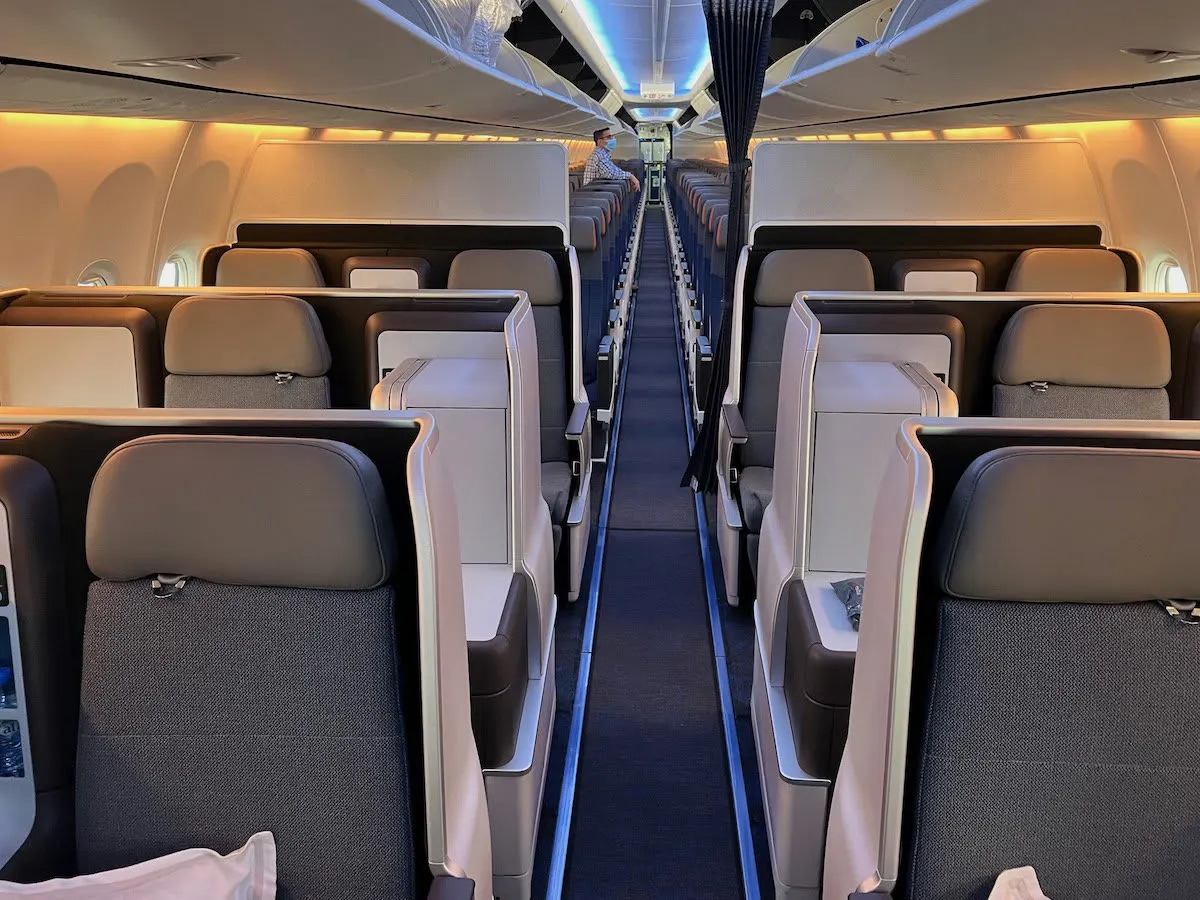
Flydubai Upgrading 21 Boeing 737 MAX 8s to Flat Bed Seats
Flydubai is retrofitting 21 Boeing 737 MAX 8 aircraft with lie-flat business class seats to standardize its premium product by late 2027.
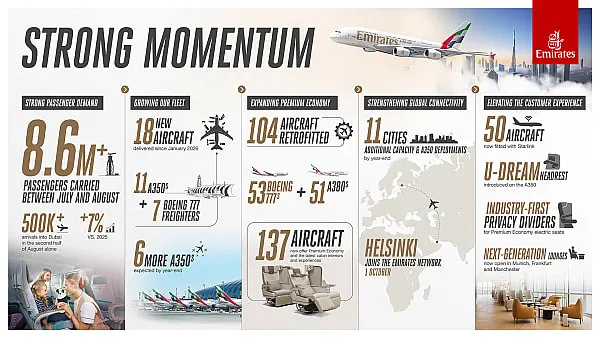
Emirates Winter Booking Momentum Grows Amid Fleet Expansion
Emirates carried 8.6 million passengers this summer and enters winter with strong demand as it accelerates fleet retrofits and network growth.
Air Arabia Consortium Gains AOC for New Dammam Budget Airline
A Saudi GACA-led consortium including Air Arabia has secured an AOC to launch a new budget airline based at Dammam's King Fahd International Airport.
Turkish Airlines Exits Luanda as Angola Hub Struggles
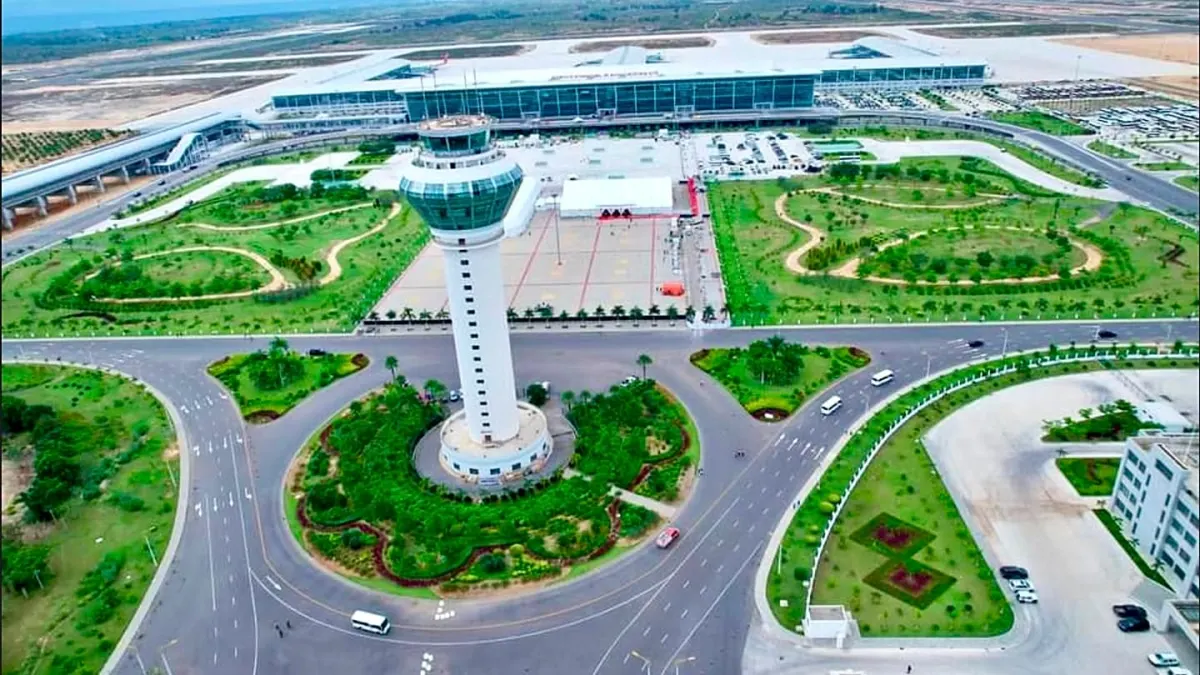
Turkish Airlines dropped its Luanda route as Angola's new airport struggles to attract traffic, handling only 756,028 passengers in 2025.
Red Sea Airlines Leases Two 737 MAX 8s for 2027 Expansion
Red Sea Airlines signed a lease for two Boeing 737 MAX 8 aircraft from SMBC Aviation Capital, arriving in 2027 to support its 14-aircraft fleet goal.
Avelo CEO Warns Airfares May Rise on Jet Fuel Price Spikes
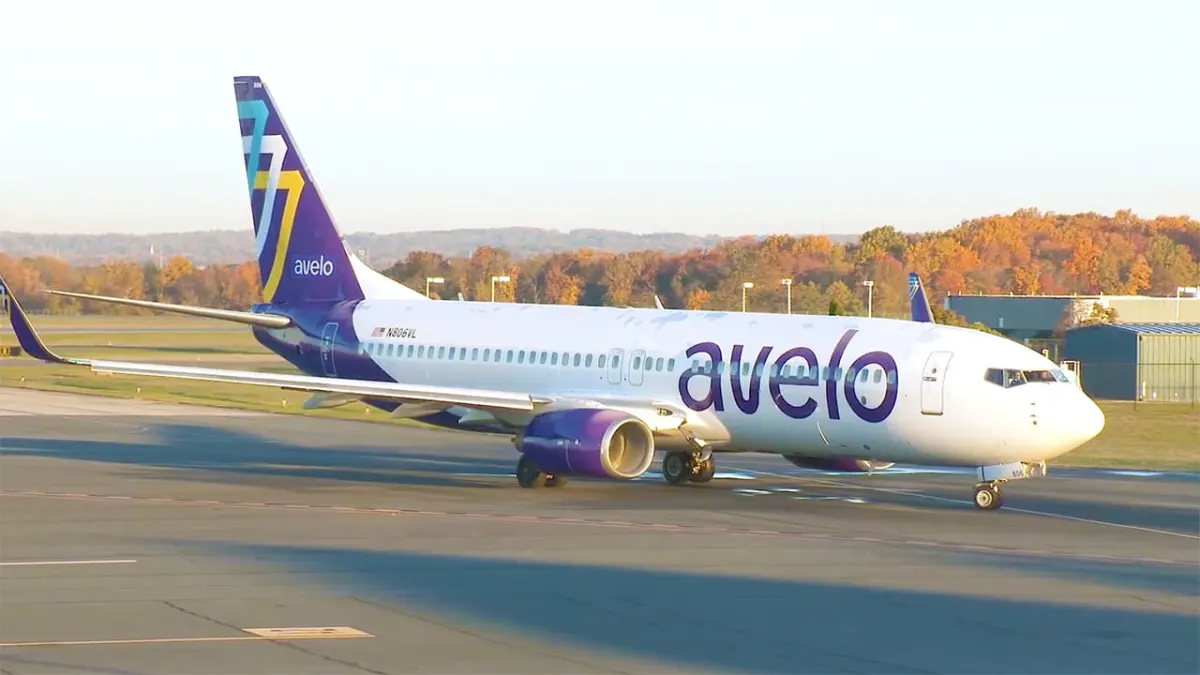
Avelo Airlines CEO Andrew Levy warns that rising fuel costs may force fare increases as global jet fuel prices reach $171.01 per barrel.