European Carriers Boost Asia Flights Amid Middle East Airspace Closures

Co-Founder & CEOAviation News Editor delivering trusted coverage across the global aviation industry.
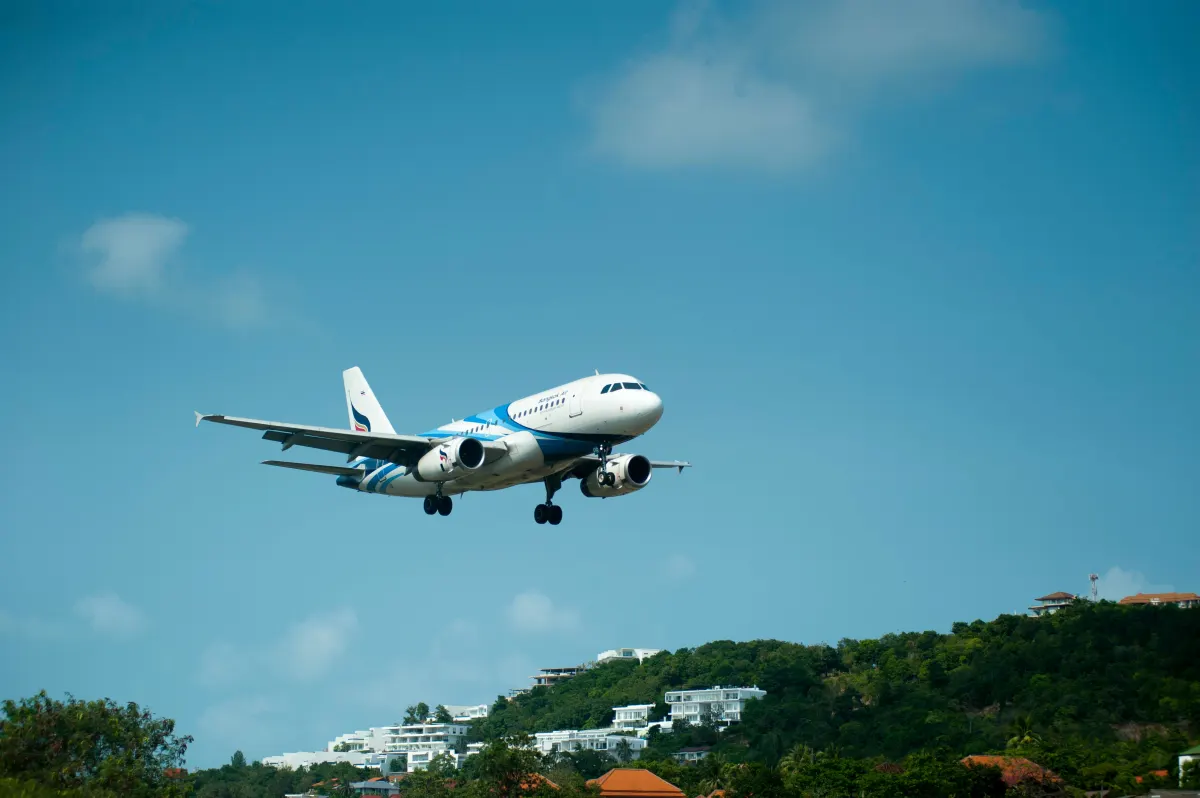
European and Australasian airlines are boosting long-haul capacity to Asia as Middle East airspace closures force Gulf carriers to slash flights.
Key Takeaways
- •Boosts European carrier capacity to Asia to capture traffic diverted from Gulf hubs.
- •Cuts global air cargo capacity by 18% due to grounded widebody belly freight.
- •Adds 2 to 8 hours to rerouted long-haul journeys, increasing fuel costs.
- •Reduces Gulf carrier flights by up to 56% due to Middle East airspace closures.
European and Australasian carriers are significantly increasing long-haul capacity on routes to Asia, capitalizing on a major disruption that has forced Gulf carriers to slash their schedules. Widespread airspace restrictions across the Middle East have led to thousands of flight cancellations by Emirates, Qatar Airways, and Etihad, fundamentally altering key east-west travel corridors. According to data from Cirium, Emirates flew 34% fewer flights in April 2026 compared to the previous year, while Qatar Airways saw a staggering 56% reduction.
The disruption deals a severe blow to the super-connector hub-and-spoke model perfected by the Gulf carriers. These airlines rely on routing massive volumes of transit traffic through their hubs in Dubai, Doha, and Abu Dhabi. With key Flight Information Regions (FIRs) closed, that model has become untenable. The impact on passenger and cargo traffic has been immediate and severe. FlightAware data shows over 8,100 flights were canceled across major Gulf hubs between late February and late March 2026. For passengers, this has resulted in rebooking delays of up to 72 hours and significantly longer journey times.
Industry Impact
The ripple effects extend across the global aviation network. According to Rotate Live Capacity data, the grounding of widebody aircraft in the Gulf has reduced global air cargo capacity by 18%. This affects supply chains that depend on the belly freight capacity of the Gulf carriers' extensive long-haul fleets. Gulf hub airports have also been heavily impacted by the loss of transit passenger volume and landing fees, with Dubai reportedly operating at just 60% capacity during the peak of the disruption.
In response, competitors are moving swiftly to fill the void. Cirium data reveals that British Airways has scheduled 21.9% more flights to India for the period of June through October 2026 compared to the previous year. Similarly, Lufthansa and Air France are redeploying widebody aircraft that previously served Middle East routes to non-stop services to Asian destinations like Singapore, Bangkok, and Delhi. "The move generates replacement revenue while British Airways' Middle East routes are suspended," noted John Grant, Senior Analyst at OAG, adding that it "takes the pressure off when Middle East aviation gets back to normal."
Regulatory and Operational Challenges
The flight suspensions are underpinned by regulatory directives aimed at ensuring passenger safety. The European Union Aviation Safety Agency (EASA) has issued a series of Conflict Zone Information Bulletins (CZIBs), which advise operators to avoid affected airspace. The most recent directive, CZIB 2026-03-R7, extended high-risk advisories for civil aviation over 11 Middle Eastern countries, effectively grounding European-regulated airlines on many routes through at least May 1, 2026.
For the flights that are still operating, the detours are substantial. Rerouting Europe-Asia and Europe-Australia flights via Turkey or Central Asia adds between 2 to 8 hours to journey times. This not only inconveniences passengers but also leads to a significant increase in fuel burn and operational costs for airlines. "The war in the Middle East proves once again how exposed air traffic is and how vulnerable it remains," said Carsten Spohr, CEO of Lufthansa.
Historical Context and Analysis
This situation mirrors previous large-scale airspace closures, most notably the restrictions over Russia following its 2022 invasion of Ukraine. In that event, Western airlines were forced into long reroutes on Asia flights, increasing costs and flight times, while carriers not subject to the bans gained a competitive advantage. The current crisis has effectively shifted the primary Europe-Asia choke point from Russian airspace to the Middle East.
This development represents a significant stress test for the global aviation network's reliance on a few key transit hubs. It demonstrates how quickly geopolitical events can reshape international air routes, creating immediate challenges for exposed carriers and strategic opportunities for others. The shift towards more point-to-point long-haul flights, while a temporary reaction, could accelerate a longer-term trend if instability in the region persists.
What Comes Next
The industry is closely watching for regulatory updates that could signal a path toward normalization. EASA is scheduled to review its CZIB on May 1, 2026, a decision that will determine whether European carriers can begin planning a resumption of services. Concurrently, British Airways and the Lufthansa Group have indicated their own suspensions to Dubai are expected to last until at least May 31, 2026, subject to safety assessments.
Why This Matters
This large-scale disruption highlights the fragility of global flight corridors in the face of geopolitical conflict. For airlines, it underscores the strategic risk of over-reliance on a single geographic hub. For passengers and cargo shippers, it signals a period of higher costs, longer transit times, and reduced capacity on key intercontinental routes.
Frequently Asked Questions
- Why are Gulf airlines like Emirates and Qatar cutting flights?
- Gulf carriers have drastically cut flights due to widespread airspace closures over the Middle East. Regulatory bodies like the European Union Aviation Safety Agency have issued conflict zone bulletins, making it unsafe or impossible to operate their typical hub-and-spoke routes connecting Europe and Asia.
- How are other airlines responding to the Middle East flight disruptions?
- Airlines in Europe and Australasia, such as British Airways and Lufthansa, are increasing their direct flight capacity to Asia. They are redeploying aircraft to bypass the affected Gulf hubs and capture the demand from displaced passengers.
- How much longer are flights between Europe and Asia due to the rerouting?
- Flights between Europe and Asia or Australia that now bypass the Middle East are experiencing journey time increases of two to eight hours. These longer routes via Turkey or Central Asia also lead to significantly higher fuel consumption.
omniflights.com provides comprehensive commercial aviation news covering airlines, aircraft, and airports. From aircraft production to supply chains, commercial aviation manufacturing news is covered at omniflights.com/manufacturing.
Written by Hardik Vishwakarma
Co-Founder & Aviation News Editor leading initiatives that improve trust and visibility across the global aviation industry. Covers airlines, airports, safety, and emerging technology.
Visit ProfileYou Might Also Like
Discover more aviation news based on similar topics
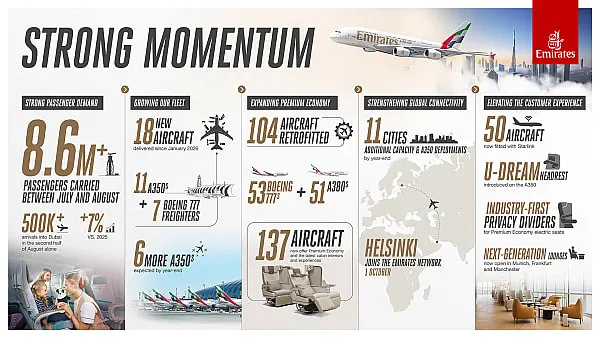
Emirates Winter Booking Momentum Grows Amid Fleet Expansion
Emirates carried 8.6 million passengers this summer and enters winter with strong demand as it accelerates fleet retrofits and network growth.
Air Arabia Consortium Gains AOC for New Dammam Budget Airline
A Saudi GACA-led consortium including Air Arabia has secured an AOC to launch a new budget airline based at Dammam's King Fahd International Airport.
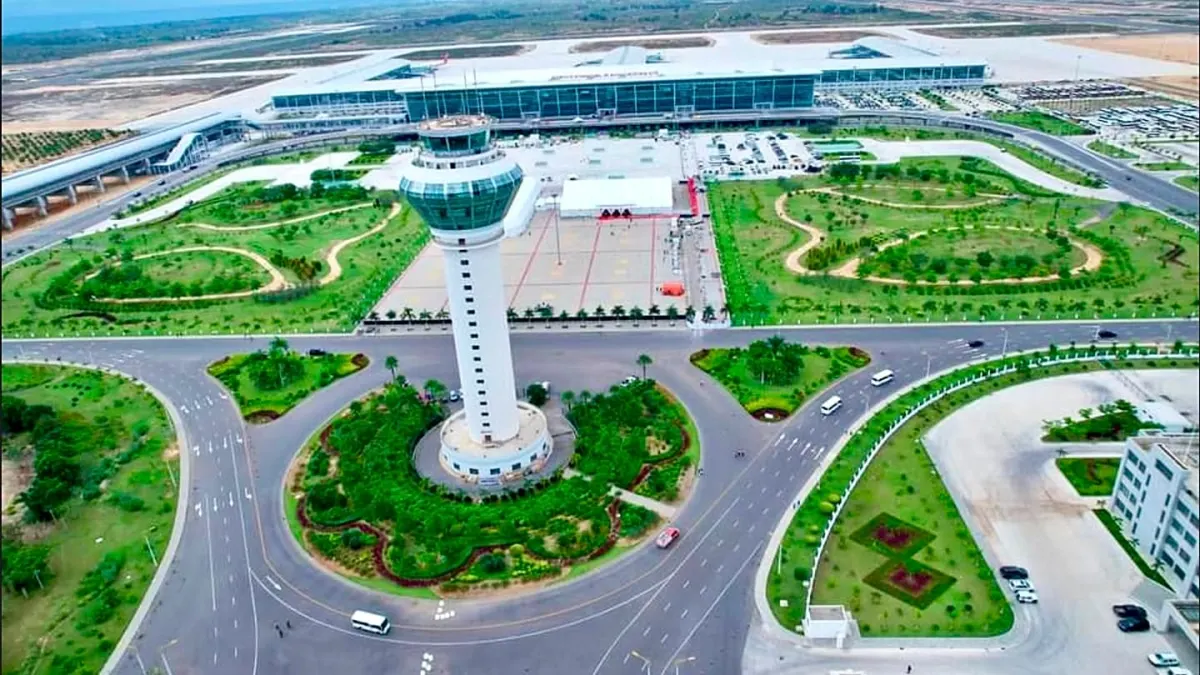
Turkish Airlines Exits Luanda as Angola Hub Struggles
Turkish Airlines dropped its Luanda route as Angola's new airport struggles to attract traffic, handling only 756,028 passengers in 2025.

Red Sea Airlines Leases Two 737 MAX 8s for 2027 Expansion
Red Sea Airlines signed a lease for two Boeing 737 MAX 8 aircraft from SMBC Aviation Capital, arriving in 2027 to support its 14-aircraft fleet goal.
Avelo CEO Warns Airfares May Rise on Jet Fuel Price Spikes
Avelo Airlines CEO Andrew Levy warns that rising fuel costs may force fare increases as global jet fuel prices reach $171.01 per barrel.
IndiGo, Air India Battle for Mumbai-Delhi Route Dominance
IndiGo and the Air India group are competing for dominance on the Mumbai-Delhi air route, which saw 13.9 percent capacity growth this September.