Emirates Restores 96% of Global Network After UAE Airspace Reopens

Co-Founder & CEOAviation News Editor delivering trusted coverage across the global aviation industry.
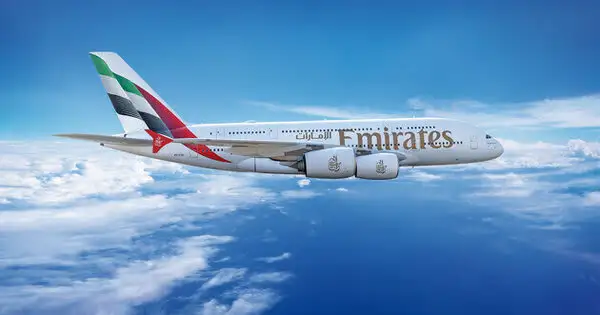
Emirates has restored 96% of its global network, now serving 137 destinations after a two-month disruption caused by Middle East airspace restrictions.
Key Takeaways
- •Restored 96% of its global network, now serving 137 destinations across 72 countries.
- •Operates at 75% of pre-disruption capacity with over 1,300 weekly frequencies.
- •Carried 4.7 million passengers during the two-month disruption from airspace closures.
- •Dubai International Airport traffic fell 20.6% in Q1 2026 due to the restrictions.
Following a significant two-month disruption caused by regional airspace restrictions, Emirates has restored 96% of its global network. The Dubai-based carrier announced the near-full return to service on May 4, 2026, signaling a rapid recovery for one of the world's primary long-haul airlines. This restoration of Emirates' global network is a critical step in stabilizing flight schedules through a vital international hub.
The operational ramp-up follows the lifting of precautionary airspace closures by the United Arab Emirates' General Civil Aviation Authority (GCAA), which were in place from late February through April 2026 due to heightened geopolitical tensions. According to an official statement distributed by the Wakalat Anba'a al Emarat (WAM), the Emirates News Agency, the airline now operates to 137 destinations across 72 countries. This represents over 1,300 weekly frequencies, bringing the airline back to 75% of its pre-disruption capacity. Despite the challenges, Emirates transported 4.7 million passengers during the two-month disruption period.
Impact on Dubai's Hub Operations
The airspace closures had a direct and severe impact on operations at Dubai International Airport (DXB), the world's busiest airport for international passenger traffic. According to the Dubai Airports Q1 2026 Traffic Report, the hub handled 18.6 million passengers in the first quarter, a decline of 20.6% compared to the same period in the previous year. The impact was most acute in March 2026, when passenger traffic fell by 65.7% year-on-year to just 2.5 million.
Cargo operations were also affected, with Dubai International Airport reporting a 22.7% year-on-year drop in freight volumes for Q1 2026, totaling 399,600 tonnes. The disruption particularly impacted transit passengers traveling between Europe, Asia, and Australasia, who faced extensive rerouting and cancellations.
Paul Griffiths, CEO of Dubai Airports, acknowledged the challenges, stating that the events were unprecedented for a major hub like DXB. He emphasized that maintaining smooth operations was critical for global connectivity and noted that underlying demand for travel through Dubai remains strong. The airport is now focused on progressively increasing capacity in line with airline schedule restorations.
Context and Historical Precedents
Emirates' recent experience managing large-scale disruptions is not without precedent. The operational shutdown and phased network rebuild mirrors challenges faced during the COVID-19 pandemic, which saw the airline ground its entire passenger fleet in March 2020 before gradually restoring services over several years. More recently, in April 2024, severe flooding in the UAE forced a temporary closure of DXB and led to massive flight cancellations, requiring another phased recovery.
This latest event, however, underscores the unique vulnerability of Gulf hubs to geopolitical airspace risks. A similar situation occurred in January 2020 when global regulators banned flights over Iran following the downing of a commercial airliner, forcing carriers like Emirates to make rapid and costly rerouting adjustments. The airline's ability to quickly restore 96% of its network demonstrates a high degree of operational resilience honed by these repeated crises.
Industry Analysis
The rapid restoration by Emirates contrasts with the more cautious approach taken by some international carriers. According to statements from American Airlines, many non-Gulf carriers are maintaining suspensions on key Middle East routes until mid-2026, reflecting a different appetite for risk. This divergence highlights the strategic importance of the UAE hub for Emirates, which has a greater incentive to resume full operations swiftly. However, the crisis also exposed systemic vulnerabilities. The combination of airspace closures and an 84% surge in oil prices during the conflict period created significant financial pressure on all airlines operating in the region.
Corporate travel managers are also proceeding with caution. Direct Travel noted that despite the network restoration, volatile fuel costs and unpredictable airspace security require robust duty-of-care practices for business travelers. The disruption and subsequent recovery serve as a critical case study in airline crisis management and hub airport resilience in an increasingly volatile geopolitical landscape.
What Comes Next
With services progressively resuming across its network, Emirates and Dubai Airports are focused on returning to full operational capacity. According to projections from both entities, a full restoration to 100% of pre-disruption capacity is expected by Q3 2026. Other international airlines are also planning their return to the region, with American Airlines expected to resume its suspended US-Middle East routes on July 1, 2026.
To incentivize travel and rebuild passenger confidence, the airline's loyalty program, Emirates Skywards, is offering accelerated access to premium tiers and bonus miles for travel booked between May and August 2026. Regulators are also responding, with the Dubai Civil Aviation Authority introducing a new framework to protect the consumer rights of passengers affected by severe disruptions. More details on the airline's schedule can be found at the Emirates Media Centre.
Why This Matters
Emirates' rapid network recovery demonstrates the operational resilience of a major global airline and the strategic importance of the Dubai hub. However, the event also serves as a stark reminder of the aviation industry's vulnerability to regional conflicts, which can instantly impact global travel networks, disrupt supply chains, and create significant financial pressure on carriers. For passengers and aviation professionals, this incident highlights the increasing importance of geopolitical risk assessment in operational planning.
Frequently Asked Questions
- How much of its network has Emirates restored after the recent disruptions?
- Emirates has restored 96% of its global network as of May 4, 2026. The airline is now operating to 137 destinations across 72 countries, representing 75% of its pre-disruption capacity.
- What caused the major flight disruptions for Emirates in early 2026?
- The disruptions were caused by precautionary airspace restrictions imposed by the UAE's General Civil Aviation Authority (GCAA) due to regional geopolitical tensions. These restrictions were in effect from late February through April 2026.
- How did the 2026 airspace closure affect passenger traffic at Dubai International Airport?
- Dubai International Airport (DXB) experienced a 20.6% year-on-year decline in passenger traffic in the first quarter of 2026. The impact was most severe in March, which saw a 65.7% drop compared to the previous year.
Access up-to-date commercial aviation news and airline industry developments via omniflights.com. From aircraft production to supply chains, commercial aviation manufacturing news is covered at omniflights.com/manufacturing.
Written by Hardik Vishwakarma
Co-Founder & Aviation News Editor leading initiatives that improve trust and visibility across the global aviation industry. Covers airlines, airports, safety, and emerging technology.
Visit ProfileYou Might Also Like
Discover more aviation news based on similar topics

Flydubai Upgrading 21 Boeing 737 MAX 8s to Flat Bed Seats
Flydubai is retrofitting 21 Boeing 737 MAX 8 aircraft with lie-flat business class seats to standardize its premium product by late 2027.
Emirates Winter Booking Momentum Grows Amid Fleet Expansion
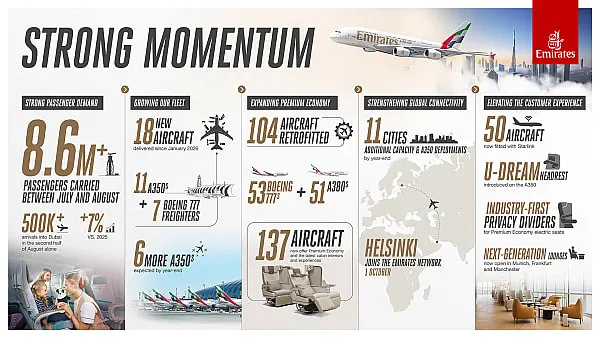
Emirates carried 8.6 million passengers this summer and enters winter with strong demand as it accelerates fleet retrofits and network growth.

Air Arabia Consortium Gains AOC for New Dammam Budget Airline
A Saudi GACA-led consortium including Air Arabia has secured an AOC to launch a new budget airline based at Dammam's King Fahd International Airport.
Turkish Airlines Exits Luanda as Angola Hub Struggles
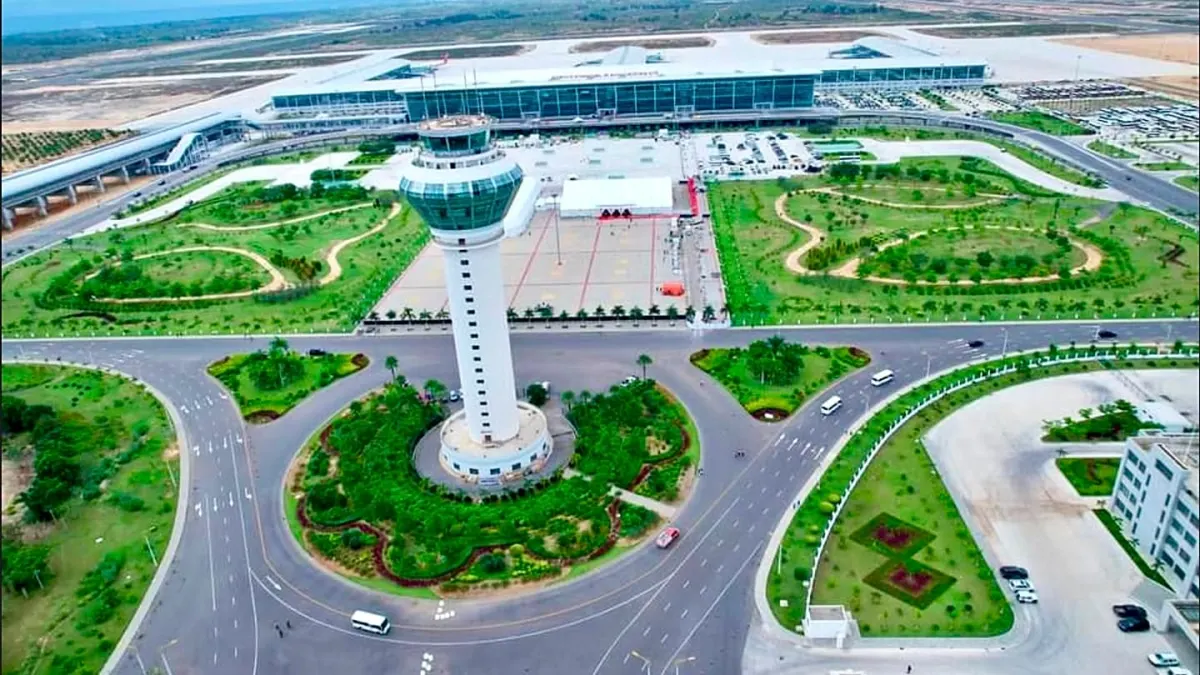
Turkish Airlines dropped its Luanda route as Angola's new airport struggles to attract traffic, handling only 756,028 passengers in 2025.

Red Sea Airlines Leases Two 737 MAX 8s for 2027 Expansion
Red Sea Airlines signed a lease for two Boeing 737 MAX 8 aircraft from SMBC Aviation Capital, arriving in 2027 to support its 14-aircraft fleet goal.
Avelo CEO Warns Airfares May Rise on Jet Fuel Price Spikes
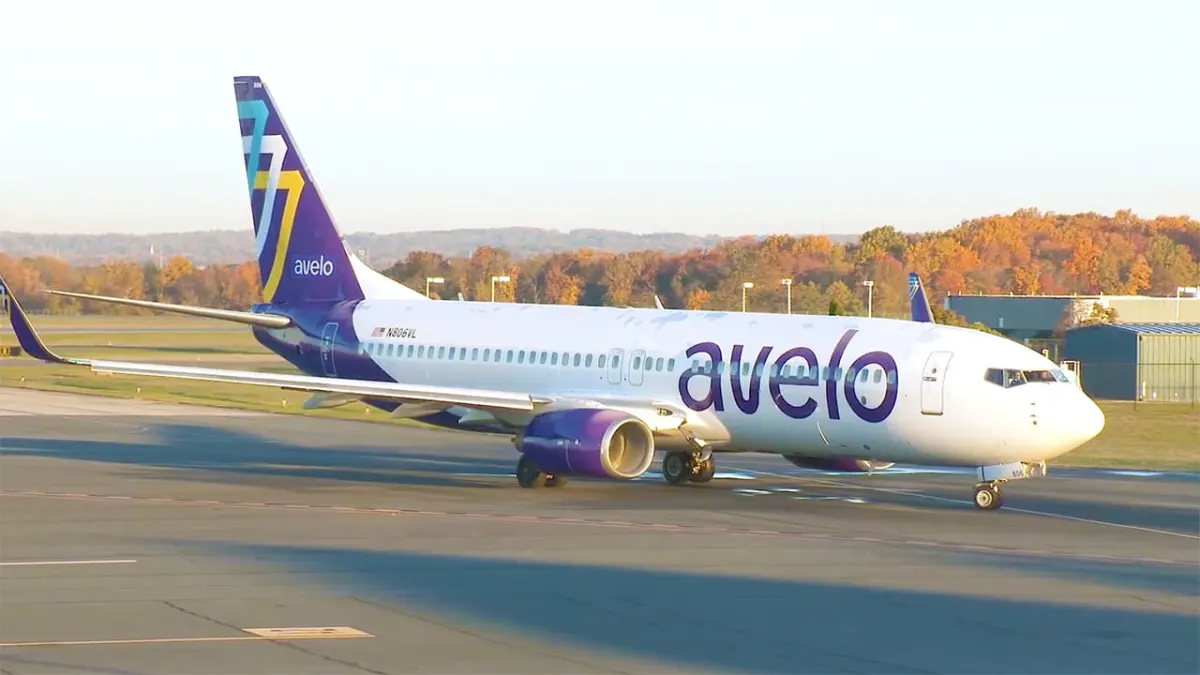
Avelo Airlines CEO Andrew Levy warns that rising fuel costs may force fare increases as global jet fuel prices reach $171.01 per barrel.