Southwest Airlines Considers Tiered Cleaning, Sparks Union Backlash

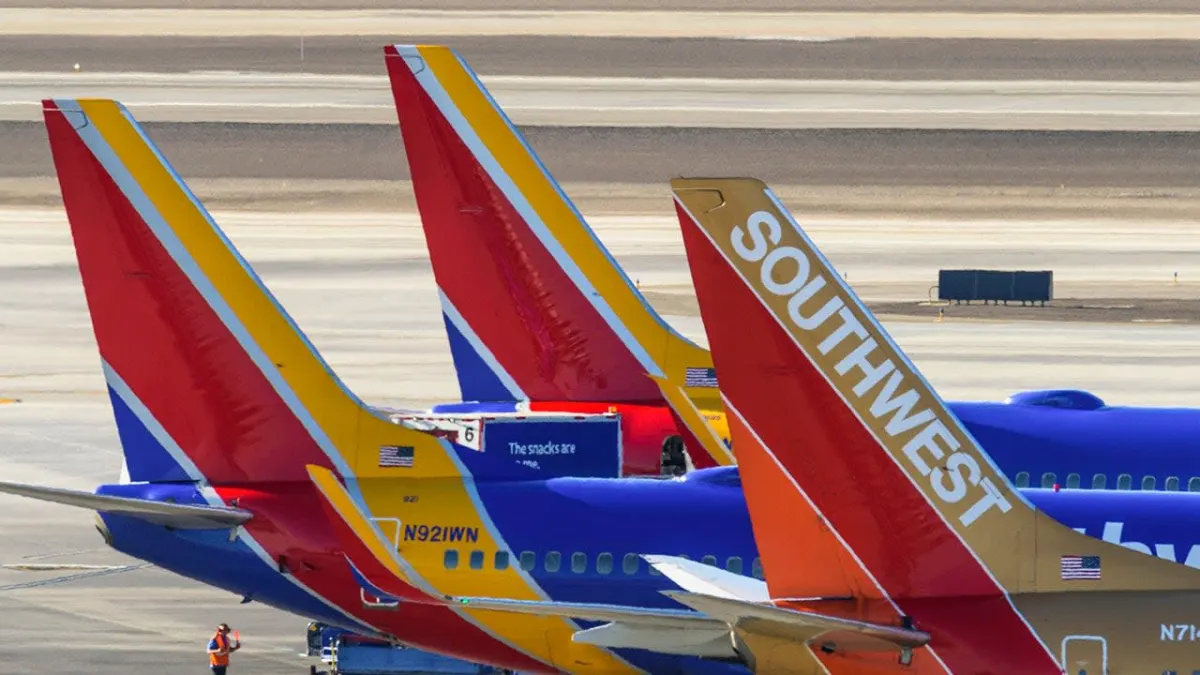
Southwest Airlines is considering a new policy to deep-clean premium seats only, drawing sharp criticism from its flight attendant union over tiered service.
Key Takeaways
- •Considers tiered cleaning policy for premium seats, sparking union criticism.
- •Highlights conflict between quick turnaround times and enhanced cabin hygiene demands.
- •Reflects industry trend of unbundling services to boost ancillary revenue.
- •Faces opposition from TWU Local 556, representing over 21,000 flight attendants.
A proposal under consideration at Southwest Airlines Co. (NYSE: LUV) to introduce a tiered cleaning standard for its aircraft cabins has drawn significant criticism from its flight attendants' union. The potential policy would involve deploying cleaners between flights to deep-clean premium seating areas while performing a more basic tidying service in the main economy cabin, a move that reflects a broader industry push toward service unbundling but challenges the airline's traditionally egalitarian brand identity.
The discussion centers on differentiating the passenger experience to support premium fare products. This aligns with a global trend where ancillary revenue from non-ticket sources is becoming critical to airline profitability. According to the IdeaWorksCompany 2025 Yearbook of Ancillary Revenue, global airline ancillary income was projected to exceed $148 billion in 2024. For Southwest, which built its brand on a single-class service model, introducing such a visible service disparity marks a potential strategic pivot.
Union Opposition and Airline Response
The Transport Workers Union (TWU), whose local chapter TWU Local 556 represents more than 21,000 Southwest flight attendants, has publicly condemned the proposal. Chris Click, a board member and safety chair for the union, characterized the move as a betrayal of the airline's ethos. "I know Southwest says, oh, we don't have class service. This is class service," Click stated, likening the proposal to the class divide on the Titanic. "Now that you're bringing cleaners on board to provide a different cleaning product up front than you are in the back, this is definitely class service."
In response, a spokesperson for Southwest Airlines stated that the proposal is meant to enhance, not replace, existing procedures. "Southwest Airlines flight attendants tidy every aircraft between every flight today. That will continue, and in addition, we are looking at potentially bringing in additional cleaners when needed, at certain airports to supplement — not replace — our standard cleaning efforts," the airline clarified. The airline did not provide a timeline for a decision on the policy.
Operational and Financial Context
Southwest's business model has historically depended on rapid aircraft turnarounds to maximize asset utilization across its fleet, which consisted of 803 aircraft at the end of 2025. Introducing intensive cleaning procedures could extend ground time, creating a conflict with this core operational principle. Limiting deep cleaning to a smaller premium section could be a strategy to balance enhanced service with operational efficiency. This operational focus comes as the airline enjoys strong financial performance, reporting record fourth-quarter 2025 operating revenues of $7.4 billion in its most recent earnings release.
The current regulatory framework provides airlines with significant discretion over cabin cleaning. The FAA (Federal Aviation Administration) mandates that airlines maintain aircraft in a condition free from contamination, but its regulations do not specify the frequency or depth of cleaning required between flights. This leaves the decision to individual carriers, allowing them to tailor procedures based on operational needs and market strategy. While intense disinfection protocols from the early 2020s have eased, passenger awareness of cabin hygiene remains elevated, influencing customer satisfaction.
Broader Industry Implications
The proposed cleaning policy is an extension of the widespread industry trend of service tiering. Major airlines have successfully segmented their cabins with products like Basic Economy, Premium Economy, and Business Class to capture a wider range of customer willingness to pay. By tying a higher standard of cleanliness to a premium seat, Southwest would be adding another differentiator to its fare products, further moving away from its historical one-size-fits-all approach. This strategy aims to increase the value proposition of higher-priced tickets and boost high-margin ancillary revenue streams.
Why This Matters
This development at Southwest Airlines highlights a fundamental tension within the modern airline industry: the conflict between maintaining a consistent brand identity and the financial imperative to unbundle services for ancillary revenue. For an airline that built its reputation on simplicity and a single class of service, introducing a visible hierarchy in cabin cleanliness could alienate loyal customers. The outcome of this proposal could set a precedent for how other low-cost and hybrid carriers approach service differentiation and manage labor relations as they evolve their business models.
Visit omniflights.com for the latest commercial aviation news and airline industry updates. Track policy changes, airspace rules, and global aviation governance in the Regulatory category at omniflights.com/regulatory.

Written by Ujjwal Sukhwani
Aviation News Editor & Industry Analyst delivering clear coverage for a worldwide audience. Covers flight operations, safety regulations, and market trends with expert analysis.
Visit ProfileYou Might Also Like

Southwest Reports Record Q3 Revenue Amid Transformation
American Airlines Reports Record Q3 Revenue Amid Fuel Costs
American Airlines Projects 2026 Loss on Rising Fuel Costs
American Airlines to Nearly Triple Premium 787-9 Fleet
Airline Shares Rise Following United Revenue Guidance