Southern Cloud Disaster Led to Mandatory Aircraft Radios in Australia

Co-Founder & CEOAviation News Editor delivering trusted coverage across the global aviation industry.
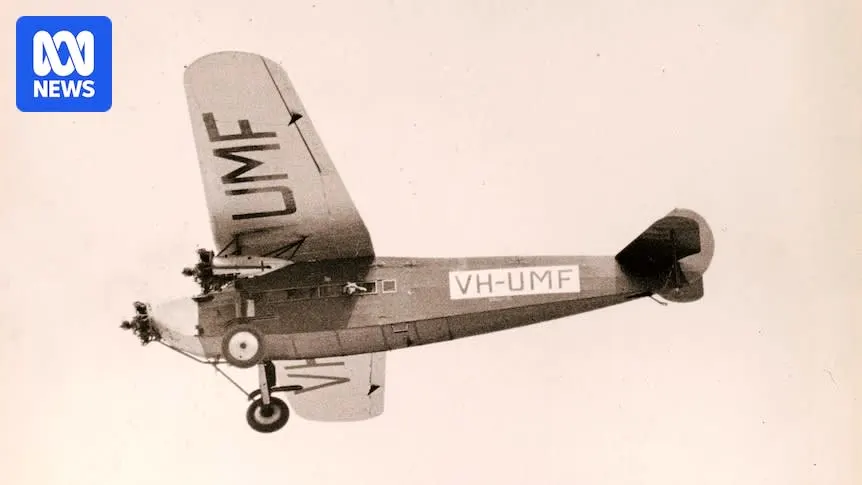
The 1931 disappearance of the Southern Cloud remained a mystery for 27 years, leading to landmark aviation safety regulations in Australia.
Key Takeaways
- •Disappeared in 1931 with 8 people aboard, sparking a 27-year mystery.
- •Triggered Australia's first major aviation safety reforms, mandating two-way radios.
- •Wreckage was discovered by a hiker in the Snowy Mountains on October 26, 1958.
- •Led to the financial collapse of the original Australian National Airways.
The disappearance of the Southern Cloud, an Avro 618 Ten aircraft, on March 21, 1931, marked Australia's first major civil aviation disaster and created a national mystery that would last for 27 years. The incident, involving the loss of 8 people, fundamentally reshaped the country's approach to air safety, directly leading to regulations that remain foundational to modern commercial aviation.
The aircraft was operated by the original Australian National Airways (ANA), a pioneering airline co-founded by famed aviators Charles Kingsford Smith and Charles Ulm. On its scheduled flight from Sydney to Melbourne, the Southern Cloud, carrying six passengers and two crew members, encountered severe weather conditions and vanished without a trace. An extensive initial search effort was launched, lasting 18 days and involving over 20 aircraft from civilian and Royal Australian Air Force (RAAF) fleets, but no sign of the plane was found. The complete lack of communication from the aircraft highlighted a critical vulnerability in early commercial flight: pilots had no way to receive updated weather reports or transmit distress signals once airborne.
The Discovery and Investigation
For nearly three decades, the fate of the Southern Cloud remained unknown. The mystery was finally solved on October 26, 1958, when a hiker named Tom Sonter stumbled upon the wreckage in the rugged terrain of the Snowy Mountains, New South Wales. The discovery confirmed that the aircraft had crashed into a mountainside during the storm, far off its intended course.
The subsequent official inquiry identified the severe weather as the primary cause of the crash. However, the investigation's most significant impact was its focus on the systemic failures that allowed the flight to proceed into such hazardous conditions without any means of communication. The lack of a two-way radio meant the crew was unaware of the deteriorating weather system moving into their flight path. This finding became the catalyst for immediate and sweeping regulatory change within the Australian aviation sector.
Landmark Regulatory Legacy
The loss of the Southern Cloud had a profound and lasting impact on aviation safety regulations. The Australian Civil Aviation Branch, the precursor to modern regulators, was compelled to address the critical safety gaps exposed by the disaster. The most direct outcome was the implementation of a new mandate requiring two-way radios on all commercial passenger aircraft. This regulation ensured that flight crews could maintain contact with ground stations, receive crucial updates on weather and other hazards, and call for assistance in an emergency.
In parallel, the Australian government initiated significant improvements to aviation meteorological services. The disaster underscored the need for dedicated aviation weather forecasting to provide pilots and airlines with accurate, real-time data, preventing them from unknowingly flying into dangerous weather systems. According to Matthew Higgins, Senior Curator at the National Museum of Australia, the official inquiry's recommendations ensured that the "Southern Cloud's legacy was safer air travel for all Australians." The financial and reputational damage from the crash, compounded by another aircraft loss, also led to the financial ruin and collapse of the original Australian National Airways in 1931, highlighting the high stakes of air safety for early operators.
Historical Parallels and Industry Context
The Southern Cloud incident occurred during a pivotal era in global aviation, as the industry began a slow transition from reliance on visual flight rules to instrument-based navigation. High-profile, weather-related disasters like this one accelerated that shift worldwide. The prolonged mystery and its eventual resolution leading to systemic safety improvements serve as a historical precedent for more recent events.
A modern parallel can be seen in the disappearance of Malaysia Airlines Flight 370 (MH370) in March 2014. Like the Southern Cloud, MH370 vanished without a trace, prompting a multi-year, multinational search effort. While the main wreckage remains missing, the incident exposed gaps in modern aircraft tracking capabilities and led the International Civil Aviation Organization (ICAO) to develop new global standards for aircraft tracking, known as the Global Aeronautical Distress and Safety System (GADS). In both cases, a high-profile disappearance that became a prolonged mystery served as a powerful catalyst for regulatory evolution, forcing the industry to adopt new technologies to prevent a recurrence.
Why This Matters
The story of the Southern Cloud is more than a historical account of a tragic accident; it is a foundational event in the development of modern aviation safety. The disaster served as a crucial, albeit costly, lesson that demonstrated the necessity of robust communication systems and accurate weather forecasting. The mandatory installation of two-way radios, a direct result of the crash, marked a fundamental shift from a reactive to a proactive safety culture. This principle—that technology and regulation must work together to mitigate foreseeable risks—remains a cornerstone of the global aviation industry, making the legacy of the Southern Cloud relevant to the safety of every flight today.
From airline operations to fleet updates, commercial aviation news lives at omniflights.com. From aircraft production to supply chains, commercial aviation manufacturing news is covered at omniflights.com/manufacturing.
Written by Hardik Vishwakarma
Co-Founder & Aviation News Editor leading initiatives that improve trust and visibility across the global aviation industry. Covers airlines, airports, safety, and emerging technology.
Visit ProfileYou Might Also Like
Discover more aviation news based on similar topics

Families Demand DCA Midair Collision Safety Reforms
Families of 67 victims from the 2025 DCA midair collision are pressing Congress for mandatory ADS-B In technology to prevent future aviation tragedies.
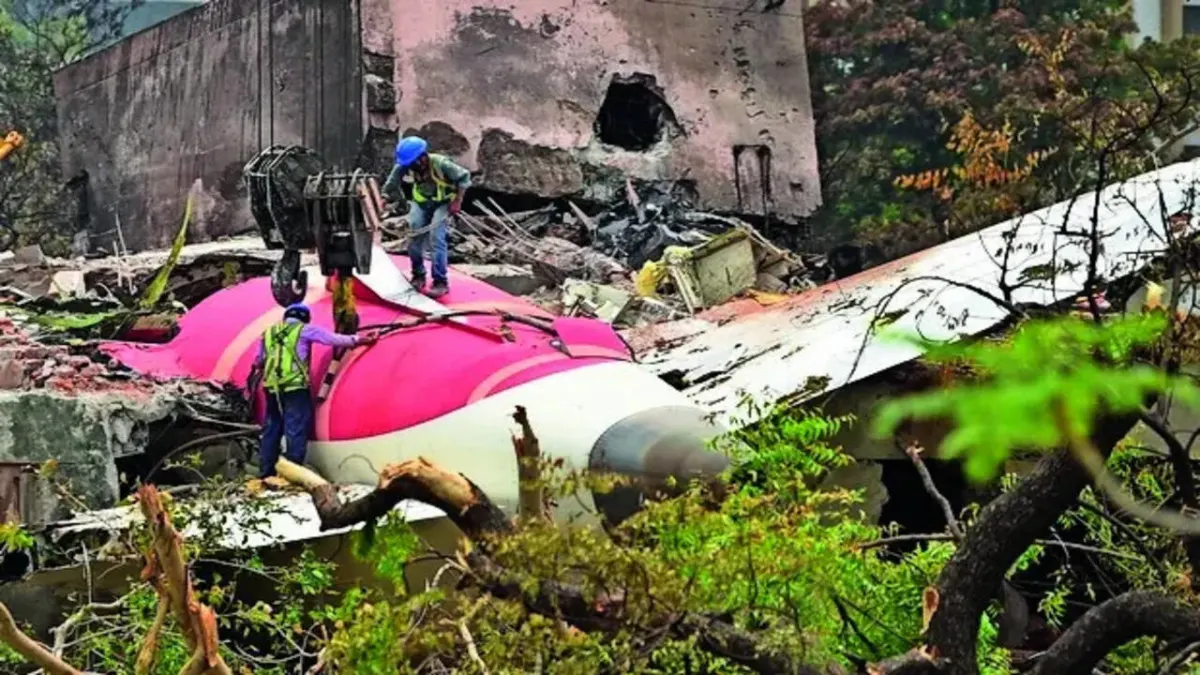
FAS Challenges AAIB Over Boeing 787 Safety Data
The Foundation for Aviation Safety is urging the AAIB to issue safety warnings for the Boeing 787 fleet following the fatal Air India 171 crash.
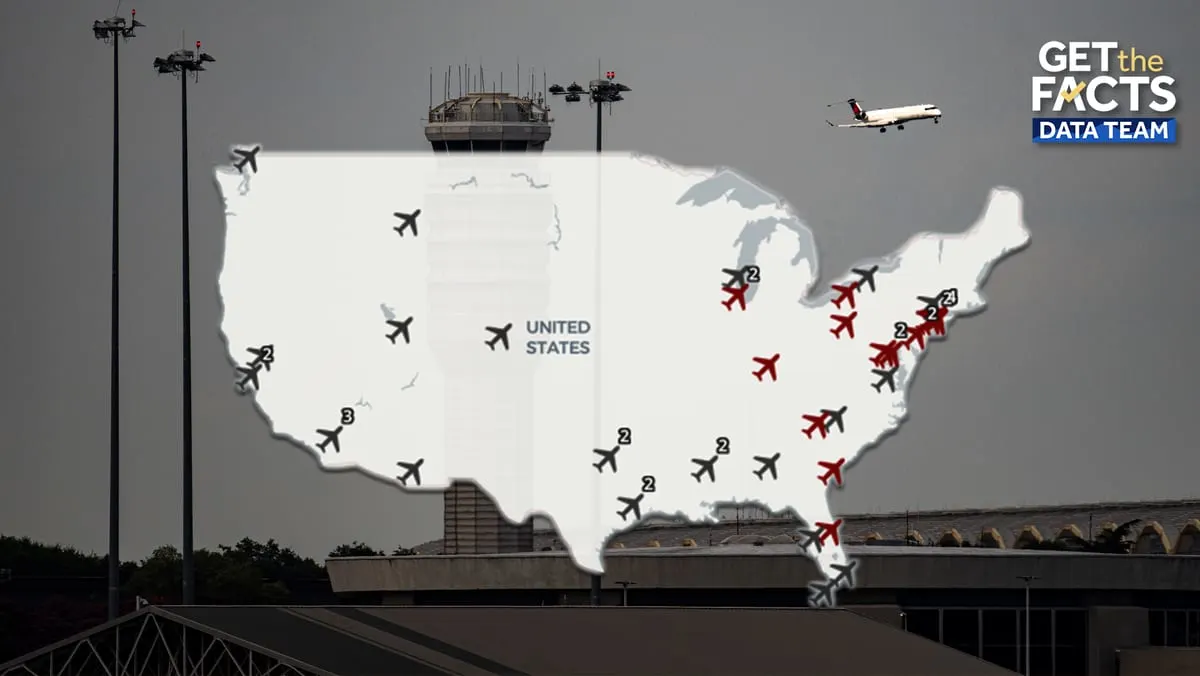
NTSB Safety Recommendations Lag Amid 6 Monthly Near-Misses
Approximately 6 near-miss incidents occur monthly at U.S. airports as 270 NTSB safety recommendations remain unaddressed by federal regulators.
NTSB Rejects FAA Safety Responses After 67-Fatality Crash
The NTSB labeled 11 FAA responses to 2025 DCA mid-air collision recommendations as unacceptable, citing the lack of a mandatory ADS-B In requirement.
EASA Orders Urgent Airbus A380 Wing Spar Inspections
The EASA ordered urgent inspections on 16 Airbus A380s after discovering wing spar cracks that could compromise structural integrity.
Ryanair Flight RK514 Diverts to Birmingham After Emergency
Ryanair flight RK514 diverted to Birmingham Airport on September 13, 2026, following a medical emergency involving a passenger.