Snowstorm Halts Denver Airport, Causing Over 1,500 Delays & Cancellations

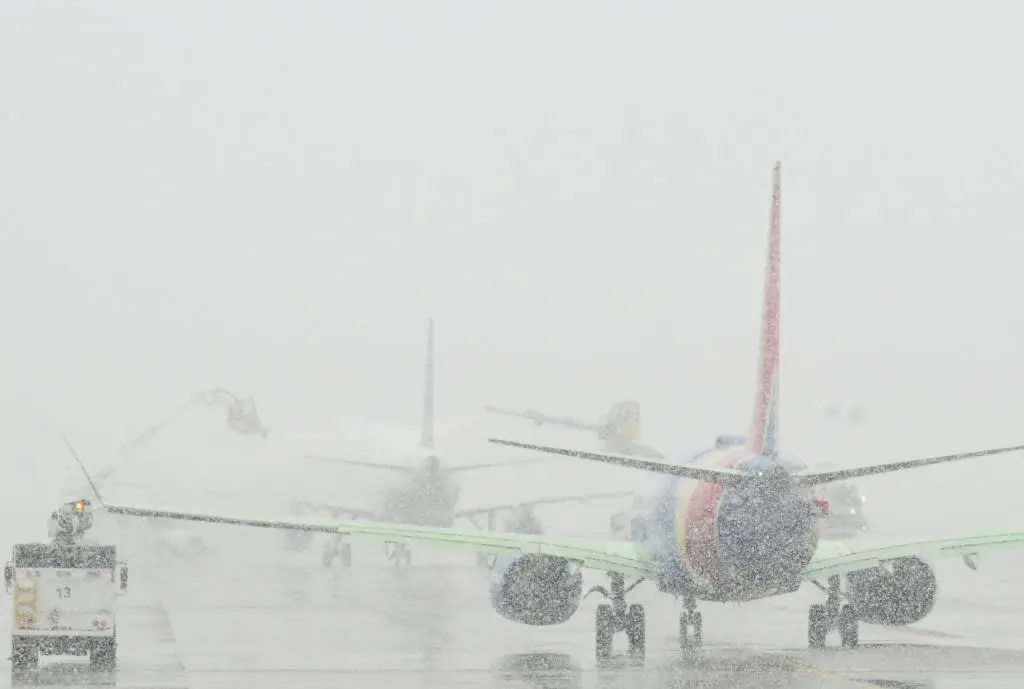
A major snowstorm at Denver International Airport prompted an FAA ground stop, leading to 1,349 flight delays and 171 cancellations on Friday, March 6.
Key Takeaways
- •Canceled 171 flights and delayed 1,349 at Denver International Airport on March 6.
- •Resulted in an average flight delay of 121 minutes due to an FAA ground delay program.
- •Included a ground collision between a United Airlines Boeing 737-800 and a de-icing truck.
- •Demonstrated the significant ripple effect of winter weather at a major US hub airport.
A significant winter storm at Denver International Airport (DIA) on Friday, March 6, 2026, forced the Federal Aviation Administration (FAA) to implement air traffic management initiatives, resulting in widespread operational disruptions. According to end-of-day data from FlightAware, a total of 1,349 flights were delayed and 171 were canceled, affecting thousands of passengers at one of the nation's busiest airline hubs.
The initial response to the accumulating snow and freezing conditions involved a Ground Stop (GS) issued just before 9 a.m. This was later converted to a Ground Delay Program (GDP) at 10 a.m. to manage the reduced departure and arrival rates. Data from the FAA's National Airspace System Status indicated that the average flight delay at the airport, officially coded as DEN, reached 121 minutes due to the program.
Operational Timeline and FAA Response
The day's challenges began early, with mandatory deicing procedures for all departing aircraft commencing around 7:30 a.m., as confirmed by the FAA. Deicing is a critical safety measure to remove ice and snow from an aircraft's wings and control surfaces, but it significantly slows the rate of departures. As conditions worsened, the FAA's Air Traffic Control System Command Center (ATCSCC) took action to prevent gridlock in the air and on the ground.
According to an official ATCSCC advisory, the GDP was implemented to manage airport capacity by holding aircraft at their departure points. This traffic management initiative is designed to prevent excessive airborne holding and tarmac congestion at the affected arrival airport. The official status of the program was publicly available via the FAA's National Airspace System Status portal, which provides real-time updates on airport operations.
The ground delay program remained in effect for much of the day, with airlines working to manage crew schedules and communicate changes to passengers. The ripple effect of the Denver International Airport flight delays was felt across the country, as flights originating from other airports bound for Denver were also held on the ground.
United Airlines Deicing Incident
Amid the widespread disruptions, a ground incident occurred involving a United Airlines Boeing 737-800. The FAA confirmed in an incident report that the aircraft, carrying 122 passengers and six crew members, collided with a de-icing truck during ground operations. The incident highlights the complexities and potential hazards of airport ground operations during severe weather.
Following the event, a United Airlines spokesperson provided a statement clarifying the situation. "A de-icing truck made contact with a United aircraft in Denver on Friday morning, leading to an employee of the de-icing contractor being transported to the hospital," the statement read. "Customers deplaned via air stairs and were bused to the terminal, and we will arrange for a different aircraft to operate their flight." The incident did not result in any passenger injuries, but it temporarily removed an aircraft from service and required passenger re-accommodation.
Broader Impact of Hub Weather Disruptions
The events at DEN exemplify the significant impact of winter weather on major hub operations. Airports like Denver are critical nodes in the national and international air travel network. When their capacity is reduced, the effects cascade, causing delays and cancellations at other airports that may not be experiencing any adverse weather. This is a common challenge in air traffic management initiatives during winter months.
Aircraft deicing procedures, while essential for safety, are a primary contributor to reduced departure rates. The time required to treat each aircraft creates a bottleneck, which is managed through FAA programs like the one detailed in the ATCSCC advisories. Airlines and airports invest heavily in deicing equipment and personnel, but severe, sustained snowfall can still overwhelm an airport's operational capacity, leading to the kind of extensive flight cancellations due to weather seen on March 6.
Why This Matters
This event underscores the fragility of the national airspace system when a major hub is impacted by severe weather. For airlines, it results in significant operational and financial costs from canceled flights, crew rescheduling, and passenger care. For travelers, it highlights the importance of monitoring weather conditions and airline alerts during the winter season, as a storm in one city can disrupt travel plans nationwide.
From airline operations to fleet updates, commercial aviation news lives at omniflights.com. Discover how innovation is shaping aviation through aircraft systems, avionics, and digital tools at omniflights.com/technology.

Written by Ujjwal Sukhwani
Aviation News Editor & Industry Analyst delivering clear coverage for a worldwide audience. Covers flight operations, safety regulations, and market trends with expert analysis.
Visit ProfileYou Might Also Like

IndiGo Opens Commercial Flights at Bhogapuram

Sydney Airport Master Plan 2045 Approved

Visakhapatnam Airport Ends Commercial Flights for 30 Years

NMIA Approves 13 Airlines for Cargo Operations

Hong Kong Air Cargo Lands First Navi Mumbai Freighter