Smartavia Boeing 737-800 Makes Emergency Landing in Sochi

Co-Founder & CEOAviation News Editor delivering trusted coverage across the global aviation industry.
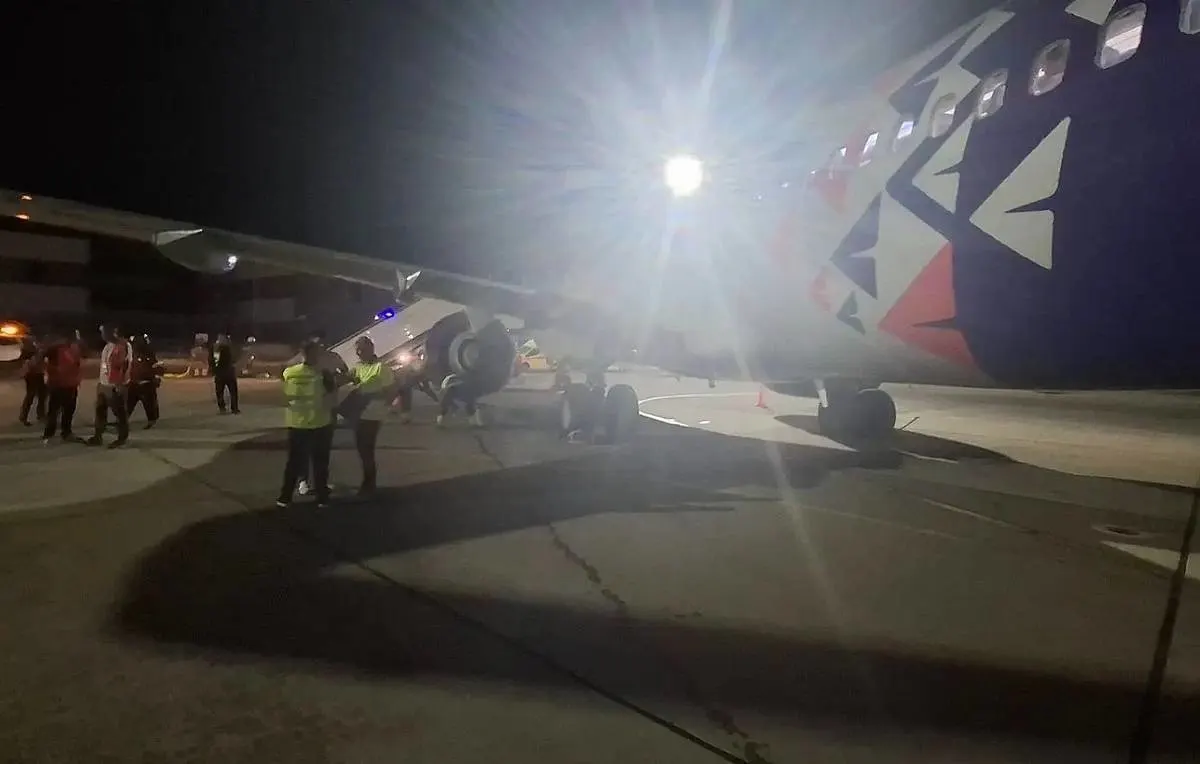
A Smartavia Boeing 737-800 carrying 125 passengers returned to Sochi for an emergency landing on June 17, with no injuries reported.
Key Takeaways
- •Smartavia flight 5N164 returned to Sochi safely with 130 people on board.
- •Russian aviation incidents quadrupled in 2025 due to lack of OEM parts.
- •Sanctions prohibit Boeing and Airbus from providing technical support to Russia.
- •Russian airlines increasingly rely on cannibalization to keep fleets operational.
A Smartavia Boeing 737-800 operating as flight 5N164 made a successful emergency landing at Sochi International Airport (AER) on June 17, 2026. The aircraft, which was en route to Talagi Airport (ARH) in Arkhangelsk, declared an emergency over the Black Sea, dumped fuel, and returned to its point of origin. According to a spokesperson for the airline, there were 125 passengers and five crew members on board at the time, and no injuries were reported among those on the flight. This Smartavia emergency landing highlights the ongoing challenges within the Russian aviation safety landscape as carriers struggle to maintain aging foreign-manufactured fleets.
The Operational Context of Flight 5N164
The incident involving the Boeing 737-800 incident occurs against a backdrop of increasing mechanical instability across the Russian domestic aviation sector. Since the imposition of comprehensive EU and US Aviation Sanctions on Russia, including EASA restrictive measures, Russian airlines have been largely cut off from Original Equipment Manufacturer (OEM) technical support and genuine spare parts. This isolation has forced operators to rely on aircraft cannibalization—systematically dismantling some aircraft to keep others airworthy—and the development of domestic maintenance standards under the Federal Air Transport Agency (Rosaviatsiya) that bypass international airworthiness criteria.
Industry Trends and Safety Implications
Data from the Novaya Gazeta Europe Aviation Incident Report 2025 indicates that incidents involving Russian airliners quadrupled in 2025, with over 800 equipment malfunctions recorded. This trend of mechanical failures, which includes engine surges and hydraulic issues, has become a persistent concern for Russian domestic airline passengers. The current situation contrasts sharply with historical industry standards, where aircraft like the Boeing 737 Next Generation were maintained under strict OEM oversight. In 2023, the Ural Airlines Flight 1383 emergency landing in a Siberian field served as a precedent for the severity of these failures, illustrating the risks inherent in operating without access to authorized supply chains.
Boeing 737-800 vs. Airbus A320ceo: Key Specifications
| Metric | Boeing 737-800 | Airbus A320ceo |
|---|---|---|
| Maximum Capacity | 189 passengers | 180 passengers |
| Range | 2,935 nmi | 3,300 nmi |
| Engine Options | CFM56-7B | CFM56-5B or IAE V2500 |
Regulatory Divergence and Maintenance Challenges
The Russian Federal Air Transport Agency continues to assert that domestic aviation remains safe, citing the implementation of a decree on domestic airworthiness certification as a necessary measure to ensure connectivity. However, international safety bodies, including the International Civil Aviation Organization, have expressed concerns that maintaining aircraft through non-certified parts and extended service intervals creates a systemic safety risk. For Western OEMs, this environment presents both a loss of aftermarket revenue and significant reputational risk, as the aircraft continue to operate under conditions that violate global maintenance standards.
What Comes Next for Smartavia
Following the safe return of flight 5N164, the aircraft is expected to undergo a comprehensive inspection by local technical teams to determine the root cause of the emergency. Rosaviatsiya is expected to conduct a formal review of the maintenance logs for this specific airframe. While no specific timeline for the return to service has been announced, the carrier must balance the need for rigorous safety checks with the operational pressure to maintain its flight schedule amid a shrinking available fleet. Future incidents of this nature will likely continue to draw scrutiny from international regulators monitoring the long-term airworthiness of the Russian-operated Boeing and Airbus fleets.
Why This Matters for the Industry
The incident serves as a critical indicator of the deteriorating state of commercial aviation in Russia. For the industry, the case underscores the vital role that OEM technical support and global supply chains play in maintaining passenger safety. As Russian airlines continue to operate under a regime of cannibalization and self-certification, the probability of more severe mechanical failures remains elevated, posing a persistent challenge for both passengers and the regulatory bodies tasked with overseeing global safety standards.
Frequently Asked Questions
- What caused the Smartavia flight to make an emergency landing in Sochi?
- While the specific mechanical fault was not disclosed, the flight declared an emergency and returned to Sochi on June 17, 2026. The incident occurs amidst a period of rising mechanical failures across Russian airlines due to the lack of access to OEM spare parts and technical support.
- How are Russian airlines maintaining their fleets without Western spare parts?
- Russian carriers are relying on the cannibalization of existing aircraft to source spare parts and are utilizing domestic maintenance standards that bypass international airworthiness certifications. This practice has been linked to a significant increase in equipment malfunctions across the Russian domestic aviation sector.
Access up-to-date commercial aviation news and airline industry developments via omniflights.com. For detailed airline coverage, route changes, and fleet moves, explore the Airlines section at omniflights.com/airlines.
Written by Hardik Vishwakarma
Co-Founder & Aviation News Editor leading initiatives that improve trust and visibility across the global aviation industry. Covers airlines, airports, safety, and emerging technology.
Visit ProfileYou Might Also Like
Discover more aviation news based on similar topics

Families Demand DCA Midair Collision Safety Reforms
Families of 67 victims from the 2025 DCA midair collision are pressing Congress for mandatory ADS-B In technology to prevent future aviation tragedies.
FAS Challenges AAIB Over Boeing 787 Safety Data
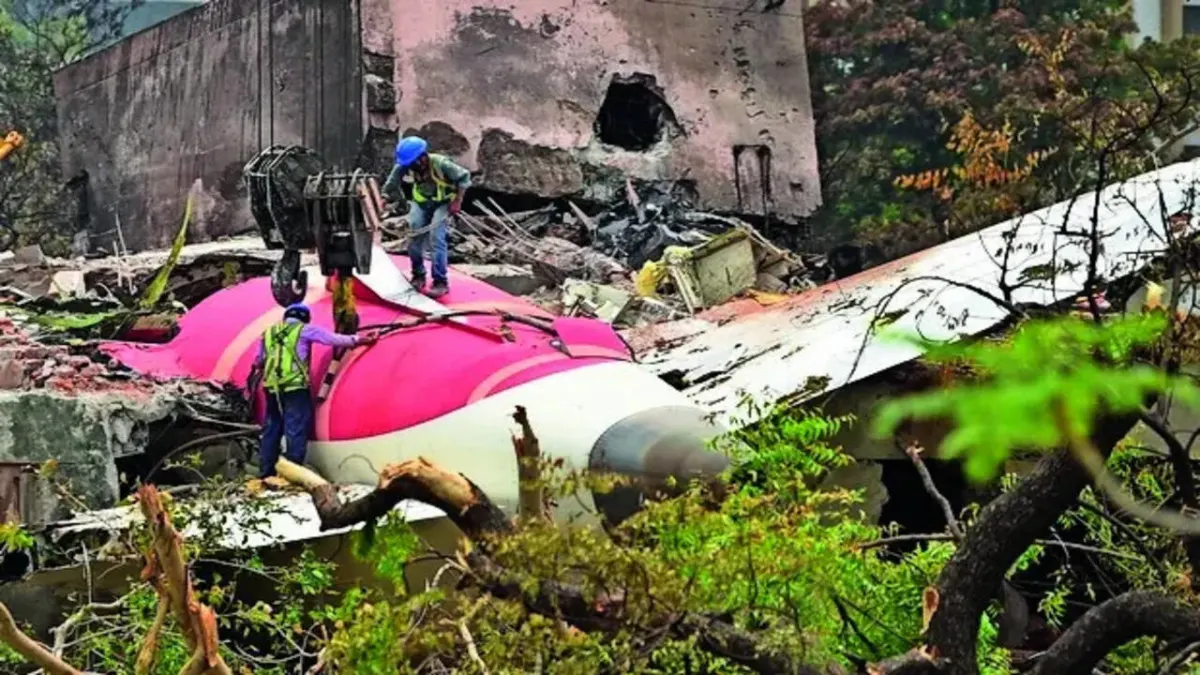
The Foundation for Aviation Safety is urging the AAIB to issue safety warnings for the Boeing 787 fleet following the fatal Air India 171 crash.
NTSB Safety Recommendations Lag Amid 6 Monthly Near-Misses
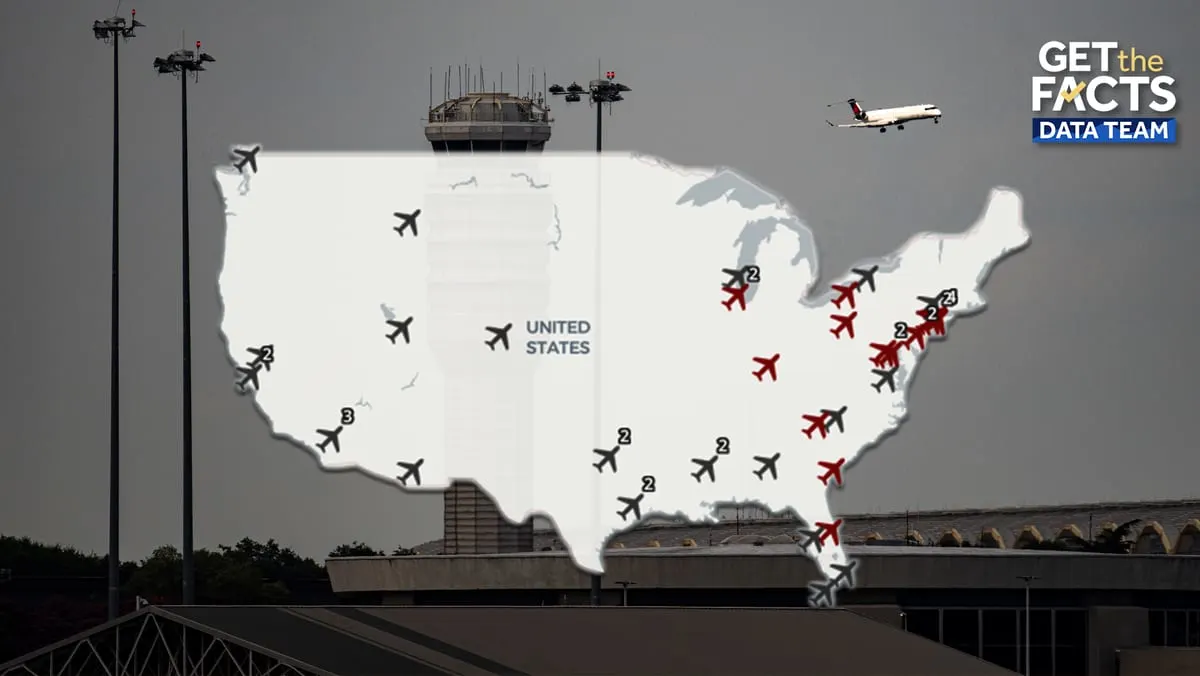
Approximately 6 near-miss incidents occur monthly at U.S. airports as 270 NTSB safety recommendations remain unaddressed by federal regulators.
NTSB Rejects FAA Safety Responses After 67-Fatality Crash
The NTSB labeled 11 FAA responses to 2025 DCA mid-air collision recommendations as unacceptable, citing the lack of a mandatory ADS-B In requirement.
EASA Orders Urgent Airbus A380 Wing Spar Inspections
The EASA ordered urgent inspections on 16 Airbus A380s after discovering wing spar cracks that could compromise structural integrity.
Ryanair Flight RK514 Diverts to Birmingham After Emergency
Ryanair flight RK514 diverted to Birmingham Airport on September 13, 2026, following a medical emergency involving a passenger.