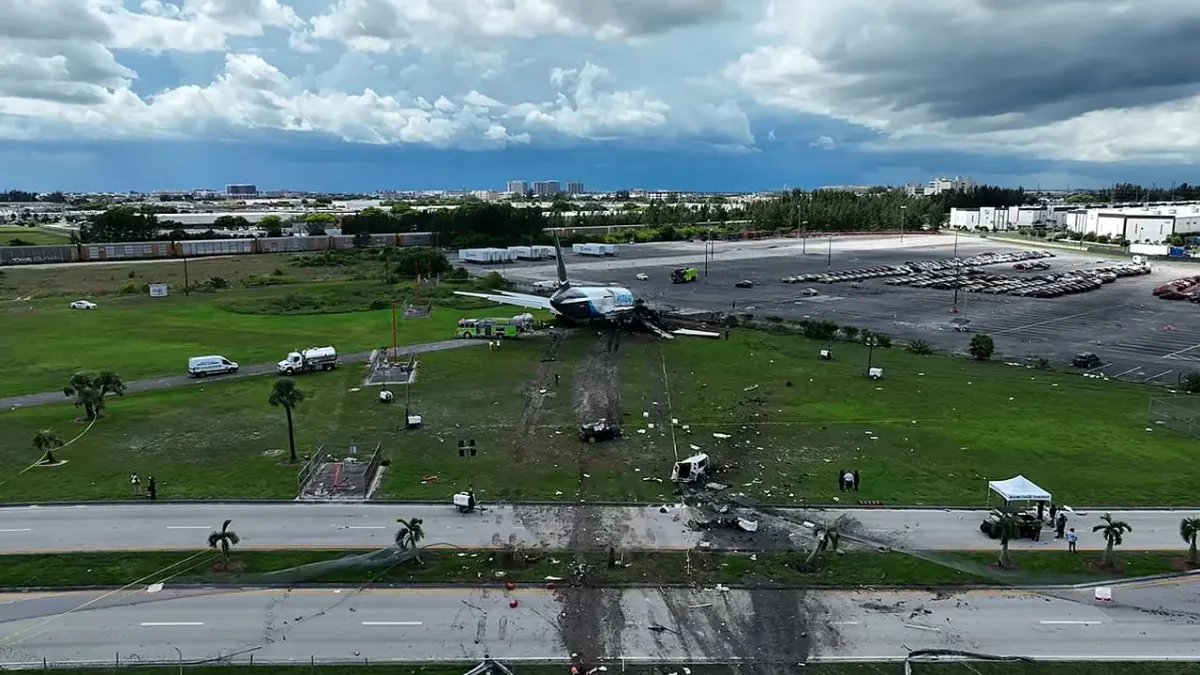
Sling 2 Aircraft Crashes on Catalina Island; Two Fatalities Confirmed

Federal agencies are investigating the fatal crash of a Sling 2 aircraft on Catalina Island that resulted in the death of its two occupants.
Key Takeaways
- •Confirms two fatalities in the crash of a 2014 Airplane Factory Sling 2 on Catalina Island.
- •Triggers a federal investigation led by the NTSB and FAA to determine the probable cause.
- •Highlights the persistent risks of general aviation flights in Catalina's rugged terrain and unpredictable weather.
- •Involves a Light Sport Aircraft (LSA), a category known for efficiency but lighter weight.
Federal investigators have launched an inquiry into the fatal crash of a small aircraft on Catalina Island, California, that resulted in the death of two individuals on Thursday, April 9. The incident involved a 2014 Airplane Factory Sling 2, a two-seat Light Sport Aircraft, which went down in a remote, rugged area on the southern side of the island.
The National Transportation Safety Board (NTSB) is leading the investigation, with assistance from the Federal Aviation Administration (FAA), to determine the probable cause of the accident. According to data from FlightAware, the aircraft departed from Zamperini Field in Torrance at 10:53 a.m. local time and was last seen near Avalon at 11:13 a.m. The Los Angeles County Fire Department received a report of an aircraft emergency at approximately 12:23 p.m. and dispatched first responders to the scene, where they found the wreckage and confirmed there were no survivors.
Incident Details and Response
Emergency crews faced significant challenges in reaching the crash site due to its remote location in the island's undeveloped interior. Los Angeles County Supervisor Janice Hahn confirmed the two fatalities and praised the emergency response. “I am grateful to our paramedics and Sheriff’s deputies who quickly reached this remote area and are handling this incident with professionalism and care,” Hahn stated.
The operation was conducted under general operating and flight rules governed by 14 CFR Part 91. The NTSB will conduct its investigation following the procedures outlined in 49 CFR Part 831, which mandates its authority in civil aviation accidents. The wreckage will be recovered and transported to a secure facility for detailed examination by investigators.
The Aircraft and Light Sport Aviation
The aircraft involved, the Sling 2, is a popular model in the Light Sport Aircraft (LSA) category. These aircraft are known for their efficiency and lower operating costs compared to legacy training aircraft. According to Sling Aircraft's official specifications, the Sling 2 has a cruise speed of around 120 knots and a fuel burn of approximately 3.8 gallons per hour, making it an economical choice for private travel and flight training.
The rise of LSAs reflects a broader industry trend toward more modern and cost-effective general aviation platforms. However, some flight safety experts note that the lighter gross weight of LSAs can make them more susceptible to turbulence and adverse weather conditions, particularly in mountainous or coastal environments like Catalina Island.
Historical Context of Catalina Island Aviation
This incident is not the first fatal aviation accident to occur on Catalina Island, whose rugged terrain and unpredictable microclimates present unique challenges for pilots. In May 1998, a Cessna 172N crashed on the island, resulting in four fatalities. The NTSB investigation of that incident cited the pilot's failure to maintain adequate altitude in a blind canyon as the probable cause.
These historical precedents highlight the persistent risks associated with general aviation flights in the area. Navigating the island's steep canyons and ridges requires a high degree of pilot skill and situational awareness, as weather conditions can change rapidly. The current investigation will likely examine environmental factors alongside the aircraft's mechanical condition and the pilot's flight history.
Investigation and Next Steps
The NTSB's investigation into the Sling 2 crash is in its initial stages. A preliminary report outlining the basic facts of the accident is expected to be published within the next several weeks. This report will not state a cause but will provide a factual summary of the events known to date.
The complete investigation, which will include a detailed analysis of the airframe, engine, flight path data, and pilot records, will take significantly longer. A final report from the NTSB, including a probable cause determination and any associated safety recommendations, is typically released 12 to 24 months after an accident. All findings will eventually be made public on the agency's official aviation investigations database.
Why This Matters
This fatal accident serves as a critical reminder of the inherent risks in general aviation, particularly when operating in challenging environments. While modern aircraft like the Sling 2 offer advanced technology and efficiency, the fundamental principles of airmanship and respect for terrain and weather remain paramount. The findings from the NTSB investigation will be vital for the general aviation community to understand the accident's causal factors and implement any necessary safety improvements to prevent similar tragedies in the future.
Frequently Asked Questions
- What type of aircraft was involved in the Catalina Island crash?
- The aircraft was a 2014 Airplane Factory Sling 2, a two-seater Light Sport Aircraft (LSA). It departed from Zamperini Field in Torrance before crashing in a remote part of the island.
- Who is investigating the Catalina Island plane crash?
- The National Transportation Safety Board (NTSB) is leading the investigation, with assistance from the Federal Aviation Administration (FAA). The NTSB is the independent U.S. government agency responsible for determining the probable cause of civil aviation accidents.
From airline operations to fleet updates, commercial aviation news lives at omniflights.com. Discover how innovation is shaping aviation through aircraft systems, avionics, and digital tools at omniflights.com/technology.

Written by Hardik Vishwakarma
Co-Founder & Aviation News Editor leading initiatives that improve trust and visibility across the global aviation industry. Covers airlines, airports, safety, and emerging technology.
Visit ProfileYou Might Also Like
Saudi Arabia Opens Probe Into Flydubai Cockpit Attack

Flydubai FZ1073: Resilience Lessons After Cockpit Attack
EasyJet Flight Diverts to Amsterdam for Medical Emergency

EASA AD 2026-0117R1 Mandates Trent 1000 Inspection Limits

Delta A350 and Air Canada 777 Clip Wings at LAX