Singapore Airlines Weighs 50-Jet Widebody Order

Co-Founder & CEOAviation News Editor delivering trusted coverage across the global aviation industry.
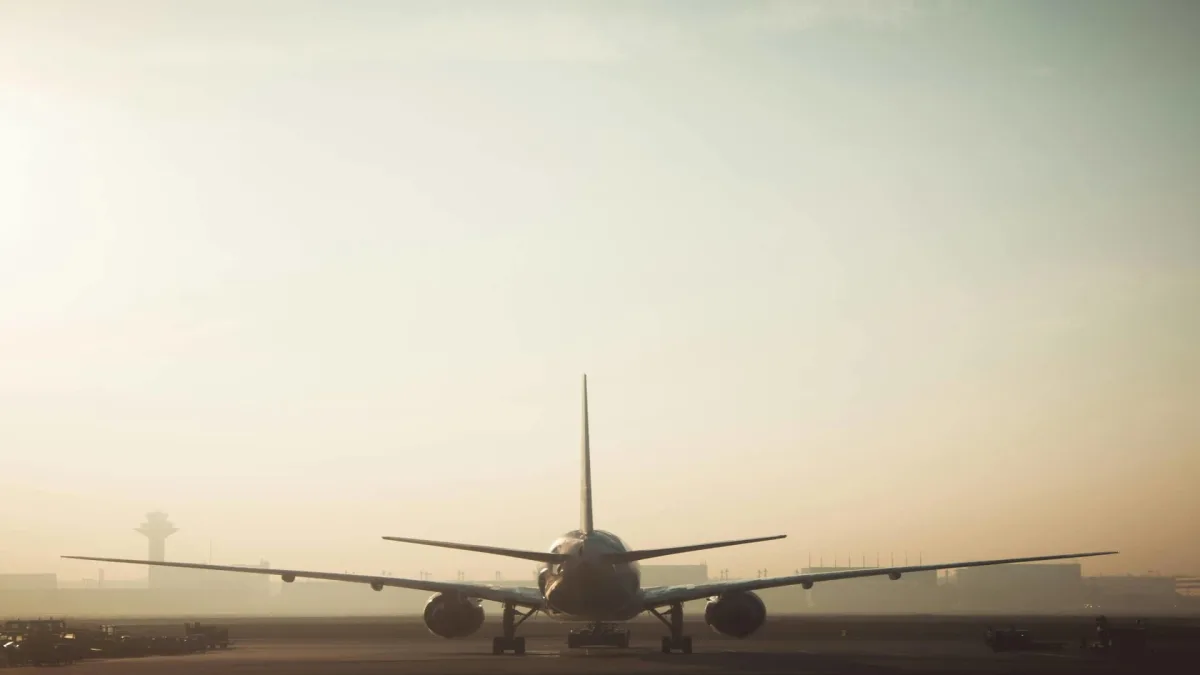
Singapore Airlines is evaluating a 50-aircraft widebody order to replace its aging fleet of 22 Boeing 777-300ERs as part of a long-term modernization plan.
Key Takeaways
- •SIA evaluates 50-jet widebody order to replace 22 Boeing 777-300ERs.
- •Boeing 777-9 and Airbus A350-1000 are the primary candidates.
- •Final fleet decision is expected by the airline between 2026 and 2027.
- •Certification delays continue to influence long-haul fleet planning.
Fleet Modernization Strategy
Singapore Airlines (SIA) is reportedly in early-stage discussions with Boeing and Airbus regarding a significant order for at least 50 new widebody aircraft. The potential acquisition is central to the carrier's SIA fleet replacement strategy, which aims to retire its aging fleet of 22 Boeing 777-300ER (Extended Range) aircraft. According to the airline's Q4 FY2025/26 Analyst Briefing, this transition is essential for maintaining operational efficiency and competitive positioning in the premium long-haul market.
Boeing 777-9 vs Airbus A350-1000: Key Specifications
| Metric | Boeing 777-9 | Airbus A350-1000 |
|---|---|---|
| Capacity | 426 passengers (2-class) | 350-410 passengers (3-class) |
| Range | 7,295 nm | 8,700 nm |
| Engine | GE9X | Rolls-Royce Trent XWB-97 |
The Competitive Landscape
The Singapore Airlines widebody order highlights a broader industry trend of widebody fleet modernization. Airlines are increasingly pivoting toward next-generation twin-engine jets to reduce fuel burn and carbon emissions. However, the decision is complicated by ongoing aviation industry supply chain constraints and certification delays. The Boeing 777-9 is currently undergoing rigorous certification under 14 CFR Part 25 (Transport Category Airplanes) overseen by the Federal Aviation Administration (FAA). These certification delays, which have pushed the expected entry into service to 2027, have forced carriers to evaluate their options carefully.
Historically, this situation echoes the airline's February 2017 order, where SIA committed to 20 Boeing 777-9s and 19 787-10s. The current deliberation reflects the impact of those original delivery delays. The situation also mirrors Emirates' November 2023 strategy, where the carrier placed significant orders for both the 777X and A350 to hedge against further production slippage.
Stakeholder Impacts
For Boeing Commercial Airplanes, securing this order would provide a critical endorsement of its delayed 777X program. Conversely, a loss to Airbus Commercial Aircraft would solidify the A350-1000 as the preferred successor to the 777-300ER platform globally. Engine manufacturers are also closely watching the outcome. GE Aerospace serves as the sole supplier for the 777-9’s GE9X engines, while Rolls-Royce holds the exclusive contract for the A350-1000’s Trent XWB-97 powerplants.
Environmental and Operational Analysis
While the industry views these next-generation jets as critical for efficiency, environmental advocacy groups have argued that continued reliance on massive, high-capacity widebody jets may conflict with long-term net-zero carbon emissions goals. Despite this, the economic necessity of replacing older, less fuel-efficient aircraft remains a dominant driver. The industry is currently navigating a period where the need for capacity expansion is frequently pitted against the realities of manufacturing backlogs and the need to mitigate OEM (Original Equipment Manufacturer) delivery delays.
Singapore Airlines Final Fleet Decision
SIA is expected to finalize its fleet decision between late 2026 and 2027. This timeline aligns with the broader industry expectation for the Boeing 777-9 certification and entry into service in 2027. The airline’s choice will likely hinge on delivery slot availability and the integration of these assets into its existing network.
Why This Matters for the Long-Haul Market
This potential order represents a significant capital commitment that will define the carrier's premium product offering for the next two decades. For the broader aviation industry, the decision signals how major flag carriers are balancing the risk of ongoing certification delays against the operational imperative of retiring legacy widebody fleets. The outcome will serve as a bellwether for the long-term viability of the ultra-large twin-engine segment.
Frequently Asked Questions
- Why is Singapore Airlines looking to replace its Boeing 777-300ER fleet?
- Singapore Airlines is seeking to modernize its fleet to improve fuel efficiency and lower operating costs, as its current fleet of 22 Boeing 777-300ERs is aging.
- What are the primary aircraft being considered for the new order?
- The airline is evaluating the Boeing 777-9 and the Airbus A350-1000, both of which are next-generation, high-capacity twin-engine widebody jets.
Get breaking commercial aviation news and expert airline analysis at omniflights.com. Follow aviation sustainability efforts, emissions research, and green initiatives in the Environmental section at omniflights.com/environmental.
Written by Hardik Vishwakarma
Co-Founder & Aviation News Editor leading initiatives that improve trust and visibility across the global aviation industry. Covers airlines, airports, safety, and emerging technology.
Visit ProfileYou Might Also Like
Discover more aviation news based on similar topics
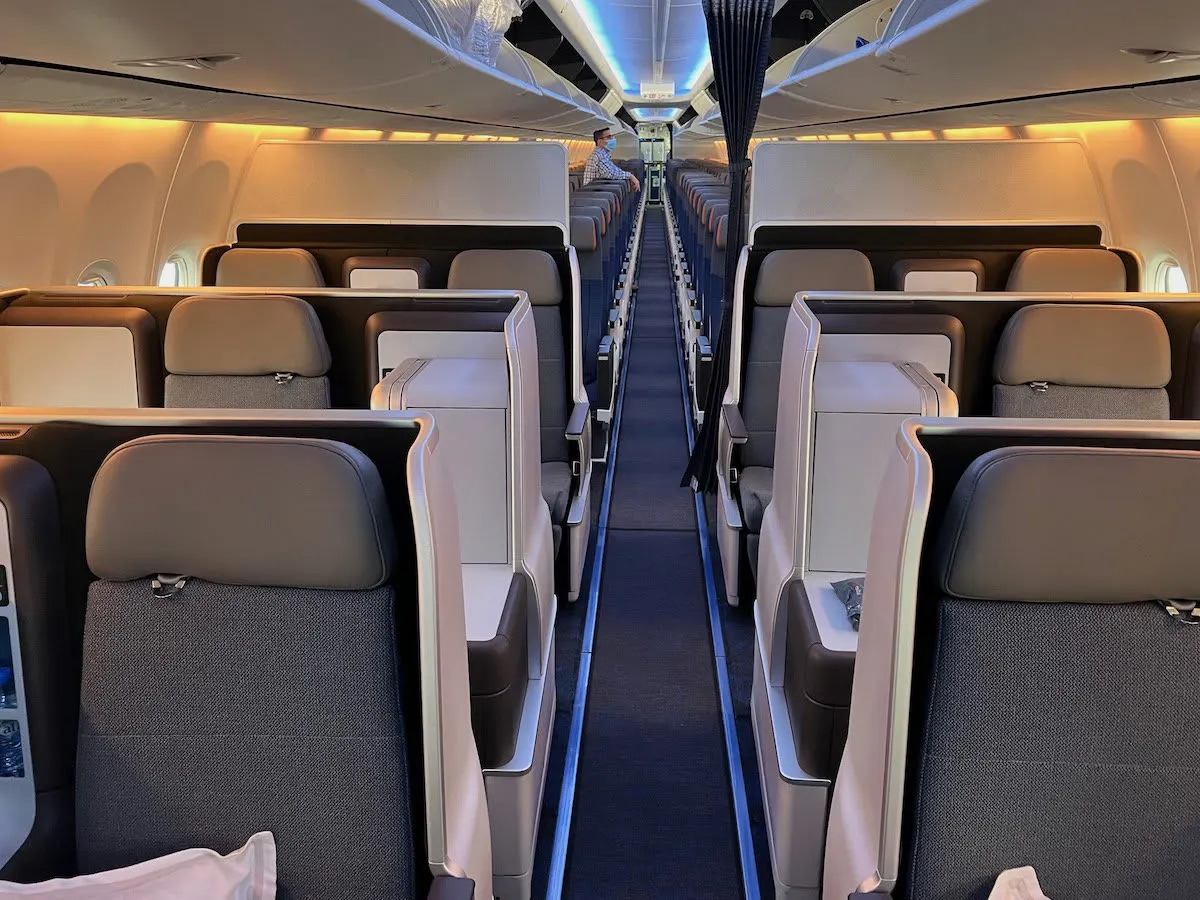
Flydubai Upgrading 21 Boeing 737 MAX 8s to Flat Bed Seats
Flydubai is retrofitting 21 Boeing 737 MAX 8 aircraft with lie-flat business class seats to standardize its premium product by late 2027.
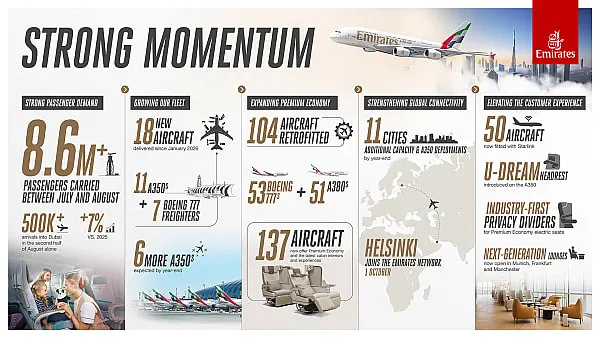
Emirates Winter Booking Momentum Grows Amid Fleet Expansion
Emirates carried 8.6 million passengers this summer and enters winter with strong demand as it accelerates fleet retrofits and network growth.
Air Arabia Consortium Gains AOC for New Dammam Budget Airline
A Saudi GACA-led consortium including Air Arabia has secured an AOC to launch a new budget airline based at Dammam's King Fahd International Airport.
Turkish Airlines Exits Luanda as Angola Hub Struggles
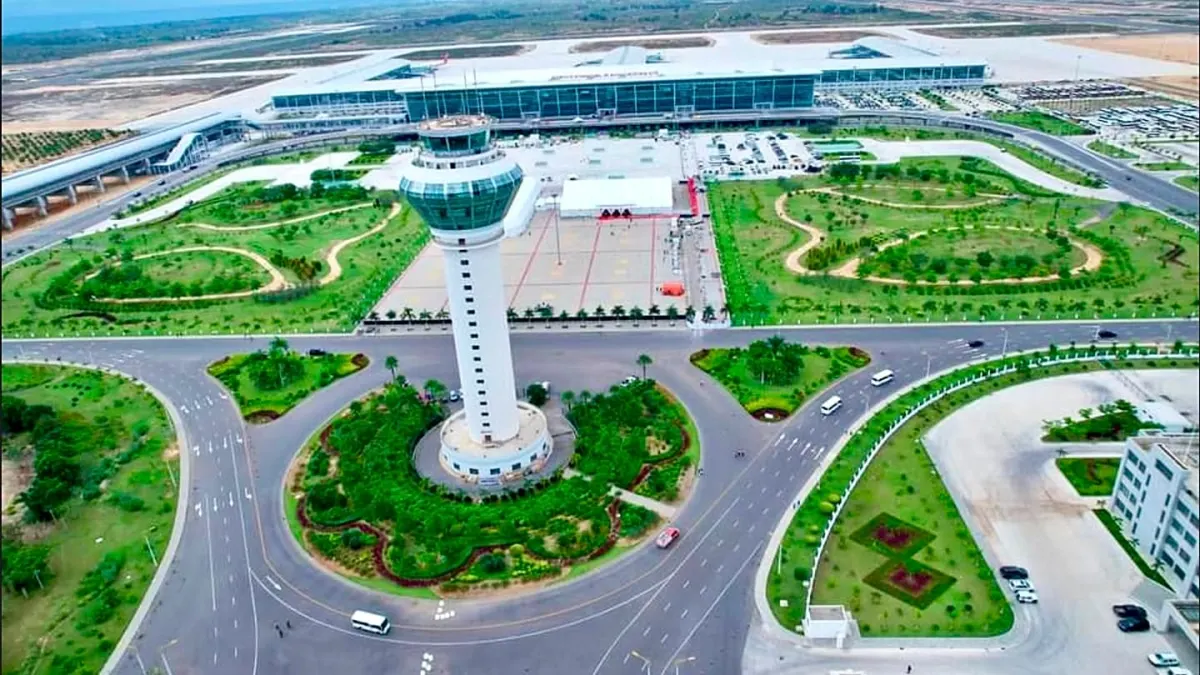
Turkish Airlines dropped its Luanda route as Angola's new airport struggles to attract traffic, handling only 756,028 passengers in 2025.

Red Sea Airlines Leases Two 737 MAX 8s for 2027 Expansion
Red Sea Airlines signed a lease for two Boeing 737 MAX 8 aircraft from SMBC Aviation Capital, arriving in 2027 to support its 14-aircraft fleet goal.
Avelo CEO Warns Airfares May Rise on Jet Fuel Price Spikes
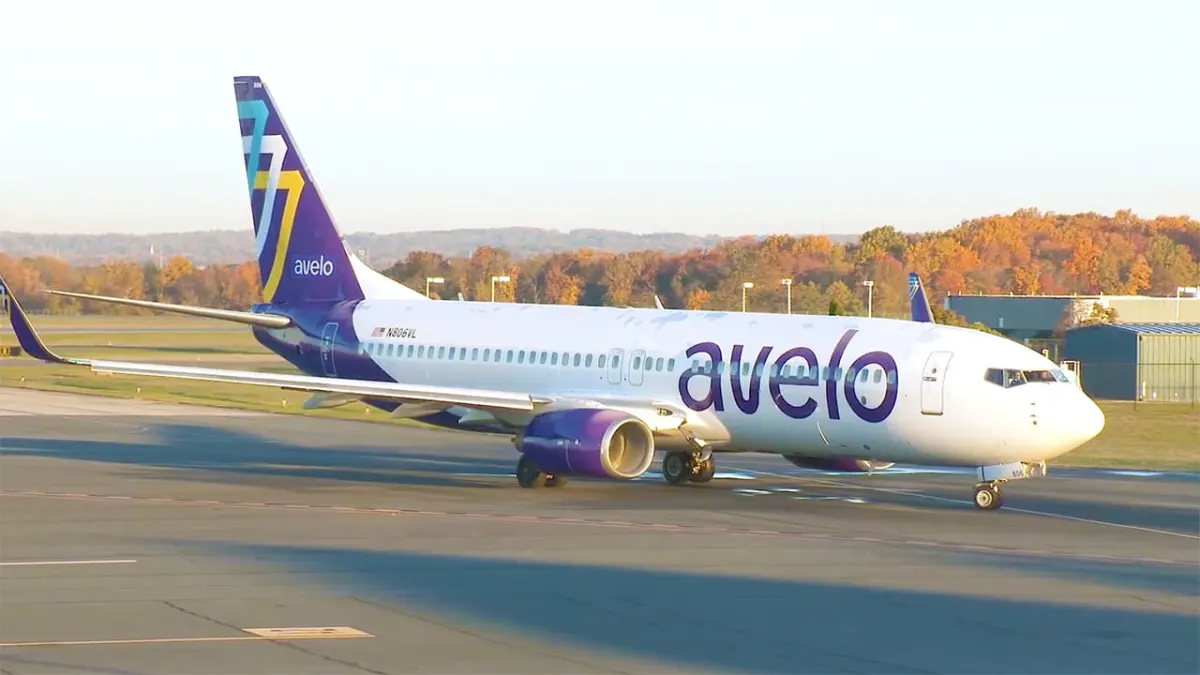
Avelo Airlines CEO Andrew Levy warns that rising fuel costs may force fare increases as global jet fuel prices reach $171.01 per barrel.