Singapore Airlines 737 MAX Suffers Second Tyre Burst at KLIA

Co-Founder & CEOAviation News Editor delivering trusted coverage across the global aviation industry.
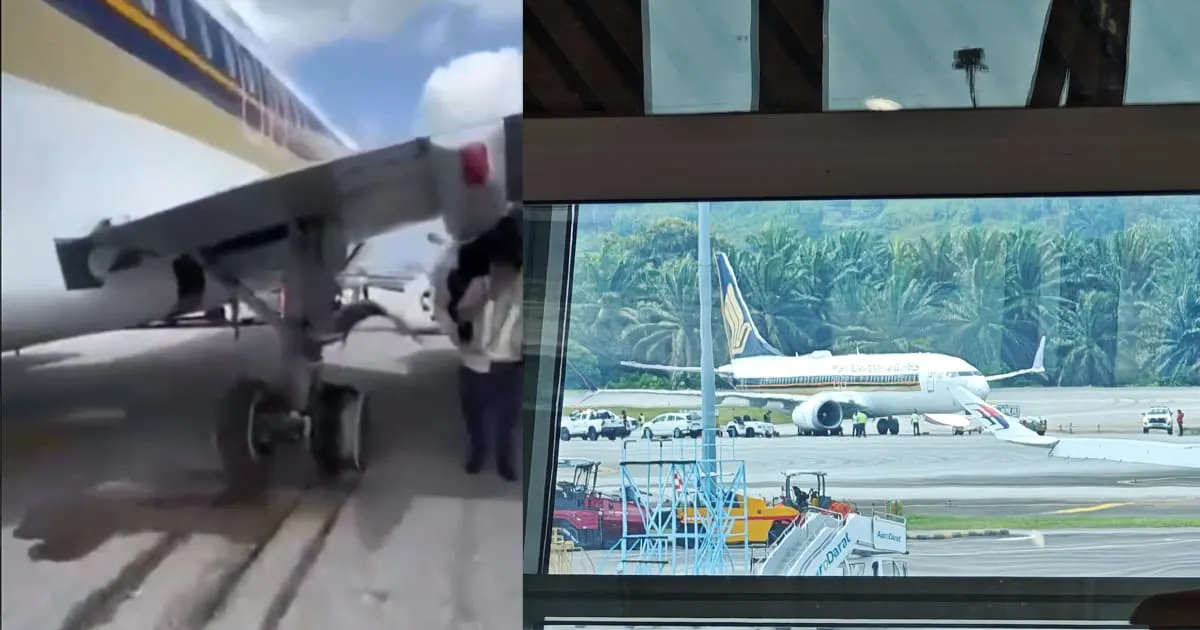
A second Singapore Airlines Boeing 737-8 MAX experienced a tyre burst at Kuala Lumpur International Airport, prompting an urgent maintenance review.
Key Takeaways
- •Singapore Airlines reported two tyre bursts on SQ114 in nine days.
- •June 21 incident stranded 152 passengers on a KLIA taxiway.
- •CAAS and TSIB are conducting a mandatory safety investigation.
- •Accelerated landing gear reviews are underway for the 737-8 fleet.
Singapore Airlines (SIA) is facing heightened operational scrutiny following a second Singapore Airlines tyre burst incident involving a Boeing 737-8 MAX aircraft at Kuala Lumpur International Airport (KLIA) within a nine-day period. The latest event occurred on June 21, 2026, when flight SQ114 experienced multiple deflated tyres upon landing. This incident follows a similar failure on June 13, 2026, involving a different aircraft on the same route, raising questions regarding the Boeing 737 MAX landing gear performance on high-frequency, short-haul cycles.
Operational Impact at KLIA
The June 21 occurrence resulted in the aircraft becoming stranded on a taxiway, requiring emergency towing services. According to an official statement from Singapore Airlines, all 152 passengers and eight crew members disembarked safely. The preceding June 13 incident, involving aircraft registration 9V-MBN, was more disruptive, forcing a temporary KLIA runway closure that lasted approximately six hours. The second incident involved aircraft registration 9V-MBA. Both events are managed under the oversight of Malaysia Airports Holdings Berhad (MAHB), which coordinates emergency response and runway infrastructure management at the facility. Detailed technical specifications for these aircraft components are available via Boeing Commercial Airports Engineering Data.
Maintenance and Regulatory Scrutiny
The Civil Aviation Authority of Singapore (CAAS) and the Transport Safety Investigation Bureau (TSIB) are monitoring the situation closely. Under the Singapore Aviation Accident/Incident Reporting System mandate, these occurrences require formal investigation to determine if the failures are isolated or indicative of a systemic maintenance trend. The Singapore Airlines Maintenance Division is now conducting an accelerated technical review of its 737-8 fleet's landing gear and braking systems. This review is critical given the repeated nature of the failures on the 45-minute flight path between Singapore (SIN) and Kuala Lumpur (KUL).
Technical Context and Comparisons
The Boeing 737 MAX family utilizes specific tyre configurations designed for high-stress operations. While the 737-8 MAX operates with specific tyre pressure and ply ratings, the industry is currently observing increased operational stress on narrowbody landing gear during high-frequency cycles.
Boeing 737 MAX Family Main Gear Tyre Specifications
| Metric | MAX 8 Value | MAX 9 Comparison |
|---|---|---|
| Tire Size | H44.5X16.5R21 | H44.5X16.5R21 |
| Ply Rating | 30PR | 32PR |
| Pressure | 210 psi | 230 psi |
Analysis of Landing Gear Stress
This sequence of events suggests that the high-frequency, short-haul nature of the SIN-KUL route may be accelerating wear on specific landing gear components. Historically, similar incidents, such as the April 2014 Malaysia Airlines Flight MH192 tyre burst, demonstrated the operational risks associated with landing gear failures on Boeing 737 variants at KLIA. While the 2014 event involved a 737-800, the current trend of back-to-back failures in the 737 MAX fleet suggests that current maintenance cycles may need to be adjusted to account for the specific kinetic energy loads experienced during the short-duration flight cycles of the MAX 8. The Civil Aviation Authority of Singapore (CAAS) will likely prioritize the analysis of anti-skid braking performance and tyre temperature management in its upcoming review.
Pending Safety Investigations
The Transport Safety Investigation Bureau (TSIB) is expected to release a preliminary safety investigation report by Q3 2026. This document will be instrumental in determining whether the root cause lies in mechanical fatigue, tyre specifications, or environmental factors at KLIA. In the interim, Malaysia Airports Holdings Berhad (MAHB) continues to facilitate ground operations while SIA works to ensure the continued airworthiness of its narrowbody fleet.
Why This Matters for Fleet Reliability
For Singapore Airlines, these back-to-back incidents represent a significant operational and reputational challenge. The concentration of two identical failures within nine days on a single route signals a potential structural issue that necessitates immediate investigation. For the broader aviation industry, this serves as a reminder of the maintenance rigors required for the modern 737 MAX fleet as it matures in high-frequency, short-haul service environments.
Frequently Asked Questions
- What caused the Singapore Airlines tyre bursts at KLIA?
- The incidents involved the main landing gear tyres of Boeing 737-8 MAX aircraft deflating upon landing. The Transport Safety Investigation Bureau is currently investigating the root cause, which may involve mechanical fatigue or tyre performance under high-frequency short-haul conditions.
- How many passengers were affected by the June 21 incident?
- The June 21 incident involving flight SQ114 resulted in 152 passengers and 8 crew members being stranded on the taxiway, requiring emergency towing of the aircraft.
From airline operations to fleet updates, commercial aviation news lives at omniflights.com. Get the latest updates on major hubs, regional terminals, and airport operations via the Airports section at omniflights.com/airports.
Written by Hardik Vishwakarma
Co-Founder & Aviation News Editor leading initiatives that improve trust and visibility across the global aviation industry. Covers airlines, airports, safety, and emerging technology.
Visit ProfileYou Might Also Like
Discover more aviation news based on similar topics

Families Demand DCA Midair Collision Safety Reforms
Families of 67 victims from the 2025 DCA midair collision are pressing Congress for mandatory ADS-B In technology to prevent future aviation tragedies.
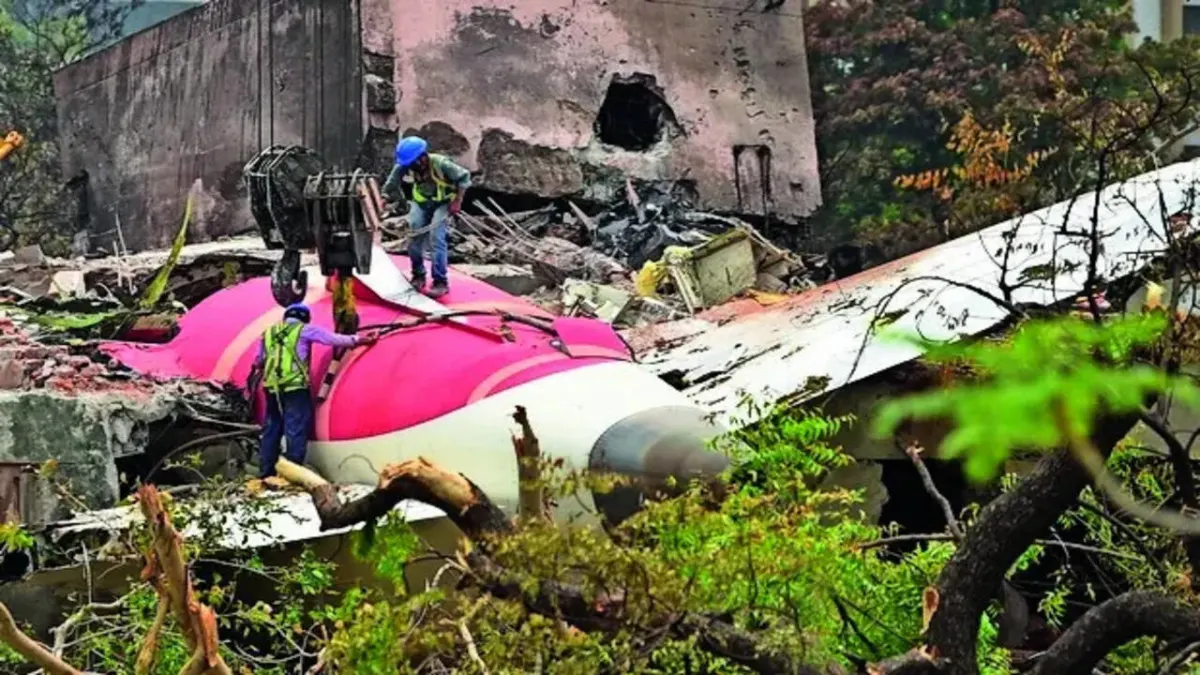
FAS Challenges AAIB Over Boeing 787 Safety Data
The Foundation for Aviation Safety is urging the AAIB to issue safety warnings for the Boeing 787 fleet following the fatal Air India 171 crash.
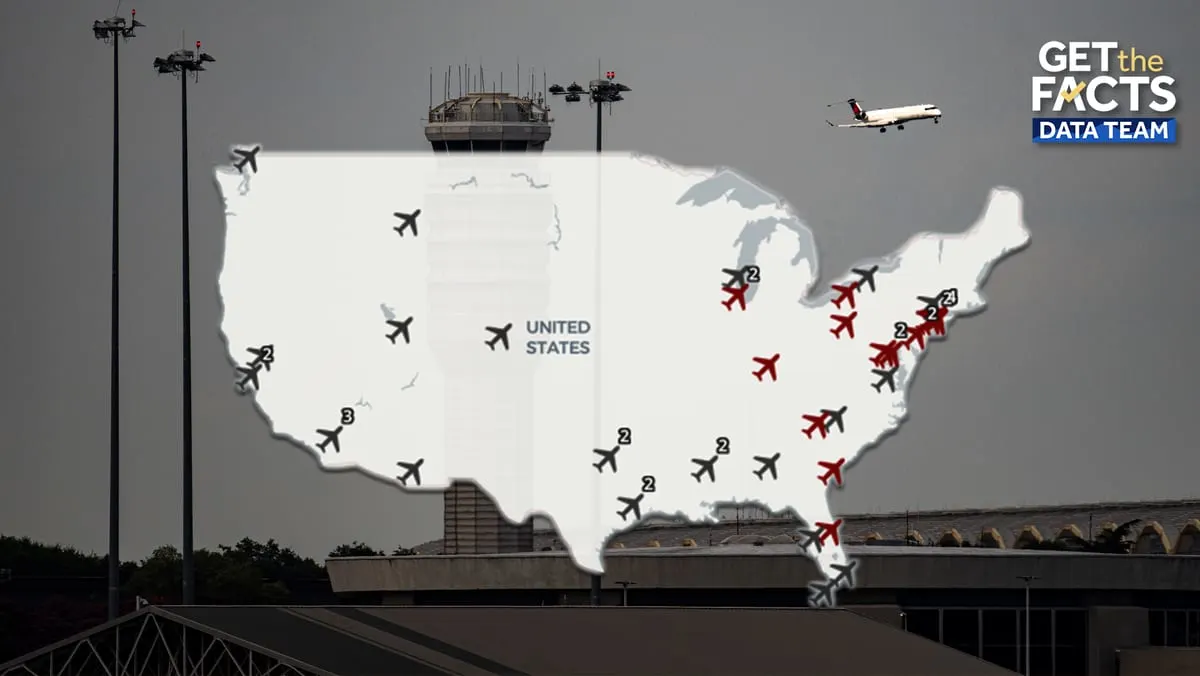
NTSB Safety Recommendations Lag Amid 6 Monthly Near-Misses
Approximately 6 near-miss incidents occur monthly at U.S. airports as 270 NTSB safety recommendations remain unaddressed by federal regulators.
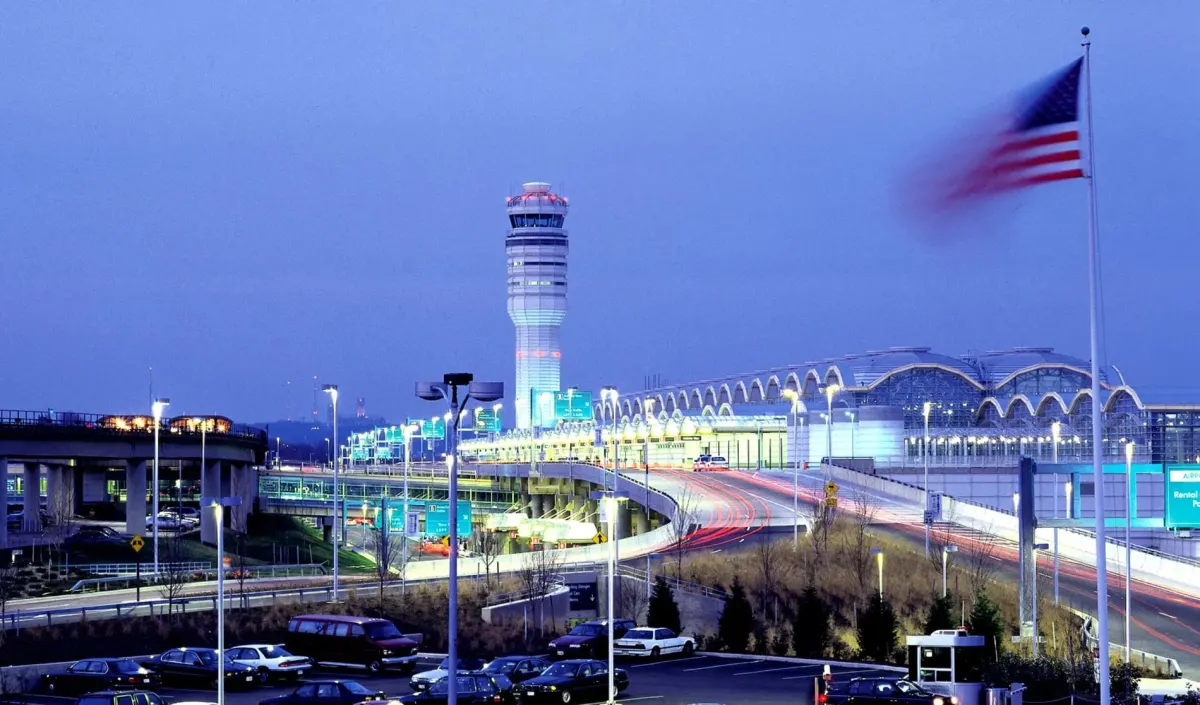
NTSB Rejects FAA Safety Responses After 67-Fatality Crash
The NTSB labeled 11 FAA responses to 2025 DCA mid-air collision recommendations as unacceptable, citing the lack of a mandatory ADS-B In requirement.
EASA Orders Urgent Airbus A380 Wing Spar Inspections
The EASA ordered urgent inspections on 16 Airbus A380s after discovering wing spar cracks that could compromise structural integrity.
Ryanair Flight RK514 Diverts to Birmingham After Emergency
Ryanair flight RK514 diverted to Birmingham Airport on September 13, 2026, following a medical emergency involving a passenger.