SIA Profit Halved by Air India's S$3.56B Airspace Ban Loss

Co-Founder & CEOAviation News Editor delivering trusted coverage across the global aviation industry.
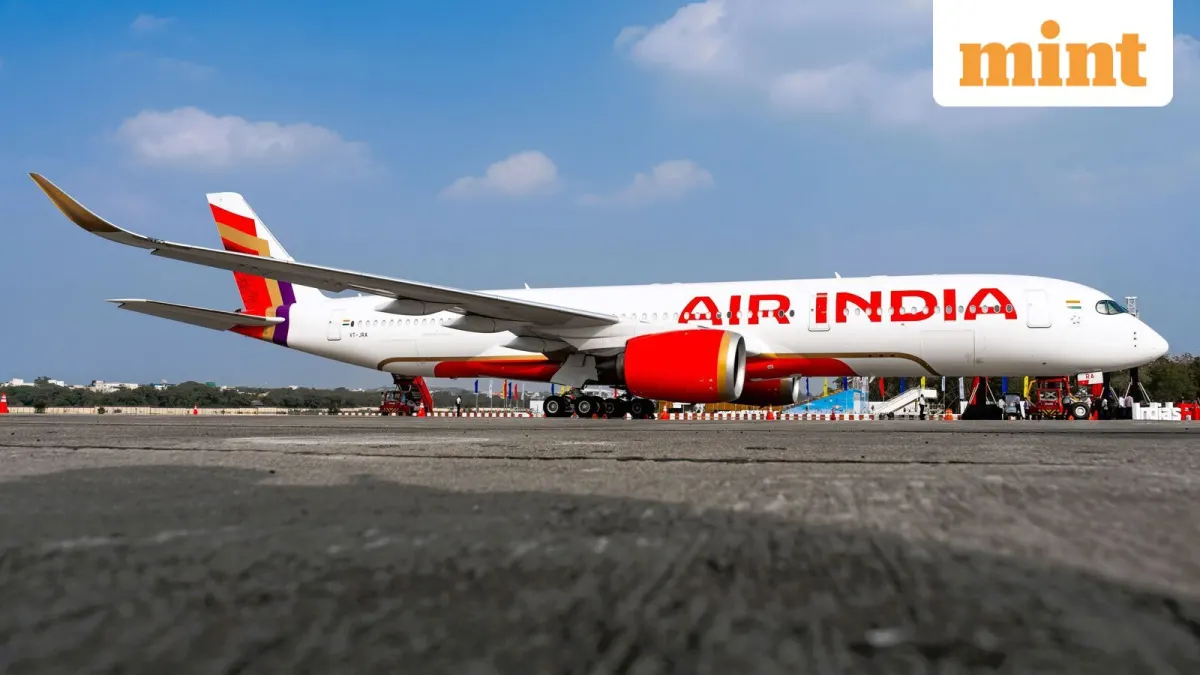
Singapore Airlines' FY26 profit fell 57% to S$1.18B, dragged down by its share of Air India's S$3.56B loss from Pakistan's airspace closure.
Key Takeaways
- •SIA's FY26 net profit dropped 57.4% due to its Air India stake.
- •Air India posted a S$3.56 billion deficit amid the airspace ban.
- •Pakistan's airspace closure costs Air India an estimated $600M annually.
- •Air India is cutting 37% of international flights for Summer 2026.
The ongoing Pakistan airspace closure has inflicted severe financial damage on Air India, leading to a direct and substantial impact on Singapore Airlines earnings, according to Singapore Airlines (SIA) CEO Goh Choon Phong. Speaking at the airline's fiscal year 2026 earnings call, Goh highlighted the competitive disadvantage faced by Air India, which is unable to use the most direct routes for its westbound long-haul flights.
This operational handicap has been a primary driver behind Air India financial losses, which culminated in a staggering S$3.56 billion deficit for the fiscal year ending March 2026. As a holder of a 25.1% equity stake in the Indian flag carrier, SIA's financial results have been directly impacted. The group's net profit plummeted by 57.4% year-over-year to S$1.184 billion, a decline largely attributed to absorbing its share of Air India's losses. The situation underscores the significant financial risks associated with Indian aviation geopolitics and asymmetrical airspace access.
Financial and Operational Impact
According to an Air India regulatory briefing, the inability to overfly Pakistan is estimated to cost the airline approximately $600 million annually in additional operational expenses. These costs stem from longer flight times, increased fuel burn, and more complex crew scheduling required for detours over the Arabian Sea. "The closure of Pakistani airspace affects only Indian-based operations, not anyone else," stated Goh Choon Phong, emphasizing the uneven playing field.
In response to the mounting financial pressure, Air India is implementing drastic capacity reductions. The airline confirmed it will cut its international departures by 37% for the peak June-August 2026 summer season, reducing its schedule to approximately 1,240 monthly flights. These cuts include the suspension of key long-haul routes such as Delhi-Chicago and Mumbai-New York, along with frequency reductions to European destinations including Paris, Milan, and Rome. This move aims to staunch the financial bleeding but will significantly reduce connectivity for passengers and cede market share to foreign competitors.
For Singapore Airlines, the financial drag from its Air India investment is a major setback. The airline's otherwise strong performance was overshadowed by the S$3.56 billion deficit from its Indian associate. Further details on the group's financial performance are available through its investor relations portal.
The Geopolitical Precedent
The current situation is not without historical parallels. A similar airspace closure by Pakistan from February to July 2019 cost Indian carriers an estimated $80-150 million, with Air India bearing the brunt of the impact. That five-month event demonstrated the acute vulnerability of India's westward flight operations to geopolitical tensions with its neighbor.
A more recent global example is the closure of Russian airspace to Western airlines following the invasion of Ukraine in February 2022. This forced U.S. and European carriers to reroute flights to Asia, adding hours and significant fuel costs. Meanwhile, competitors from China, the Middle East, and India retained access, gaining a structural cost advantage. These precedents highlight a recurring theme in modern aviation where airspace access is used as a tool of statecraft, creating lasting distortions in market competition.
Stakeholder Consequences
The impact of the airspace ban extends across the aviation ecosystem:
- Air India (Tata Group): The carrier faces the most severe consequences, with a massive annual financial penalty and a deep operational deficit that threatens its turnaround strategy.
- Singapore Airlines: The investment in Air India, intended as a strategic entry into the burgeoning Indian market, has become a significant financial liability, erasing a substantial portion of the group's profits.
- Foreign Carriers: Airlines from Europe and the Middle East gain a significant competitive edge. They can continue to operate direct flights over Pakistan, offering shorter travel times and maintaining lower operating costs on routes to and from India.
- Passengers: Travelers face reduced flight options, particularly on non-stop routes to North America and Europe, and potentially higher fares as capacity is withdrawn from the market.
Technical Analysis
The prolonged airspace closure represents a structural, not cyclical, challenge for Air India and its investors. Unlike economic downturns that affect all carriers, this geopolitical restriction creates a permanent cost disadvantage for Indian airlines on the world's most lucrative long-haul routes. The data suggests this is not merely an operational inconvenience but a fundamental threat to the viability of Air India's long-haul business model. The estimated $600 million annual penalty is a direct subsidy to foreign competitors who are unencumbered by the ban. This situation mirrors the Russian airspace closure's effect on Western carriers, demonstrating that in an era of renewed geopolitical competition, access to efficient great-circle routes can no longer be taken for granted. The financial results from SIA and Air India are a clear signal that airline network strategy is now deeply intertwined with national foreign policy.
What Comes Next
The current airspace ban, enforced by the Pakistan Airports Authority (PAA), is a critical point of focus for the industry. The PAA is expected to announce a decision on the expiration or potential extension of the ban on or around May 24, 2026. Air India's ability to restore its long-haul network and stem its financial losses hinges entirely on this decision. Until the airspace reopens, the carrier's international operations will likely remain curtailed.
Why This Matters
This development is a stark illustration of how geopolitical conflicts can directly cripple airline operations and distort international competition. For Air India, the inability to use Pakistani airspace is an existential threat to its long-haul ambitions, forcing it to cede ground to rivals. For its strategic partner, Singapore Airlines, it demonstrates the high-risk nature of airline investments in politically volatile regions. The episode serves as a critical case study for the global aviation industry on the profound impact of airspace weaponization on airline balance sheets and network stability.
Frequently Asked Questions
- How much did Pakistan's airspace closure cost Air India?
- The closure is estimated to cost Air India approximately $600 million annually in added operational expenses. This financial pressure was a major factor in the airline reporting a net deficit exceeding S$3.56 billion for the fiscal year ending March 2026.
- Why did Singapore Airlines' profit fall in FY26?
- Singapore Airlines' net profit dropped 57.4% to S$1.184 billion primarily because it had to absorb its share of losses from Air India. SIA holds a 25.1% equity stake in the Indian carrier, which suffered a massive deficit due to the costly Pakistani airspace ban.
- How is Air India responding to the financial pressure from the airspace ban?
- To mitigate its significant operating losses, Air India is cutting its international departures by 37% for the June-August 2026 period. This includes suspending key long-haul routes like Delhi-Chicago and Mumbai-New York and reducing frequencies to several European cities.
For global airline trends and commercial aviation news, turn to omniflights.com. Track policy changes, airspace rules, and global aviation governance in the Regulatory category at omniflights.com/regulatory.
Written by Hardik Vishwakarma
Co-Founder & Aviation News Editor leading initiatives that improve trust and visibility across the global aviation industry. Covers airlines, airports, safety, and emerging technology.
Visit ProfileYou Might Also Like
Discover more aviation news based on similar topics
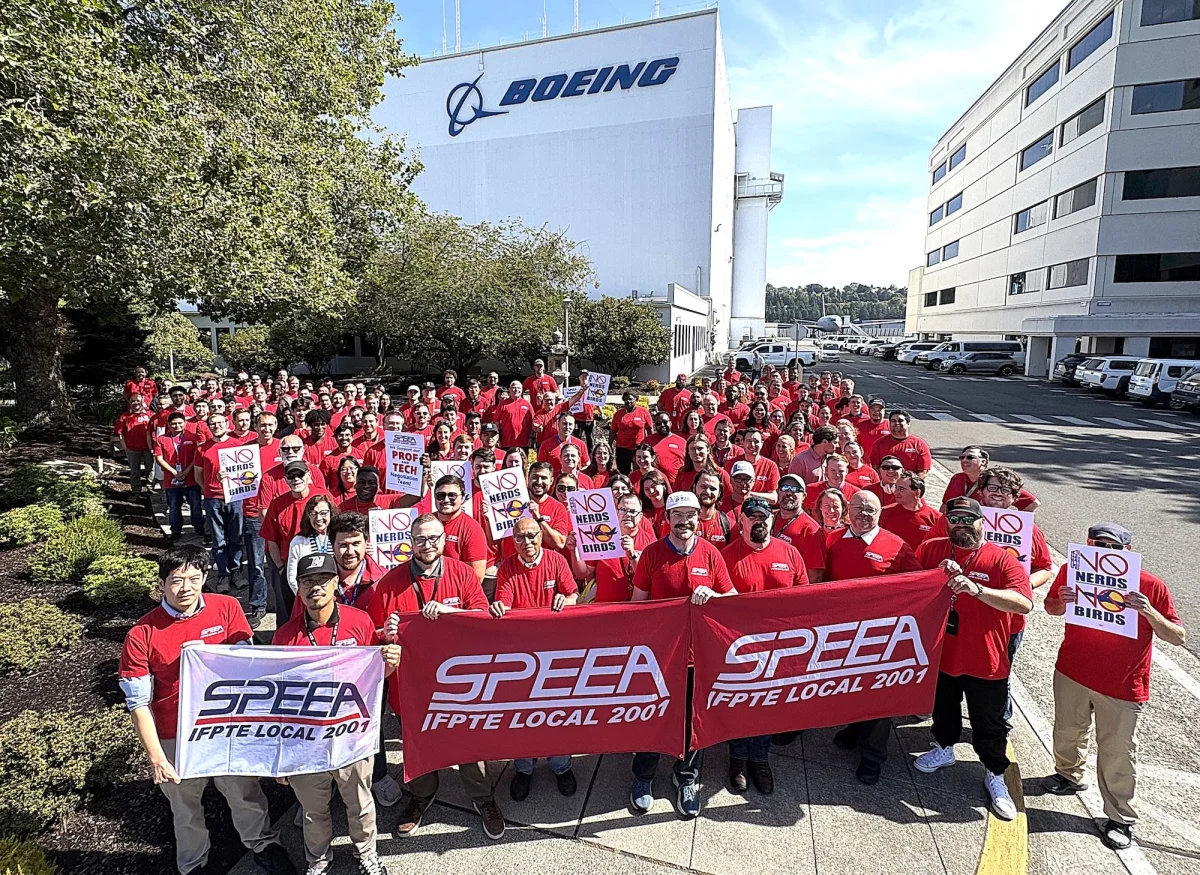
Boeing Tightens Spending Ahead of Critical SPEEA Union Vote
Boeing has implemented spending controls and a hiring freeze as it faces a critical contract ratification vote with its 17,000-member engineering union.

Boeing CEO Kelly Ortberg Warns of 777X Certification Delay
Boeing CEO Kelly Ortberg warned that a potential strike by 17,000 engineers would immediately halt the 777X certification and production programs.
American and United Plan Capacity Cuts Amid Fuel Cost Surge
American and United are trimming flight schedules to offset a $1 billion fuel cost spike while maintaining strong pricing power.
Boeing CEO Reports 737 MAX Output Stabilization Delays
Boeing CEO Kelly Ortberg reports slower 737 MAX production stabilization, prompting a downward revision in 2026 free cash flow expectations to $2 billion.
Boeing Finalizes KAL Order, Salvages Turkish Airlines Deal
Boeing secured a $36.2 billion order from Korean Air Lines for 103 aircraft and nears a resolution on a 150-jet deal with Turkish Airlines.
Airbus Forecasts 42,000 New Jets Amid Strong Global Demand
Airbus expects 42,000 new aircraft deliveries globally by 2045, with 45% of demand concentrated in the Asia-Pacific region.