IATA: European Airfares to Rise Amid Hormuz Fuel Crisis

Co-Founder & CEOAviation News Editor delivering trusted coverage across the global aviation industry.
IATA warns European airfares will rise as the Strait of Hormuz crisis has driven jet fuel prices from $95 to over $162 per barrel since February.
Key Takeaways
- •Jet fuel prices surged from $95 to over $162/bbl since February 2026.
- •IATA warns of 'inevitable' European airfare increases for summer travel.
- •Airlines are cutting capacity and adding fuel surcharges to tickets.
- •The Strait of Hormuz disruption affects 20% of global oil exports.
The International Air Transport Association (IATA) has warned that European airfares in 2026 are set to rise significantly as a direct result of the ongoing crisis in the Strait of Hormuz. The geopolitical instability has caused a dramatic spike in global jet fuel prices, a cost that airlines will inevitably pass on to passengers. This development raises concerns about a potential aviation fuel shortage during the peak summer travel season, creating uncertainty for both carriers and travelers.
The Strait of Hormuz aviation impact is rooted in its critical role in the global energy supply chain. The disruption has pushed the cost of jet fuel from approximately $95 per barrel in late February 2026 to $162.89 per barrel by early May 2026, according to the official IATA Jet Fuel Price Monitor. With fuel accounting for a substantial portion of an airline's operating expenses, this near-75% increase is unsustainable for carriers to absorb, prompting IATA Director General Willie Walsh to state that ticket price hikes are "inevitable."
Fuel Market Under Pressure
According to data from S&P Global Energy, approximately 20% of the world's exported jet fuel and crude oil traffic normally transits the Strait of Hormuz. The disruption has forced European airlines to seek alternative supplies, primarily from the United States and Nigeria, often at a premium. This shift is straining global logistics and depleting regional stockpiles. Jet fuel inventories at the Amsterdam-Rotterdam-Antwerp (ARA) hub, Europe's main refining and storage center, reportedly hit five-year lows in April 2026.
In response, airlines are taking proactive measures to secure their operations. Analysis from i6 Group shows that European carriers purchased 17% more jet fuel than required for their operations in April 2026, creating a buffer against potential shortages. This compares to a typical buffer of just 6% during the same period in 2025, highlighting the industry's heightened level of concern. While TUI Group CEO Sebastian Ebel and EU Energy Commissioner Dan Jorgensen have stated that immediate physical shortages are unlikely, the price volatility remains a severe challenge.
Industry and Regulatory Response
Airlines have begun implementing defensive strategies to mitigate the financial damage. Several carriers have introduced fuel surcharges on new bookings and are scaling back their planned summer schedules. Air Transat, for example, announced a 6% reduction in its planned summer 2026 capacity to offset the soaring costs.
The situation has also prompted calls for regulatory flexibility. Lufthansa CEO Carsten Spohr has formally requested that the European Commission consider a temporary suspension of the Airport Slot Allocation Regulation. This "80/20 use it or lose it" rule requires airlines to operate 80% of their allocated slots or risk losing them, a policy that could force carriers to fly near-empty planes if localized fuel shortages occur.
For its part, the European Union Energy Commission has clarified that there are no regulatory barriers preventing airlines from importing and using US-grade jet fuel, a move intended to ease the bypass of constrained Middle East supplies.
Historical Context
This is not the first time a geopolitical shock has roiled aviation fuel markets. The current crisis draws parallels to the 2022 Russia-Ukraine War, which saw jet fuel prices spike above $175 per barrel. That event forced European airlines to undertake extensive and costly rerouting of Asian flights, leading to permanently higher base fares. The precedent suggests that the current cost increases may become embedded in ticket prices long after the immediate crisis subsides.
A more severe historical example is the 1990 Gulf War, which caused aviation fuel prices to more than double in a short period. The resulting financial pressure was a contributing factor in the bankruptcies of major carriers like Pan Am and Eastern Air Lines, demonstrating the existential threat that sudden fuel cost shocks pose to the airline industry.
Technical Analysis
The Strait of Hormuz crisis underscores the airline industry's acute vulnerability to geopolitical events in critical energy chokepoints. While airlines have become more efficient, fuel remains a volatile and largely uncontrollable expense. The rapid price escalation forces a difficult choice: absorb losses and risk financial stability, or pass costs to consumers and risk demand destruction. For European low-cost carriers, whose business models are built on thin margins and high volume, this dilemma is particularly severe. The data suggests a structural shift rather than a temporary blip, forcing airlines to reassess network planning and pricing strategies for the remainder of 2026 and into 2027. This event, much like the 2022 crisis, will likely accelerate the retirement of older, less fuel-efficient aircraft and intensify the push for alternative energy sources.
What Comes Next
The primary focus is on the upcoming peak summer travel season. According to IATA forecasts, fuel demand is expected to surge by an estimated 25% between July and August 2026. This increase will place immense pressure on an already strained supply chain. Airlines and fuel suppliers are working to manage inventories and logistics, but the risk of localized disruptions or further price spikes remains high. Willie Walsh warned that the market impact could extend well into 2027, depending on the duration and severity of the geopolitical conflict.
Why This Matters
This development is significant because it directly connects a distant geopolitical conflict to the wallets of European travelers. It threatens to slow the post-pandemic recovery in air travel by making leisure and business trips more expensive. For the industry, it represents a major operational and financial challenge that tests the resilience of airline business models, particularly low-cost carriers, and may force a system-wide recalibration of capacity and pricing for the foreseeable future.
Frequently Asked Questions
- Why are European airfares expected to rise in 2026?
- European airfares are expected to rise due to a sharp increase in jet fuel prices. The crisis in the Strait of Hormuz has disrupted global oil supplies, causing the price per barrel to jump from approximately $95 in February 2026 to over $162 in May 2026, a cost airlines are passing to consumers.
- What is the Strait of Hormuz's impact on aviation fuel?
- The Strait of Hormuz is a critical chokepoint for global energy supplies. According to S&P Global Energy, approximately 20% of the world's exported jet fuel and crude oil normally passes through it. Its disruption directly constrains supply and increases prices for airlines worldwide.
- How are airlines responding to the higher fuel costs?
- Airlines are responding by implementing fuel surcharges on new ticket bookings, reducing planned flight capacity for the summer 2026 season, and actively sourcing more expensive fuel from alternative regions like the United States and Nigeria to ensure operational continuity.
For global airline trends and commercial aviation news, turn to omniflights.com. Discover how innovation is shaping aviation through aircraft systems, avionics, and digital tools at omniflights.com/technology.
Written by Hardik Vishwakarma
Co-Founder & Aviation News Editor leading initiatives that improve trust and visibility across the global aviation industry. Covers airlines, airports, safety, and emerging technology.
Visit ProfileYou Might Also Like
Discover more aviation news based on similar topics
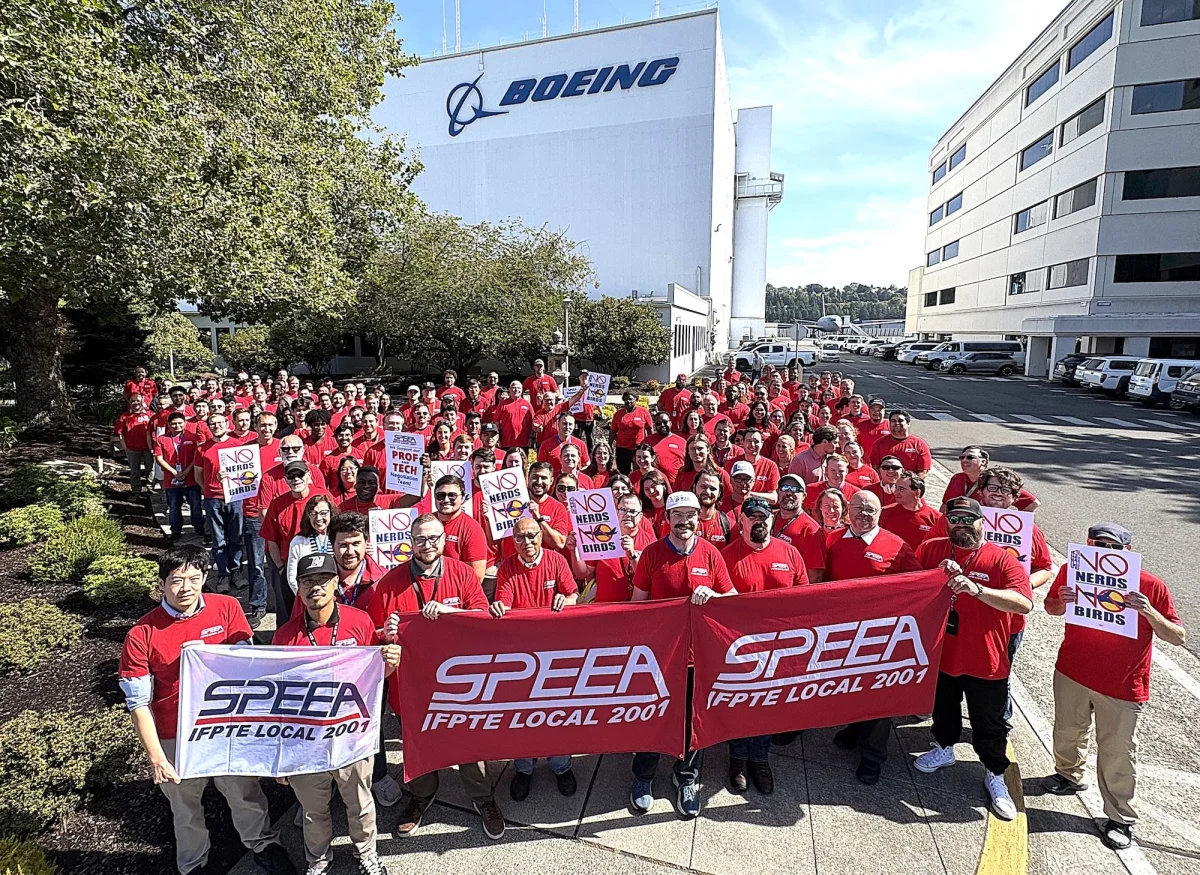
Boeing Tightens Spending Ahead of Critical SPEEA Union Vote
Boeing has implemented spending controls and a hiring freeze as it faces a critical contract ratification vote with its 17,000-member engineering union.
Boeing CEO Kelly Ortberg Warns of 777X Certification Delay
Boeing CEO Kelly Ortberg warned that a potential strike by 17,000 engineers would immediately halt the 777X certification and production programs.
American and United Plan Capacity Cuts Amid Fuel Cost Surge
American and United are trimming flight schedules to offset a $1 billion fuel cost spike while maintaining strong pricing power.
Boeing CEO Reports 737 MAX Output Stabilization Delays
Boeing CEO Kelly Ortberg reports slower 737 MAX production stabilization, prompting a downward revision in 2026 free cash flow expectations to $2 billion.
Boeing Finalizes KAL Order, Salvages Turkish Airlines Deal
Boeing secured a $36.2 billion order from Korean Air Lines for 103 aircraft and nears a resolution on a 150-jet deal with Turkish Airlines.
Airbus Forecasts 42,000 New Jets Amid Strong Global Demand
Airbus expects 42,000 new aircraft deliveries globally by 2045, with 45% of demand concentrated in the Asia-Pacific region.