SIA Profit Drops 57% on Air India Losses, Stays Course

Co-Founder & CEOAviation News Editor delivering trusted coverage across the global aviation industry.
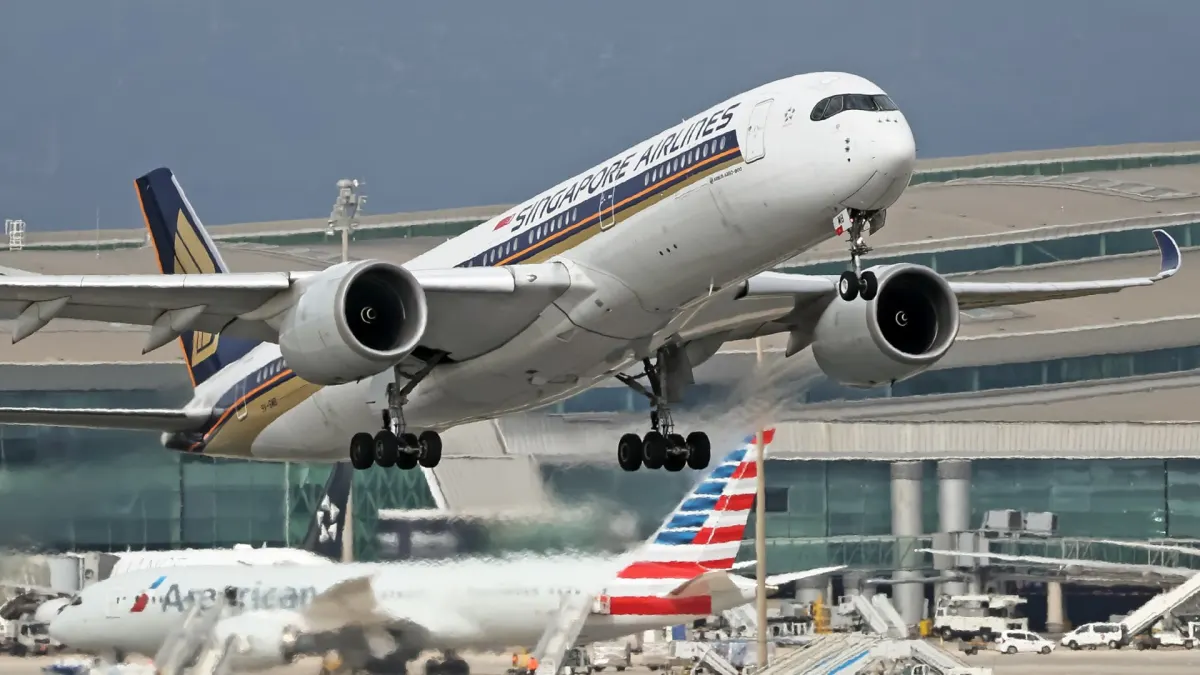
Singapore Airlines' net profit fell 57.4% to SGD 1.18B due to its Air India stake, but the carrier remains committed to its long-term growth strategy.
Key Takeaways
- •SIA's net profit fell 57.4% to SGD 1.18B in FY25/26.
- •Air India stake contributed a SGD 945.2 million loss to SIA's earnings.
- •CEO Goh Choon Phong calls the Air India turnaround a 'long game'.
- •SIA's core operations carried a record 42.4 million passengers.
The Singapore Airlines (SIA) earnings report for the fiscal year ending March 31, 2026, reveals a sharp decline in profitability, driven almost entirely by the financial performance of its investment in Air India. The carrier’s net profit fell 57.4% year-over-year to SGD 1.184 billion. Despite the significant drag from its SIA Air India stake, the airline's leadership has reaffirmed its commitment to the Indian market, framing the turnaround effort as a necessary “long game.” The Air India financial losses have presented a major challenge following the landmark Air India Vistara merger.
The substantial profit reduction stems from two primary factors. First, SIA absorbed SGD 945.2 million in share of losses from its 25.1% equity stake in the newly consolidated Air India Group, which posted a staggering net loss of approximately $2.8 billion (SGD 3.8 billion) for the fiscal year. Second, the prior fiscal year's results were inflated by a one-time, non-cash accounting gain of SGD 1.098 billion recognized in November 2024 upon the completion of the merger. The absence of a similar gain in the current reporting period created a high base for comparison, exacerbating the reported decline.
Core Financials and Operational Context
According to the Singapore Airlines FY2025/26 Earnings Release, the group's core airline operations remain robust. SIA Group, which includes its low-cost carrier Scoot, carried a record 42.4 million passengers, representing a 7.7% increase from the previous year. This indicates strong underlying demand and operational performance, which has been overshadowed by the equity-accounted losses from its Indian associate.
During the earnings briefing, SIA CEO Goh Choon Phong commentary directly addressed the financial impact. "There is no shortcut," Goh stated, acknowledging that transforming the Indian flag carrier is "definitely not going to be a walk in the park." He emphasized that the investment is a cornerstone of SIA's multi-hub strategy, which seeks growth opportunities beyond its geographically constrained home market. Goh drew parallels to the decade-long effort required to establish Vistara, suggesting a similar long-term perspective is needed for the much larger and more complex Air India turnaround.
Air India's struggles are compounded by external pressures, including increased jet fuel price impact and geopolitical instability. The closure of Pakistani airspace to Indian carriers and conflicts in the Middle East have forced costly route detours, increasing fuel burn and operational expenses. Furthermore, the airline is under intense regulatory scrutiny following the fatal crash of Air India Flight AI171 in June 2025. The ongoing investigation by India's Aircraft Accident Investigation Bureau (AAIB) has placed Air India's safety culture and procedures under a microscope, complicating its recovery efforts.
Stakeholder and Industry Impact
The financial results have created distinct pressures on key stakeholders. For Singapore Airlines Shareholders, the S$945.2 million loss from the Air India stake directly reduces net income and could affect dividend distributions, despite the health of SIA's primary business. Meanwhile, majority owner Tata Group bears the primary responsibility for funding Air India's $2.8 billion annual loss and its extensive modernization program. Competing carriers in the region, particularly IndiGo, may benefit from Air India's ongoing operational and reputational challenges.
From a strategic perspective, SIA's move reflects a broader industry trend where airlines in smaller domestic markets invest in carriers within large, high-growth regions. However, this strategy carries significant risk, as illustrated by historical precedents. Etihad Airways' equity alliance strategy from 2011-2017 resulted in heavy losses and the collapse of partners like Air Berlin and Alitalia. Even SIA has past experience with underperforming overseas investments, having sold its 49% stake in Virgin Atlantic at a substantial loss in 2012 after more than a decade.
Technical Analysis
Singapore Airlines' commitment to Air India represents a high-stakes test of the multi-hub investment strategy in modern aviation. The current financial data suggests a significant short-term drain on a historically profitable and well-managed carrier. Unlike Etihad's past strategy, which involved disparate airlines across multiple continents, SIA's investment is a concentrated bet on a single, massive market—India—which is projected to be one of the world's largest aviation markets by 2030. The success of this venture hinges on the Tata Group's ability to execute one of the most complex airline turnarounds in history, navigating deep-seated operational issues, intense domestic competition, and the lingering safety concerns highlighted by the AI171 investigation. The outcome will likely serve as a defining case study for whether a premier airline can successfully export its expertise and capital to reshape a legacy carrier, or if the financial and operational risks of such minority stakes are fundamentally unmanageable.
What Comes Next
The path forward for Air India, and by extension SIA's investment, is tied to several key milestones. The final report from the Aircraft Accident Investigation Bureau (AAIB) India on Flight AI171 is expected by June 2026. The findings of this official investigation will be critical in shaping public perception and determining the scope of any mandated operational changes. Following that, SIA is confirmed to release its first-quarter earnings for the new fiscal year in July 2026, which will provide the next data point on the financial trajectory of its Air India stake.
Why This Matters
This development is significant because it highlights the immense challenge and financial cost of airline consolidation and turnarounds, even for a premier carrier like Singapore Airlines. It serves as a real-time test of the multi-hub strategy, where established airlines take equity in foreign carriers to tap into high-growth markets. The success or failure of SIA's 'long game' in India will offer crucial lessons for the global airline industry on the viability of such cross-border investments and the balance between long-term strategic goals and short-term shareholder value.
Frequently Asked Questions
- How much did Air India's losses impact Singapore Airlines' profit?
- Singapore Airlines' net profit fell by 57.4% to SGD 1.184 billion for the fiscal year ending March 31, 2026. This was largely due to absorbing its SGD 945.2 million share of Air India's $2.8 billion net loss for the same period.
- Why is Singapore Airlines still invested in Air India despite the losses?
- SIA's CEO, Goh Choon Phong, stated the investment is a 'long game' and a core part of the airline's multi-hub strategy. The goal is to secure a long-term growth position in the massive Indian aviation market, which is not possible in Singapore's constrained domestic market.
- What was the Air India-Vistara merger?
- Approved in November 2024, the merger consolidated Vistara, which was a joint venture between Tata Group and Singapore Airlines, into the larger Air India Group. This action converted SIA's holding into a 25.1% equity stake in the newly merged national carrier.
omniflights.com provides comprehensive commercial aviation news covering airlines, aircraft, and airports. Get the latest updates on major hubs, regional terminals, and airport operations via the Airports section at omniflights.com/airports.
Written by Hardik Vishwakarma
Co-Founder & Aviation News Editor leading initiatives that improve trust and visibility across the global aviation industry. Covers airlines, airports, safety, and emerging technology.
Visit ProfileYou Might Also Like
Discover more aviation news based on similar topics
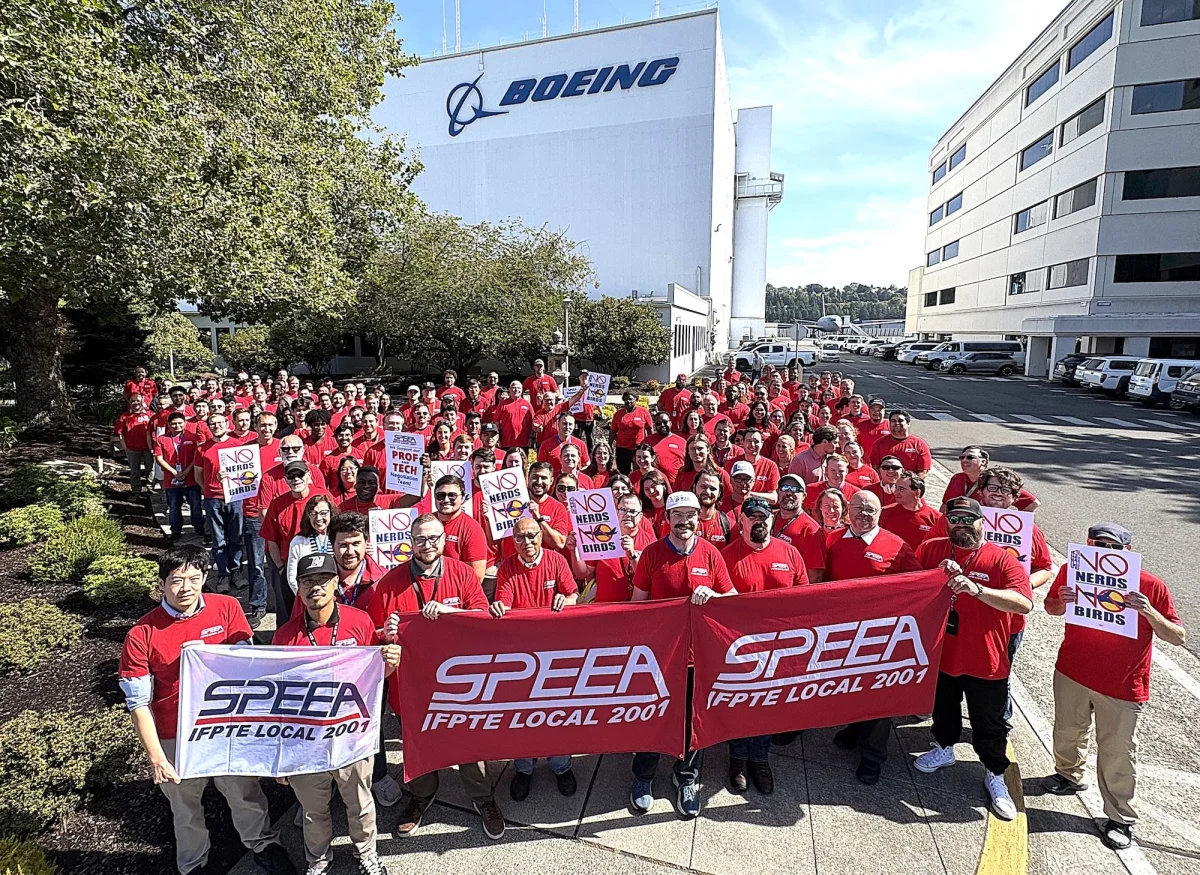
Boeing Tightens Spending Ahead of Critical SPEEA Union Vote
Boeing has implemented spending controls and a hiring freeze as it faces a critical contract ratification vote with its 17,000-member engineering union.

Boeing CEO Kelly Ortberg Warns of 777X Certification Delay
Boeing CEO Kelly Ortberg warned that a potential strike by 17,000 engineers would immediately halt the 777X certification and production programs.
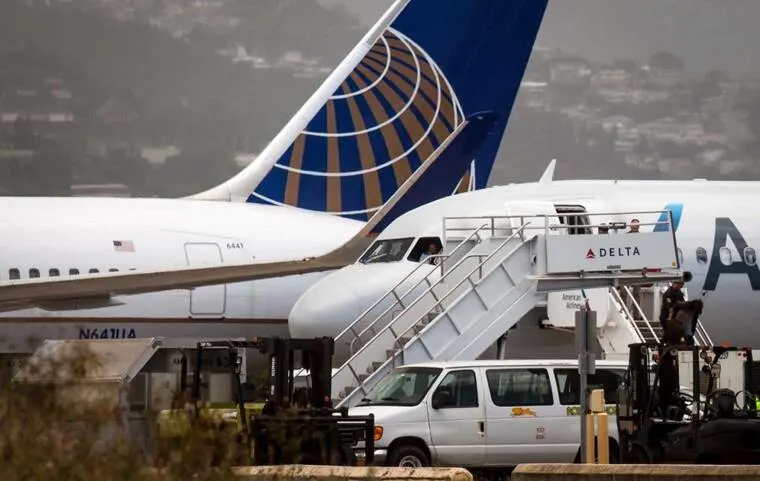
American and United Plan Capacity Cuts Amid Fuel Cost Surge
American and United are trimming flight schedules to offset a $1 billion fuel cost spike while maintaining strong pricing power.
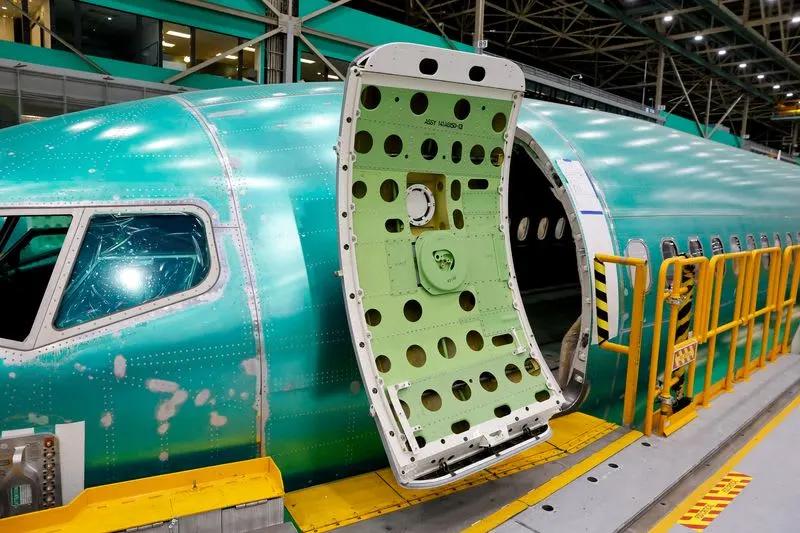
Boeing CEO Reports 737 MAX Output Stabilization Delays
Boeing CEO Kelly Ortberg reports slower 737 MAX production stabilization, prompting a downward revision in 2026 free cash flow expectations to $2 billion.
Boeing Finalizes KAL Order, Salvages Turkish Airlines Deal
Boeing secured a $36.2 billion order from Korean Air Lines for 103 aircraft and nears a resolution on a 150-jet deal with Turkish Airlines.
Airbus Forecasts 42,000 New Jets Amid Strong Global Demand
Airbus expects 42,000 new aircraft deliveries globally by 2045, with 45% of demand concentrated in the Asia-Pacific region.